
Costa Rica

Land of Eternal Spring
About
#CostaRica
#PuraVida
#JewelOfCentralAmerica
#EcoParadise
#NatureLoversHaven
Life Classification
Country
Life ID
EL4446630236866
Verified Name
costa-rica
Life Type
Entity Life
Life Editor(s)
History Editorial Network (HEN)
Life Privacy
Public
Subscription
Elite
Created On
2025-01-09
Updated On
2026-02-07
Connect
Related Lives

Gregorian calendar
The New Style calendar

Roman Empire
Imperium Romanum

Romania
The Gateway to the Balkans
Turkmenistan
The Land of the Eternal Flame.

Germany
The Land of Ideas
Kenya
The Cradle of Humankind

Nigeria
The Giant of Africa
Egypt
The Land of the Pharaohs

2026
Laura Fernández Delgado was sworn in as Costa Rica's 50th president on 08/05/2026 in San José, succeeding Rodrigo Chaves Robles for the 2026–2030 presidential term. She became the second woman to lead the Central American country, following Laura Chinchilla Miranda, who served from 2010 to 2014. Fernández's inauguration followed her victory in the presidential election on 01/02/2026. Having previously served in Chaves's administration, she entered office promising continuity in economic policy alongside stronger measures to combat organized crime and violent crime.
The inauguration marked a constitutional transfer of executive authority following Costa Rica's four-year presidential election cycle. Fernández's stated priorities included strengthening public security, addressing drug trafficking and organized criminal networks, and pursuing economic and administrative reforms. Her presidency began amid public concerns about homicide rates and the influence of transnational criminal organizations. As Costa Rica's second female president, she joined a small group of women elected to the country's highest political office.
View detailsOn February 1, 2026, the 2026 Costa Rican general election resulted in a decisive political outcome in Costa Rica, with Laura Fernández Delgado elected as President of the Republic. The election marked a significant transfer of executive authority, as voters nationwide participated in selecting both the head of state and representatives to the country’s unicameral legislature.
In addition to Fernández Delgado’s presidential victory, her political party secured a majority of seats in the Legislative Assembly of Costa Rica, granting the incoming administration strong institutional support for governance and legislative action. Costa Rica’s general elections are held every four years and are administered under a proportional representation system for legislative seats, with the presidency decided by popular vote. The combined executive and legislative outcome positioned the new government with enhanced capacity to advance its policy agenda during the 2026–2030 term.
The February 1 election reaffirmed Costa Rica’s longstanding democratic traditions and highlighted the importance of electoral participation in shaping political continuity and institutional balance within the country.
#LauraFernandezDelgado #CostaRicaPolitics #GeneralElection #Democracy #CentralAmerica
View details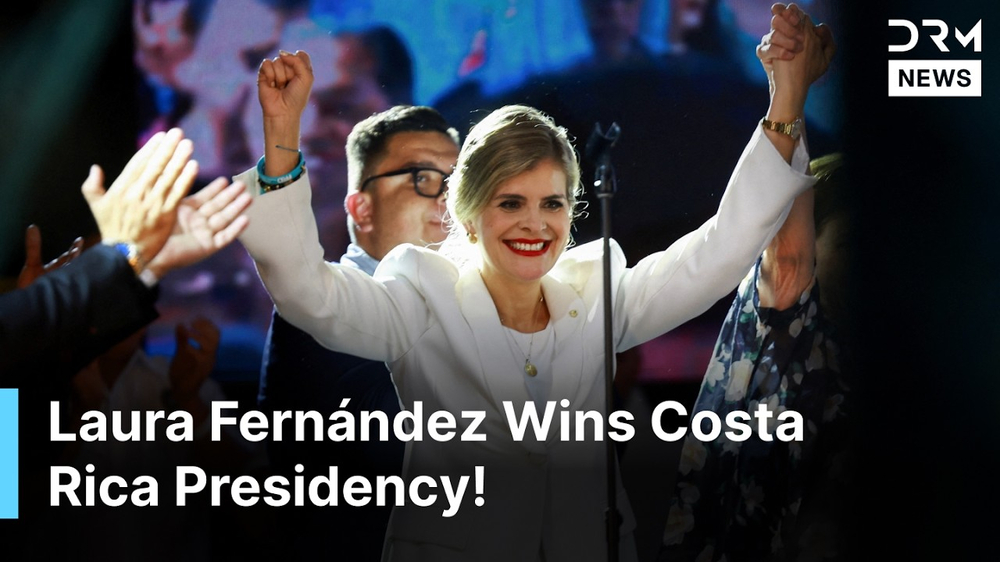
2025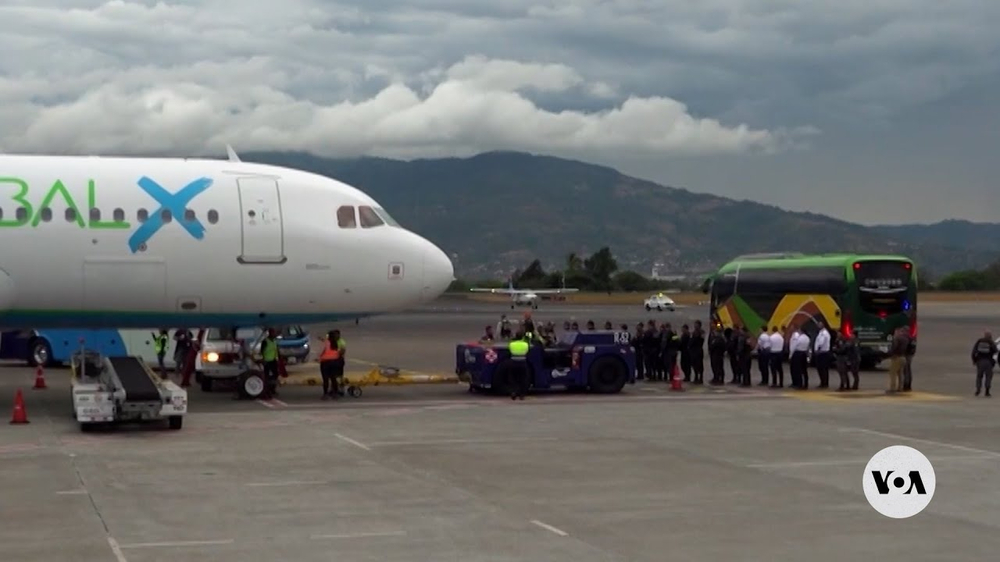
The deportation of 135 migrants from the United States to Costa Rica underscores the ongoing complexities of migration policies between the two countries. This event is part of a larger trend in which the U.S. has been actively managing its borders and addressing the influx of migrants from Central America. The deportation reflects the enforcement of immigration laws and the bilateral agreements in place to facilitate the return of migrants to their home countries.
Costa Rica, known for its relatively stable political climate and economic opportunities compared to its neighbors, has been a destination for many migrants seeking better living conditions. However, the return of these individuals can pose challenges for the Costa Rican government, which must integrate them back into society while addressing their needs for housing, employment, and social services.
The deportation of these migrants is indicative of the broader regional migration challenges faced by Central American countries. Many individuals leave their home countries due to violence, poverty, and lack of opportunities, seeking refuge and a better life in the United States. The U.S. government's actions, including deportations, are part of its strategy to manage migration flows and enforce immigration laws.
Statistics show that the number of deportations has fluctuated over the years, influenced by changes in U.S. immigration policy and enforcement priorities. The impact of these deportations extends beyond the individuals involved, affecting families, communities, and the socio-economic landscape of both the U.S. and Costa Rica. As migration continues to be a pressing issue, the relationship between the two nations will likely evolve, necessitating ongoing dialogue and cooperation to address the root causes of migration and the humanitarian needs of those affected.
View details2023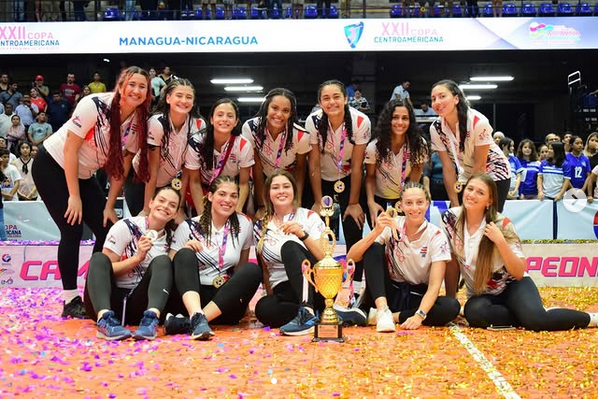
Costa Rica's women's national volleyball team has established itself as the leading team in the Central American region, specifically within the AFECAVOL (Asociación de Federaciones CentroAmericanas de Voleibol) zone. Costa Rica Women clinched their 19th title, their 16th in a row defeating Honduras 3-1 (17-25, 25-17, 25-12, 25-18). This achievement highlights the team's dedication, skill, and competitive spirit, which have been instrumental in their rise to the top. The team's success is not only a testament to the players' hard work but also reflects the support from the coaching staff and the volleyball federation in Costa Rica.
In addition to their indoor volleyball accomplishments, Costa Rica also showcased its talent in beach volleyball, with a women's national team that participated in the 2018–2020 NORCECA Beach Volleyball Continental Cup. This dual focus on both indoor and beach volleyball demonstrates the versatility and depth of talent within Costa Rica's volleyball programs. The continued investment in training and development for female athletes in the country promises a bright future for the sport, as they aim to maintain their status as leaders in Central America and compete on larger international stages.
#CostaRicaVolleyball #Women'sNationalTeam #Afecavol #BeachVolleyball #NorcecaContinentalCup #Mooflife #MomentOfLife
View details2022
In 2022, Costa Rica proudly hosted the FIFA U-20 Women's World Cup, a significant event that showcased the country's commitment to promoting women's football on an international stage. Initially, Costa Rica and Panama were awarded the hosting rights for the 2020 FIFA U-20 Women's World Cup. However, due to the unprecedented challenges posed by the COVID-19 pandemic, the tournament was postponed to 2021. On November 17, 2020, FIFA officially announced that Costa Rica would host the event in 2022.
This decision not only highlighted Costa Rica's growing reputation in the world of football but also provided a platform for young female athletes to shine. The tournament attracted teams from around the globe, fostering a spirit of competition and camaraderie among nations. The successful execution of the event has further enhanced Costa Rica's image as a host for international sporting events, paving the way for future opportunities in the realm of sports tourism and development.
#FifaU-20Women'sWorldCup #CostaRicaFootball #Women'sSports #SportsTourism #Covid-19Impact #Mooflife #MomentOfLife
View detailsCosta Rica has a long-standing tradition of democracy, having held its latest presidential election in 2022, marking the 15th such election since the establishment of its current democratic framework. The country has maintained an uninterrupted democratic process since at least 1948, making it the most stable democracy in the Central American region. The 2022 election was significant as it continued to uphold the democratic values that Costa Rica is known for, including free and fair elections, political pluralism, and respect for human rights. The peaceful transition of power and the active participation of citizens in the electoral process are hallmarks of Costa Rican democracy. This stability has not only fostered a robust political environment but has also contributed to the country's economic growth and social development. As Costa Rica moves forward, it remains committed to strengthening its democratic institutions and ensuring that the voices of its citizens are heard and represented in government. #mooflife #mof #MomentOfLife #CostaRica #PresidentialElection2022 #Democracy #CentralAmerica #PoliticalStability
View details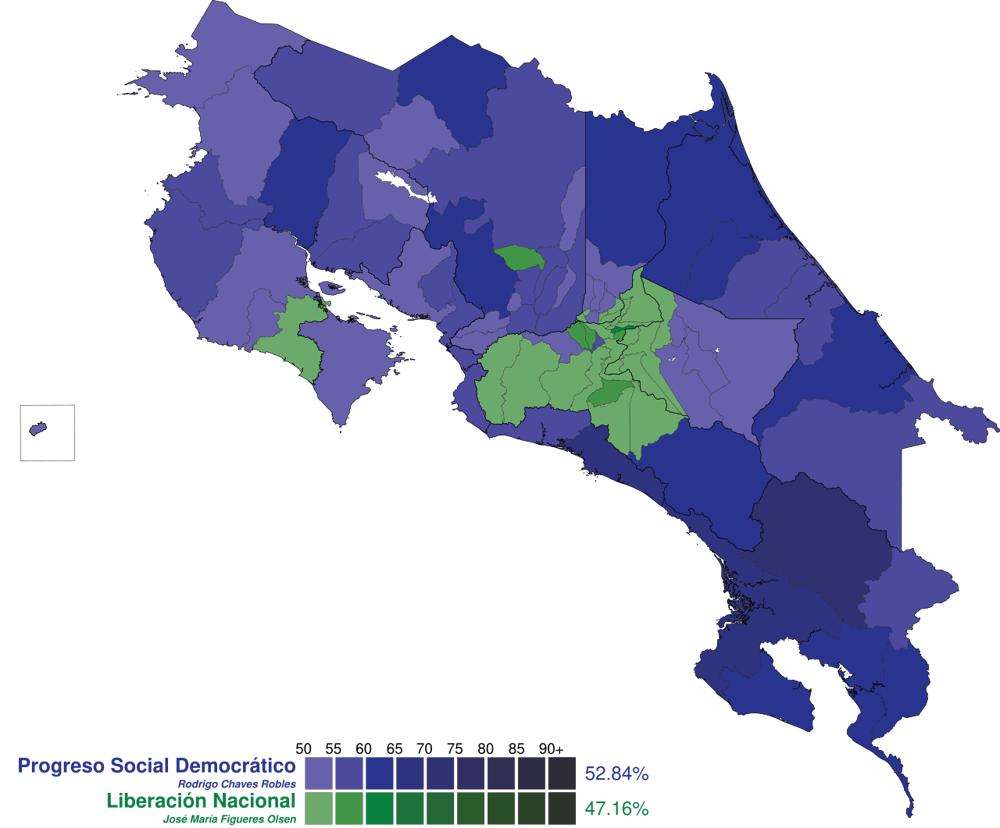
2021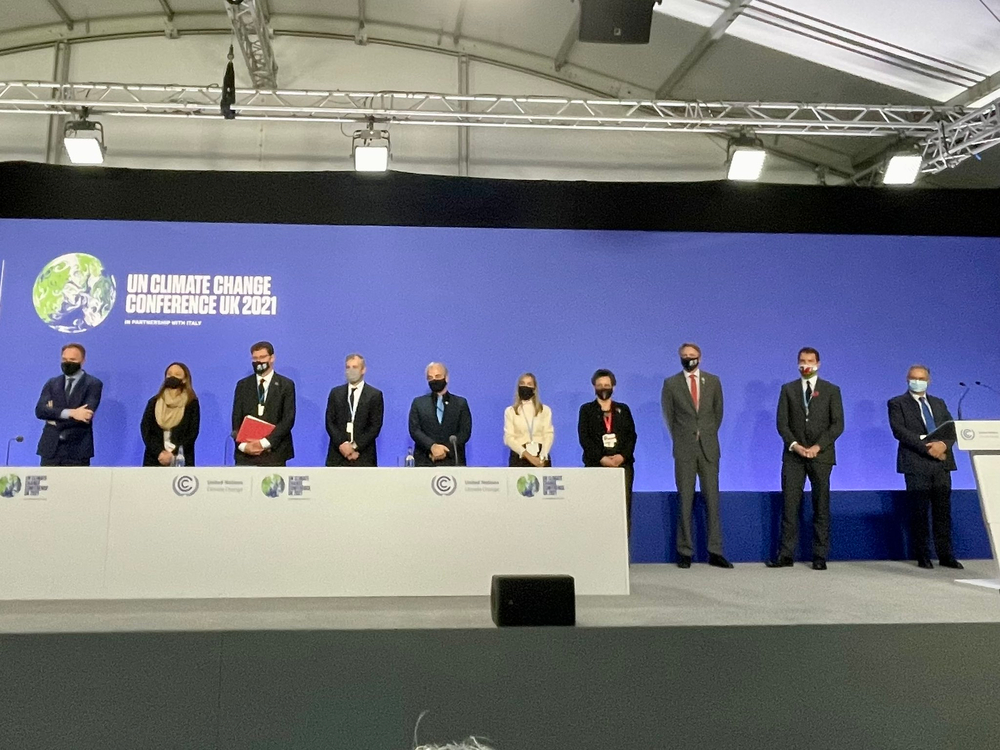
The BOGA campaign, which stands for 'Beyond Oil and Gas Alliance', was prominently presented at the COP26 Climate Summit, highlighting its mission to phase out fossil fuel usage globally. This initiative aims to accelerate the transition to renewable energy sources and combat climate change effectively. Sweden has taken a significant step by joining as a core member of the campaign, demonstrating its commitment to sustainable energy practices.
Additionally, New Zealand and Portugal have joined as associate members, further strengthening the coalition against fossil fuel dependency. The BOGA campaign emphasizes the urgent need for countries to collaborate and implement policies that will lead to a sustainable future, free from the detrimental impacts of fossil fuels. The participation of these nations at COP26 signifies a collective recognition of the climate crisis and the necessity for immediate action to protect our planet for future generations.
#BogaCampaign #Cop26 #FossilFuels #ClimateChange #RenewableEnergy #Mooflife #MomentOfLife
View details2020
By 2020, Costa Rica achieved a remarkable milestone in its energy sector, generating nearly 100% of its electricity from renewable sources. This achievement underscores the country's unwavering commitment to environmental sustainability and its proactive approach to reducing dependence on fossil fuels. The government, alongside private sector stakeholders, has made significant investments in renewable energy infrastructure, focusing on hydroelectric, wind, and geothermal power plants. As a result, Costa Rica not only benefits from a cleaner environment but also positions itself as a global leader in sustainable development.
The country has demonstrated that a transition to renewable energy is not only feasible but also beneficial for economic growth and energy security. With a vision to become carbon neutral by 2021, Costa Rica's efforts serve as an inspiring model for other nations aiming to combat climate change and promote sustainable practices. The success of Costa Rica's renewable energy initiatives highlights the importance of collaboration between government and private entities in achieving ambitious environmental goals.
#CostaRica #RenewableEnergy #SustainableDevelopment #EnvironmentalSustainability #CarbonNeutral
#Mooflife #MomentOfLife
View details2018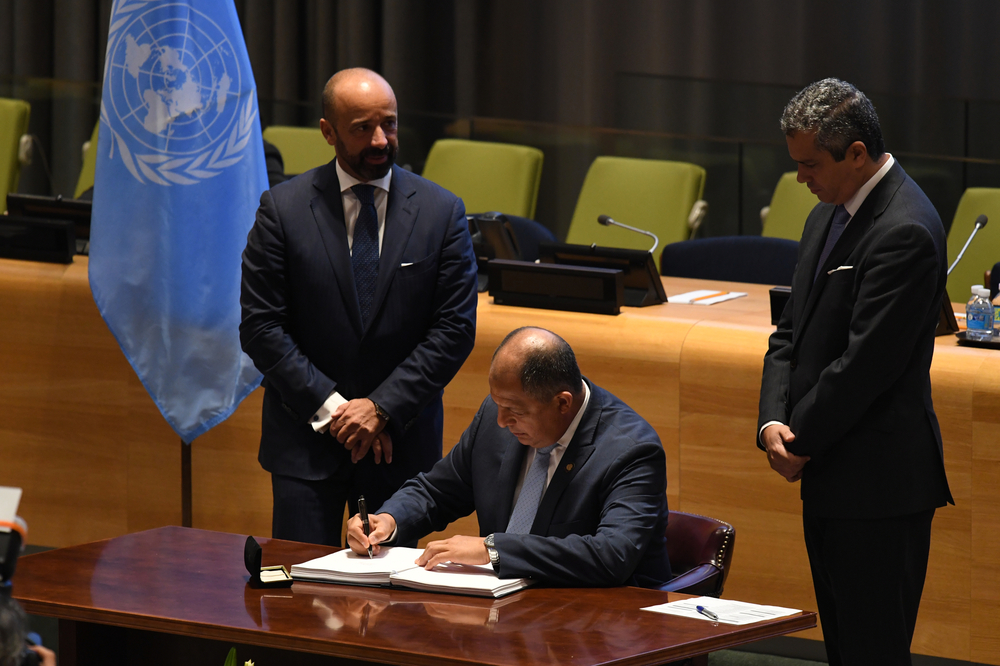
On July 6, 2018, Costa Rica made a significant step in global disarmament by ratifying the Treaty on the Prohibition of Nuclear Weapons, becoming the 11th country to do so. This landmark treaty, adopted by the United Nations in 2017, aims to eliminate nuclear weapons and prevent their proliferation, reflecting a collective commitment to peace and security. Costa Rica's ratification is a testament to its long-standing dedication to non-proliferation and disarmament efforts, reinforcing its position as a leader in promoting global peace initiatives.
The move was met with widespread acclaim from international media and peace organizations, who view Costa Rica's actions as a model for other nations to emulate. By taking this bold step, Costa Rica not only strengthens its own security but also contributes to a safer world, encouraging other countries to join the fight against nuclear armament. This ratification is a crucial part of the global movement towards a nuclear-free future, highlighting the importance of international cooperation in achieving lasting peace.
#CostaRica #NuclearWeaponsTreaty #GlobalDisarmament #Non-proliferation #PeaceInitiatives #Mooflife #MomentOfLife
View details2017
In a significant move to enhance its operational footprint, Okay Industries has announced the expansion of its operations in Costa Rica, with a reinvestment of US$ 2 million. This strategic decision is poised to not only strengthen the company's presence in the region but also contribute positively to the local economy. The expansion is expected to create numerous job opportunities, ranging from skilled positions to entry-level roles, thereby supporting the workforce in Costa Rica.
As Okay Industries continues to grow, it aims to leverage the skilled labor pool and favorable business environment that Costa Rica offers. This initiative aligns with the company's commitment to fostering economic development in the regions where it operates, while also enhancing its production capabilities to meet increasing demand. The expansion is a testament to Okay Industries' confidence in the Costa Rican market and its potential for future growth.
#OkayIndustries #CostaRica #BusinessExpansion #JobCreation #EconomicDevelopment #Mooflife #MomentOfLife
View details2014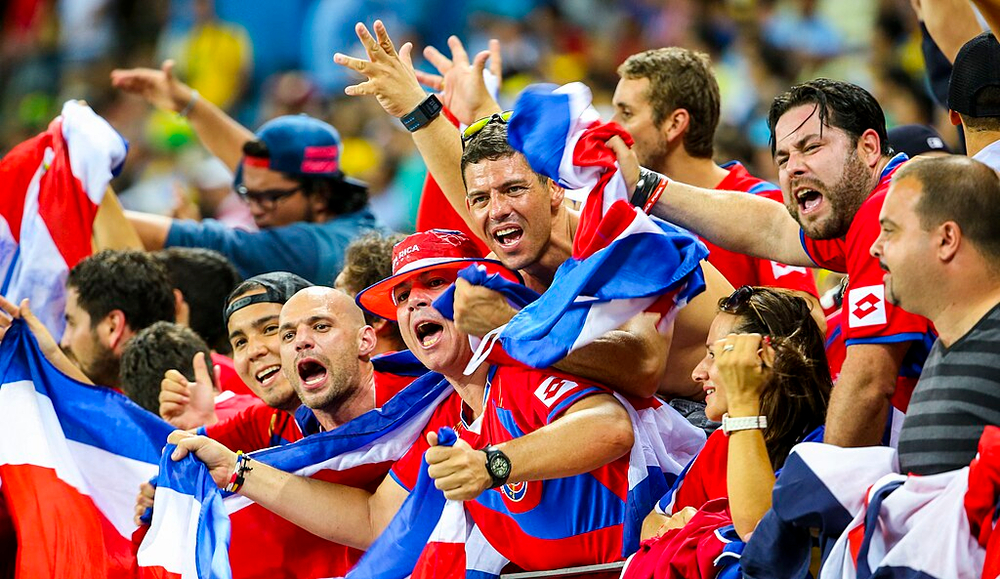
The Costa Rica national football team has made significant strides in the world of football, particularly highlighted by their remarkable performance in the 2014 FIFA World Cup. This tournament marked a historic moment for the team as they reached the quarter-finals for the first time, showcasing their talent and determination on the global stage. Football is the most popular sport in Costa Rica, and the national team has participated in five FIFA World Cup tournaments, with the 2014 edition being a standout.
Prior to this achievement, their best performance in the regional CONCACAF Gold Cup was as runner-up in 2002. A key figure in elevating the profile of Costa Rican football internationally is Paulo Wanchope, a forward who played in England's Premier League during the late 1990s and early 2000s. His contributions have helped enhance the recognition of Costa Rican football, inspiring future generations of players and fans alike. The success of the national team in 2014 not only united the nation but also solidified Costa Rica's place in the footballing world, proving that they are a force to be reckoned with in international competitions.
#CostaRicaFootball #FifaWorldCup2014 #NationalTeam #PauloWanchope #ConcacafGoldCup #Mooflife #MomentOfLife
View details2009
On July 14, 2009, the International Court of Justice (ICJ) in The Hague delivered a significant ruling regarding the navigation rights of Costa Rica on the San Juan River, which serves as a natural border with Nicaragua. The court upheld Costa Rica's rights to navigate the river for commercial purposes, including subsistence fishing, as stipulated in the 1858 treaty that granted such rights. Nicaragua had contested these rights, asserting that Costa Rican vessels and their passengers were required to stop at designated Nicaraguan ports, present identity documents, and adhere to specific timetables.
Furthermore, Nicaragua sought to impose regulations requiring Costa Rican boats to display its flag, although it could not charge fees for departure clearance. This ruling was pivotal in clarifying the navigation rights and ensuring that Costa Rica could exercise its rights without undue restrictions, thereby reinforcing international law and the principles of free navigation in shared waterways.
#InternationalCourtOfJustice #CostaRica #Nicaragua #NavigationRights #SanJuanRiver #Mooflife #MomentOfLife
View detailsOn March 18, 2009, Costa Rica made a significant diplomatic move by re-establishing ties with Cuba, ending a nearly five-decade-long break in relations. This decision marked a pivotal shift in Costa Rica's foreign policy, emphasizing a commitment to fostering regional cooperation and dialogue. The re-establishment of diplomatic relations was met with enthusiasm from both nations, signaling a desire to enhance collaboration in various sectors, including trade, tourism, and cultural exchange.
Costa Rica's approach reflects a broader trend in Latin America towards engagement and dialogue with Cuba, aiming to strengthen ties within the region. The renewed relationship is expected to open new avenues for economic partnerships and cultural interactions, benefiting both countries and contributing to a more integrated Central American community. As Costa Rica and Cuba embark on this new chapter, the potential for mutual growth and understanding appears promising, paving the way for a more cooperative future in the region.
#CostaRica #Cuba #DiplomaticRelations #RegionalCooperation #CulturalExchange #Mooflife #MomentOfLife
View details2007
On June 1, 2007, Costa Rica made a significant diplomatic shift by breaking ties with Taiwan and recognizing the People's Republic of China (PRC). This decision marked Costa Rica as the first Central American nation to take such a step. President Óscar Arias Sánchez acknowledged that the move was largely driven by economic necessities, reflecting the growing influence of China in the region. In a gesture of goodwill and investment, the PRC subsequently funded the construction of a $100 million state-of-the-art football stadium located in Parque la Sabana, San José.
The project involved approximately 600 Chinese engineers and laborers, showcasing a collaborative effort between the two nations. The stadium was inaugurated in March 2011, highlighted by a friendly match between the national teams of Costa Rica and China, symbolizing the new diplomatic relationship and economic partnership forged between the two countries.
#CostaRica #Taiwan #China #DiplomaticRelations #EconomicDevelopment #Mooflife #MomentOfLife
View details1988
Sylvia Poll made history at the 1988 Seoul Olympics by becoming the first Costa Rican athlete to ever win an Olympic medal. Competing in the women’s 200-meter freestyle swimming event, Poll showcased her incredible talent and determination, securing a silver medal for her country. Her achievement was groundbreaking, as it placed Costa Rica on the Olympic podium for the very first time. Poll’s performance in the pool was a testament to her years of hard work and dedication, and her silver medal victory remains one of the most iconic moments in Costa Rican sports history.
Her success in Seoul not only inspired a new generation of athletes in Costa Rica but also highlighted the potential of Central American competitors on the global stage. Sylvia Poll’s legacy continues to influence aspiring swimmers and sports enthusiasts across the region. Her historic achievement paved the way for future Costa Rican Olympians, including her younger sister Claudia Poll, who would go on to win gold at the 1996 Atlanta Olympics. Sylvia’s silver medal remains a symbol of perseverance, excellence, and national pride, forever marking her place in the annals of Olympic history.
#SylviaPoll #OlympicHistory #CostaRicaPride #SwimmingLegend #Seoul1988 #SilverMedalist #Inspiration #SportsLegacy #MomentsOfLife #MoofLife_Moment #MoofLife
View details1987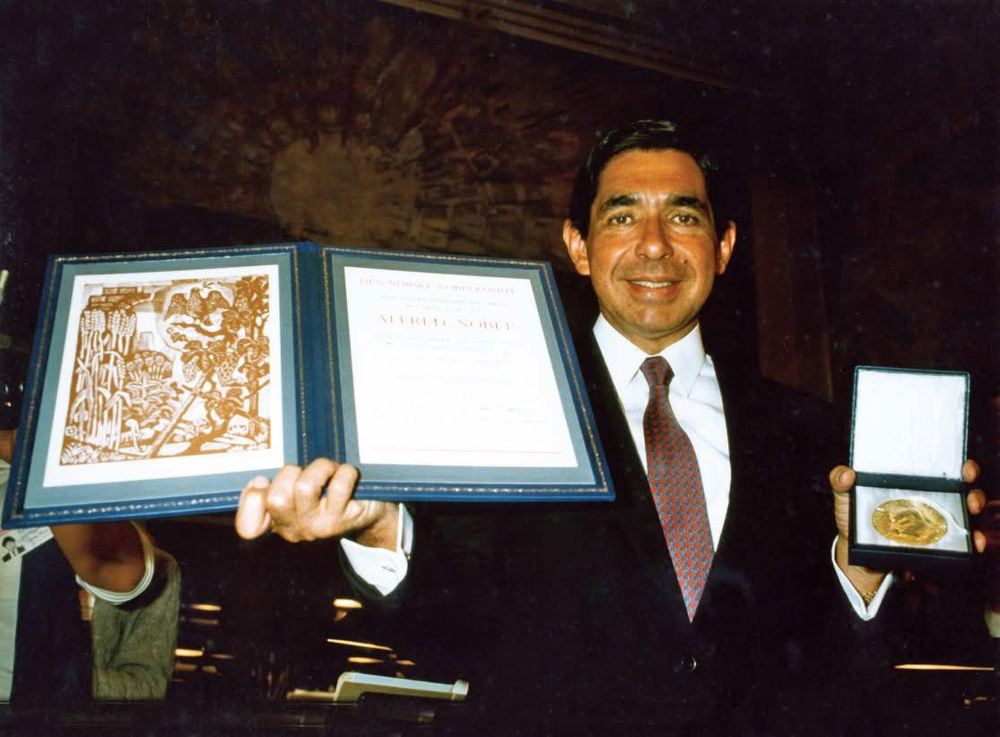
In 1987, Costa Rican President Óscar Arias Sánchez was awarded the Nobel Peace Prize for his pivotal role in addressing the Central American crisis. His commitment to peace and diplomacy culminated in the formulation of the Esquipulas II Accord, a comprehensive peace plan aimed at resolving conflicts in Central America, particularly in Nicaragua, El Salvador, and Guatemala. The Accord emphasized the importance of dialogue, democratic governance, and respect for human rights, serving as a framework for negotiations among the warring factions in the region.
Arias's efforts not only contributed to the cessation of hostilities but also laid the groundwork for democratic reforms and stability in the region. His recognition as a Nobel laureate highlighted the significance of peaceful conflict resolution and the role of leadership in fostering harmony among nations. The Esquipulas II Accord remains a landmark achievement in the pursuit of peace in Central America, showcasing the potential for diplomacy to overcome deep-rooted divisions and violence.
#NobelPeacePrize #ÓscarAriasSánchez #EsquipulasIiAccord #CentralAmericanCrisis #PeaceDiplomacy #Mooflife #MomentOfLife
View details1968
In 1968, Costa Rica made a significant contribution to global governance by signing an agreement to convene a World Constituent Assembly. This historic event marked the first time in human history that a convention was organized to draft and adopt a constitution for a global federation. The agreement was signed by Francisco Orlich Bolmarcich, who was the president of Costa Rica at the time, along with two former presidents, José Figueres Ferrer and Otilio Ulate Blanco. The assembly aimed to create a Constitution for the Federation of Earth, reflecting a vision for a more unified and cooperative international community. This initiative underscored Costa Rica's commitment to peace, democracy, and international collaboration, values that have long been central to its national identity. The convening of the World Constituent Assembly was a pivotal moment in the pursuit of global governance and remains a notable chapter in the history of international law and relations. #mooflife #mof #MomentOfLife #WorldConstituentAssembly #CostaRica #GlobalGovernance #FederationOfEarth #InternationalCollaboration
View details1961
On September 10, 1961, Costa Rican President Mario Echandi made a significant decision to end diplomatic relations with Cuba, following Fidel Castro's declaration of Cuba as a socialist state. This action was formalized through Executive Decree Number 2, marking a pivotal moment in Costa Rica's foreign policy. The diplomatic freeze lasted for an extensive period of 47 years, reflecting the broader geopolitical tensions of the Cold War era. It wasn't until March 18, 2009, that relations were restored under President Óscar Arias Sánchez.
In his announcement, Arias emphasized the importance of geographical and cultural proximity, stating, 'If we have been able to turn the page with regimes as profoundly different to our reality as occurred with the USSR or, more recently, with the Republic of China, how would we not do it with a country that is geographically and culturally much nearer to Costa Rica?' This restoration included the exchange of ambassadors, symbolizing a new chapter in Costa Rican-Cuban relations and a shift towards diplomatic engagement in the region.
#CostaRica #Cuba #DiplomaticRelations #FidelCastro #ÓscarAriasSánchez #Mooflife #MomentOfLife
View details1948
On December 1, 1948, Costa Rica made a historic decision to abolish its military force, marking a significant shift in its national policy towards peace and social development. This decision was formalized in 1949 with the introduction of Article 12 in the Costa Rican Constitution, which enshrined the country's commitment to a military-free existence. The funds that were previously allocated to military expenditures have since been redirected towards enhancing public services, particularly in health care and education. This strategic reallocation has contributed to Costa Rica's reputation as a stable democracy with progressive social policies, including free and compulsory public education. The country is also recognized for its high levels of social well-being and a strong emphasis on environmental protection.
For law enforcement, Costa Rica relies on the Public Force of Costa Rica, a police agency that maintains internal security without the need for a military. In a further commitment to global peace, Costa Rica signed the UN treaty on the Prohibition of Nuclear Weapons in 2017, reinforcing its dedication to disarmament and international cooperation. Costa Rica's unique approach to governance and social policy serves as a model for other nations seeking to prioritize peace and development over militarization.
#CostaRica #AbolitionOfMilitary #Peace #SocialDevelopment #EnvironmentalProtection #Mooflife #MomentOfLife
View detailsThe Costa Rican Civil War of 1948 was a pivotal moment in the nation's history, marked by a violent uprising led by José Figueres Ferrer. The conflict arose from a disputed presidential election between Rafael Ángel Calderón Guardia and Otilio Ulate Blanco, which ignited tensions across the country. Over the course of 44 days, the civil war resulted in more than 2,000 fatalities, making it the bloodiest event in Costa Rica during the 20th century. The rebels, emerging victorious, established a government junta that took significant steps towards reform.
One of their most notable actions was the abolition of the military, a radical move that set Costa Rica apart from many of its Central American neighbors. The junta also oversaw the drafting of a new constitution, which was created by a democratically elected assembly. After implementing these reforms, the junta transferred power to Otilio Ulate on November 8, 1949, marking a new chapter in Costa Rican democracy. This period not only reshaped the political landscape but also laid the groundwork for a peaceful and stable nation, emphasizing social welfare and democratic governance in the years to come.
#CostaRicanCivilWar #JoséFigueresFerrer #OtilioUlateBlanco #RafaelÁngelCalderónGuardia #CostaRicaHistory #Mooflife #MomentOfLife
View details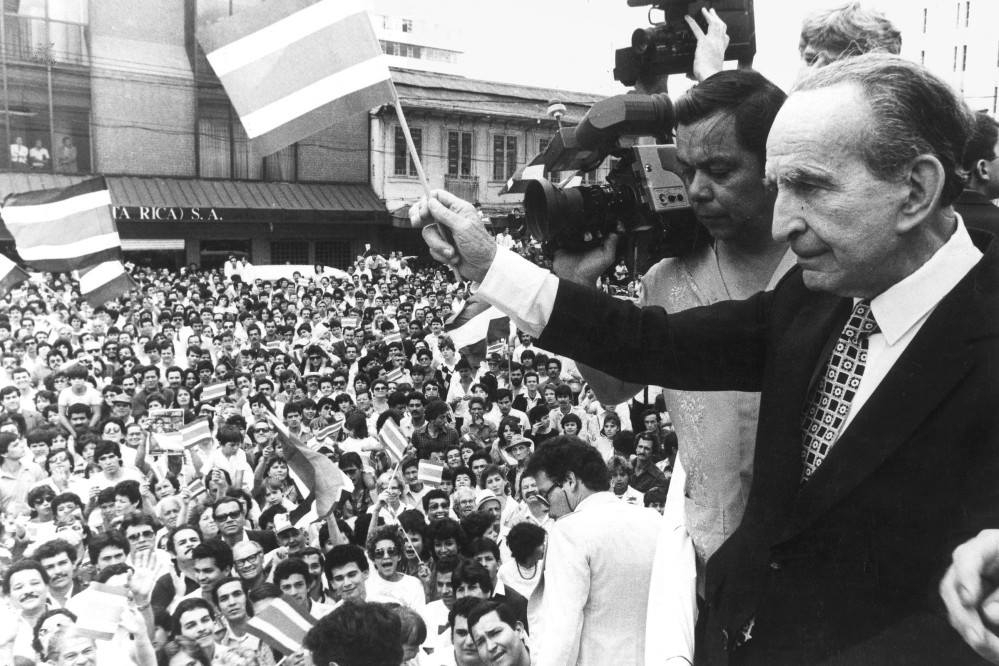
1936
In 1936, Costa Rica made its debut at the Summer Olympics, marking a significant milestone in the country's sports history. This inaugural participation laid the foundation for future athletes to represent Costa Rica on the global stage. Among the most notable athletes in Costa Rican Olympic history are the Poll sisters, Silvia and Claudia, who have made remarkable contributions to the nation's swimming achievements. Together, they have secured all four of Costa Rica's Olympic medals in swimming, showcasing their exceptional talent and dedication to the sport.
Silvia Poll won a Gold medal, while Claudia Poll earned a Silver and two Bronze medals, highlighting their prowess in the pool. Their achievements not only brought pride to Costa Rica but also inspired future generations of athletes in the country. The legacy of the Poll sisters continues to resonate, as they remain icons in Costa Rican sports, demonstrating the potential for success on an international level. As Costa Rica continues to participate in the Olympics, the spirit of competition and the pursuit of excellence remain strong, fueled by the achievements of pioneers like the Poll sisters.
#CostaRicaOlympics #SilviaPoll #ClaudiaPoll #OlympicMedals #Swimming #Mooflife #MomentOfLife
View details1934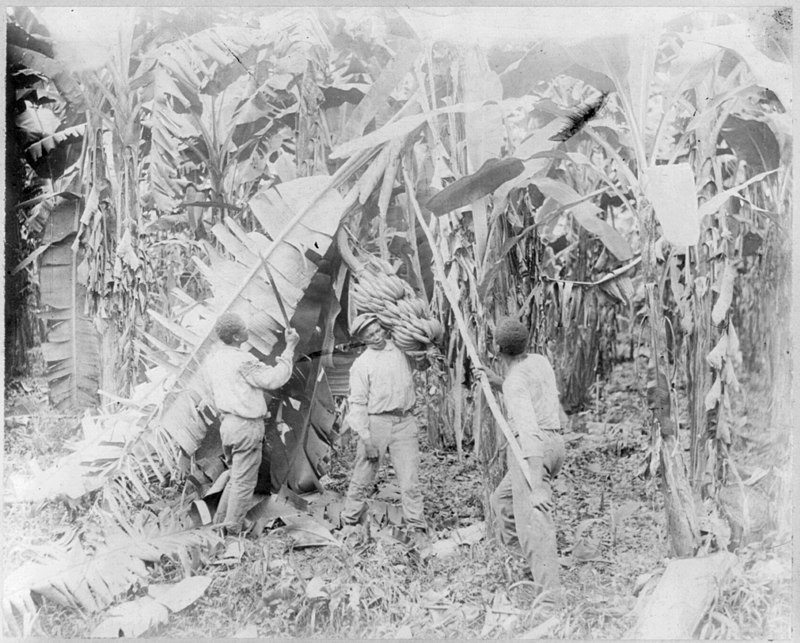
The Great Banana Strike marked a pivotal moment in Costa Rica's labor history, representing a significant labor dispute between the local peasants and the United Fruit Company. This strike was not merely a reaction to poor working conditions and low wages; it symbolized the broader struggle against the exploitative practices of foreign companies that dominated the agricultural sector. The United Fruit Company, which had established a stronghold in the region, faced mounting pressure from workers demanding better treatment and fair compensation.
The strike culminated in a collective agreement between the company and its workers, a landmark achievement that laid the groundwork for the formation of effective trade unions in Costa Rica. This event not only highlighted the plight of agricultural workers but also sparked a movement towards labor rights and social justice in the country. The legacy of the Great Banana Strike continues to influence labor relations and union activities in Costa Rica today, serving as a reminder of the power of collective action in the face of exploitation.
#Mooflife #MomentOfLife #GreatBananaStrike #CostaRicaHistory #LaborRights #UnitedFruitCompany #TradeUnions
View details1917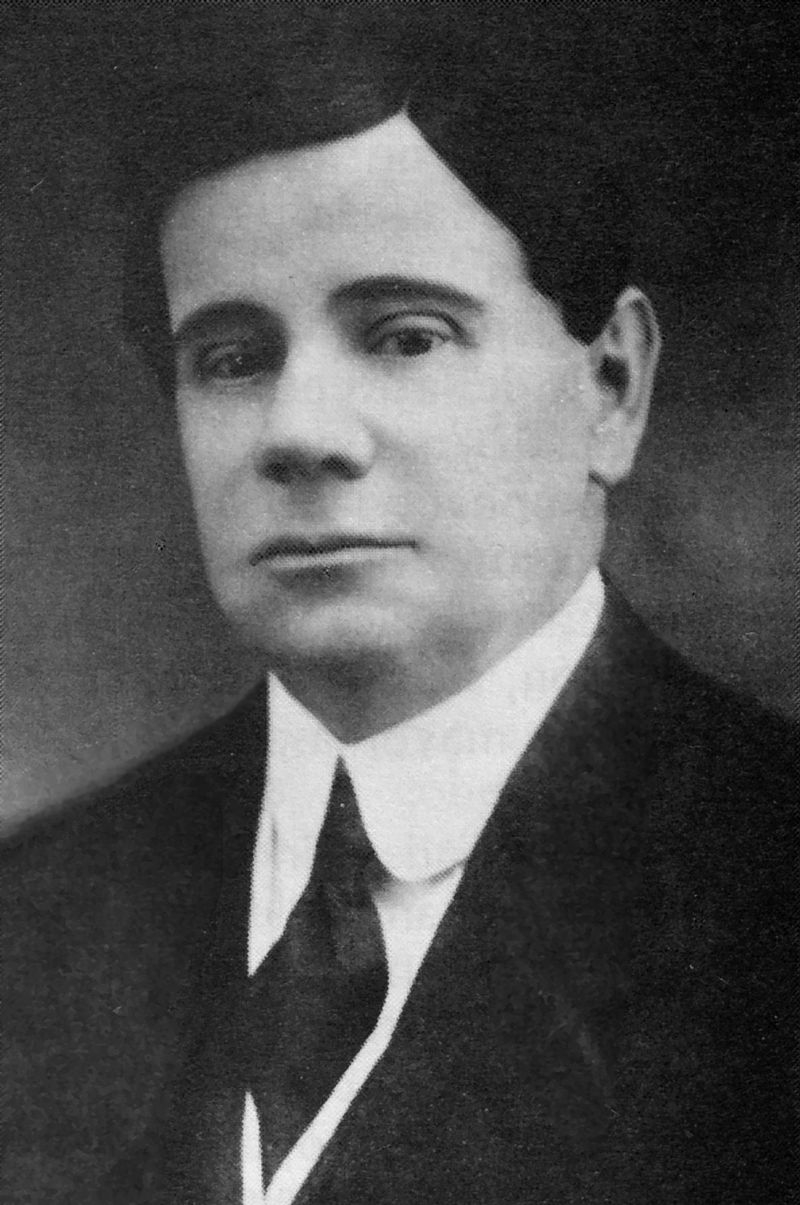
From 1917 to 1919, General Federico Tinoco Granados ruled Costa Rica as a military dictator. His regime was marked by widespread unpopularity, which stemmed from his authoritarian governance and the suppression of political dissent. Tinoco's rule was characterized by a concentration of power and a disregard for democratic principles, leading to significant civil unrest. The discontent among the populace culminated in his overthrow in 1919, which forced him into exile. The aftermath of Tinoco's dictatorship had lasting implications for the Costa Rican military. Following his ousting, there was a notable decline in the size, wealth, and political influence of the military establishment in the country.
This shift paved the way for a more democratic governance structure in Costa Rica, as the military's role in politics diminished significantly. The legacy of Tinoco's dictatorship serves as a critical chapter in Costa Rican history, illustrating the challenges of military rule and the resilience of democratic movements. The events surrounding his regime and subsequent overthrow laid the groundwork for future political developments in the nation, including the eventual rise of leaders like José Figueres Ferrer, who would further shape Costa Rica's political landscape in the mid-20th century.
#FedericoTinocoGranados #CostaRica #MilitaryDictatorship #PoliticalHistory #Democracy #Mooflife #MomentOfLife
View details1890
In the 1870s, the Costa Rican government contracted with U.S. businessman Minor C. Keith to build a railroad from San José to the Caribbean port of Limón. Despite enormous difficulties with construction, disease, and financing, the railroad was completed in 1890. Most Afro-Costa Ricans descend from Jamaican immigrants who worked in the construction of that railway and now make up about 3% of Costa Rica's population. U.S. convicts, Italians, and Chinese immigrants also participated in the construction project.
In exchange for completing the railroad, the Costa Rican government granted Keith large tracts of land and a lease on the train route, which he used to produce bananas and export them to the United States. As a result, bananas came to rival coffee as the principal Costa Rican export, while foreign-owned corporations (including the United Fruit Company later) began to hold a major role in the national economy and eventually became a symbol of the exploitative export economy.
#BananaEmpire #EconomicTransformation #MinorCKeith #UnitedFruitCompany #AfroCostaRicanHeritage #GlobalTradeImpact #Mooflife #MomentsOfLife
View details1848
Costa Rica's journey to independence is a significant chapter in its history. Initially, the region was part of the First Mexican Empire, which provided a framework for its early governance. However, this arrangement was short-lived, and Costa Rica soon became a member of the Federal Republic of Central America. The political landscape of Central America during this period was tumultuous, with various factions vying for power. In 1847, Costa Rica formally declared its independence from the Federal Republic, marking a pivotal moment in its quest for sovereignty.
This declaration not only signified the end of colonial rule but also set the stage for Costa Rica to develop its own national identity and governance structures. The independence movement was fueled by a desire for self-determination and the establishment of a stable political environment. Following its independence, Costa Rica faced challenges, including internal conflicts, but it ultimately emerged as a stable and democratic nation in the region. The year 1847 is celebrated as a foundational moment in Costa Rican history, symbolizing the resilience and aspirations of its people for a sovereign future.
#CostaRicaIndependence #CentralAmericaHistory #Sovereignty #1847 #CostaRicanNationalIdentity #Mooflife #MomentOfLife
View details1846
In 1846, the construction of the main road to the Pacific port of Puntarenas marked a significant milestone in Costa Rica's transportation infrastructure. This development was essential for facilitating the export of coffee, a key agricultural product, from the Central Plateau, where it was predominantly cultivated. The road enabled efficient transportation of coffee from the main population centers to the port, thereby enhancing trade opportunities and economic growth.
By the mid-1850s, Britain emerged as the primary market for Costa Rican coffee, underscoring the importance of this route in connecting local producers with international markets. The establishment of this road not only improved access to the Pacific but also laid the groundwork for future transportation projects aimed at linking the Central Plateau with the Atlantic Ocean. The strategic development of transportation routes continued to be a priority for the Costa Rican government, particularly in the 1870s when efforts were made to further enhance trade capabilities. Overall, the construction of the main road to Puntarenas was a pivotal step in the evolution of Costa Rica's economy and its integration into global trade networks.
#Puntarenas #CostaRica #CoffeeExport #TransportationInfrastructure #EconomicDevelopment #Mooflife #MomentOfLife
View details1831
In 1838, Costa Rica formally proclaimed its sovereignty, marking a significant moment in its history as it withdrew from the Federal Republic of Central America. This decision was influenced by the considerable geographical distance and inadequate communication routes between Guatemala City and the Central Plateau, where the majority of Costa Rica's population resided. The local populace had little allegiance to the federal government in Guatemala, which had ceased to function effectively in practice.
Historically, Costa Rica has shown a reluctance to economically integrate with its Central American neighbors, a trend that continues to this day. Despite regional efforts to promote integration, Costa Rica has maintained a more independent stance, prioritizing its own national interests over collective regional ties. This independence has shaped Costa Rica's political and economic landscape, allowing it to develop a unique identity within Central America.
#CostaRica #Sovereignty #CentralAmerica #History #Independence #Mooflife #MomentOfLife
View details1824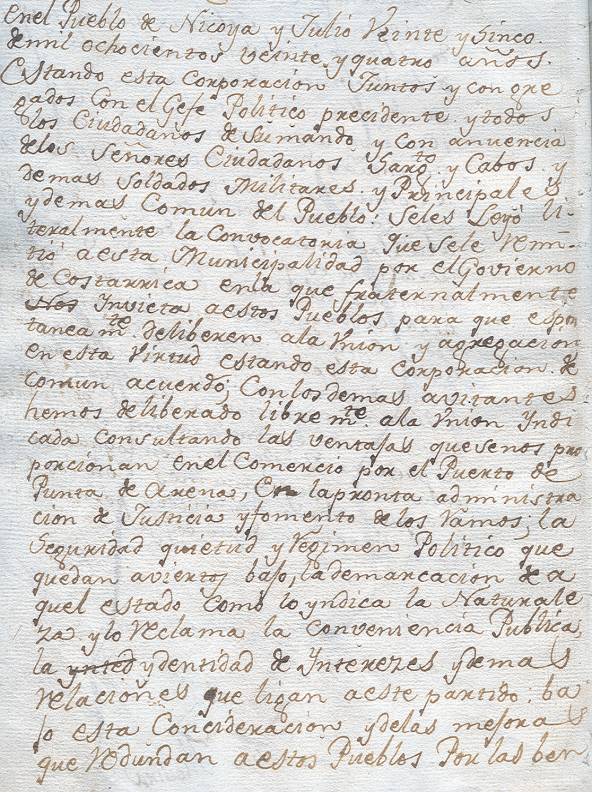
On July 25, 1824, a second plebiscite was called in the city of Nicoya. After deliberation, the incorporation into Costa Rica was decided in an open town hall meeting, preparing a record in which the main reasons for it were noted, pointing out the advantages in terms of trade, the desire to participate in the advances that are palpable in Costa Rica, the economic, administrative and public service benefits, the creation of schools, security and quiet, referring to the state of war that Nicaragua was experiencing at that time and the fear that it would spread to the Partido populations, in addition to pointing out the poverty in which its towns find themselves and the geography of the territory as justifications for the union. Three days later, another similar plebiscite was held in Santa Cruz, with the same result. The election was by majority vote, with 77% of the Party's population in favor of incorporation, and 23% against it. The town of Guanacaste was the only one that declined annexation, due to the ties its residents had with the city of Rivas, Nicaragua.
#GuanacasteAnnexation #CulturalHeritage #RegionalUnity #HistoricalMilestones #MoofLife #MomentsOfLife
View details1823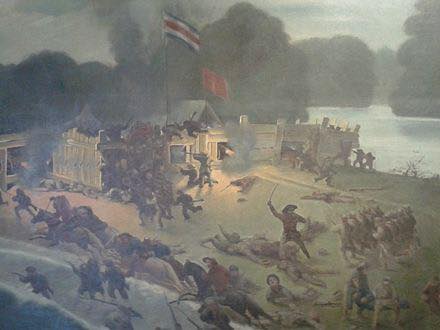
In 1823, Costa Rica faced a pivotal moment in its early history as it grappled with the question of its future following independence. The nation was divided into two factions: the Imperialists, primarily supported by the cities of Cartago and Heredia, who advocated for joining the Mexican Empire, and the Republicans, represented by San José and Alajuela, who sought full independence. This ideological divide led to the outbreak of the first civil war in Costa Rica. The conflict culminated in the Battle of Ochomogo, fought on the Hill of Ochomogo in the Central Valley. The Republicans emerged victorious, which resulted in significant political changes, including the loss of Cartago's status as the capital, which was transferred to San José. This battle not only marked a turning point in Costa Rican politics but also laid the groundwork for the country's future as an independent nation. #mooflife #mof #MomentOfLife #CostaRica #CivilWar #BattleOfOchomogo #Republicans #Imperialists
View details1821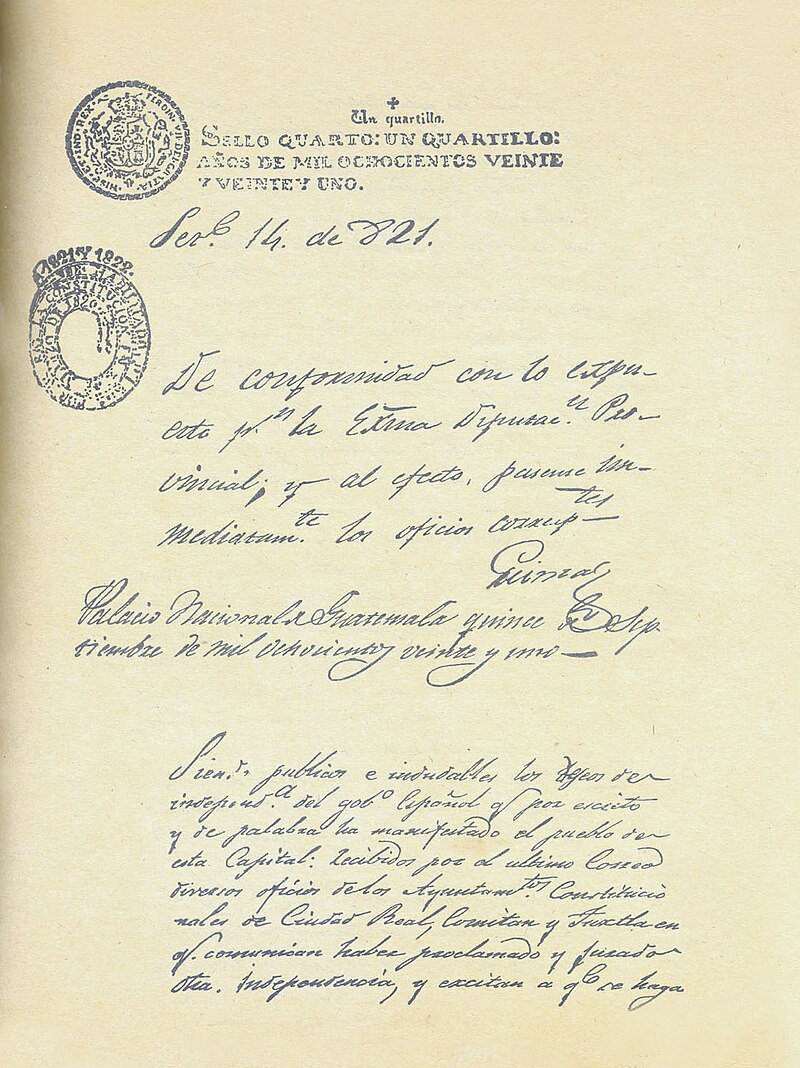
On September 15, 1821, Central America declared its independence from Spain, marking a significant turning point in the region's history. This declaration came after the final Spanish defeat in the Mexican War of Independence, which lasted from 1810 to 1821. The authorities in Guatemala took the lead in proclaiming independence for all Central American provinces, which included present-day Costa Rica, Nicaragua, El Salvador, Honduras, and Guatemala itself. Although Costa Rica and Nicaragua had already gained a degree of autonomy under the Spanish Constitution of 1812, the declaration of independence unified the region in its quest for self-governance.
Today, September 15 is celebrated as Independence Day in Costa Rica, symbolizing the nation's commitment to freedom and sovereignty. The historical significance of this day is a reminder of the struggles faced by Central American nations in their pursuit of independence and the lasting impact of colonialism in the region.
#CentralAmerica #IndependenceDay #CostaRica #SpanishColonialism #MexicanWarOfIndependence #Mooflife #MomentOfLife
View details