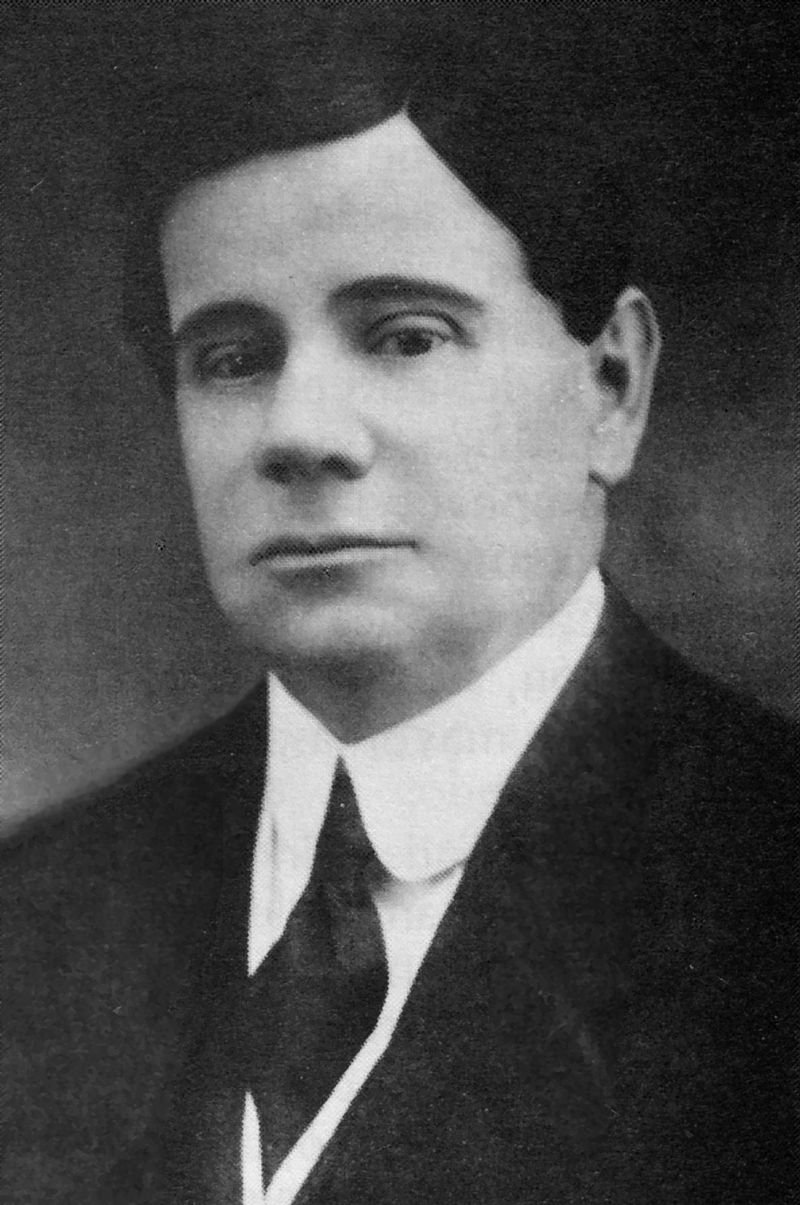
General Federico Tinoco Granados' Rule Begins
Costa Rica
Military
Political Science
3 min read
Updated By: History Editorial Network (HEN)
Published:
Updated:
From 1917 to 1919, General Federico Tinoco Granados ruled Costa Rica as a military dictator. His regime was marked by widespread unpopularity, which stemmed from his authoritarian governance and the suppression of political dissent. Tinoco's rule was characterized by a concentration of power and a disregard for democratic principles, leading to significant civil unrest. The discontent among the populace culminated in his overthrow in 1919, which forced him into exile. The aftermath of Tinoco's dictatorship had lasting implications for the Costa Rican military. Following his ousting, there was a notable decline in the size, wealth, and political influence of the military establishment in the country.
This shift paved the way for a more democratic governance structure in Costa Rica, as the military's role in politics diminished significantly. The legacy of Tinoco's dictatorship serves as a critical chapter in Costa Rican history, illustrating the challenges of military rule and the resilience of democratic movements. The events surrounding his regime and subsequent overthrow laid the groundwork for future political developments in the nation, including the eventual rise of leaders like José Figueres Ferrer, who would further shape Costa Rica's political landscape in the mid-20th century.
#FedericoTinocoGranados #CostaRica #MilitaryDictatorship #PoliticalHistory #Democracy #Mooflife #MomentOfLife

Explore the Life Moments of
 AI Twin