
Costa Rica

Land of Eternal Spring
Related Lives

Gregorian calendar
The New Style calendar

Roman Empire
Imperium Romanum

Romania
The Gateway to the Balkans

Turkmenistan
The Land of the Eternal Flame.

President of the Republic of Panama
Head of the State

The Presidents of the United States
Head of State

Colombia
Land of Diversity and Beauty

Georgia
The Crossroads of Europe and Asia

1522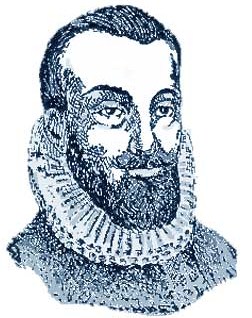
In 1522, the Spanish conquistador Gil González Dávila made a significant landing on the west coast of Costa Rica, marking a pivotal moment in the region's history. His expedition was characterized by encounters with local indigenous populations, during which he acquired gold through a combination of violent theft and diplomatic exchanges with local leaders. This initial contact not only facilitated the acquisition of wealth for the Spanish but also laid the groundwork for the subsequent colonization of Costa Rica.
The actions of González Dávila and his men exemplified the broader patterns of Spanish conquest in the Americas, where the pursuit of gold often led to the exploitation and subjugation of native peoples. The legacy of this expedition is a complex tapestry of cultural exchange, conflict, and the eventual establishment of Spanish colonial rule in the region. As Costa Rica evolved under Spanish influence, the initial encounters set the stage for the profound transformations that would shape its future society and economy.
#GilGonzálezDávila #SpanishColonization #CostaRicaHistory #Conquistador #IndigenousEncounters #Mooflife #MomentOfLife
View details1502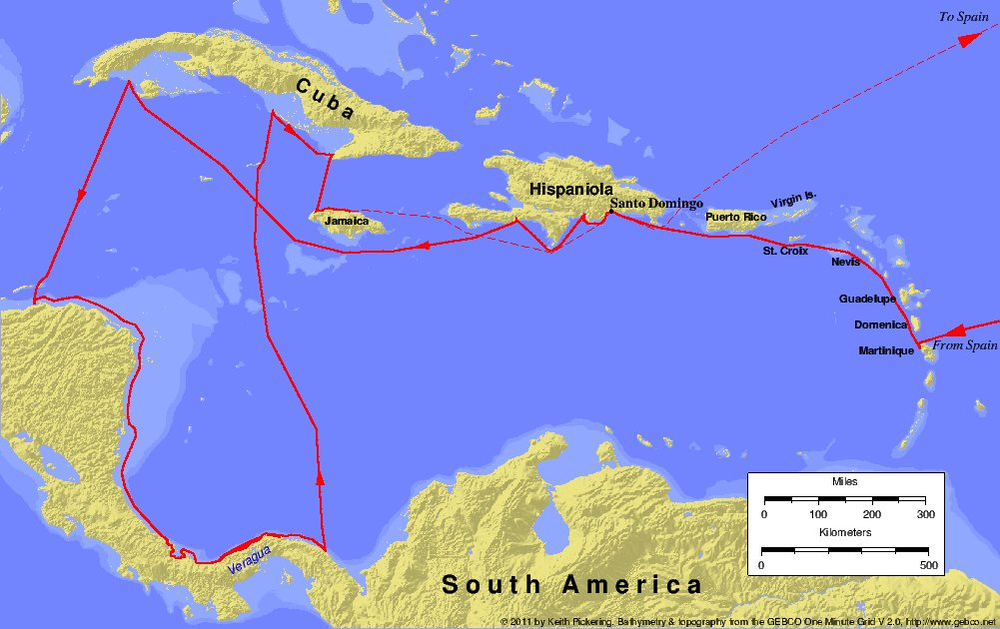
In 1502, Christopher Columbus embarked on his final voyage, during which he made significant discoveries along the eastern shores of Costa Rica. This journey marked a pivotal moment in the history of the region, as Columbus reported encountering indigenous peoples adorned with vast quantities of gold jewelry. His observations led to the naming of the area as 'la costa rica,' which translates to 'rich coast' in Spanish. This name was indicative of the perceived wealth and resources that the region possessed, particularly in terms of gold.
Columbus's voyage not only highlighted the riches of Costa Rica but also set the stage for future Spanish exploration and colonization in Central America. The allure of gold and the potential for wealth would attract many explorers and settlers to the region in the years that followed, ultimately shaping the course of Costa Rican history and its cultural landscape.
Christopher Columbus first dropped anchor in Costa Rica in 1503 at Isla Uvita. His forces overcame the indigenous people. He incorporated the territory into the Captaincy General of Guatemala as a province of New Spain in 1524.
#ChristopherColumbus #CostaRica #SpanishColonization #RichCoast #1502Voyage #Mooflife #MomentOfLife
View details