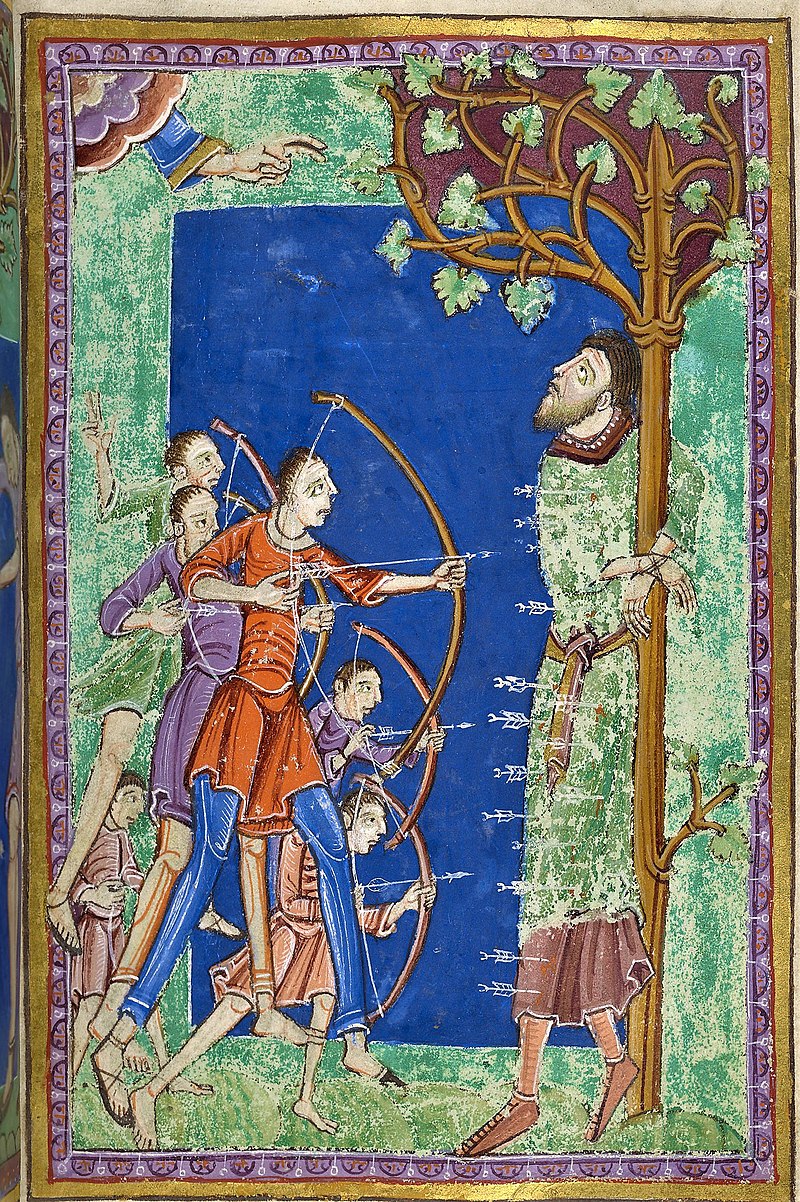
King Edmund's Anointment: Symbol of Divine Approval and Unity in East Anglia.
Bethlehem
Political
Religious
4 min read
Updated By: History Editorial Network (HEN)
Published:
Updated:
King Edmund the Martyr ascended to the throne on a Christmas Day, marking his formal anointment. The event took place in East Anglia, one of the Anglo-Saxon kingdoms in what is now eastern England. Edmund succeeded Æthelweard and was recognized for his Christian faith and piety. During this period, European monarchs were often anointed on significant religious occasions to emphasize divine blessing on their reign.
This ceremonial act symbolized the divine approval of Edmund’s rule and underscored the connection between the church and the monarchy. The Christian church played a crucial role in legitimizing kings, and anointment ceremonies were seen as acts of religious as well as political importance. The bishops and nobles present during the ceremony reinforced the unity of secular and ecclesiastical powers.
Edmund's reign was characterized by the increasing threat from Viking invasions. His anointment was a pivotal instance that aligned him with the ecclesiastical authorities, strengthening his position against the external pressures. Edmund is remembered for his resistance against the Vikings, though he ultimately met martyrdom at their hands.
The impact of his anointment on Christmas Day reverberated through history, solidifying his legacy as a devoted Christian martyr king. Edmund’s leadership and martyrdom were later celebrated, and he was canonized for his unwavering faith and sacrifice. His death led to his veneration, and several churches were dedicated in his honor throughout England.
#MoofLife #KingEdmund #MedievalHistory #AngloSaxon #Christianity #VikingInvasions #RoyalAnointment #MonarchyAndChurch #EarlyMiddleAges
Primary Reference
Appleton Royal ancestry - Genealogy.com

Explore the Life Moments of
 AI Twin