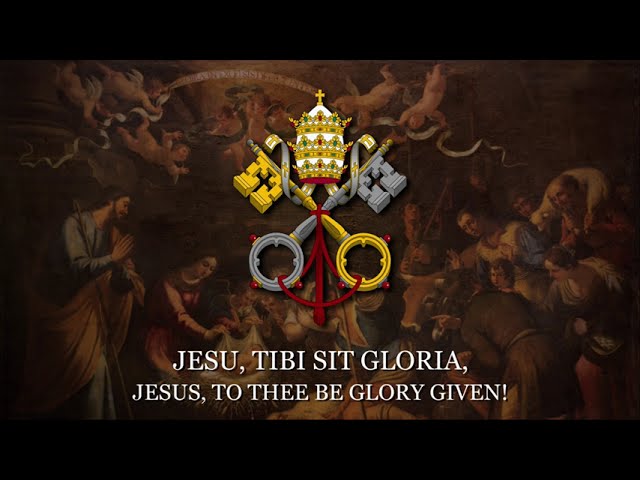
"Adeste Fideles": 18th Century Christmas hymn embraced by diverse Christian communities worldwide.
Bethlehem
Entertainment
Religion
4 min read
Updated By: History Editorial Network (HEN)
Published:
Updated:
The hymn "Adeste Fideles," known in English as "O Come All Ye Faithful," appeared in its modern form in the mid-18th century. The authorship of the hymn remains uncertain, but John Francis Wade, an English hymnist, is often credited with compiling and popularizing it. Wade included it in his publication ‘Cantus Diversi’ of Gregorian chants. This hymn played a role in the Catholic liturgical celebrations around Christmas.
"Adeste Fideles" was written in Latin and later translated into numerous languages. The initial Latin version featured four verses, with subsequent versions including additional verses contributed by various composers. Frederick Oakeley, an Anglican priest who later converted to Catholicism, is responsible for the widely recognized English translation.
The hymn's melody, characterized by its rising and falling contours, has been attributed to several composers and appears in numerous hymnals. The spread of this Christmas carol illustrates its deep integration into Christian musical traditions. Congregations during Christmas services would sing "Adeste Fideles" in celebration of the birth of Jesus Christ, marking a communal and spirited inclusion in worship practices.
Historical records indicate that the hymn was embraced by both Protestant and Catholic communities, showcasing its broad appeal. This cross-denominational adoption can be seen as indicative of the hymn's popularity and its role in unifying Christian worship during the festive season. The use of "Adeste Fideles" in choirs and Christmas Masses remains prominent, contributing to its enduring legacy in Christian music.
#Christmas #AdesteFideles #HymnHistory #JohnFrancisWade #LiturgicalMusic #FaithfulGathering #MoofLife
Primary Reference
Adeste Fideles — Hymnology Archive

Explore the Life Moments of
 AI Twin