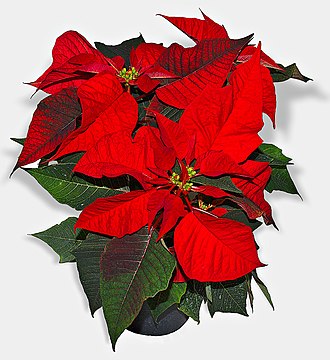
Poinsettia: Christmas Flower of Mexico with Global Cultural Significance
Bethlehem
4 min read
Updated By: History Editorial Network (HEN)
Published:
Updated:
The poinsettia, known scientifically as Euphorbia pulcherrima, is a plant native to Mexico. It carries important cultural significance in its homeland, where it is called "Flor de Nochebuena," meaning "Flower of the Holy Night." The plant's link to Christmas traces back to its vibrant red and green foliage, which naturally align with the festive colors of the holiday season.
The association began with a legend originating in Mexico. According to the story, a poor child wished to offer a gift to celebrate Jesus' birth. With no money to buy a present, the child gathered a bouquet of wild plants found by the roadside. Though they were mere weeds, upon being placed at the nativity scene, these humble offerings miraculously transformed into the beautiful red blooms of the poinsettia.
This transformation was seen as a Christmas miracle that connected the plant to the celebration of Christ's birth. The poinsettia quickly became popular in Mexican Christmas traditions, symbolizing purity, hope, and goodwill. As Spanish missionaries brought the plant back to Europe, its reputation as the "Christmas flower" spread. Over time, people around the world adopted the tradition, incorporating the poinsettia into their own holiday decorations.
The impact of this legend extends globally, influencing Christmas customs across various cultures. The poinsettia's vibrant red and green leaves have become a quintessential part of holiday decor, celebrated for their beauty and the story of giving they represent. Market studies show that poinsettias are one of the most popular potted plants sold in North America during the Christmas season, reflecting their deep-rooted connection with the holiday.
#PoinsettiaLegend #ChristmasTradition #CulturalHeritage #BotanicalHistory #FlowerOfTheHolyNight #MoofLife
Primary Reference
Untitled

Explore the Life Moments of
 AI Twin