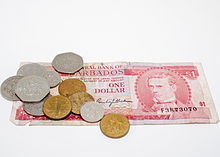
Barbados shifts to Barbados dollar, boosts economic autonomy with Central Bank's strategic move.
Barbados
Economic Downturn
Global Trade
4 min read
Updated By: History Editorial Network (HEN)
Published:
Updated:
Barbados’ economic trajectory took a substantial turn when the Central Bank of Barbados issued the initial Barbados dollar notes for circulation. This moment marked the end of the use of the Eastern Caribbean dollar within the country, a clear signal of asserting monetary independence. The Eastern Caribbean dollar had been in use since its introduction by the Eastern Caribbean Currency Authority, serving multiple territories in the region.
The introduction of the Barbados dollar came as a strategic move intended to foster national autonomy and economic sovereignty. The Central Bank of Barbados, established to oversee the country’s monetary policy, played a critical role in this transition. The presence of a national currency allowed for greater control over inflation, interest rates, and the overall financial stability of Barbados.
The exchange at the time of transition was set at par with the Eastern Caribbean dollar, ensuring a smooth switchover with minimal disruption for residents and businesses. The Barbados dollar was pegged to the US dollar, a policy decision aimed at maintaining stability and encouraging investor confidence.
This strategic shift laid the groundwork for Barbados to craft independent economic strategies tailored to its unique economic landscape. It marked the beginning of a new phase where national interests could be promoted more effectively through tailored fiscal and monetary policies.
#MonetaryIndependence #CentralBank #BarbadosEconomy #EconomicSovereignty #MoofLife
Primary Reference
45 Things You Didn't Know About Barbados' Money
Explore the Life Moments of
 AI Twin