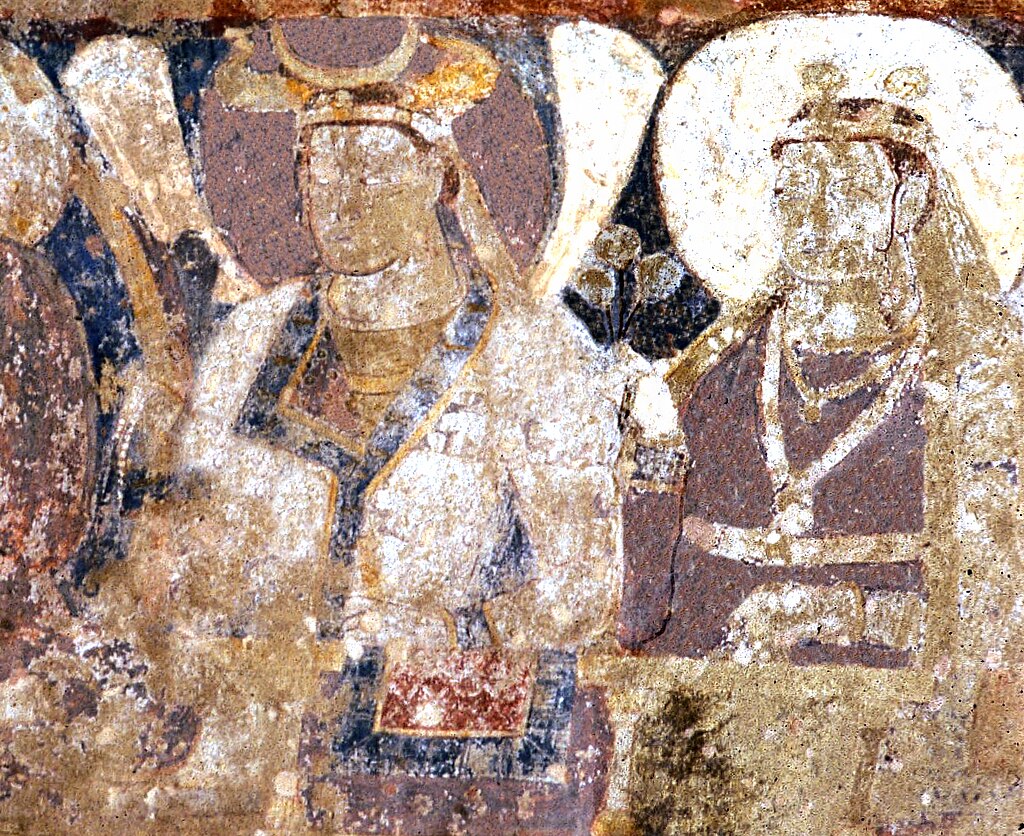
Hephthalite Empire in Kunduz embraced Buddhism, Manichaeism, and Zoroastrianism as major religions.
Afghanistan
Transformation
Cultural Exchange
3 min read
Updated By: History Editorial Network (HEN)
Published:
In the year 440, the Hephthalite (White Huns) empire was established with Kunduz as its capital. This nomadic group's presence significantly impacted the region of modern-day Afghanistan, establishing a new center of power and influencing the religious landscape. Buddhism, Manichaeism, and Zoroastrianism rose as major religions under their rule.
The Hephthalites' establishment ushered in a period of political and cultural transformation in the region, as they marked their presence through their capital city and the spread of various religious beliefs. Buddhism gained prominence, attracting followers and shaping the spiritual fabric of the empire. Manichaeism and Zoroastrianism also thrived, showcasing the religious diversity and tolerance of the Hephthalite rulers.
With Kunduz as a strategic hub, the Hephthalites navigated political complexities, forging alliances and engaging in conflicts that shaped the dynamics of Central Asia. Their empire's religious pluralism contributed to the cultural exchange and intellectual growth in the region, leaving a lasting legacy on Afghanistan's history.
#HephthaliteEmpire #KunduzCapital #ReligiousDiversity #HistoricalTransformation #CentralAsianHistory #CulturalExchange

Explore the Life Moments of
 AI Twin