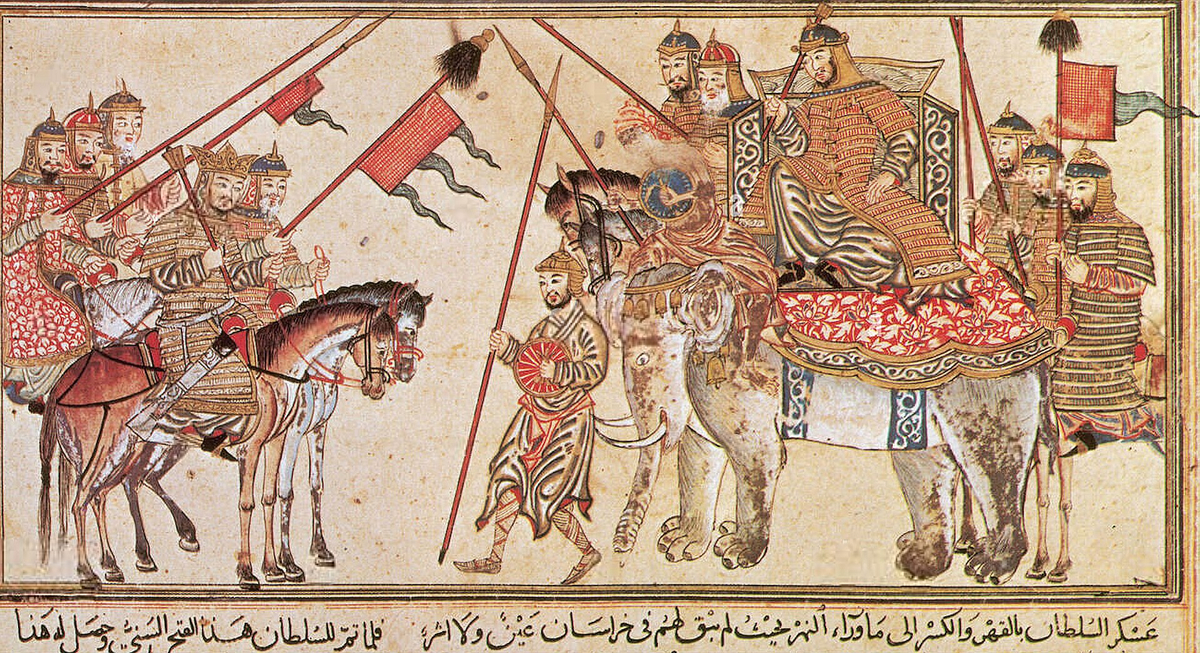
Mahmud of Ghazni and Ghaznavid Empire
Afghanistan

Political
9 min read
Updated By: History Editorial Network (HEN)
Published:
Mahmud of Ghazni, also known as Mahmud Ghaznavi, was a significant figure in the medieval Islamic world and the founder of the Ghaznavid Empire. His reign, from 997 to 1030, marked a period of extensive territorial expansion, military conquests, and cultural flourishing.
Early Life and Rise to Power
Mahmud was born in 971 in the town of Ghazni, located in present-day Afghanistan. He was the son of Sabuktigin, a former slave who rose to prominence and established the Ghaznavid dynasty. Upon his father's death in 997, Mahmud ascended to the throne. From the outset, he demonstrated remarkable military acumen and ambition.
Military Campaigns and Conquests
Mahmud of Ghazni is best known for his series of military campaigns, particularly his invasions of the Indian subcontinent. Between 1000 and 1026, he launched approximately 17 expeditions into northern India. These invasions were motivated by a desire for wealth, territorial expansion, and the spread of Islam. Mahmud targeted rich and strategically important cities, temples, and kingdoms, amassing enormous wealth through plunder.
One of his most famous raids was the sacking of the Somnath Temple in Gujarat in 1025. The temple was renowned for its wealth, and its destruction by Mahmud became emblematic of his campaigns in India. These invasions, while bringing substantial wealth to the Ghaznavid Empire, also had significant cultural and religious impacts on the region.
Administration and Cultural Contributions
Beyond his military prowess, Mahmud was also a capable administrator. He developed Ghazni into a major cultural and intellectual center of the Islamic world. Under his patronage, the city became a hub for scholars, poets, and scientists. The Persian poet Ferdowsi, known for his epic "Shahnameh," was among those who benefited from Mahmud's patronage.
Mahmud's reign saw the introduction of Persian culture and administrative practices into the Indian subcontinent. He built numerous mosques, palaces, and public works, contributing to the architectural and cultural landscape of the region. The Ghaznavid court became a melting pot of Persian, Indian, and Islamic influences, fostering a rich cultural environment.
Legacy and Impact
Mahmud of Ghazni's legacy is multifaceted. His military campaigns significantly altered the political landscape of northern India, weakening Hindu kingdoms and paving the way for subsequent Islamic dynasties. His raids into India also had a long-term impact on Indo-Persian culture, as Persian influence grew in the region.
In the Islamic world, Mahmud is remembered as a formidable warrior and a patron of the arts and sciences. His establishment of the Ghaznavid Empire created a powerful state that controlled large parts of present-day Iran, Afghanistan, Pakistan, and northwest India. The empire's administrative and cultural practices influenced the regions it controlled long after Mahmud's death.
However, Mahmud's legacy is also controversial. While he is celebrated for his contributions to Islamic culture and military success, his invasions of India are remembered for their brutality and the destruction of cultural and religious sites. This dual legacy makes him a complex and often debated figure in both Islamic and Indian history.
Decline of the Ghaznavid Empire
After Mahmud's death in 1030, the Ghaznavid Empire began to decline. His successors lacked his military prowess and faced increasing pressure from rival powers, such as the Seljuks. By the mid-12th century, the Ghaznavid Empire had lost most of its territories and influence, ultimately being absorbed by the Ghurids and other emerging powers
Conclusion
Mahmud of Ghazni's reign was marked by significant military conquests, cultural patronage, and administrative innovation. He transformed Ghazni into a major center of Islamic culture and left a lasting impact on the regions he conquered. While his legacy is complex and multifaceted, Mahmud remains a pivotal figure in the history of the medieval Islamic world and the Indian subcontinent.
Hashtags
#MomentsOfLife #MoofLife_Moment #MoofLife #MahmudOfGhazni #GhaznavidEmpire #IslamicHistory #MedievalIndia #PersianCulture #MilitaryHistory #CulturalPatronage
Primary Reference
Mahmud of Ghazni
Explore the Life Moments of
 AI Twin