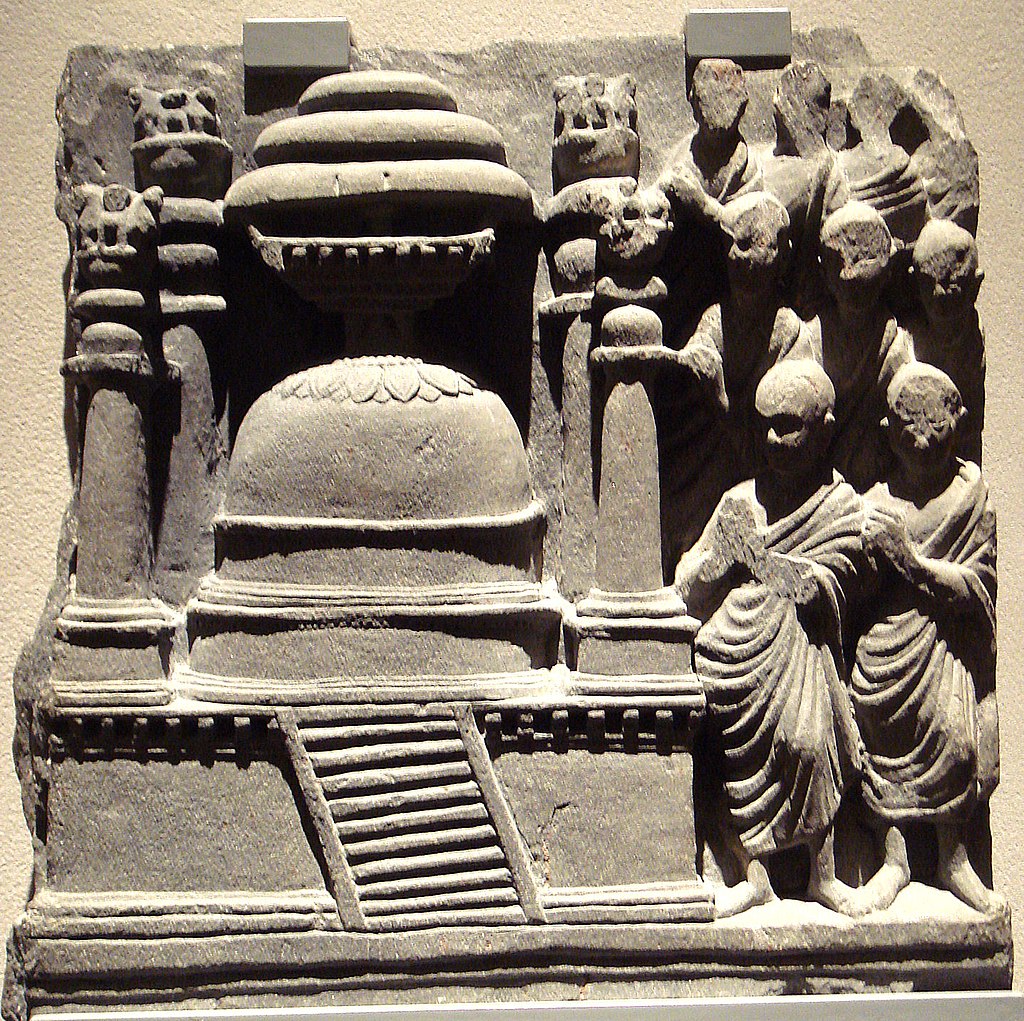
Ancient Kanishka Stupa constructed as a Buddhist monument symbolizing religious significance and architectural prowess.
Afghanistan
Cultural Heritage
3 min read
Updated By: History Editorial Network (HEN)
Published:
In ancient Afghanistan, the construction of the Kanishka Stupa was a significant achievement. The stupa was commissioned by the Kushan Emperor Kanishka, a ruler known for his support of Buddhism and vibrant cultural patronage.
The Kanishka Stupa, a monumental Buddhist structure, served as a place of worship and pilgrimage for centuries. Its construction represented the flourishing of Buddhism in the region, attracting devotees and scholars from near and far. The stupa's elaborate design and large-scale architecture reflected the wealth and power of the Kushan Empire, showcasing their cultural sophistication and religious tolerance.
The Kanishka Stupa became a hub for Buddhist learning and spiritual practice, contributing to the dissemination of Buddhist teachings across Central and South Asia. Pilgrims and merchants traveling along the Silk Road often visited the stupa, fostering cultural exchange and trade connections between different regions.
Today, the ruins of the Kanishka Stupa stand as a testament to the rich Buddhist heritage of Afghanistan and the broader region. The site continues to attract scholars, archaeologists, and tourists interested in exploring the ancient history and religious significance of the area.
#KanishkaStupa #Afghanistan #Buddhism #CulturalHeritage #Archaeology

Explore the Life Moments of
 AI Twin