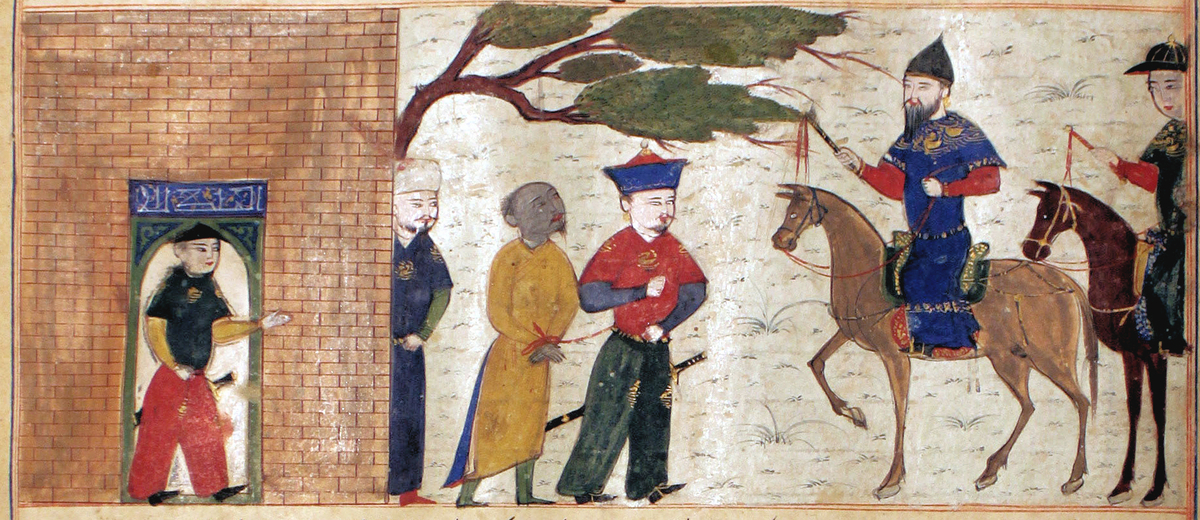
Mahmud of Ghazni's victory over Raja Jayapala at Battle of Peshawar in Hindu Shahi dynastiol
Afghanistan

Political
3 min read
Updated By: History Editorial Network (HEN)
Published:
In the Battle of Peshawar, Mahmud of Ghazni, a powerful ruler from the Ghaznavid Empire, emerged victorious over Raja Jayapala of the Hindu Shahi dynasty. This clash marked a significant turning point in the history of the region, as Mahmud's victory solidified his control over parts of present-day Afghanistan, Pakistan, and northern India.
Prior to the battle, tensions had been escalating between Mahmud and Jayapala over territorial disputes and conflicting interests. Mahmud, known for his military prowess and ambition for expansion, saw an opportunity to assert his dominance in the region by challenging Jayapala's authority.
The battle itself was fierce, with both sides displaying tactical skill and courage. However, Mahmud's well-trained army and superior weaponry ultimately proved to be decisive, leading to Jayapala's defeat. The aftermath of the battle saw Mahmud consolidating his power, establishing Ghazni as a major center of Islamic civilization, and launching a series of military campaigns to further expand his empire.
The Battle of Peshawar underscored the shifting political landscape of the region, marking the beginning of Ghaznavid rule and the decline of the Hindu Shahi dynasty. It also highlighted the complex interactions between various religious and cultural forces in medieval Afghanistan and its neighboring territories.
#BattleOfPeshawar #MahmudOfGhazni #RajaJayapala #GhaznavidEmpire #HinduShahiDynasty #AfghanistanHistory
Explore the Life Moments of
 AI Twin