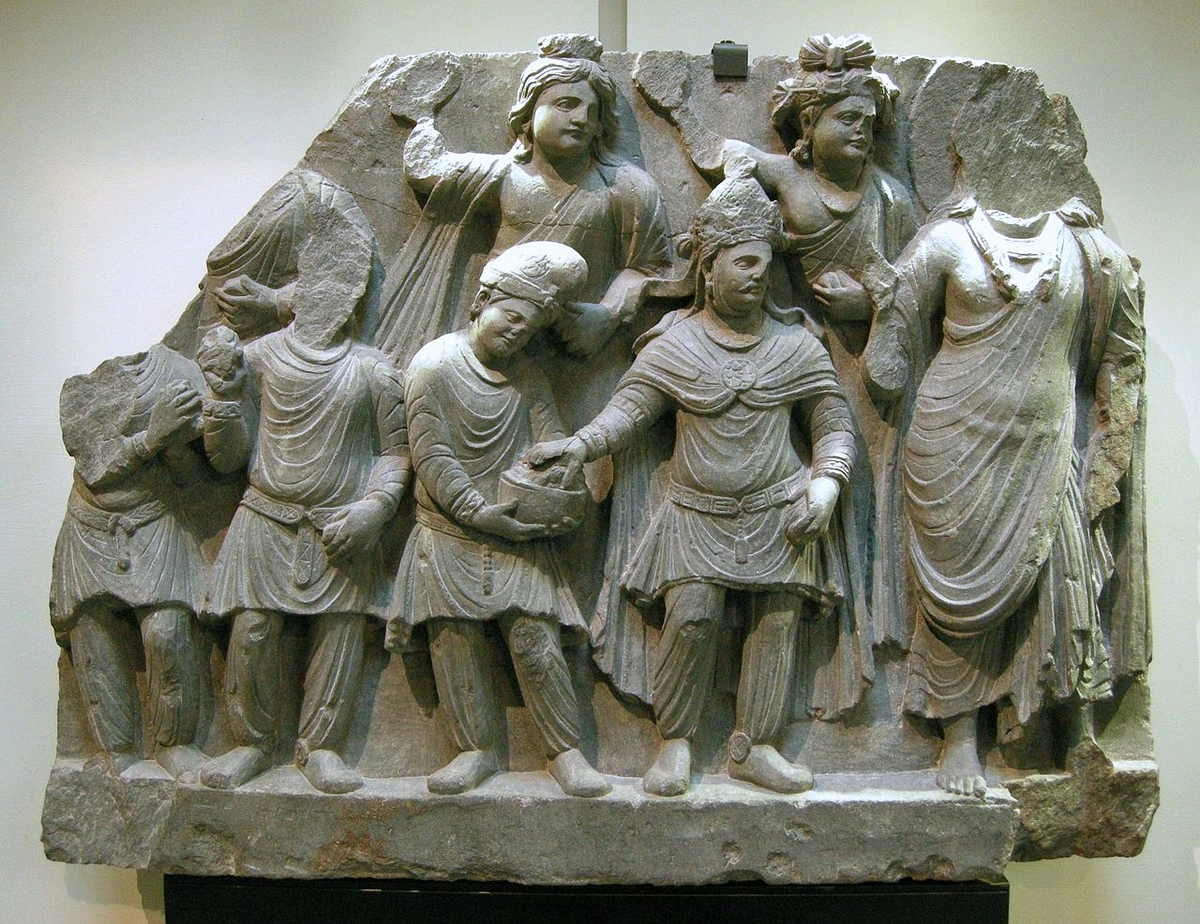
Spread of Buddhism in Afghanistan during Kushan rule - pivotal for cultural heritage preservation.
Afghanistan
Cultural Exchange
Buddhism In Afghanistan
3 min read
Updated By: History Editorial Network (HEN)
Published:
Following the annexation of the region by the Kushan Empire, Buddhism began to spread in Afghanistan. The Kushan rulers, particularly Kanishka, promoted the religion, making it a significant part of their rule. The empire's central location along the Silk Road facilitated the exchange of ideas and cultures, contributing to the dissemination of Buddhism in the region.
Buddhism's spread under the Kushan Empire left a lasting impact on Afghanistan's religious landscape, with monasteries and stupas being built across the land. The infusion of Buddhist art and architectural styles further enriched the cultural heritage of the region. This period also saw the translation of Buddhist texts into local languages, increasing the accessibility of the religion to the general populace.
The religious tolerance of the Kushan rulers encouraged the coexistence of different faiths, fostering a diverse and harmonious society. This multicultural environment allowed Buddhism to take root and flourish in Afghanistan, leaving a lasting legacy that endured even after the decline of the Kushan Empire.
#KushanEmpire #BuddhismInAfghanistan #CulturalExchange
Explore the Life Moments of
 AI Twin