
Czech Republic

The Heart of Europe
About
#czechia
#prague
#czechrepublic
Life Classification
Country
Life ID
EL3679972925696
Verified Name
czech-republic
Life Type
Entity Life
Life Editor(s)
History Editorial Network (HEN)
Life Privacy
Public
Subscription
Elite
Created On
2024-07-19
Updated On
2025-12-19
Connect
Related Lives

Panama
The Crossroads of the Americas
New Zealand
The Journey Through New Zealand

Belarus
Land of Lakes and Forests

History of Internet & Social Media
From Cold War Wires to Global Web

Mauritius
Island Rythms
Bulgaria
A Tapestry of History and Modernity

Honduras
Heart of Central America

Chile
Land of poets and penguins.

2026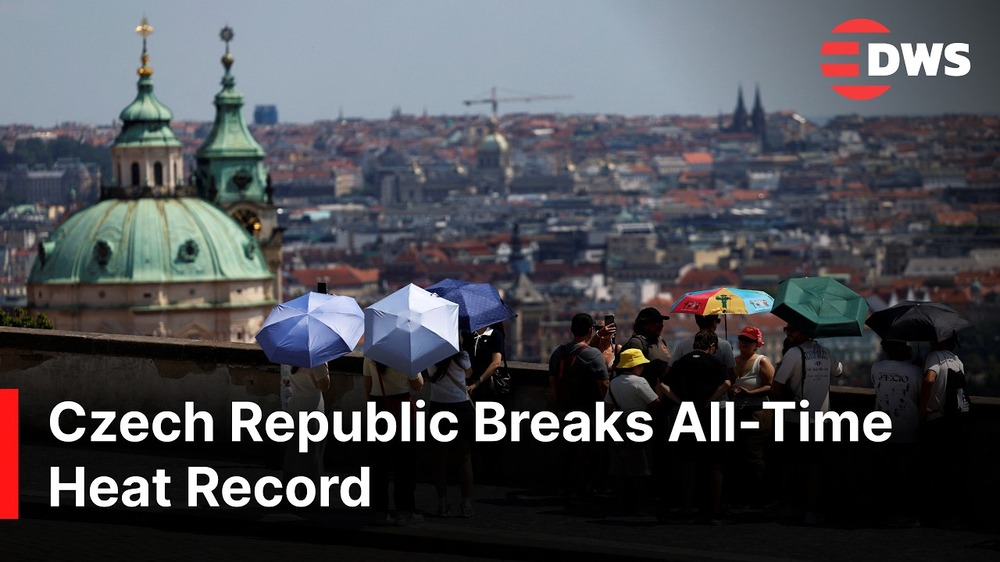
Czechia reportedly experienced its highest temperature on record on 28/06/2026, when a measurement of 41.9°C was recorded in Doksany, in the Ústí nad Labem Region. According to the supplied account, the reading exceeded the previous national record of 40.4°C, registered at Dobřichovice on 20/08/2012, by 1.5°C. The reported temperature occurred during an extreme heatwave affecting parts of Central Europe. However, the 41.9°C measurement and its status as an official national record have not been independently confirmed.
Doksany, located in the low-lying Elbe River basin of northern Czechia, is among the country's warmer locations during summer heatwaves. Exceptionally high temperatures can increase health risks, particularly for older people, outdoor workers, and those with existing medical conditions. They can also place additional pressure on water resources, agriculture, and electricity systems. Confirmation of the reported record requires validated observations from the Czech Hydrometeorological Institute (ČHMÚ), which maintains the country's official meteorological records.
View detailsThe Czech government announced an agreement involving the European Space Agency (ESA) and US space company Vast on 08/06/2026 to support a proposed Czech national mission to the International Space Station (ISS). Czech ESA reserve astronaut Aleš Svoboda was identified as a potential pilot for the mission, which was targeted for 2027 and remained subject to international approval and operational arrangements. The initiative was intended to expand opportunities for Czech scientific experiments, technological demonstrations, and participation in human spaceflight through cooperation with international aerospace organisations.
Svoboda, a Czech military pilot selected for ESA's astronaut reserve in November 2022, has been involved in preparations for the country's human spaceflight ambitions. The proposed ISS mission would build on Czech participation in European space programmes and could provide research opportunities for universities, scientific institutions, and technology companies. The announcement concerned a planned mission rather than a confirmed flight, with crew assignments, launch arrangements, and the final schedule dependent on further agreements and approval by the relevant space agencies.
View details2025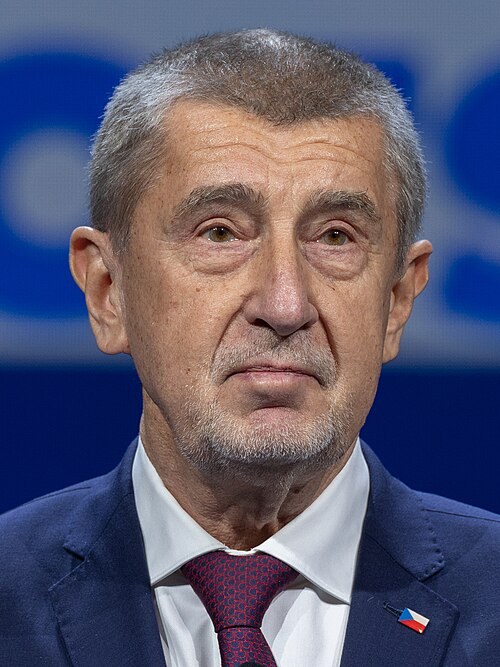
Andrej Babiš was appointed as Prime Minister by President Petr Pavel at a significant moment in the country’s political development, reflecting the constitutional process and democratic framework of the Czech Republic. Babiš, a prominent political figure and leader of the ANO movement, has previously served as prime minister and is known for his strong influence on national politics. His appointment followed negotiations among political actors and the formal role of the president, who is responsible for naming the prime minister based on parliamentary dynamics. The event highlighted the balance of power between the executive offices and the importance of institutional procedures in forming a government.
The appointment carried notable political and social significance, as Babiš’s leadership style and policy priorities have often generated public debate. Supporters view him as an experienced administrator focused on economic management and efficiency, while critics raise concerns about governance, transparency, and democratic norms. Under President Petr Pavel, the appointment also underscored the president’s constitutional duty to ensure governmental continuity and stability. Overall, this development marked an important phase in the Czech Republic’s political landscape, influencing domestic policy direction, relations with European partners, and public trust in democratic institutions.
View detailsThe Czech National Bank’s decision to purchase Bitcoin and other crypto assets for testing purposes reflects a cautious and experimental approach to emerging financial technologies. As a central bank responsible for monetary stability and financial oversight, the institution aims to better understand how digital assets function within modern financial systems. These test purchases are not intended as an endorsement of cryptocurrencies as official reserves, but rather as a controlled exercise to study their technical characteristics, market behavior, and potential risks. By engaging directly with crypto assets, the bank can gain practical insights into issues such as price volatility, custody solutions, transaction transparency, and cybersecurity challenges.
The move is significant because it signals a growing recognition among central banks that digital assets cannot be ignored, even if they remain controversial. Cryptocurrencies have become increasingly relevant in global finance, prompting regulators to examine their impact on monetary policy, financial stability, and consumer protection. Through testing, the Czech National Bank can improve its regulatory readiness and contribute to informed policy discussions at both national and European levels. Overall, this step demonstrates a measured and research-oriented response to innovation, emphasizing understanding and preparedness rather than rapid adoption, while reinforcing the bank’s role in adapting to changes in the global financial landscape.
View details2020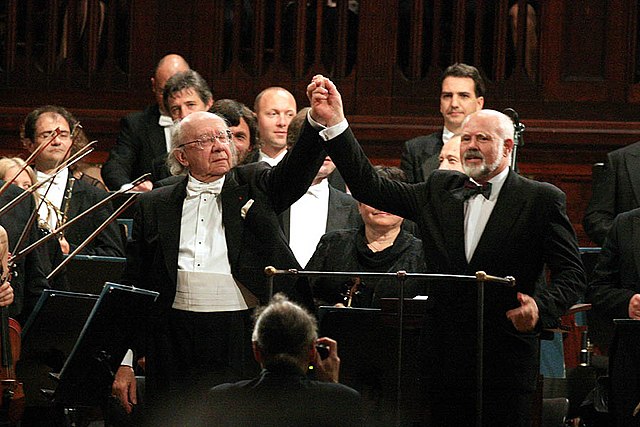
The Prague Spring International Music Festival marked its 75th anniversary in 2021, celebrating decades of showcasing classical music excellence. Established in the aftermath of World War II, the festival aimed to revitalize the Czech music scene and promote cultural unity. Over the years, it has become a prestigious event, attracting top musicians and orchestras from around the world.
The festival's impact extends beyond its renown in the classical music world. It has contributed significantly to Prague's cultural identity and heritage, drawing music enthusiasts and tourists to the city. The event also serves as a platform for emerging talents to showcase their skills alongside established performers, fostering a vibrant and diverse musical community.
In 2021, the 75th edition of the Prague Spring International Music Festival featured special performances, tributes to past artists, and innovative collaborations. The event highlighted the resilience and enduring legacy of the festival, solidifying its position as a cornerstone of Czech cultural life.
#PragueSpringFestival #ClassicalMusic #CulturalHeritage #MusicalExcellence
View details2016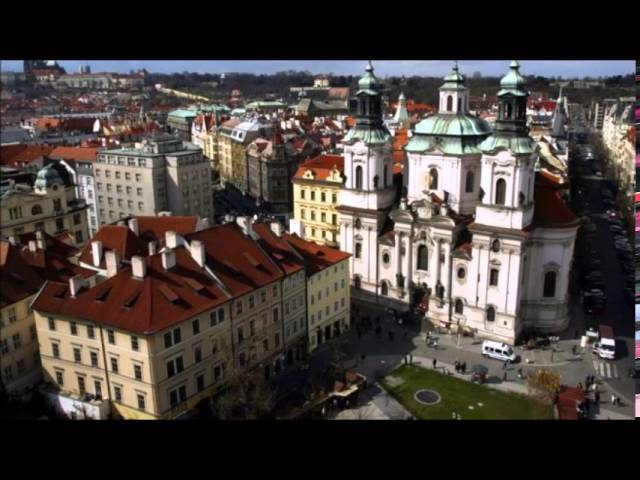
On April 14, 2016, the Czech Republic officially endorsed "Czechia" as the country's short English name. This decision aimed to simplify international communication and branding, reflecting a broader trend of countries adopting shorter, more manageable names for global use. The move was part of a larger initiative to boost national identity and recognition on the international stage.
Background
Since the peaceful dissolution of Czechoslovakia in 1993, the newly formed Czech Republic struggled with its lengthy name. In the context of global communication, the full name often proved cumbersome, particularly in commercial and informal settings. Many countries have short-form names that are more convenient for branding and everyday usage, such as "France" instead of "the French Republic" or "Germany" instead of "the Federal Republic of Germany."
The Decision-Making Process
The idea of adopting a short-form name like "Czechia" had been discussed for years. Proponents argued that it would provide a clear and concise identity that could be easily recognized and used internationally. Critics, however, feared potential confusion with regions or historical names and were concerned about the unfamiliarity of the term.
The official decision came after consultations among various government departments, including the Ministry of Foreign Affairs, and the approval of the country’s top officials. The aim was to create a name that would be linguistically consistent and easily adaptable to different languages.
Announcement and Implementation
On April 14, 2016, the Czech government announced that "Czechia" would be registered with the United Nations and other international organizations as the country's official short name. This was formalized through its inclusion in the UN's database of country names, a critical step for its adoption in global diplomacy and commerce.
Public Reaction
The decision to use "Czechia" was met with mixed reactions domestically. While some welcomed the change, appreciating the ease and clarity it brought, others were resistant, feeling a strong attachment to the term "Czech Republic." Concerns about potential confusion with other regions or misinterpretations also fueled debate.
Internationally, the reception was generally positive, with many media outlets and international bodies quickly adopting the new name. Over time, "Czechia" has become more commonly used, particularly in sports, business, and international relations, though "Czech Republic" remains widely recognized and used in official contexts.
Impact and Legacy
The adoption of "Czechia" represents a significant moment in the country's modern history, reflecting its efforts to streamline its international identity and enhance global recognition. It mirrors a broader trend among nations seeking to present a clear and cohesive image on the world stage.
The dual usage of "Czechia" and "Czech Republic" continues, providing flexibility depending on the formality and context. This adaptability helps cater to different audiences while maintaining a cohesive national identity.
#MomentsOfLife #MoofLife_Moment #MoofLife #Czechia #CzechRepublic #2016 #NationalIdentity #InternationalRelations #CountryBranding #EuropeanHistory
View details2013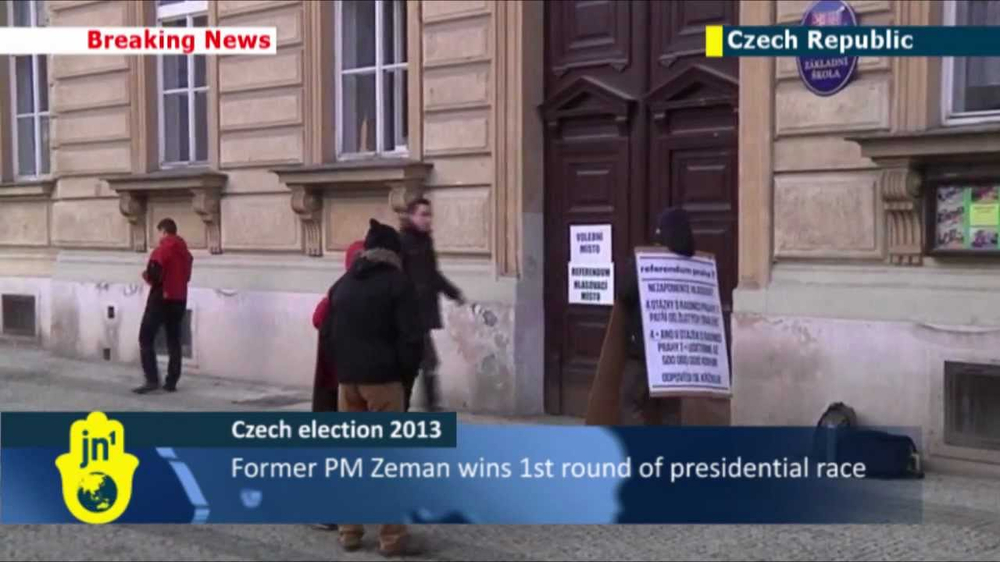
Milos Zeman assumed office as the President of the Czech Republic after a rigorous election process. Known for his strong political presence and outspoken nature, Zeman's victory marked a shift in the country's leadership. As a former Prime Minister and Chairman of the Social Democratic Party, he brought a wealth of experience to his new role.
Zeman's presidency was marked by his firm stance on various national and international issues, often sparking debate and controversy. He focused on strengthening the country's economy, enhancing diplomatic relations, and advocating for the interests of the Czech people. His leadership style was characterized by decisiveness and a no-nonsense approach to governance.
Under Zeman's presidency, the Czech Republic witnessed significant developments in its political landscape and policies. His tenure left a lasting impact on the country's trajectory, influencing future political discourse and decisions. Zeman's presidency was a defining chapter in Czech history, shaping the nation's identity and direction.
#MilosZeman #CzechRepublic #PresidentialElection #PoliticalLeadership
View details2012
The Czech Republic clinched victory in the Davis Cup, a premier international team tennis competition. The team showcased exceptional unity and skill throughout the tournament, overcoming formidable opponents to claim the prestigious title.
This momentous win had a profound impact on Czech tennis, inspiring a new generation of players and igniting national pride. The triumph underscored the country's tennis prowess on the global stage, earning admiration from fans worldwide.
The road to victory was arduous, with the Czech Republic's team demonstrating resilience and strategic acumen in every match. Their dedication and expertise culminated in a well-deserved triumph, solidifying their reputation as a powerhouse in the tennis world.
The Davis Cup win catalyzed celebrations across the Czech Republic, uniting fans in jubilation and bolstering the country's sporting reputation. It served as a testament to the team's hard work, talent, and unwavering commitment to excellence.
#CzechRepublic #DavisCup #TennisChampions #NationalPride
View detailsThe Czech Senate passed a bill enabling the Czech president to be directly elected by citizens, shifting from the previous method where the president was elected by Parliament. This decision aimed to enhance democracy by allowing the public to have a direct say in the presidential selection process.
The approval of this legislation marked a significant shift in Czech politics, empowering the population to directly elect the head of state. By granting citizens this responsibility, it increased accountability and transparency in the electoral process.
The change was a response to public demand for a more democratic system and reflected a broader trend in Europe towards more direct forms of democracy. It was seen as a step towards modernization and enhancing political participation in the country.
The move was met with both support and opposition, sparking debates on the balance of power between the government branches and the role of the presidency in Czech politics. Despite differing opinions, the decision was a significant development in the country's political landscape.
#CzechRepublic #DirectDemocracy #PresidentialElection
View details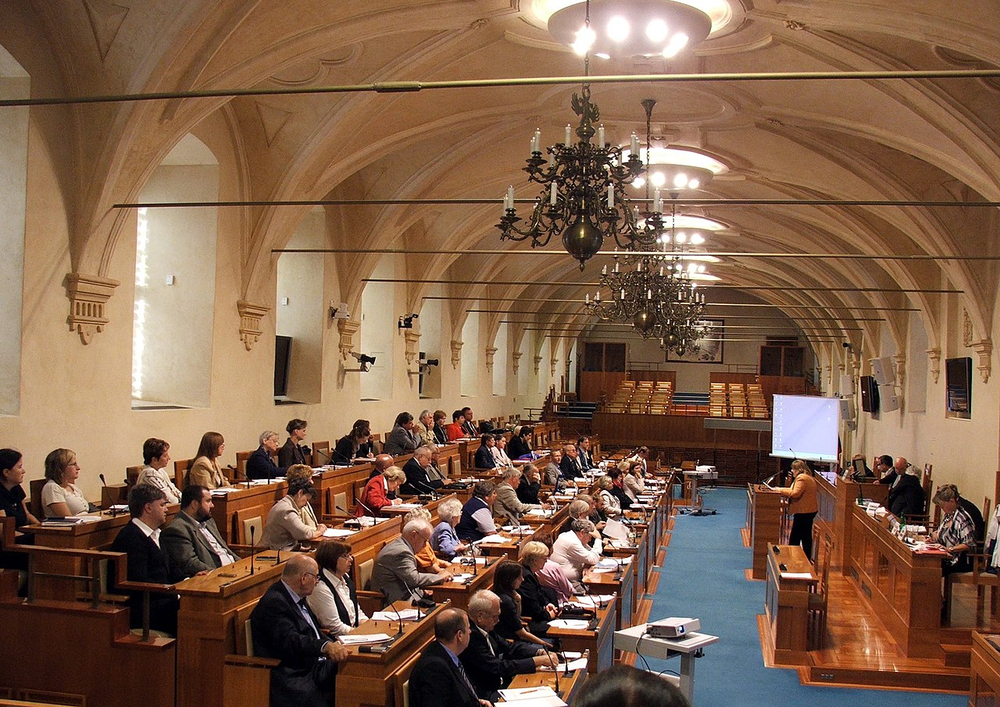
2011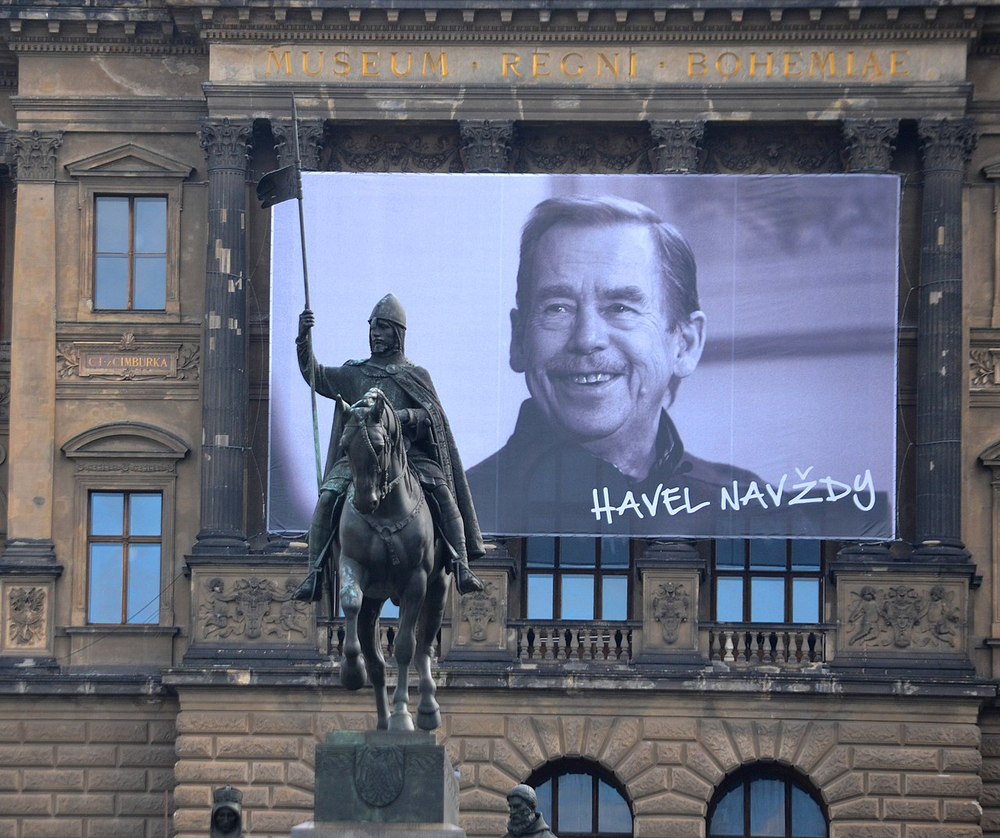
Vaclav Havel, the first President of the Czech Republic, passed away due to respiratory illness. Havel played a crucial role in leading Czechoslovakia's Velvet Revolution, which peacefully overthrew communist rule. He was elected as president shortly after the revolution in 1989. Havel's presidency was marked by efforts to establish democracy, human rights, and freedom of speech in the country.
His death was met with widespread mourning and tributes from across the world, praising his role in shaping the Czech Republic's post-communist era. Havel's legacy as a playwright, dissident, and political leader remains influential, inspiring generations of Czechs and people globally.
The passing of Vaclav Havel marked the end of an era for the Czech Republic, as a key figure in the country's transition to democracy. His contributions to the nation's history and culture are remembered and honored, ensuring his impact continues to be felt for years to come. #VaclavHavel #CzechRepublic #VelvetRevolution
View details2010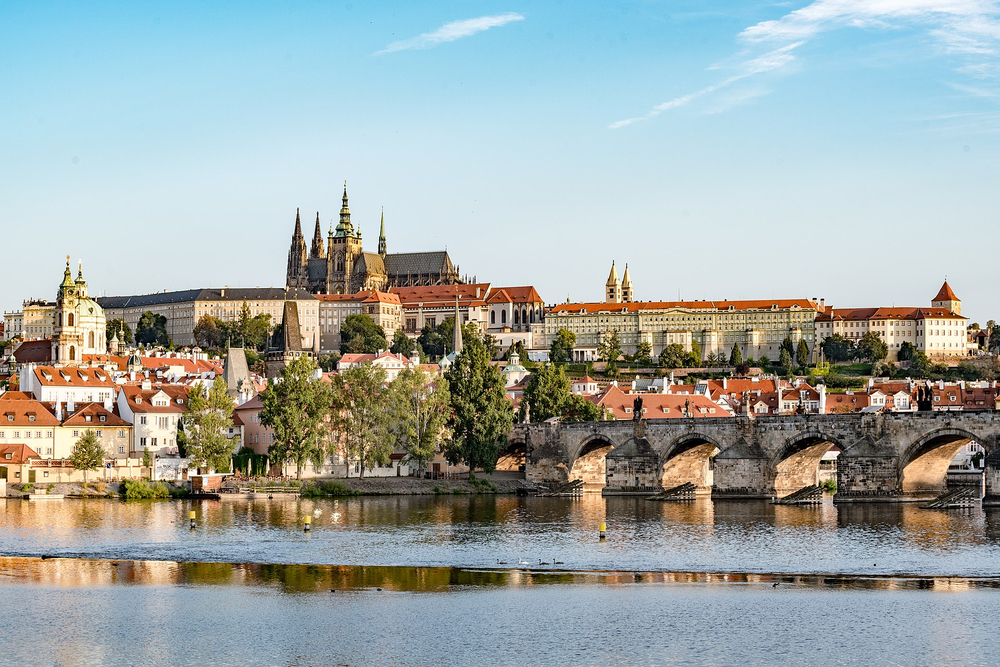
Prague Castle, a historical landmark dating back to the 9th century, was inscribed as a UNESCO World Heritage Site in 2011. The castle complex, one of the largest in the world, has played a significant role in the history of the Czech Republic, being the seat of Czech kings, emperors, and presidents.
The inclusion of Prague Castle on the UNESCO list was a recognition of its architectural and cultural significance. The castle's diverse architectural styles, including Romanesque, Gothic, and Baroque, showcase centuries of history and culture. It stands as a symbol of Czech identity and national pride.
This prestigious designation has boosted tourism in Prague, attracting visitors from around the world to marvel at the castle's beauty and grandeur. It has also contributed to the preservation and conservation of the site for future generations to appreciate.
The UNESCO listing of Prague Castle has solidified its place as a must-see destination for history buffs and architecture enthusiasts alike. It continues to stand as a symbol of the rich heritage of the Czech Republic, captivating visitors with its stunning architecture and historical significance.
#PragueCastle #UNESCO #CzechRepublic #WorldHeritageSite #CulturalHeritage.
View details2009
Tomas Berdych, a Czech tennis player, achieved a remarkable milestone by reaching the final of Wimbledon, becoming the first Czech to do so since 1987. His exceptional performance captivated not only the Czech Republic but the entire tennis world. Berdych showcased his exceptional skills and determination as he outplayed his opponents in one of the most prestigious tennis tournaments.
Berdych's achievement was celebrated as a historic moment in Czech tennis history, rekindling memories of past glories. The nation rallied behind him, proud to see a compatriot excel on the international stage. His journey to the final inspired a new generation of Czech tennis players and fans, instilling a sense of national pride.
The impact of Berdych's Wimbledon final appearance was far-reaching, shining a spotlight on Czech tennis and highlighting the talent and potential within the country. His success served as a reminder of the Czech Republic's rich tennis heritage and its ability to produce top-tier athletes.
#TomasBerdych #WimbledonFinal #CzechTennis #HistoricAchievement #NationalPride
View details2008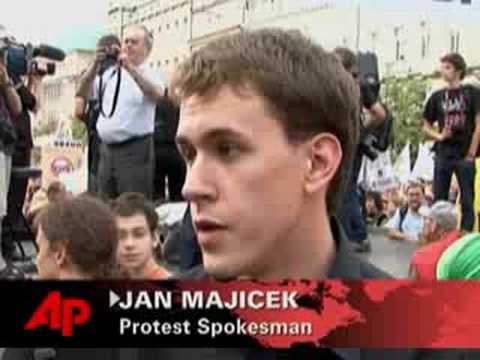
The Czech Republic agreed to host components of the US missile defense system on its territory. The agreement allowed the US to build a radar base near Prague to track potential missile threats. This decision was met with mixed reactions from the Czech public, with concerns about sovereignty and provoking neighboring Russia. Proponents argued that the system would enhance security for both the Czech Republic and Europe against potential missile attacks, particularly from rogue states.
The agreement sparked political debates within the Czech Republic, eventually leading to its parliament's approval. The US-Czech partnership in deploying the missile defense system demonstrated their commitment to mutual defense and security cooperation. The radar base's construction symbolized the deepening ties between the two nations in facing global security challenges.
The event highlighted the Czech Republic's role as a key NATO ally, contributing to the transatlantic alliance's collective defense efforts. The decision also underscored the country's strategic importance in enhancing Euro-Atlantic security and stability. The agreement paved the way for increased military cooperation between the US and the Czech Republic in safeguarding against evolving security threats.
#USCzechRelations #MissileDefenseSystem #GlobalSecurity #NATOAlly
View details2007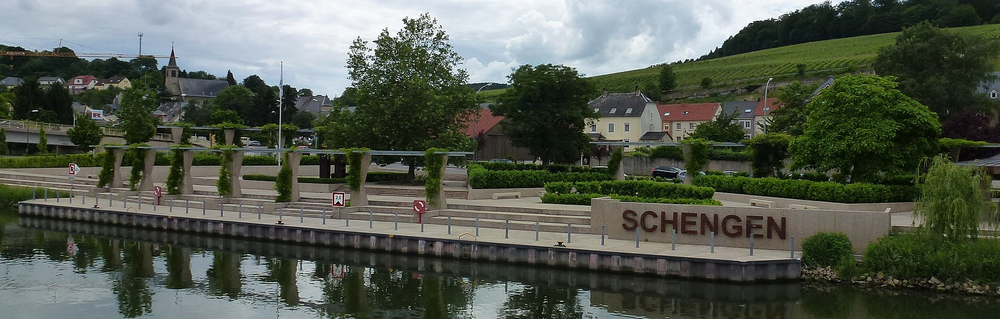
The Czech Republic became a member of the Schengen Agreement, allowing for the free movement of people within the EU. This decision was based on the country's successful implementation of all necessary measures to secure its borders. This move had a significant impact on both Czech citizens and travelers to the country, as it simplified travel procedures and eliminated border controls between the Czech Republic and other Schengen member states.
The implementation of the Schengen Agreement in the Czech Republic marked a milestone in the country's integration into the EU, promoting closer cooperation and unity among European nations. It also boosted tourism and trade by facilitating easier and more efficient movement of goods and people.
With the Czech Republic joining the Schengen zone, travelers could now enjoy seamless travel experiences without facing the inconvenience of passport checks and border controls. This development helped strengthen the bond between the Czech Republic and its European neighbors, fostering a sense of community and collaboration.
#CzechRepublic #SchengenAgreement #EuropeanUnion #FreeMovement #BorderControl #Integration
View detailsUS President George Bush visited Prague amidst plans for a radar base as part of a missile defense shield. The prospect of the base caused hundreds to gather in protest against US intentions.
The radar base, proposed by the US in the Czech Republic, was met with opposition from Czech citizens concerned about their country's involvement in US military strategies. The protests during Bush's visit highlighted the contentious nature of the proposed missile defense shield and its implications for the region.
The demonstrators voiced their disapproval of the radar base, citing fears of increased militarization and the potential for escalating tensions between the US and other nations. The visit and subsequent protests underscored the complex political dynamics surrounding the missile defense shield project and its impact on Czech Republic's foreign relations.
#USPresident #MissileDefense #Protest #Prague #ForeignPolicy #CzechRepublic
View details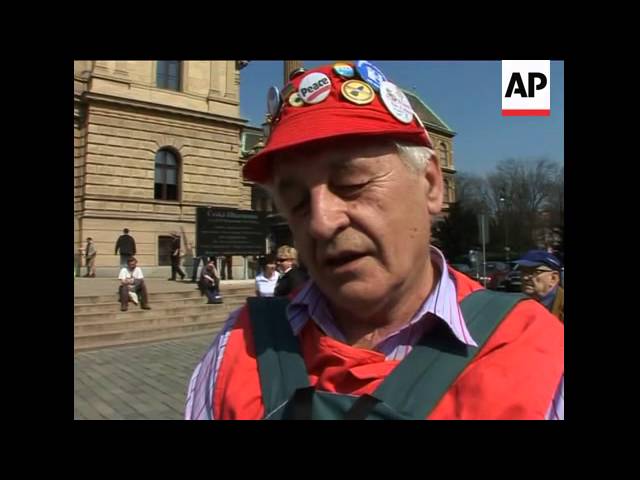
2006
Following a period of political uncertainty, the Parliament of the Czech Republic narrowly approved a three-party, centre-right coalition government. The coalition was formed between the Civic Democratic Party, the Green Party, and the Christian Democratic Party, promising to implement economic reforms and address corruption issues.
The approval of the coalition resulted in a shift in the country's political landscape, moving towards a more conservative and business-friendly direction. The new government focused on reducing public debt, improving the business environment, and increasing transparency in governance.
Despite facing challenges and criticism from opposition parties, the coalition managed to stay in power and implement some of its proposed reforms. The government's tenure was marked by efforts to strengthen the economy and attract foreign investment, while also grappling with internal disagreements over social policies and environmental issues.
Overall, the approval of the three-party, centre-right coalition government had a significant impact on the Czech Republic's political and economic development, shaping its trajectory for the years to come. #CzechRepublic #CoalitionGovernment #PoliticalReforms
View details2004
Following the general elections in the Czech Republic, a hung parliament was declared as no political party secured a clear majority. This result created a political deadlock as no coalition could be formed to establish a stable government.
The background of this event stemmed from a fragmented political landscape with multiple parties vying for power. With no single party able to garner enough support, negotiations and compromises became essential to form a ruling coalition. The impact was felt across the country as uncertainty loomed over the future direction of the government and its ability to address pressing issues.
The hung parliament led to prolonged discussions among political parties, attempting to find common ground on key policies and agendas. The stalemate highlighted the importance of collaboration and compromise in the political process. Eventually, a coalition government was formed, marking a shift in the traditional power dynamics within the Czech Republic.
This event underscored the challenges of governance in a multi-party system, emphasizing the need for cooperation and consensus-building. It showcased the complexities of democracy and the significance of finding common solutions for the greater good. #CzechRepublic #HungParliament #Elections.
View detailsThe Czech Republic officially became a member of the European Union, marking a significant milestone in its history. After undergoing economic and political reforms following the dissolution of Czechoslovakia in 1993, the country applied for EU membership. The accession negotiations were intense, with the Czech Republic having to align its laws and regulations with the EU standards.
Joining the EU opened up numerous opportunities for the Czech Republic, including access to the single market and receiving financial assistance for development projects. It also signaled a commitment to democracy, the rule of law, and human rights. The country gained a stronger voice in European affairs and was able to participate in shaping EU policies.
The impact of joining the EU was felt across various sectors in the Czech Republic, from trade and investment to education and culture. EU membership brought about increased foreign investment, leading to economic growth and job creation. Citizens of the Czech Republic gained the freedom to live, work, and study in other EU countries, enhancing cultural exchange and cooperation.
The Czech Republic's journey to EU membership was a significant turning point in its history, solidifying its place in the European community and fostering collaboration with neighboring countries. #CzechRepublic #EuropeanUnion #Membership #EconomicGrowth #CulturalExchange
View details
2002
The EU summit held in Copenhagen formally invited the Czech Republic to join the European Union. This decision came after a long process of negotiations and preparations by the Czech Republic to meet the criteria for EU membership. The invitation signaled the recognition of the country's efforts to align with European standards and values.
The impact of this invitation was significant for the Czech Republic, as it marked a pivotal moment in its history. Joining the EU opened up new opportunities for economic growth, trade, and political cooperation. It also represented a milestone in the country's journey towards further integration into the European community.
The invitation to join the EU was a positive development for the Czech Republic, as it cemented its place within the European family. It also highlighted the EU's commitment to enlargement and the importance of integrating Central and Eastern European countries into the union.
#CzechRepublic #EUSummit #EuropeanUnion #Integration
View details2000
The resignation of Jiri Hodac as director-general of state television followed the largest street protests in Czech Republic since the fall of communism. The mass demonstrations were fueled by public outrage over biased reporting and censorship by the state media. Concurrently, journalists went on strike, demanding press freedom and fair coverage.
The events marked a turning point in the country's media landscape, highlighting the power of public opinion and the push for transparent and impartial journalism. Hodac's resignation was seen as a victory for democracy and a step towards a more open media environment.
The protests and strike demonstrated the public's determination to defend freedom of the press and hold media institutions accountable. They also underscored the importance of independent journalism in a democratic society.
The aftermath of Hodac's resignation saw renewed calls for media reforms and safeguards to prevent political interference in broadcasting. The events served as a reminder of the role of the media in upholding democratic values and citizens' rights.
#CzechRepublic #PressFreedom #Democracy #MediaReform
View details1999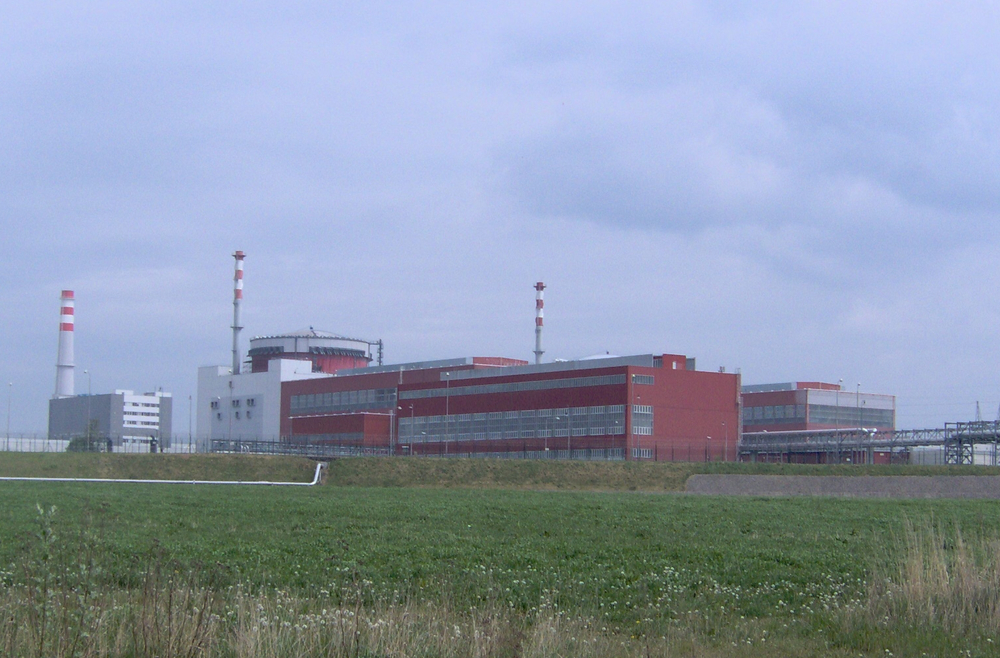
The start-up of the first reactor at the Temelin nuclear power plant sparked outrage in neighboring Austria due to safety concerns. The Austrian government threatened to block the Czech Republic's EU membership, citing worries about potential nuclear accidents and the plant's proximity to the Austrian border. Austria argued that the plant did not meet international safety standards and posed risks to the environment and public health.
The outcry led to heightened tensions between the two countries and raised questions about the Czech Republic's commitment to nuclear safety. The Czech government defended the plant's safety measures and insisted on the importance of nuclear energy in their energy mix. Despite Austria's objections, the reactor at Temelin continued its operations, with periodic protests and legal challenges from Austrian environmental groups.
The controversy surrounding the Temelin nuclear power plant highlighted the complexities of energy policy and international relations within the EU. The threat of Austria blocking the Czech Republic's EU membership added a political dimension to the safety concerns raised by the plant's operations. The event underscored the challenges of balancing energy needs, environmental protection, and diplomatic relations in the context of nuclear power.
#TemelinNuclearPlant #AustriaCzechRelations #EUmembership #NuclearSafety #EnergyPolicy
View detailsThe Czech Republic officially joined NATO, becoming a full member after meeting the criteria for membership. This move was part of the alliance's expansion into Eastern Europe, following the end of the Cold War. The Czech Republic's accession to NATO was a significant step in enhancing security and stability in the region. As a member, the country gained access to collective defense capabilities and strengthened its ties with other member states.
The decision to admit the Czech Republic came after a period of political and military reforms to align with NATO standards. This included modernizing armed forces and integrating them with NATO forces. The Czech Republic's membership contributed to the alliance's goal of promoting democracy and cooperation among European nations. It also signaled a commitment to mutual defense and security cooperation.
The accession of the Czech Republic to NATO marked a milestone in the country's post-Cold War history, solidifying its position in the Euro-Atlantic security architecture. It provided opportunities for collaboration in defense, intelligence sharing, and crisis management. The Czech Republic's full membership in NATO underscored its role as a responsible partner in ensuring regional and global security.#CzechRepublic #NATO #SecurityAlliance
View details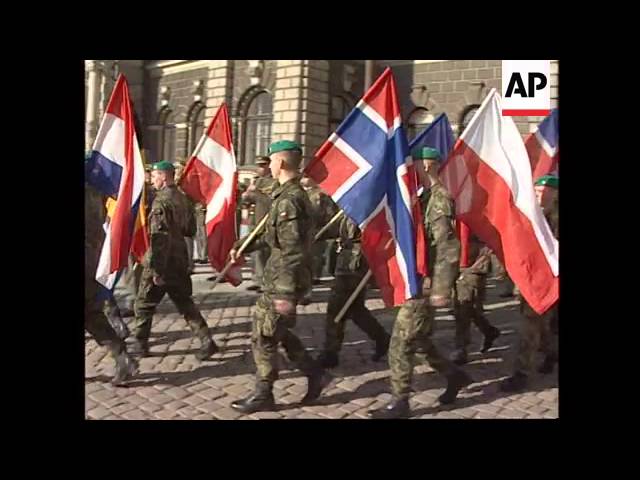
1998
Relations with Iran and Iraq experienced tension when Radio Free Europe/Radio Liberty launched new broadcasts to both countries from Prague. The move was seen as provocative by the Iranian and Iraqi governments, who viewed the broadcasts as interference in their internal affairs.
The decision to broadcast from Prague was strategic, aiming to reach a wider audience in the Middle East and provide alternative sources of information to the people living under repressive regimes. However, this move sparked backlash from both Iran and Iraq, leading to diplomatic strain between the countries.
The broadcasts from Prague were aimed at promoting democratic values, freedom of speech, and human rights in Iran and Iraq. Despite the controversy and backlash faced, Radio Free Europe/Radio Liberty continued its transmissions, emphasizing the importance of providing accurate and unbiased information to individuals living in restrictive environments.
The launch of new broadcasts from Prague to Iran and Iraq underscored the importance of promoting freedom of information and supporting democratic values in regions where such principles are often suppressed. The event highlighted the power of media in shaping international relations and influencing political dynamics in authoritarian states.
#RadioFreeEurope #PragueBroadcasts #MiddleEastRelations #FreedomOfInformation #DemocraticValues
View details1996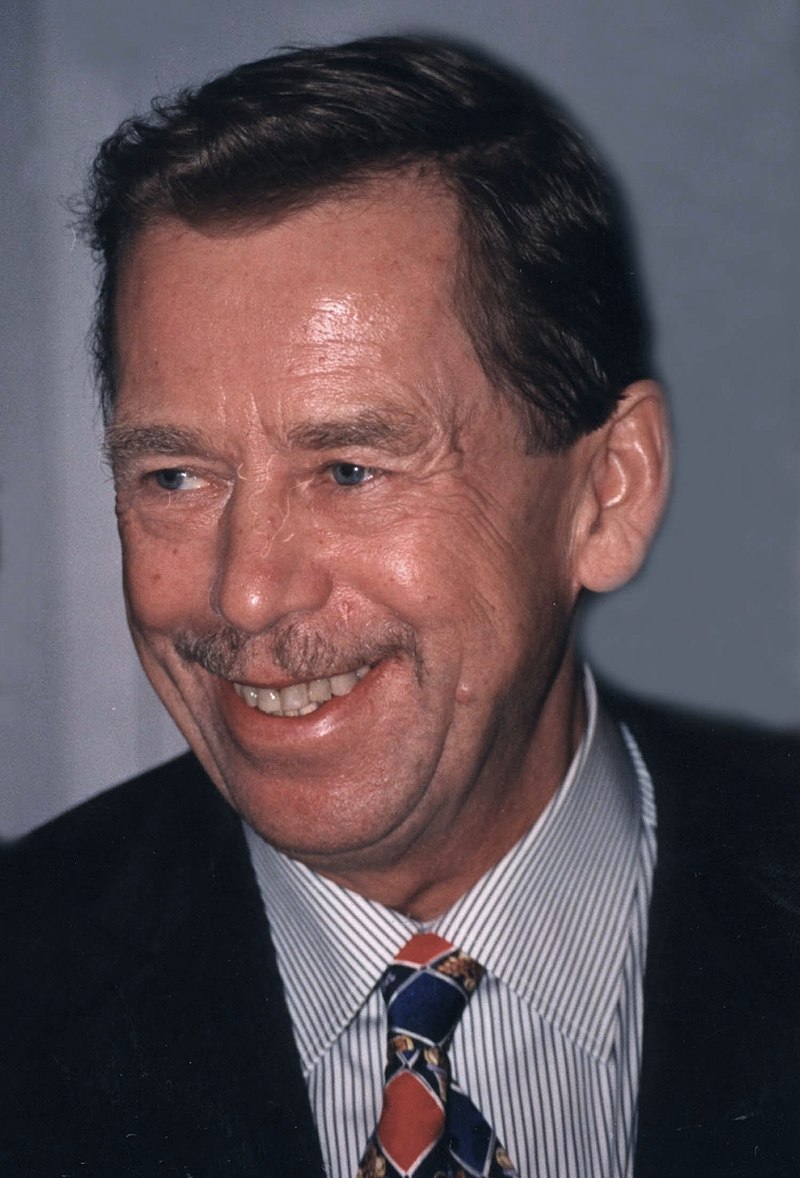
In 1997, Václav Havel, the then-President of the Czech Republic, made a significant appeal to his fellow citizens to confront and combat the "latent racism" within their society. This call to action was driven by a troubling surge in the persecution of the Romani community, often referred to as Gypsies, which led to hundreds of Romani individuals seeking asylum in Canada and the United Kingdom.
Background
The Romani people, a historically marginalized ethnic group in Europe, have faced centuries of discrimination and social exclusion. Following the fall of communism in Eastern Europe, these issues became more visible as the new democratic governments struggled to integrate minority communities. In the Czech Republic, the transition to democracy exposed deep-seated prejudices that had been simmering beneath the surface.
The Asylum Crisis
In the mid-1990s, the situation for the Romani people in the Czech Republic deteriorated markedly. Incidents of violence and discrimination against them increased, prompting international concern. Reports emerged of racially motivated attacks, social ostracization, and systemic discrimination in employment, housing, and education.
In response to these conditions, many Romani families began seeking asylum in countries like Canada and the UK, hoping to find safety and better living conditions. The number of asylum seekers grew rapidly, drawing international media attention and putting pressure on the Czech government to address the underlying causes of this exodus.
Havel's Speech
Amidst this backdrop, Václav Havel's speech in 1997 was a watershed moment. Known for his moral integrity and commitment to human rights, Havel did not shy away from confronting uncomfortable truths about his country. He acknowledged the existence of "latent racism" and emphasized that it was not enough to merely reject overt acts of discrimination; society had to actively work against the prejudices that fueled such behavior.
Havel urged his compatriots to reflect on their attitudes towards the Romani community and to strive for a more inclusive society. His call was both a moral appeal and a pragmatic response to the growing international criticism of the Czech Republic's handling of ethnic minorities.
Impact and Legacy
Havel's speech was significant in several ways. It brought the issue of racism and discrimination into the national conversation, challenging Czechs to confront biases that many preferred to ignore. It also highlighted the responsibility of the government and civil society to protect minority rights and ensure equal treatment for all citizens.
While Havel's words did not immediately solve the problems faced by the Romani community, they did contribute to a broader awareness and dialogue about racism in the Czech Republic. Over time, this awareness has led to various initiatives aimed at improving the conditions for Romani people, though challenges remain.
The issue of Romani rights continues to be a critical concern in the Czech Republic and across Europe. Havel's speech is often remembered as a courageous stand for human dignity and a reminder of the ongoing struggle against racism and discrimination.
#MomentsOfLife #MoofLife_Moment #MoofLife #VáclavHavel #CzechRepublic #RomaniRights #HumanRights #EndRacism #1997 #SocialJustice #EuropeanHistory
View details1993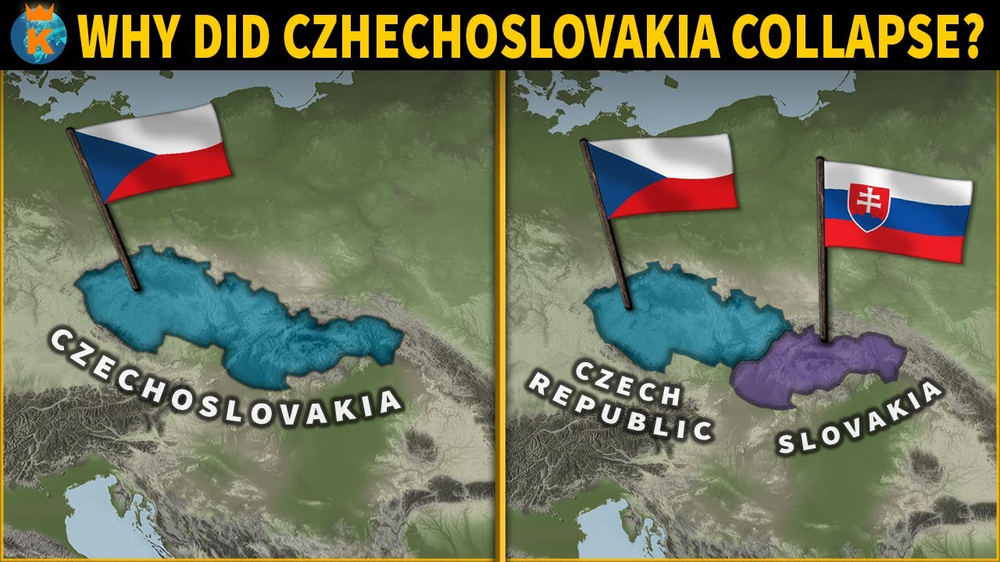
The peaceful split of Czechoslovakia into the Czech Republic and Slovakia arose from longstanding political and cultural differences between the Czechs and Slovaks. The Velvet Revolution in 1989 marked the end of communist rule in Czechoslovakia, paving the way for a transition to a democratic system. As negotiations progressed, it became evident that the divergent interests of the Czechs and Slovaks could best be served through a peaceful separation.
On 1/1/1993, the two entities peacefully divided into the independent nations of the Czech Republic and Slovakia. The split was characterized by cooperation and mutual respect, setting a positive precedent for other separatist movements around the world. The new nations focused on building their own identities and pursuing their distinct political and economic goals.
The division allowed the Czech Republic and Slovakia to tailor policies to their specific needs, leading to improvements in their respective economies and governance systems. Both nations experienced increased autonomy and were able to forge new partnerships on the global stage. The split set the stage for the Czech Republic and Slovakia to thrive independently and contribute to the stability and prosperity of the region.
#CzechRepublic #Slovakia #VelvetRevolution #Independence #PeacefulSplit
View details1989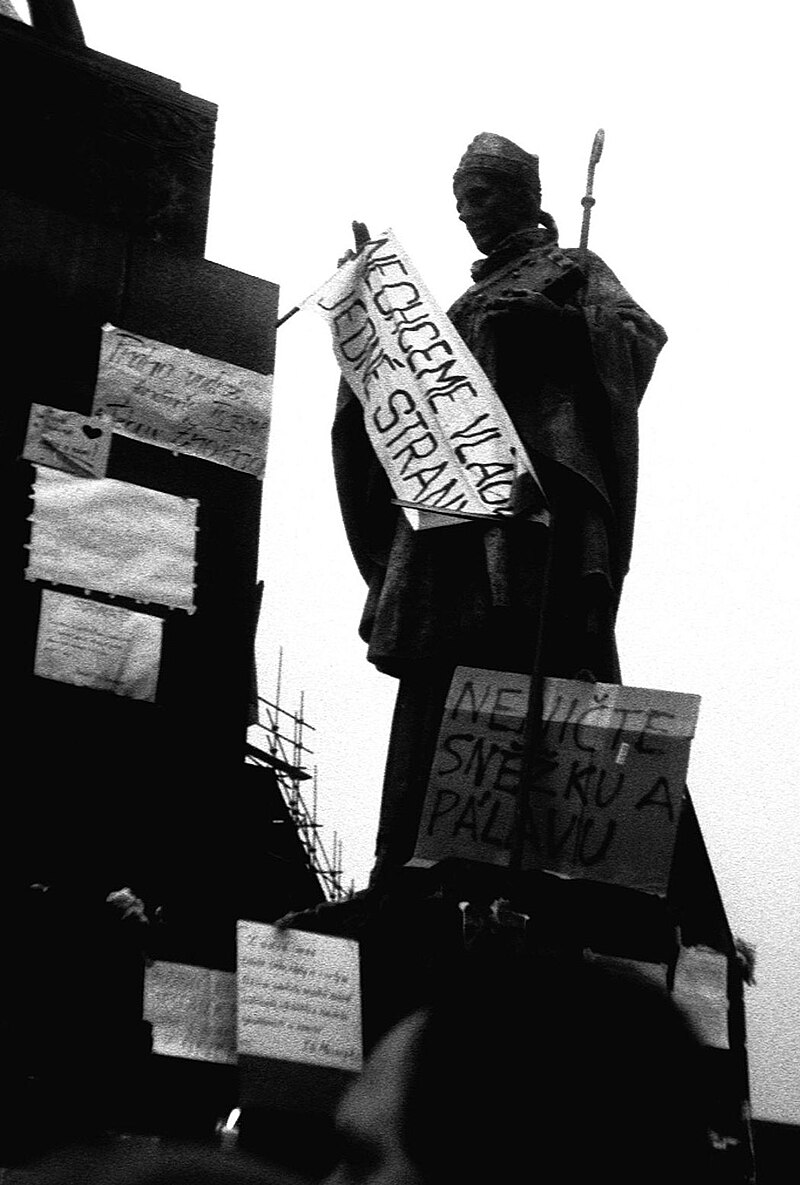
The Velvet Revolution in Czech Republic marked the downfall of the Communist regime. It began with peaceful student demonstrations which grew into mass protests demanding political reforms. The regime eventually crumbled, leading to the appointment of a non-Communist government.
The impact of the Velvet Revolution was groundbreaking as it brought an end to over 40 years of Communist rule in Czechoslovakia. Vaclav Havel, a prominent dissident and playwright, emerged as a key figure in the revolution and later became the President of Czechoslovakia. The event paved the way for democratic elections and the eventual split of Czechoslovakia into two independent nations.
The fall of the Communist regime in Czech Republic had a ripple effect across Eastern Europe, inspiring other countries to strive for democracy and freedom. It reshaped the political landscape of the region and paved the way for the country's integration into the European Union.
#VelvetRevolution #CommunismFall #DemocracyRise #VaclavHavel #CzechRepublic #HistoricalTurningPoint
View details1968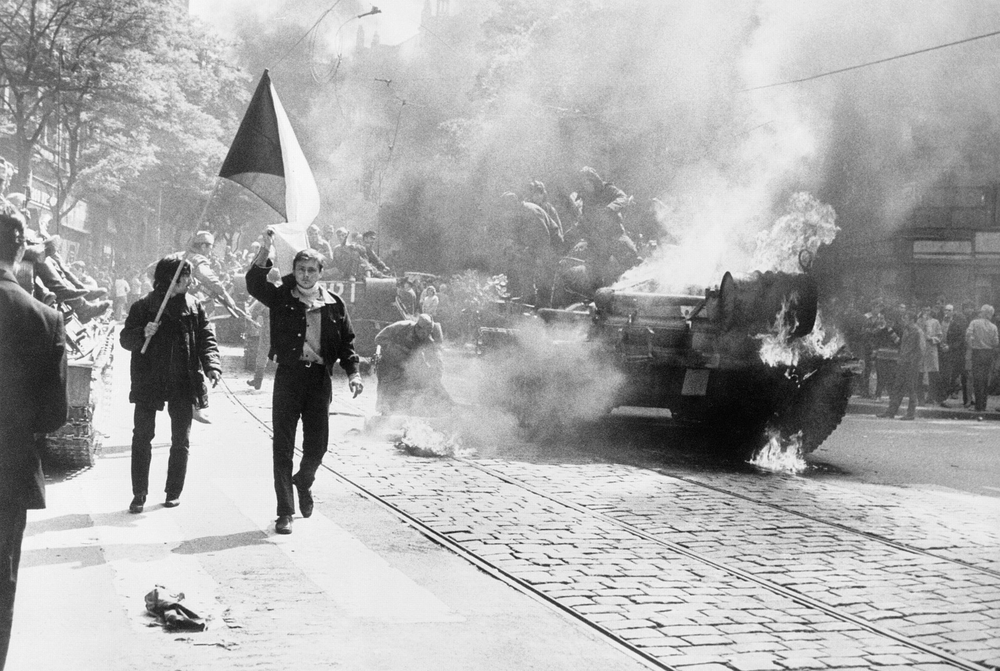
Following months of political liberalization known as the Prague Spring in Czechoslovakia, Warsaw Pact forces, led by the Soviet Union, invaded the country to suppress the reforms on August 21. The invasion intended to halt the movement towards democracy and socialism with a human face initiated by Czechoslovak leader, Alexander Dubček.
The invasion provoked widespread protests and demonstrations throughout Czechoslovakia, with citizens showing strong resistance against the foreign intervention. Despite the efforts to resist, the Warsaw Pact forces swiftly took control of key institutions and imposed a period of harsh censorship and repression.
The invasion of Czechoslovakia by the Warsaw Pact forces had significant repercussions on the global stage, leading to strained relations between the Soviet Union and Western countries. It also highlighted the limitations of communist reforms within the Eastern Bloc, demonstrating the lengths to which the Soviet Union would go to maintain control over its satellites.
In the aftermath, many Czechoslovak citizens felt a deep sense of betrayal and disillusionment, as their hopes for reform were crushed by foreign military intervention. The event served as a stark reminder of the challenges and complexities of political reform within the Eastern Bloc.
#PragueSpring #WarsawPact #Invasion #CzechRepublic #SovietUnion #ColdWar
View detailsIn 1968, the Prague Spring marked a notable period of political liberalization in Czechoslovakia. The reforms initiated by the new leader, Alexander Dubček, aimed to grant more freedom to the citizens, such as loosening censorship, allowing political discussions, and advocating for multiparty democracy. These changes brought a sense of hope and optimism to the people, who saw a glimpse of a brighter future.
However, the Soviet Union and its allies viewed these reforms as a threat to their influence in the region. In response, they invaded Czechoslovakia in August of the same year, putting an end to the Prague Spring and reimposing strict control over the country. The invasion led to protests and resistance from the Czechoslovakian people, but ultimately the reformist movement was crushed.
The Prague Spring left a lasting impact on the country, highlighting the desire for freedom and democracy among its citizens, and the consequences of challenging the status quo. The event also underscored the limitations of political reform under an oppressive regime.#PragueSpring #PoliticalLiberalization #CzechRepublic #SovietInvasion
View details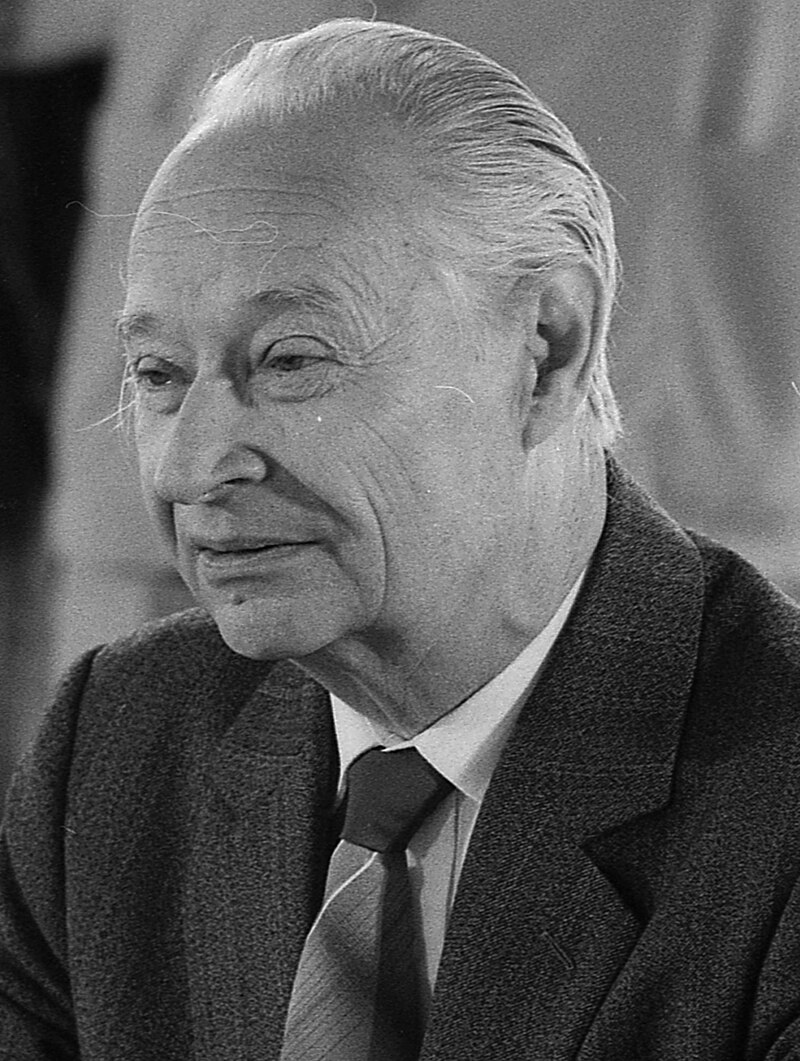
1948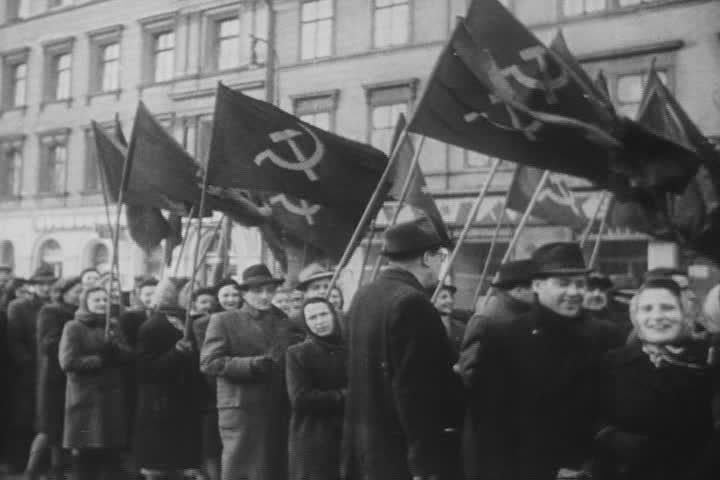
In 1948, the Communist Party seized power in Czechoslovakia through a coup d'état. The party had been gaining strength in the country as post-World War II reconstruction efforts failed to meet the needs of the population. The political landscape was polarized, and in this atmosphere, the Communist Party took advantage of their position in the government to gradually increase their influence.
The coup led to the establishment of a communist regime, marking the onset of a period of totalitarian rule characterized by censorship, suppression of dissent, and a shift towards a planned economy. Political opponents were persecuted, and the country became isolated from the Western world as it fell under the sphere of influence of the Soviet Union. Czechoslovakia's foreign policy aligned closely with that of the USSR, contributing to the deepening of the Cold War tensions in Europe.
The event had a lasting impact on the country, shaping its political and economic trajectory for decades to come. The Czechoslovakian people faced restricted freedoms and a lack of political plurality, which persisted until the late 1980s when the communist regime eventually collapsed.
#CommunistParty #Czechoslovakia #CoupdEtat #TotalitarianRule #ColdWar
View details1938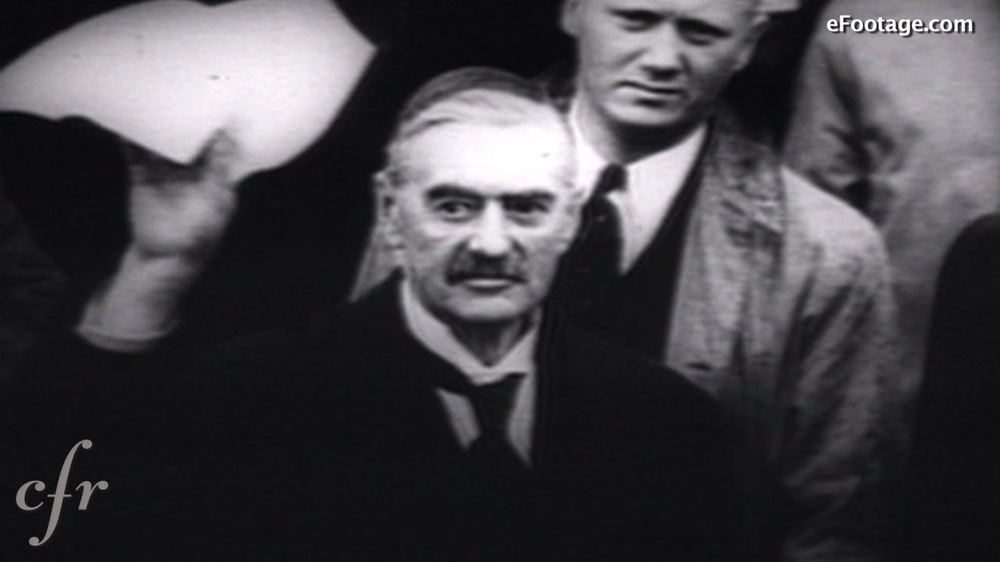
In 1938, escalating tensions in Europe led to the Munich Agreement, where the major powers decided the fate of Sudetenland, a region in Czechoslovakia with a significant ethnic German population. Under threat of war, the Czech government reluctantly ceded Sudetenland to Nazi Germany, with British and French support. The agreement was seen as appeasement, aiming to avoid conflict with Hitler's aggressive expansionism.
The Munich Agreement not only allowed Nazi Germany to gain more territory without facing opposition but also significantly weakened Czechoslovakia, losing a key defensive region. This event highlighted the failure of international diplomacy in preventing the ambitions of a militaristic regime and set a dangerous precedent for further aggression. The annexation of Sudetenland by Nazi Germany emboldened Hitler, leading to further expansionist moves and ultimately contributing to the outbreak of World War II.
The Munich Agreement's repercussions were felt not only by Czechoslovakia but by all of Europe, as it demonstrated the limitations of appeasement and the dangers of unchecked aggression. It stands as a stark reminder of the consequences of allowing authoritarian regimes to dictate international affairs. #MunichAgreement #Sudetenland #NaziGermany #Appeasement #WorldWarII #CzechRepublic
View details