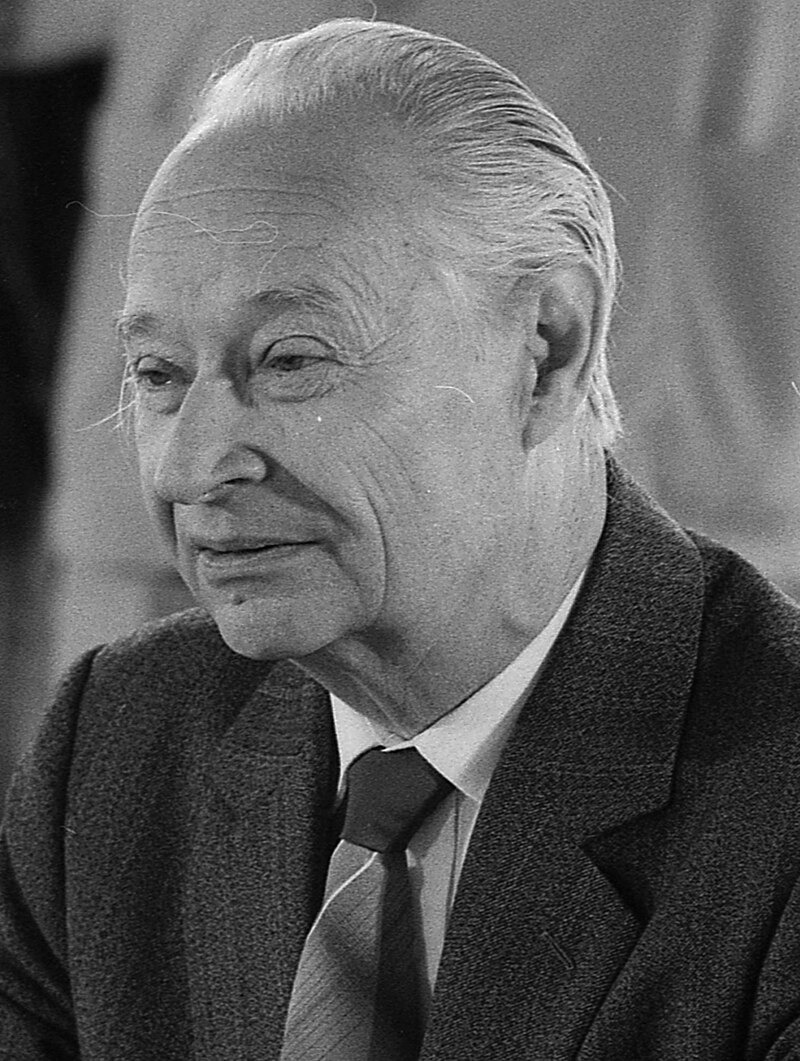
Prague Spring: Political Liberalization Begins
Czech Republic

Political
3 min read
Updated By: History Editorial Network (HEN)
Published:
In 1968, the Prague Spring marked a notable period of political liberalization in Czechoslovakia. The reforms initiated by the new leader, Alexander Dubček, aimed to grant more freedom to the citizens, such as loosening censorship, allowing political discussions, and advocating for multiparty democracy. These changes brought a sense of hope and optimism to the people, who saw a glimpse of a brighter future.
However, the Soviet Union and its allies viewed these reforms as a threat to their influence in the region. In response, they invaded Czechoslovakia in August of the same year, putting an end to the Prague Spring and reimposing strict control over the country. The invasion led to protests and resistance from the Czechoslovakian people, but ultimately the reformist movement was crushed.
The Prague Spring left a lasting impact on the country, highlighting the desire for freedom and democracy among its citizens, and the consequences of challenging the status quo. The event also underscored the limitations of political reform under an oppressive regime.#PragueSpring #PoliticalLiberalization #CzechRepublic #SovietInvasion
Primary Reference
Prague Spring - Wikipedia
Explore the Life Moments of
 AI Twin