
Czech Republic

The Heart of Europe
Related Lives

Panama
The Crossroads of the Americas

New Zealand
The Journey Through New Zealand

Belarus
Land of Lakes and Forests

History of Internet & Social Media
From Cold War Wires to Global Web

Burundi
The Land of a Thousand Hills

Bhutan
Land of the Thunder Dragon

Cuba
The Jewel of the Caribbean

Netherlands
The Land of Tulips and Windmills

1257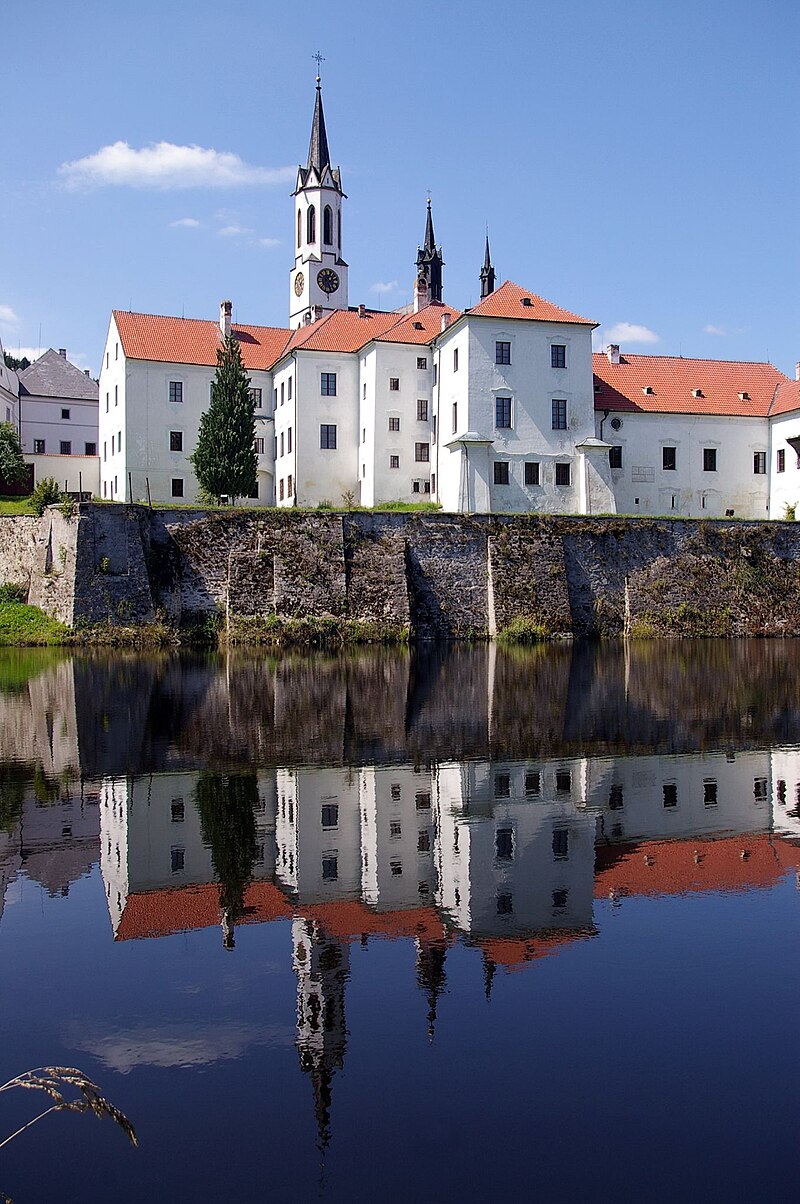
In 1259, a pivotal event took place in Czech history with the establishment of the Cistercian monastery in Vyssi Brod. The monastery was constructed near the Vltava River, surrounded by lush forests, providing an ideal contemplative retreat for the monks. The Cistercian order, known for its strict adherence to the Rule of St. Benedict, brought a renewed sense of spirituality and discipline to the region.
The monastery in Vyssi Brod quickly became a center of learning and culture, attracting scholars and artists from far and wide. The monks cultivated the land, developing it into a prosperous agricultural estate that benefited the local community. They also engaged in manuscript production, preserving and disseminating knowledge through their scriptorium.
The influence of the Cistercian monastery in Vyssi Brod extended beyond its walls, as the monks were actively involved in charitable works, providing aid to the poor and sick in the surrounding areas. Their dedication to prayer, work, and community service left a lasting impact on the region, shaping its spiritual and social fabric for centuries to come.
#CzechHistory #CistercianMonastery #VyssiBrod #MonasticInfluence
View details1253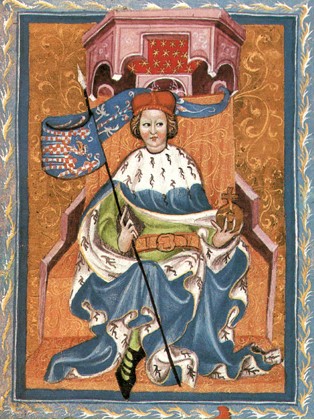
Otakar II, a formidable ruler, was crowned as the King of Bohemia in a grand ceremony. Belonging to the Přemyslid dynasty, his ancestors were renowned for their authority in Central Europe. Otakar II ascended the throne, extending his dominion by forging strategic alliances and expanding territories.
His coronation marked a pivotal moment in the history of Bohemia, consolidating power and prestige. Otakar II was instrumental in fostering cultural and economic advancements, promoting trade and urban development. His reign witnessed a period of prosperity, with flourishing arts and architecture.
The coronation of Otakar II symbolized the strength and sovereignty of the Bohemian realm, solidifying its position in the regional landscape. His astute leadership and diplomatic acumen earned him respect among neighboring kingdoms, fostering stability and enhancing Bohemia's influence.
Otakar II's legacy as a visionary monarch endures, remembered for his contributions to the political and cultural landscape of Bohemia. His reign left an indelible mark on the Czech history, shaping its identity and laying the foundation for future generations.
#Bohemia #PřemyslidDynasty #RoyalCoronation
View details1212
Bohemian King Ottokar II issued the Golden Bull of Sicily, a document that granted significant privileges to the nobility of his kingdom. The decree was inspired by the Sicilian Constitution of 1212 and aimed to strengthen the political power of the Bohemian nobility. The Golden Bull established important principles of governance, including the appointment of officials and the protection of the nobility's rights.
This event marked a pivotal moment in Czech history, showcasing Ottokar II's commitment to consolidating his authority and solidifying the relationships with the nobility. The Golden Bull of Sicily played a crucial role in shaping the political landscape of Bohemia and fostering a sense of unity among the ruling classes.
The issuance of the Golden Bull of Sicily had long-lasting consequences, influencing the governance structure of the Bohemian Kingdom for years to come. It underscored the importance of noble privileges and set a precedent for future royal decrees.
#Bohemia #GoldenBull #OttokarII #CzechHistory
View details1188
In 1189, Premyslid Duke Frederick faced his unfortunate demise by drowning in a river. The Duke, known for his influential role in Czech politics, was on his way to negotiate a strategic alliance when the tragic incident occurred. This event marked a significant shift in Czech leadership, as Duke Frederick's death created a power vacuum within the Premyslid dynasty.
The absence of Duke Frederick had immediate consequences, leading to political turmoil and instability within the region. His death disrupted the ongoing negotiations and left the Czech lands vulnerable to external threats. The power struggle that ensued among rival factions further weakened the unity of the realm and impacted its ability to defend against potential adversaries.
The drowning of Premyslid Duke Frederick served as a turning point in Czech history, signaling the end of an era characterized by his leadership. The event highlighted the fragility of political stability and the unforeseen challenges that could arise in medieval Europe. Ultimately, it underscored the importance of strong leadership and strategic alliances in maintaining the security and prosperity of the Czech lands.
#PremyslidDynasty #CzechHistory #PoliticalInstability
View details1069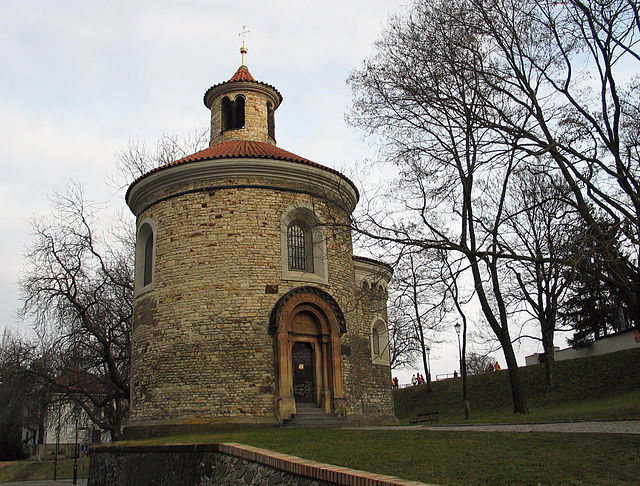
In 1070, the Romanesque Rotunda of St. Martin was constructed in Prague, Czech Republic. The rotunda, dedicated to St. Martin of Tours, served as a place of worship for the citizens of Prague. Its circular design and Romanesque architectural style reflected the religious fervor and cultural influences of the time.
The construction of the rotunda had a significant impact on the religious landscape of Prague, providing a central hub for Christian worship and community gatherings. The presence of the rotunda also symbolized the growing influence of Christianity in the region during the Middle Ages.
Over the centuries, the Romanesque Rotunda of St. Martin has witnessed numerous historical events and changes in Prague. Despite facing periods of neglect and renovations, the rotunda has stood the test of time as a historical landmark and a testament to the enduring legacy of Romanesque architecture in the region.
#RomanesqueArchitecture #ReligiousHeritage #PragueHistory
View details1034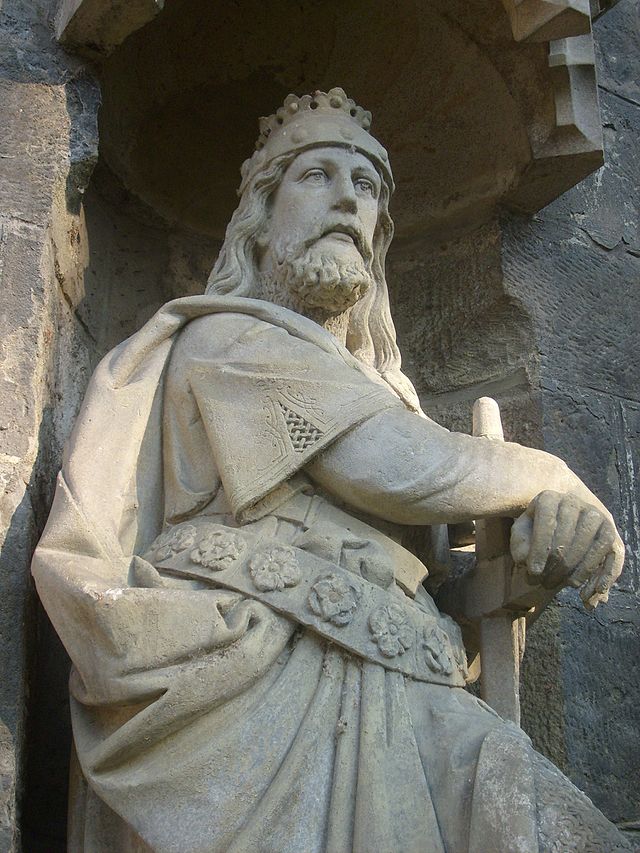
Leading the Bohemian people, Duke Bretislav I's coronation marked a pivotal moment in Czech history. His ascension to the throne solidified Bohemia's independence and strengthened its position within the region. The coronation ceremony symbolized the consolidation of power and the establishment of a centralized authority under Bretislav's rule.
With his coronation, Duke Bretislav I aimed to assert Bohemia's autonomy and expand its influence. The event was a statement of sovereignty, signaling to neighboring kingdoms that Bohemia was a force to be reckoned with. Bretislav's leadership brought stability and prosperity to the region, fostering cultural and economic development.
The coronation of Duke Bretislav I of Bohemia was a turning point in Czech history, shaping the future of the kingdom for centuries to come. It laid the foundation for Bohemia's rise as a significant political and cultural center in Central Europe. The legacy of Duke Bretislav I continues to inspire Czechs to this day, reminding them of their rich heritage and the enduring spirit of independence.
#Bohemia #CzechHistory #DukeBretislavI #Coronation #Sovereignty
View details0980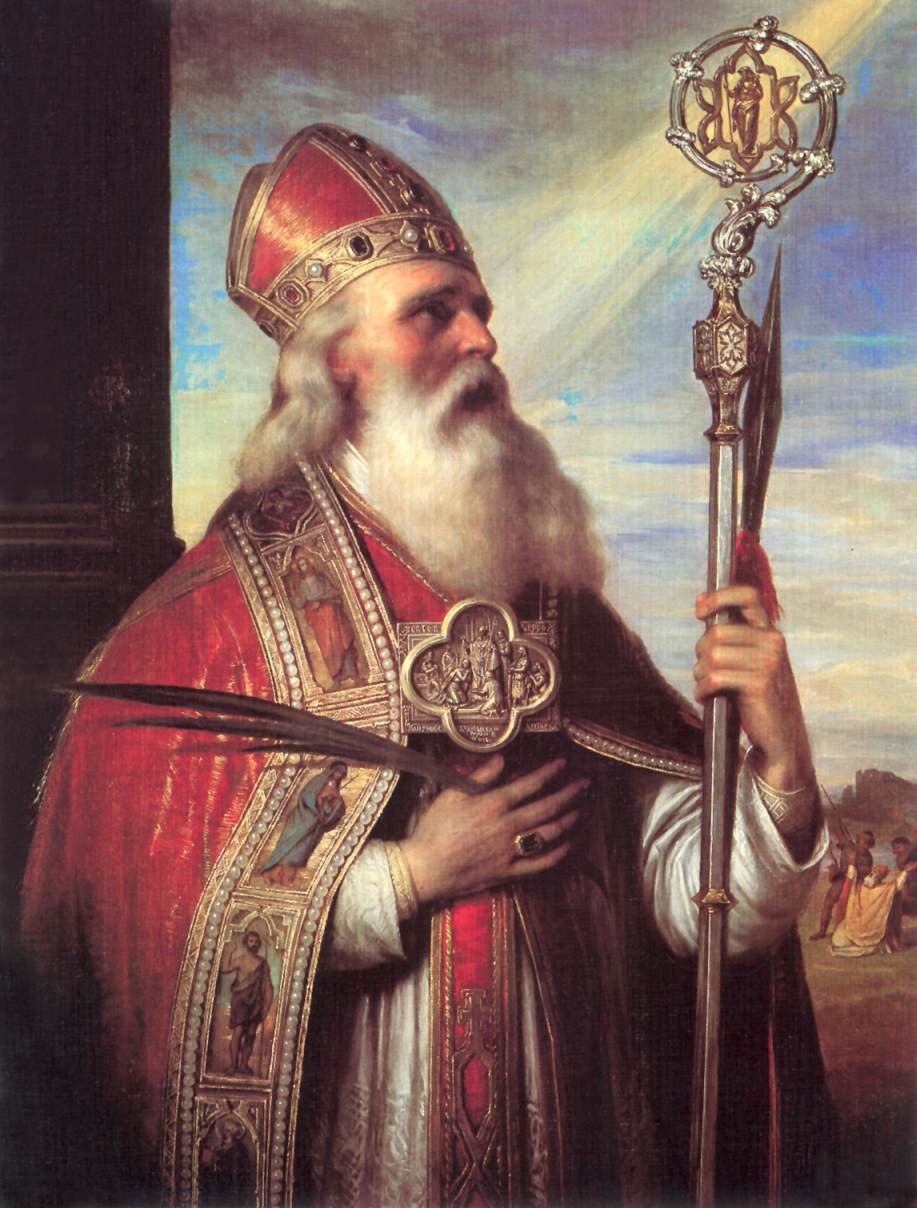
Saint Adalbert, a prominent missionary, arrived in Czech lands to embark on religious endeavors. As the first Czech bishop, he played a pivotal role in spreading Christianity and establishing churches in the region. Adalbert's arrival marked a significant turning point in the religious landscape of Czech society, leading to the conversion of many locals to Christianity.
The event saw widespread enthusiasm among the population as the teachings of Adalbert resonated with many, prompting a surge in religious gatherings and conversions. His efforts to establish churches and monasteries laid the foundation for the growth of Christianity in the Czech lands, leaving a lasting impact on the cultural and religious identity of the region.
Adalbert's arrival not only brought about a religious transformation but also fostered a sense of unity and community cohesion among the Czech people. His teachings and spiritual guidance continue to influence Czech society to this day, shaping the moral and ethical values of many.
#SaintAdalbert #CzechBishop #ReligiousTransformation #ChristianitySpread
View details0971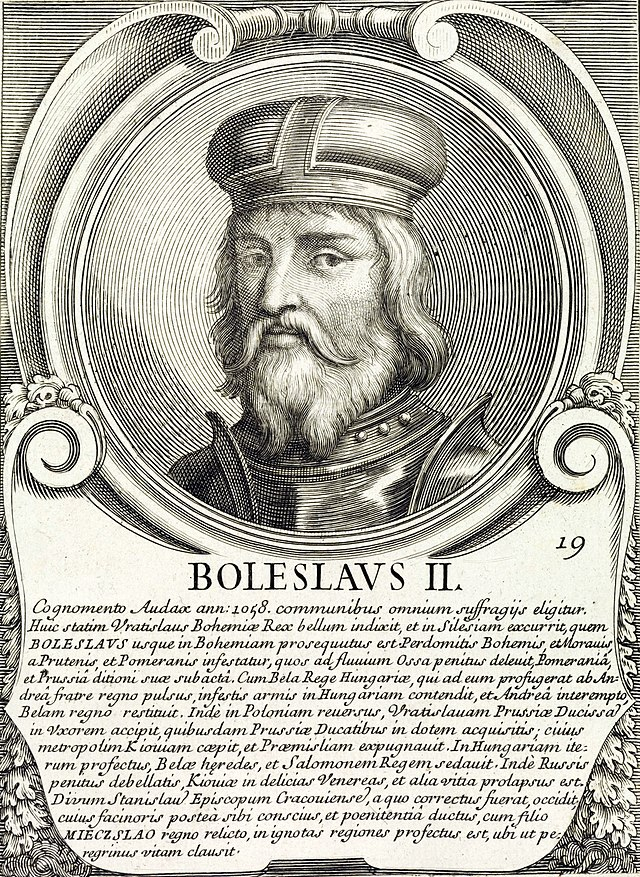
Bohemia's transition into a duchy under Boleslaus II's reign marked a pivotal moment in Czech history. As the territory evolved from a tribal land into a formal duchy, its political structure became more organized. Boleslaus II's rule brought stability and centralization to the region, laying the foundation for future developments in the Czech lands. The establishment of Bohemia as a duchy solidified its status as a distinct political entity within the Holy Roman Empire.
Under Boleslaus II's leadership, Bohemia experienced a period of relative prosperity and growth. The duchy's economy thrived, and cultural and artistic endeavors flourished. This era saw the construction of significant landmarks and the promotion of education and religion.
The consolidation of power under Boleslaus II had a lasting impact on the region, shaping its identity and trajectory. The duchy's increased autonomy allowed for the fostering of a unique Czech identity and culture, distinct from its neighbors.
Bohemia's transformation into a duchy under Boleslaus II was a critical step in its evolution. It set the stage for the future development of the Czech lands and their place within the broader European landscape. The legacy of this event continues to resonate in the Czech Republic today. #Bohemia #BoleslausII #CzechDuchy #MedievalEurope
View details0955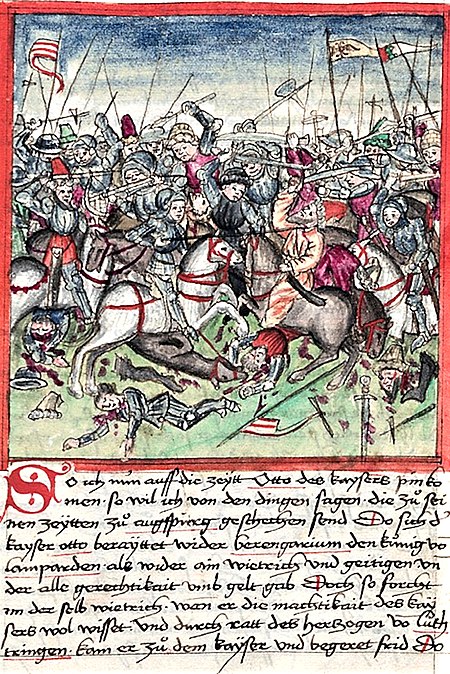
The Battle of Lechfeld saw King Boleslav I of Czech lead his forces to a decisive victory against the Hungarian army. The conflict arose from years of territorial disputes and raids between the two nations, with both sides eager to establish dominance in the region. As the Hungarians advanced into Czech territory, King Boleslav I rallied his troops and engaged them in battle near the Lechfeld Plains.
The Czech forces, known for their disciplined infantry and skilled cavalry, effectively countered the Hungarian's nomadic style of warfare. Despite being outnumbered, King Boleslav I's strategic maneuvers and cohesive army led to a crushing defeat of the Hungarian army. The victory at Lechfeld not only secured Czech sovereignty but also significantly weakened Hungarian influence in the region.
The aftermath of the Battle of Lechfeld marked a turning point in the power dynamics of Central Europe. King Boleslav I's triumph solidified his reputation as a capable military leader and enhanced the prestige of the Czech kingdom. The defeat dealt a severe blow to Hungarian expansionist ambitions and forced them to reevaluate their approach to neighboring territories. Ultimately, the Battle of Lechfeld reshaped the geopolitical landscape of the region for years to come.
#BattleOfLechfeld #KingBoleslavI #CzechHistory #HungarianConflict
View details0918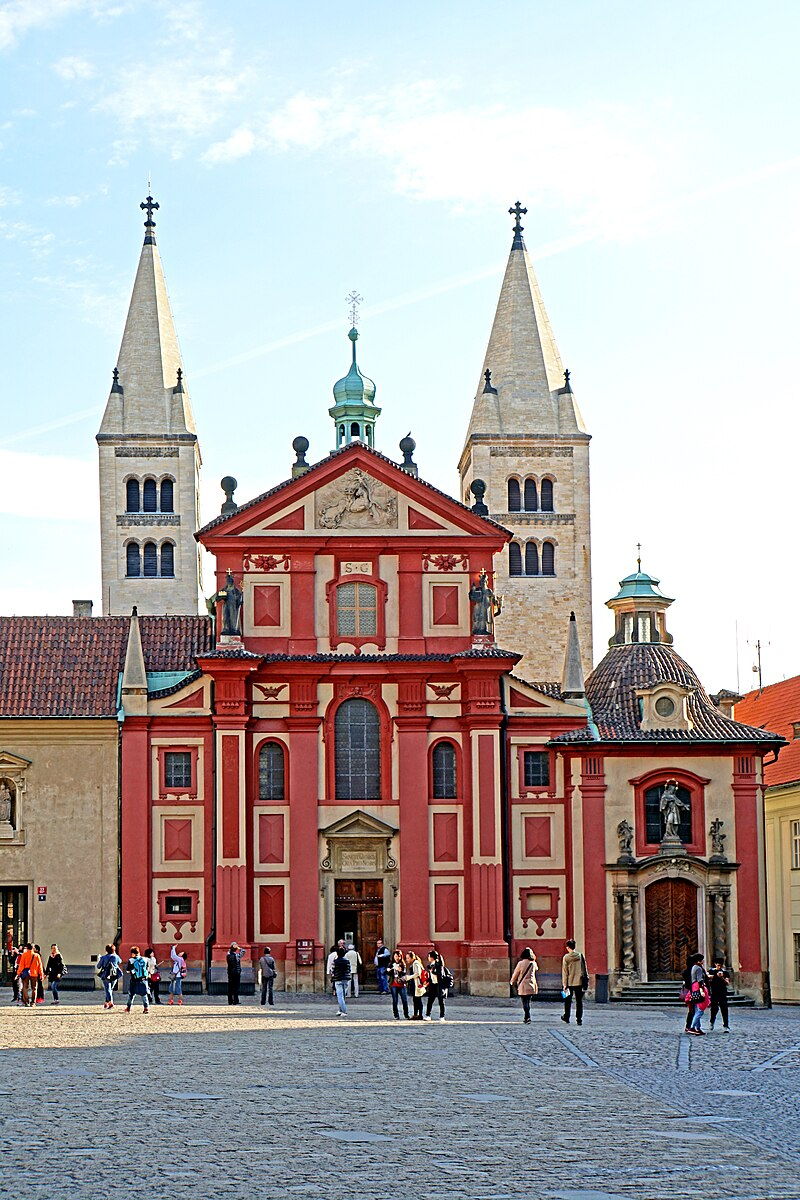
In the early 10th century, the construction of the Church of St. George began in Prague, Czech Republic. Dedicated to St. George, the church stands as one of the oldest surviving churches in the city. Founded by Prince Vratislaus I of Bohemia, the church originally served as a place of worship for the Přemyslid dynasty.
The Church of St. George became an important religious and cultural center in Prague, witnessing centuries of history and architectural evolution. The Romanesque-style building housed tombs of Bohemian nobility and artifacts that reflect the artistic and religious heritage of the region.
Throughout its existence, the church has undergone several renovations and restorations, adapting to different architectural styles and serving various purposes. Today, it stands as a symbol of Prague's rich history and architectural heritage, attracting visitors from around the world.
The construction of the Church of St. George holds a pivotal place in the history of Prague, showcasing the enduring legacy of early Christian architecture in the region. Its significance lies in its role as a religious sanctuary and a testament to the cultural heritage of the Czech Republic.
#PragueHistory #CzechArchitecture #StGeorgeChurch
View details0880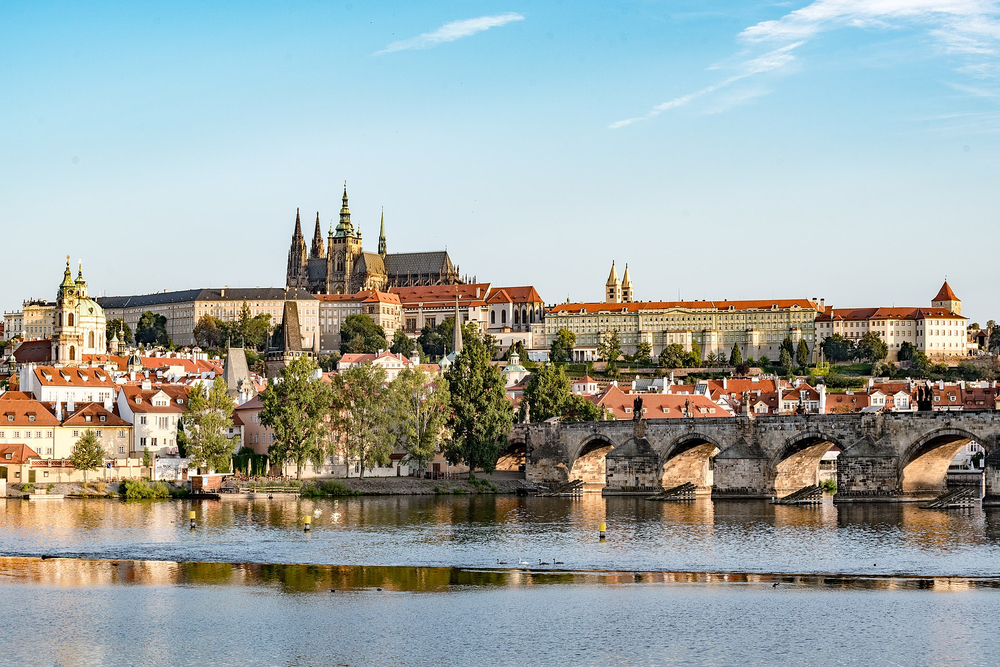
The Prague Castle's establishment in 880 marked the beginning of its significance as the seat of Czech rulers and the current official residency of the President. The strategic location on a hill overlooking the Vltava River provided defensive advantages, contributing to its historical importance. Initially built as a wooden fortress, it evolved over centuries into a majestic complex comprising palaces, churches, and gardens.
The foundation of Prague Castle served as a symbol of power and authority for Czech rulers, playing a pivotal role in the country's governance and politics. The castle witnessed many historical events, including coronations, wars, and political decisions that shaped the Czech Republic's history.
Today, Prague Castle stands as a prominent landmark and a UNESCO World Heritage site, attracting millions of visitors annually. The architecture showcases a blend of Romanesque, Gothic, Baroque, and Renaissance styles, reflecting various periods of history.
This event emphasizes the enduring legacy of the Czech rulers and their role in shaping the country's identity. It highlights the importance of cultural heritage and architectural prowess in understanding the nation's rich history and traditions. #PragueCastle #CzechRulers #HistoricalLegacy #CulturalHeritage
View details