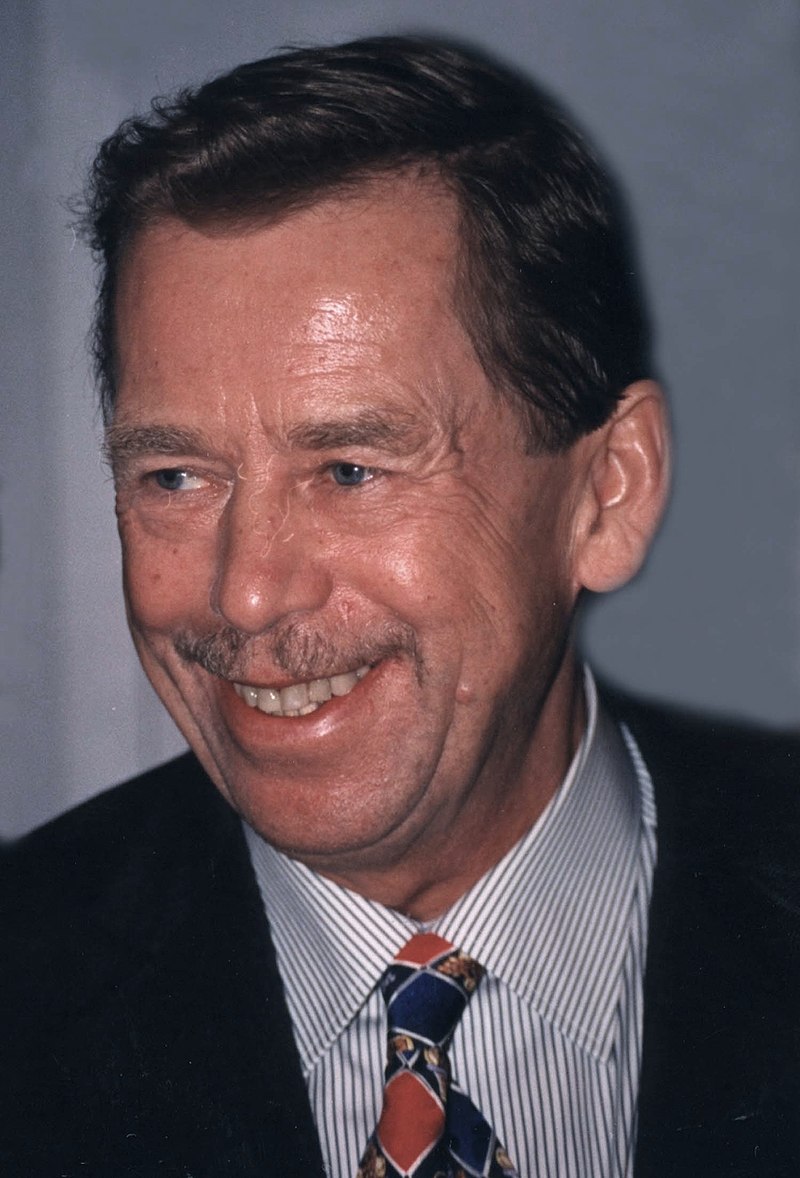
Havel urges Czechs to fight "latent racism" in society after hundreds of Gypsies claim persecution and seek asylum in Canada and the UK.
Czech Republic
7 min read
Updated By: History Editorial Network (HEN)
Published:
In 1997, Václav Havel, the then-President of the Czech Republic, made a significant appeal to his fellow citizens to confront and combat the "latent racism" within their society. This call to action was driven by a troubling surge in the persecution of the Romani community, often referred to as Gypsies, which led to hundreds of Romani individuals seeking asylum in Canada and the United Kingdom.
Background
The Romani people, a historically marginalized ethnic group in Europe, have faced centuries of discrimination and social exclusion. Following the fall of communism in Eastern Europe, these issues became more visible as the new democratic governments struggled to integrate minority communities. In the Czech Republic, the transition to democracy exposed deep-seated prejudices that had been simmering beneath the surface.
The Asylum Crisis
In the mid-1990s, the situation for the Romani people in the Czech Republic deteriorated markedly. Incidents of violence and discrimination against them increased, prompting international concern. Reports emerged of racially motivated attacks, social ostracization, and systemic discrimination in employment, housing, and education.
In response to these conditions, many Romani families began seeking asylum in countries like Canada and the UK, hoping to find safety and better living conditions. The number of asylum seekers grew rapidly, drawing international media attention and putting pressure on the Czech government to address the underlying causes of this exodus.
Havel's Speech
Amidst this backdrop, Václav Havel's speech in 1997 was a watershed moment. Known for his moral integrity and commitment to human rights, Havel did not shy away from confronting uncomfortable truths about his country. He acknowledged the existence of "latent racism" and emphasized that it was not enough to merely reject overt acts of discrimination; society had to actively work against the prejudices that fueled such behavior.
Havel urged his compatriots to reflect on their attitudes towards the Romani community and to strive for a more inclusive society. His call was both a moral appeal and a pragmatic response to the growing international criticism of the Czech Republic's handling of ethnic minorities.
Impact and Legacy
Havel's speech was significant in several ways. It brought the issue of racism and discrimination into the national conversation, challenging Czechs to confront biases that many preferred to ignore. It also highlighted the responsibility of the government and civil society to protect minority rights and ensure equal treatment for all citizens.
While Havel's words did not immediately solve the problems faced by the Romani community, they did contribute to a broader awareness and dialogue about racism in the Czech Republic. Over time, this awareness has led to various initiatives aimed at improving the conditions for Romani people, though challenges remain.
The issue of Romani rights continues to be a critical concern in the Czech Republic and across Europe. Havel's speech is often remembered as a courageous stand for human dignity and a reminder of the ongoing struggle against racism and discrimination.
#MomentsOfLife #MoofLife_Moment #MoofLife #VáclavHavel #CzechRepublic #RomaniRights #HumanRights #EndRacism #1997 #SocialJustice #EuropeanHistory
Primary Reference
Czech Republic - Timeline - BBC News

Explore the Life Moments of
 AI Twin