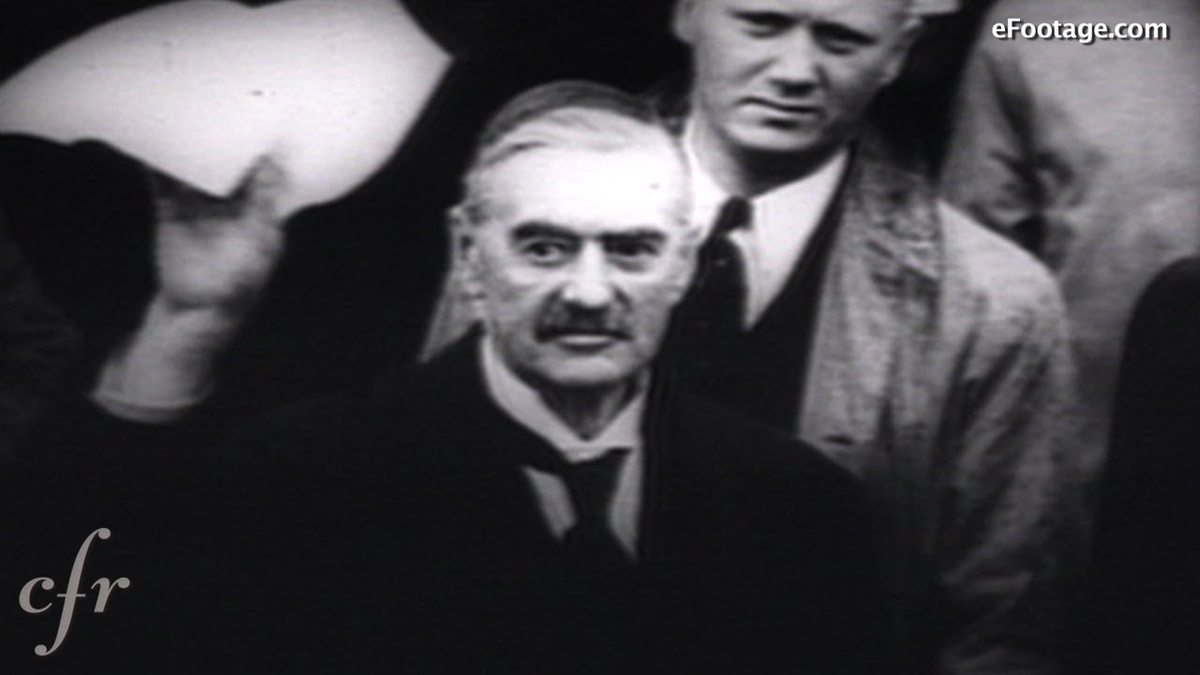
Munich Agreement: Sudetenland Annexation by Nazi Germany
Czech Republic

Political
3 min read
Updated By: History Editorial Network (HEN)
Published:
In 1938, escalating tensions in Europe led to the Munich Agreement, where the major powers decided the fate of Sudetenland, a region in Czechoslovakia with a significant ethnic German population. Under threat of war, the Czech government reluctantly ceded Sudetenland to Nazi Germany, with British and French support. The agreement was seen as appeasement, aiming to avoid conflict with Hitler's aggressive expansionism.
The Munich Agreement not only allowed Nazi Germany to gain more territory without facing opposition but also significantly weakened Czechoslovakia, losing a key defensive region. This event highlighted the failure of international diplomacy in preventing the ambitions of a militaristic regime and set a dangerous precedent for further aggression. The annexation of Sudetenland by Nazi Germany emboldened Hitler, leading to further expansionist moves and ultimately contributing to the outbreak of World War II.
The Munich Agreement's repercussions were felt not only by Czechoslovakia but by all of Europe, as it demonstrated the limitations of appeasement and the dangers of unchecked aggression. It stands as a stark reminder of the consequences of allowing authoritarian regimes to dictate international affairs. #MunichAgreement #Sudetenland #NaziGermany #Appeasement #WorldWarII #CzechRepublic
Primary Reference
Munich Agreement - Wikipedia

Explore the Life Moments of
 AI Twin