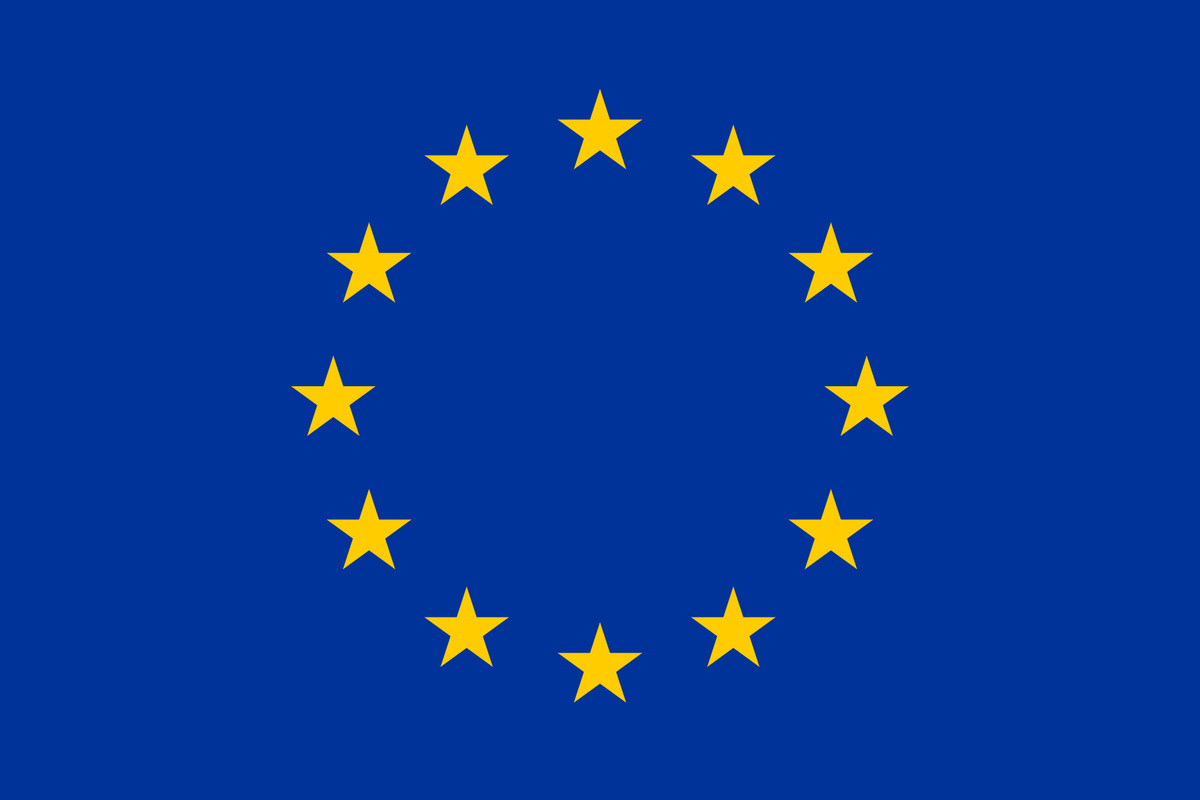
Czech Republic's Entry into the EU
Czech Republic

Political
Economic Growth
3 min read
Updated By: History Editorial Network (HEN)
Published:
The Czech Republic officially became a member of the European Union, marking a significant milestone in its history. After undergoing economic and political reforms following the dissolution of Czechoslovakia in 1993, the country applied for EU membership. The accession negotiations were intense, with the Czech Republic having to align its laws and regulations with the EU standards.
Joining the EU opened up numerous opportunities for the Czech Republic, including access to the single market and receiving financial assistance for development projects. It also signaled a commitment to democracy, the rule of law, and human rights. The country gained a stronger voice in European affairs and was able to participate in shaping EU policies.
The impact of joining the EU was felt across various sectors in the Czech Republic, from trade and investment to education and culture. EU membership brought about increased foreign investment, leading to economic growth and job creation. Citizens of the Czech Republic gained the freedom to live, work, and study in other EU countries, enhancing cultural exchange and cooperation.
The Czech Republic's journey to EU membership was a significant turning point in its history, solidifying its place in the European community and fostering collaboration with neighboring countries. #CzechRepublic #EuropeanUnion #Membership #EconomicGrowth #CulturalExchange
Primary Reference
From 6 to 27 members - European Commission
Explore the Life Moments of
 AI Twin