
Czech Republic

The Heart of Europe
Related Lives

Panama
The Crossroads of the Americas

New Zealand
The Journey Through New Zealand

Belarus
Land of Lakes and Forests

History of Internet & Social Media
From Cold War Wires to Global Web

Olympics
The Grandest Stage of All
Uganda
Pearl of Africa

Greece
The Cradle of Western Civilization.

President of Chad
Head of the State

1920
After the end of World War I, Czechoslovakia emerged as an independent state from the dissolved Austro-Hungarian Empire. The country's leaders sought to establish diplomatic relations with the international community, leading to becoming a member of the League of Nations.
Joining the League of Nations provided Czechoslovakia with a platform to engage in dialogue and collaborations with other nations, promoting peace and cooperation. It signified international recognition of Czechoslovakia's sovereignty and helped to solidify its position on the world stage.
Membership in the League of Nations enabled Czechoslovakia to participate in discussions and decisions impacting global affairs, as well as contribute to international initiatives aimed at preventing future conflicts. The country's involvement in the League of Nations underscored its commitment to upholding the principles of collective security and diplomacy.
The decision for Czechoslovakia to join the League of Nations marked a significant step in the country's post-war development, emphasizing its dedication to engaging constructively with the international community to pursue mutual goals of peace and stability.
#Czechoslovakia #LeagueOfNations #Diplomacy
View details1918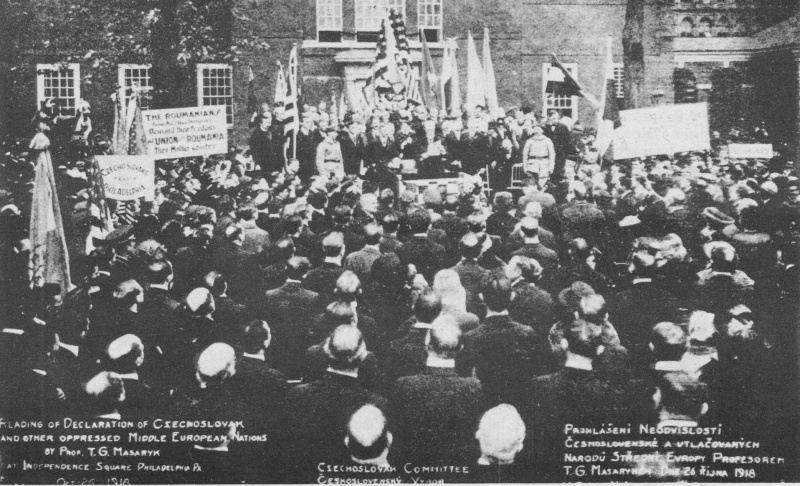
After the fall of the Austro-Hungarian Empire, Czechoslovakia declared its independence. The dissolution of the empire provided an opportunity for the Czech and Slovak people to establish their own sovereign state. The declaration marked the culmination of years of advocacy for independence and national self-determination.
The new republic faced challenges in defining its borders and establishing a stable government. Despite these difficulties, the independence of Czechoslovakia was a significant achievement for the people of the region. The establishment of the republic brought a sense of national pride and identity to the Czech and Slovak populations.
The independence of Czechoslovakia had a lasting impact on the political landscape of Europe. It served as an example of national liberation movements in the aftermath of World War I. The new republic played a key role in the development of Central Europe and became an important player in international relations.
The declaration of independence after the fall of the Austro-Hungarian Empire was a momentous event in Czechoslovak history. It symbolized the aspirations of the Czech and Slovak people for self-governance and freedom.
#Czechoslovakia #Independence #AustroHungarianEmpire #NationalIdentity
View details1860
In February 1862, the Czech Sokol organization was founded with the aim of promoting physical education and fostering national consciousness among Czech people. The Sokol movement emerged during a time of increased nationalism and cultural revival in Czech lands under the Austrian Empire. The organization encouraged the physical and intellectual development of its members, emphasizing the importance of a strong, healthy body and mind in service of the nation.
The Sokol movement played a significant role in uniting Czech communities, particularly in fostering a sense of national identity and pride. Through gymnastics, sports, and cultural activities, Sokol members celebrated Czech heritage and contributed to the preservation of Czech language and traditions. The organization provided a platform for social interaction, education, and resistance against cultural suppression.
The founding of the Czech Sokol organization marked a crucial moment in the history of Czech nationalism, as it empowered individuals to actively participate in the promotion of their cultural identity. Its impact extended far beyond the realm of physical education, influencing the cultural and political landscape of Czech society. Today, the legacy of the Sokol movement lives on in the promotion of physical fitness and national pride in the Czech Republic.
#CzechSokol #NationalIdentity #CulturalRevival #PhysicalEducation
View details1848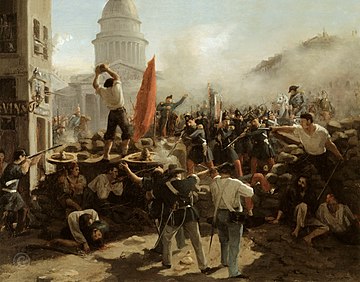
In 1848, the Austrian Empire faced widespread uprisings known as the Revolutions of 1848, driven by demands for political and social reforms. The uprisings led to a brief period of liberal reforms in the empire, including the introduction of a constitution that aimed to grant more rights to citizens and limit the powers of the monarchy.
The unrest in the Empire was fueled by growing discontent among the diverse ethnic and social groups that made up the empire, including the Czechs who sought greater autonomy and rights within the empire. The Revolutions of 1848 provided an opportunity for these groups to push for their demands and achieve some level of success.
The liberal reforms introduced during this period were a significant departure from the conservative policies that had characterized the Austrian Empire in the past. However, the period of liberal reforms was short-lived, as conservative forces within the empire managed to regain control and roll back many of the changes that had been implemented.
Despite the eventual reversal of many of the reforms, the Revolutions of 1848 in the Austrian Empire marked a significant moment in the history of the Czech Republic and other territories within the empire, as it demonstrated the potential for change and the power of popular movements to shape political developments.
#RevolutionsOf1848 #AustrianEmpire #LiberalReforms #CzechRepublic
View detailsIn 1848, citizens of Prague rose up against the Habsburg Monarchy, seeking to overthrow their oppressive rule and establish greater autonomy. The uprising was part of a wave of revolutionary movements across Europe during that period, fueled by desires for political freedom and national independence.
The people of Prague, inspired by nationalist sentiments and discontent with the Habsburg regime, took to the streets to voice their demands for constitutional rights and self-governance. The rebellion ultimately led to clashes between the insurgents and the imperial forces, resulting in bloodshed and widespread destruction in the city.
Although the Prague Uprising was eventually suppressed by the Habsburg army, it marked a significant moment in the Czechs' struggle for independence and galvanized the nationalist movement in the region. The events of the uprising also contributed to the broader revolutionary wave sweeping through Europe in 1848, which aimed to challenge established authority and promote democratic reforms.
The legacy of the Prague Uprising against the Habsburg Monarchy endures in Czech history as a symbol of resistance and national pride, embodying the aspirations of the Czech people for freedom and self-determination. #PragueUprising #HabsburgMonarchy #CzechNationalism
View details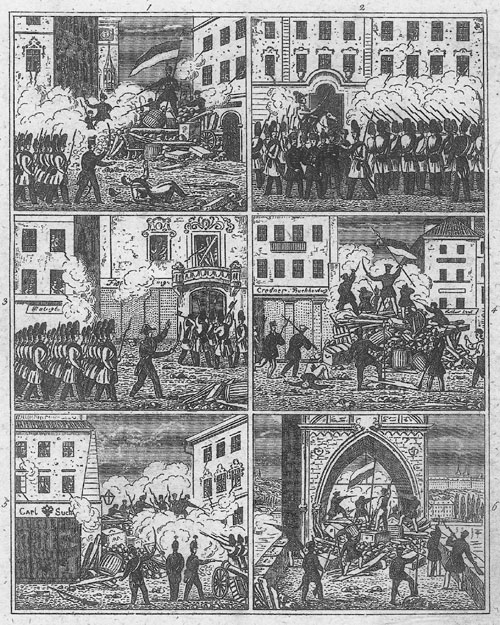
1805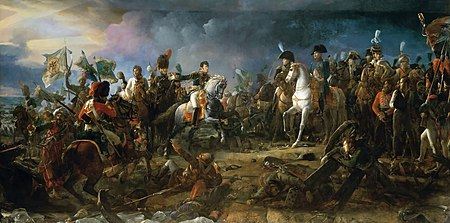
The Battle of Austerlitz, also known as the Battle of the Three Emperors, arose amidst the Napoleonic Wars when French forces, led by Emperor Napoleon, clashed with the combined armies of the Russian Empire and the Austrian Empire. The battle took place near the town of Austerlitz in the Czech Republic, strategically positioned in the region of Moravia.
Napoleon's tactical genius shone during the battle, employing a plan that lured the Allied forces into a vulnerable position, leading to their decisive defeat. The French army showcased superior maneuvering and coordination, securing a remarkable victory despite being outnumbered. The aftermath of the battle marked a significant turning point in the Napoleonic Wars, solidifying Napoleon's reputation as a military mastermind.
The consequences of the Battle of Austerlitz were profound, resulting in the signing of the Treaty of Pressburg between France and Austria, which led to the dissolution of the Holy Roman Empire. Moreover, the defeat dealt a severe blow to the coalition opposing Napoleon, ultimately reshaping the political landscape of Europe.
#BattleofAusterlitz #NapoleonicWars #TreatyofPressburg #MilitaryHistory #CzechRepublic
View details1794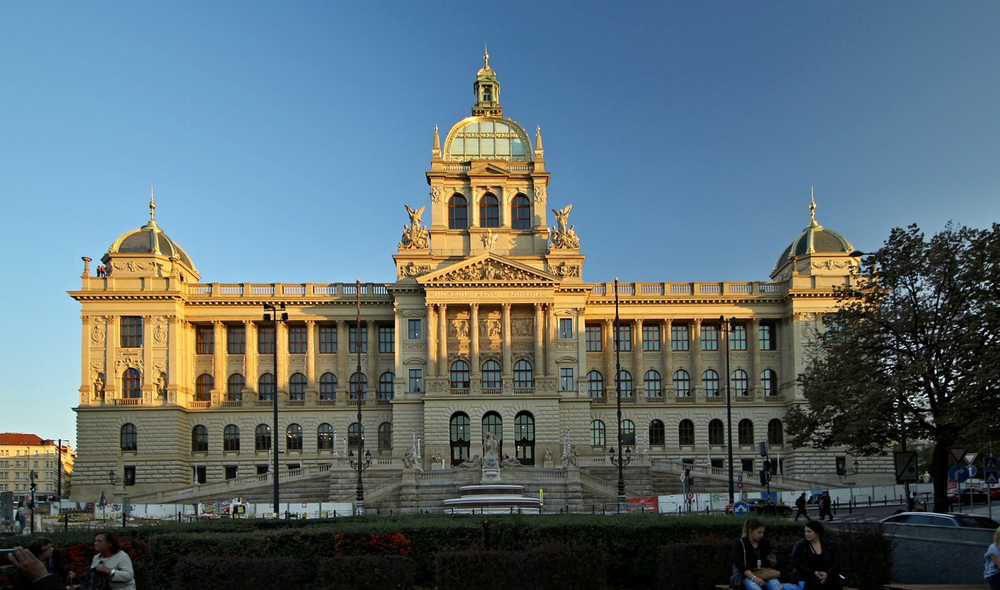
The Czech National Revival arose as a widespread cultural movement to revive and promote the Czech language and national identity. Beginning in 1796, it emerged in response to a period of Germanization and suppression of Czech language and culture. Prominent figures such as Josef Dobrovský and Josef Jungmann played vital roles in revitalizing the Czech language through literature and education.
The movement aimed to restore pride in Czech heritage, language, and customs, fostering a sense of unity among the Czech people. This revival significantly contributed to the preservation and development of Czech culture, enabling a resurgence of Czech literature, folklore, and national consciousness.
The cultural renaissance brought about by the Czech National Revival sparked a renewed interest in Czech history, language, and traditions, serving as a catalyst for the eventual push towards Czech national independence. The movement laid the groundwork for the Czech Republic's cultural landscape today, emphasizing the importance of language and identity in shaping a nation's character.
#CzechNationalRevival #CulturalMovement #CzechLanguage #IdentityPromotion #NationalPride
View details1765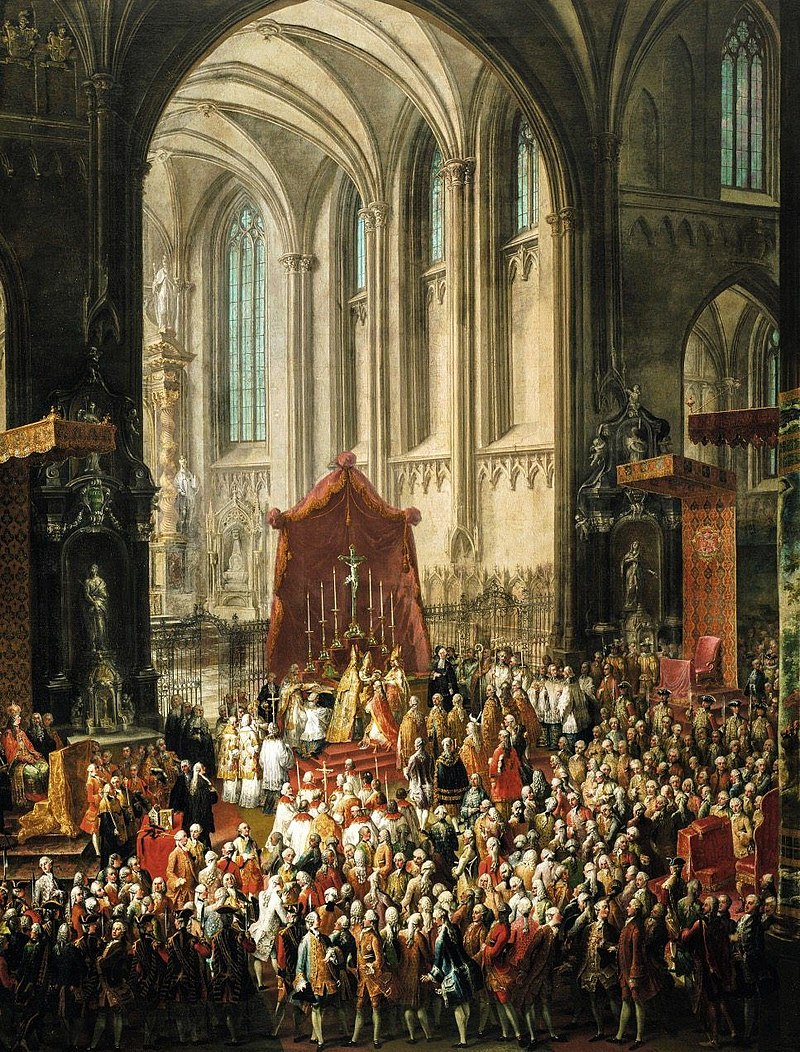
Joseph II, son of Empress Maria Theresa, ascended to the throne as the Holy Roman Emperor. His reign marked a significant shift in the governance of the Habsburg Monarchy. Embracing Enlightenment ideals, Joseph II initiated several reforms aimed at modernizing the administration, legal system, and economy of the Empire. He sought to centralize power, promote religious tolerance, and implement policies to improve the lives of the common people.
One of Joseph II's most notable reforms was the Edict of Tolerance, which granted religious freedom to Protestant and Orthodox Christians in the predominantly Catholic Empire. He also introduced measures to abolish serfdom and implemented policies to improve the education and healthcare systems.
Despite his intentions, Joseph II faced opposition from nobles, clergy, and various other groups resistant to change. His ambitious reforms often met with strong resistance, leading to tensions within the Empire. Nonetheless, his efforts laid the groundwork for future modernization and liberalization in the region.
Joseph II's reign as Holy Roman Emperor left a lasting impact on the history of the Habsburg Monarchy, reflecting a period of enlightenment and reform in Central Europe. His legacy continues to be a subject of historical study and debate, showcasing both the challenges and achievements of his rule. #JosephII #HolyRomanEmperor #EnlightenmentReforms #HabsburgMonarchy.
View details1757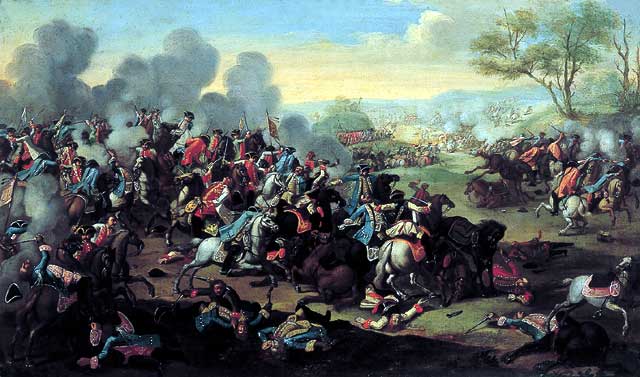
The Battle of Kolin saw the Prussian army, led by King Frederick the Great, facing off against the Austrian forces under the command of Field Marshal Count Leopold Joseph von Daun. The conflict arose during the Seven Years' War, a struggle for supremacy in Europe. The Prussians were on the offensive, seeking to capture the Bohemian city of Prague, which was a key strategic location.
Despite Frederick's renowned military prowess, the Austrian troops managed to outmaneuver the Prussians, causing heavy casualties and forcing them to retreat after a fierce and bloody battle. The defeat at Kolin marked a significant setback for Prussia, altering the course of the war in favor of the Austrian forces.
This clash highlighted the effectiveness of Austrian defensive tactics and their ability to counter Frederick's aggressive strategies. The Battle of Kolin underscored the complexity and volatility of warfare during the 18th century, where tactical decisions and battlefield conditions could swiftly change the outcome of a conflict. The repercussions of this engagement reverberated throughout the region, shaping subsequent military campaigns and alliances.
#SevenYearsWar #Prussia #Austria #BattleofKolin #Bohemia #FredericktheGreat #MilitaryHistory
View details1743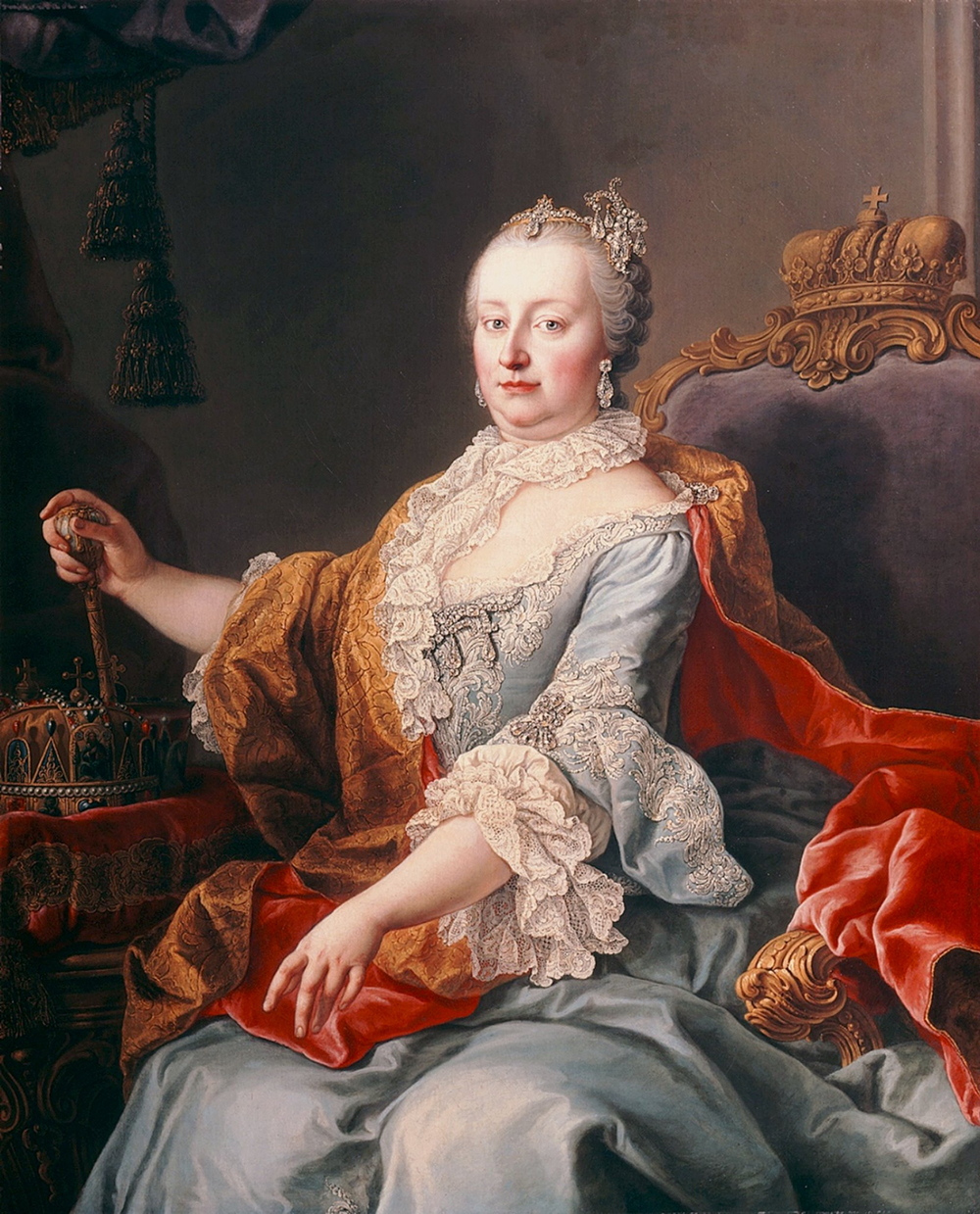
On the occasion of Maria Theresa's coronation as Queen of Bohemia, a historic event unfolded in Czech history. Maria Theresa, a member of the Habsburg dynasty, ascended to the throne amidst political turmoil following the death of her father, Emperor Charles VI.
The coronation ceremony in St. Vitus Cathedral in Prague solidified Maria Theresa's authority and legitimacy as the ruler of Bohemia. Her crowning symbolized a significant moment of transition for the Czech people, marking a new era under her rule. The event served to strengthen ties between the Habsburg monarchy and the Czech lands, fostering a sense of unity and stability.
Maria Theresa's reign brought about various reforms and improvements in the legal, economic, and social aspects of Bohemian society. Her legacy as a competent ruler and reformer left a lasting impact on the Czech lands, shaping their future development.
The coronation of Maria Theresa as Queen of Bohemia stands as a pivotal moment in Czech history, highlighting the importance of the Habsburg monarchy in shaping the country's political landscape. It signifies a period of change and progress, marking the beginning of a new chapter for the Czech people under her enlightened rule.
#MariaTheresa #Bohemia #HabsburgMonarchy #CzechHistory
View details1711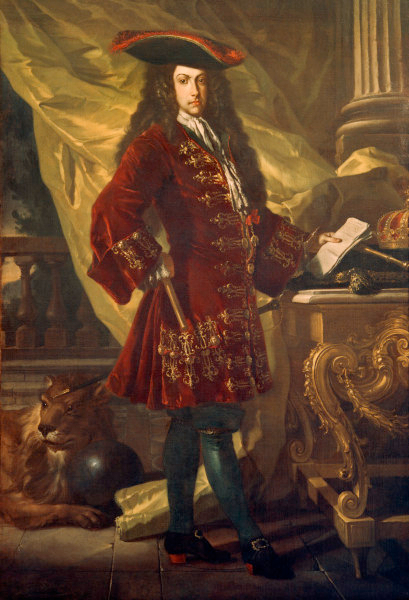
In Prague Castle, Charles VI was coronated as Holy Roman Emperor, marking a momentous occasion in European history. The event symbolized the continuation of the Habsburg dynasty's power and their influence over Central Europe. The grand ceremony held in Prague, then part of the Habsburg Monarchy, solidified the emperor's authority and legitimacy.
Charles VI's coronation reinforced the Habsburgs' position as one of the most powerful ruling families in Europe during that era. The event served as a display of wealth, power, and political importance, showcasing the grandeur of the Habsburg Empire.
The coronation ceremony in Prague Castle was attended by nobles, dignitaries, and representatives from various parts of the empire. It was a significant moment in Czech history, highlighting the country's close ties to the Holy Roman Empire and the Habsburgs.
The impact of Charles VI's coronation reverberated across Europe, emphasizing the political and cultural significance of the Habsburg dynasty. The event underscored the interconnectedness of European monarchies and the complex power dynamics of the time.
#PragueCastle #HolyRomanEmperor #HabsburgDynasty #EuropeanHistory
View details1648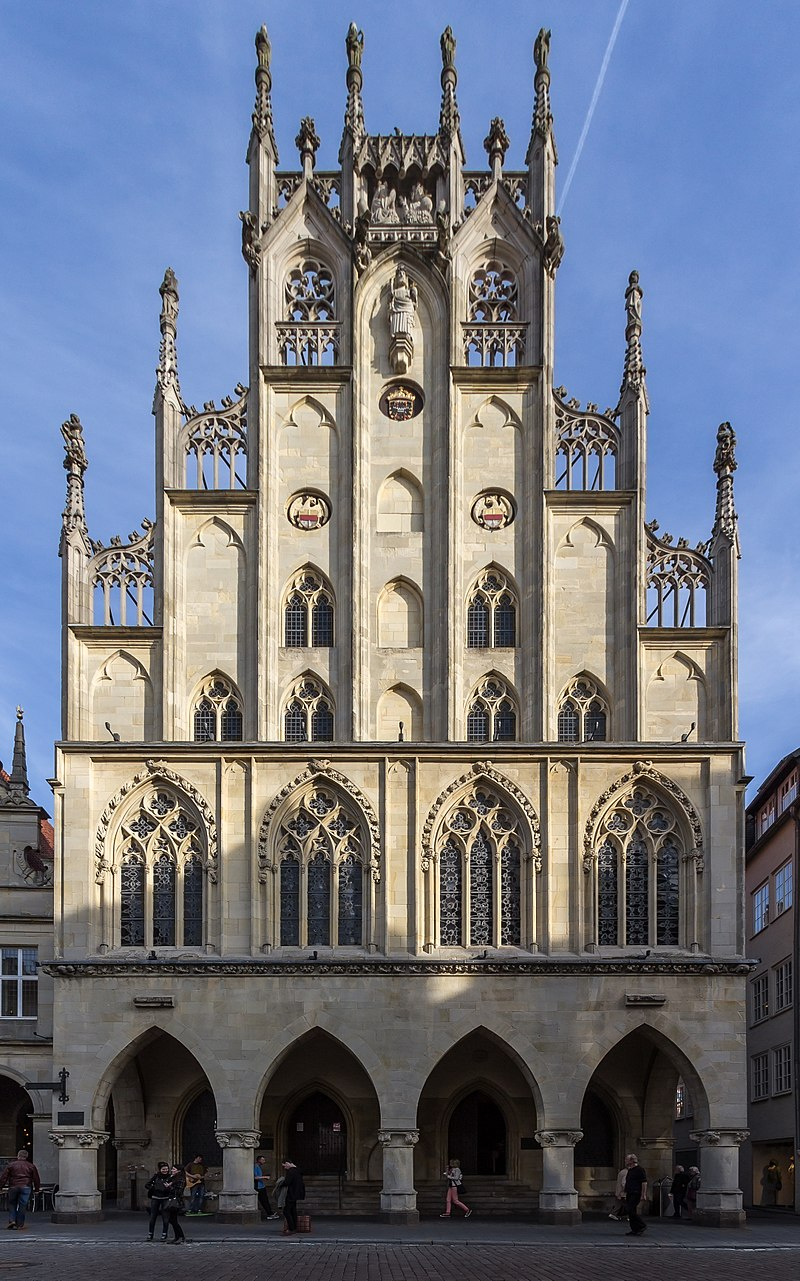
Amidst the chaos of the Thirty Years' War, the Peace of Westphalia acknowledged the Bohemian Estates' entitlement to uphold Protestantism. This recognition marked a pivotal shift in European politics and religious tolerance. The Bohemian Estates, striving to protect their religious autonomy, gained the right to practice Protestantism without fear of persecution.
This development held immense significance, not only for the Bohemian region but also for the broader European landscape. It set a precedent for religious coexistence and tolerance, paving the way for the acknowledgment of diverse faiths within the continent. The acknowledgment of the Bohemian Estates' right to practice Protestantism symbolized a crucial step towards religious freedom and peace in the aftermath of a devastating war.
The Peace of Westphalia, by recognizing the Bohemian Estates' religious rights, contributed to the establishment of a more inclusive and harmonious European society. It reflected a growing understanding of the importance of respecting religious diversity and laid the foundation for future religious freedoms in Europe.
#PeaceofWestphalia #BohemianEstates #ReligiousFreedom #Tolerance #EuropeanHistory #ThirtyYearsWar
View details1621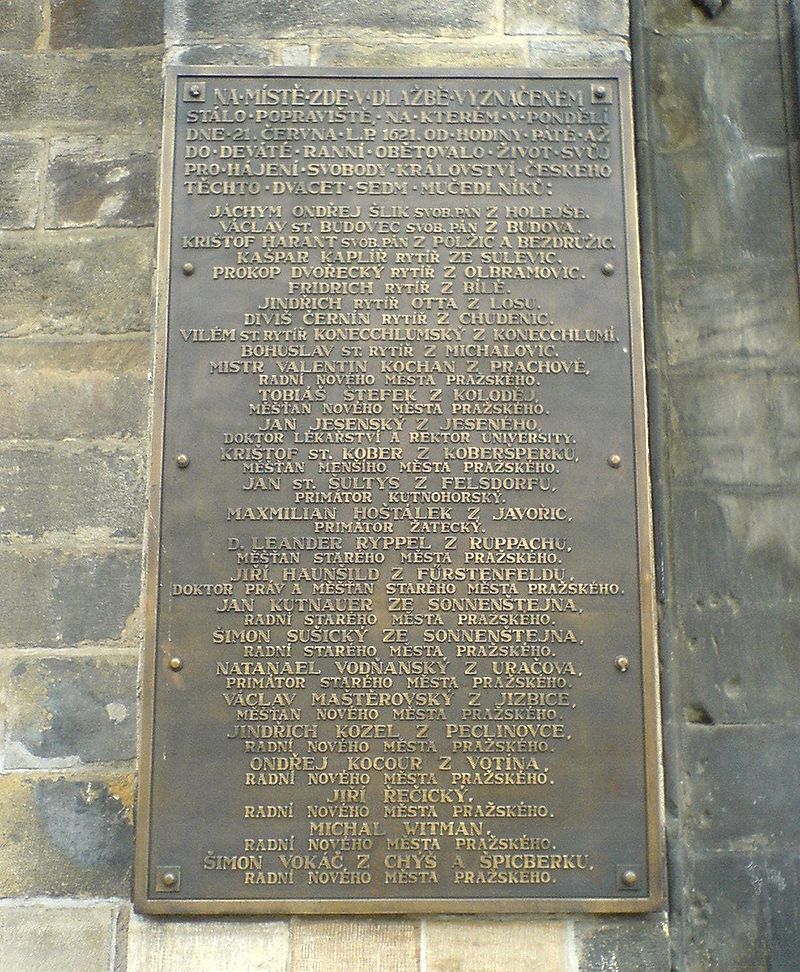
In the aftermath of the Battle of White Mountain during the Thirty Years' War, the Habsburg Monarchy sought to suppress Protestantism in Bohemia. As a result, 27 Czech Protestant leaders were executed in the Old Town Square. This brutal act was intended to instill fear and quash any resistance to the Catholic Habsburg rule.
The execution sent shockwaves through the Protestant community in Bohemia and beyond, signaling the harsh consequences of defying the Catholic authorities. It also solidified the Habsburg Monarchy's control over the region and marked a turning point in the religious landscape of Bohemia.
The 27 Protestant leaders, including nobles, knights, and burghers, were publicly executed in a display of power and dominance. Their martyrdom would later be remembered as a symbol of religious persecution and resistance against oppressive regimes.
This event serves as a stark reminder of the religious conflicts and political turmoil that plagued Europe during the early 17th century. The legacy of the execution of the 27 Czech Protestant leaders in the Old Town Square continues to resonate in the collective memory of the Czech people, highlighting the enduring struggle for religious freedom and civil liberties. #ReligiousPersecution #HabsburgMonarchy #ProtestantResistance
View details1620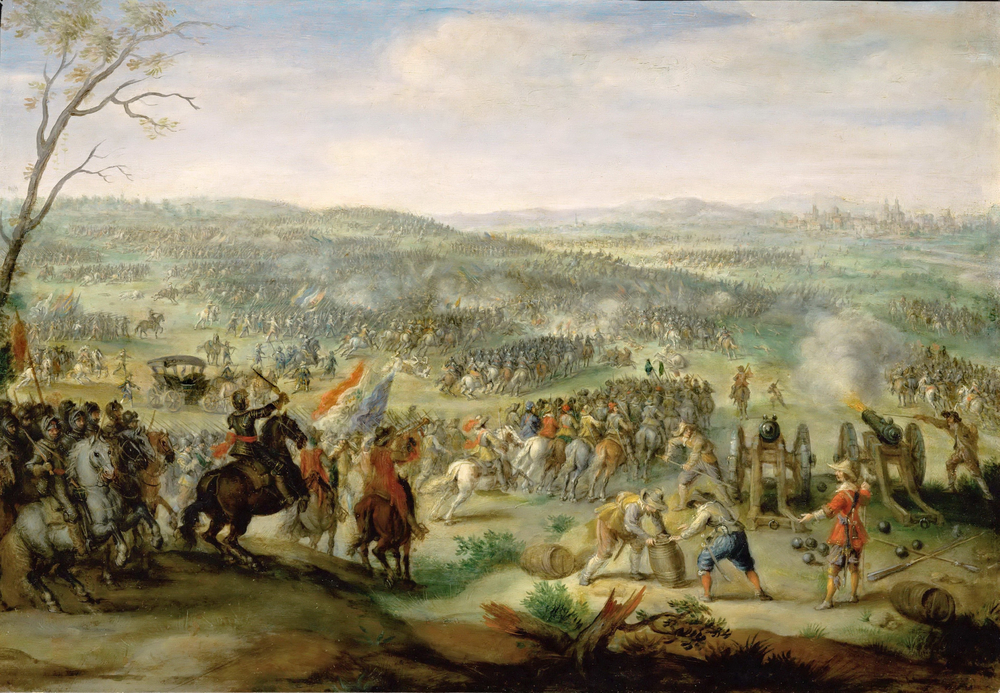
The Battle of White Mountain was a pivotal event in the Thirty Years' War, fought in the landscape outside Prague. The battle unfolded due to tensions between Bohemian Protestants and the Catholic Habsburg rulers. The Bohemians, led by Frederick V, sought to defend their religious freedom and independence against the Habsburg forces. The outcome of the battle was decisive, with the Habsburg army emerging victorious, leading to the suppression of the Bohemian Revolt.
The consequences of the Battle of White Mountain were far-reaching. It marked the beginning of the Thirty Years' War and set the stage for decades of conflict across Europe. The defeat of the Bohemians resulted in the re-Catholicization of Bohemia and reaffirmed Habsburg dominance in the region. The war that ensued would lead to widespread devastation, with millions of casualties and significant political and territorial realignments.
The Battle of White Mountain serves as a symbol of the clash between religious and political interests in 17th-century Europe. Its legacy is felt in the cultural and political landscape of the Czech Republic and beyond. The event continues to be commemorated as a reminder of the enduring impact of war and the quest for power. #ThirtyYearsWar #ReligiousConflict #HabsburgDominance.
View details1618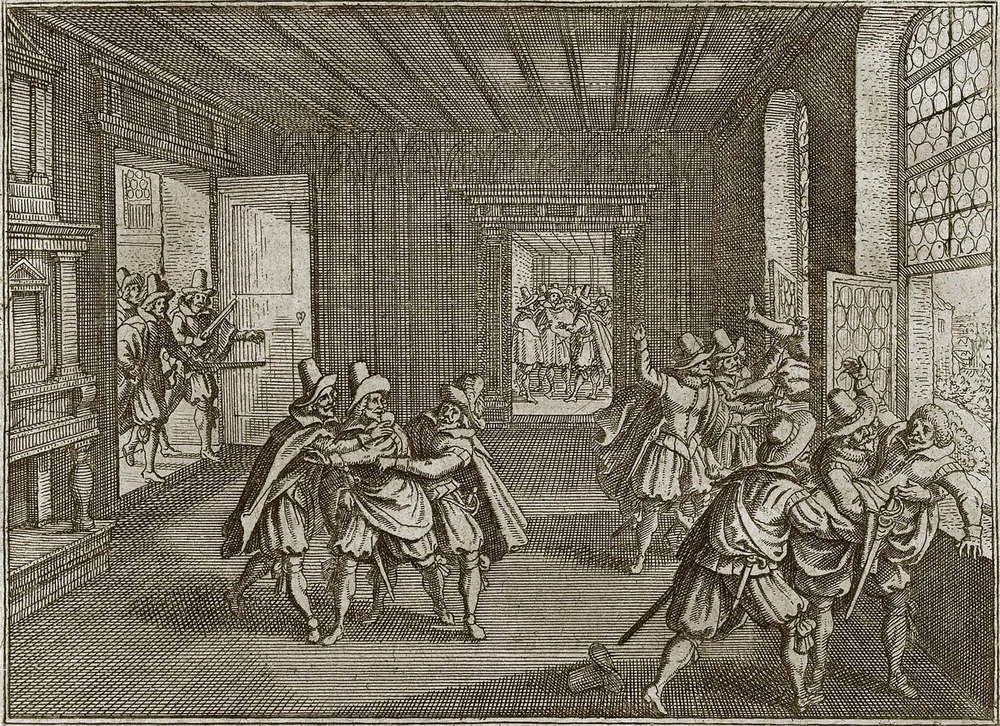
The Second Defenestration of Prague was a pivotal event in Bohemian history that triggered the Thirty Years' War. It occurred at Prague Castle when two imperial governors were thrown out of a window by Bohemian nobles who opposed the Habsburg rule. The governors survived the fall, which was seen as a miracle by Catholics and a defiance of authority by Protestants. The conflict between Protestants and Catholics was already tense due to religious reforms imposed by the Habsburgs.
The defenestration led to a Bohemian revolt against the Habsburgs, further escalating into a broader European war. The Thirty Years' War became one of the most destructive conflicts in European history, with battles fought across the continent over religious and political supremacy. It reshaped the map of Europe and significantly weakened the power of the Holy Roman Empire.
The Second Defenestration of Prague symbolized the deep-seated religious and political tensions that plagued Europe during the early 17th century. It highlighted the defiance of local nobility against imperial authority and set off a chain of events that had far-reaching consequences for the region.
#Bohemia #ThirtyYearsWar #ReligiousConflict #EuropeanHistory
View details1615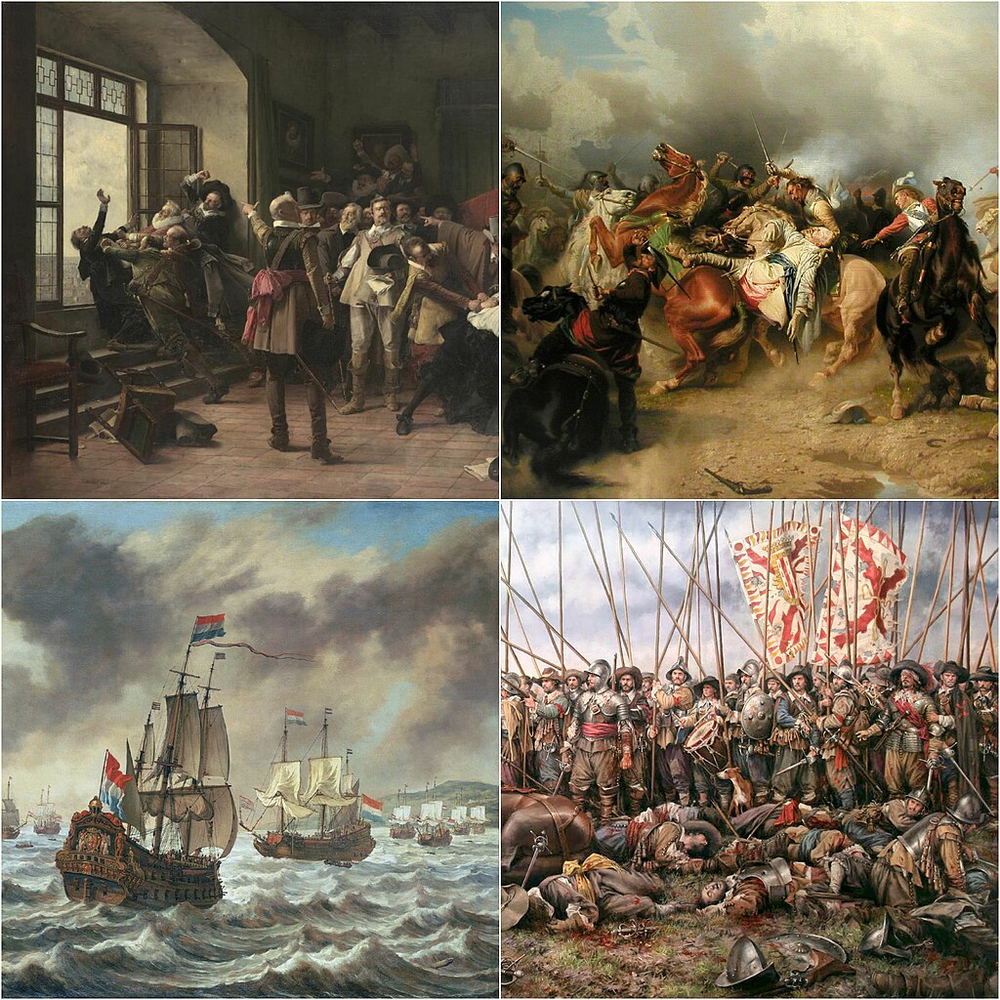
Amidst escalating tensions between the Czech Estates and the Habsburg Monarchy, an event unfolded that altered the course of history. The Czech Estates, fearing religious oppression and loss of autonomy, reached a breaking point. In a daring move, they took matters into their own hands and revolted against the Habsburg rulers. This act of defiance was a culmination of long-standing grievances over religious and political freedoms.
The revolt of the Czech Estates sent shockwaves across Europe, sparking a bloody conflict known as the Thirty Years' War. The conflict drew in neighboring countries and resulted in widespread devastation and loss of life. The Czech Estates, though initially successful in asserting their independence, eventually faced defeat at the hands of the Habsburg forces.
Despite the ultimate failure of the revolt, it marked a turning point in the relationship between the Czech people and the Habsburg Monarchy. It laid bare the deep-seated tensions and grievances that had simmered beneath the surface for years. The event served as a catalyst for future uprisings and movements towards independence.
#CzechEstates #HabsburgMonarchy #ThirtyYearsWar #Autonomy #Revolt #Independence
View details1541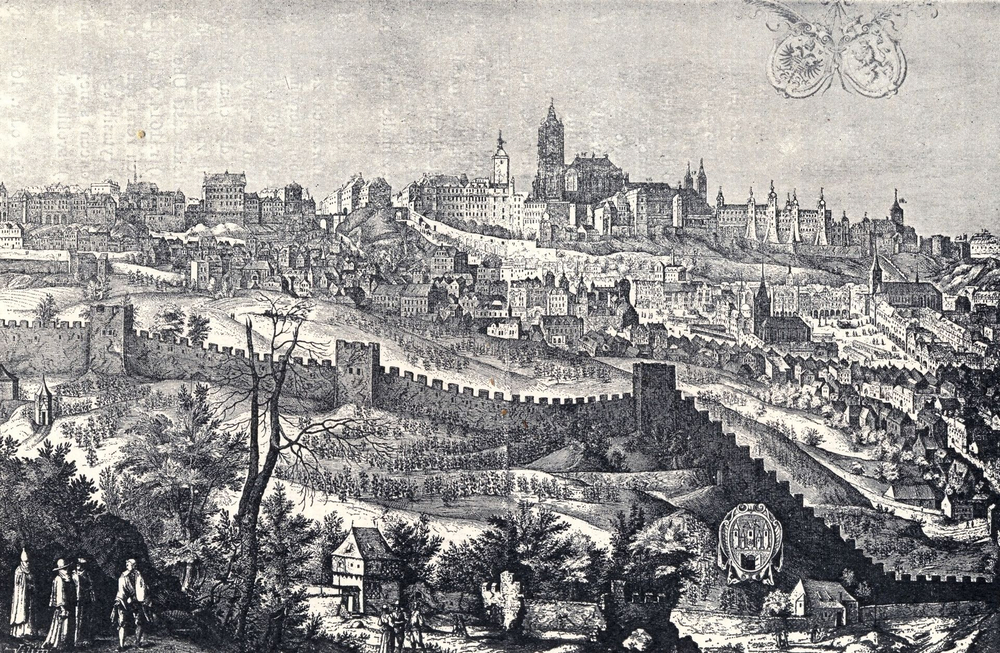
The Prague Castle fire of 1541 devastated the historical site, known as one of the most important landmarks in Czech history. The fire, starting in the Lesser Quarter, quickly spread to the Castle complex, destroying valuable documents, artwork, and architectural structures. It took days for the blaze to be fully extinguished, leaving a trail of destruction and loss.
The impact of the fire was significant, both culturally and historically. Many priceless artifacts and historical records were lost forever, erasing valuable insights into the past. The rebuilding process was lengthy and costly, altering the Castle's appearance and layout.
Despite the devastation, the Prague Castle fire of 1541 sparked a renewed interest in architectural innovation and preservation. The reconstruction efforts led to the incorporation of new design elements and enhanced fire safety measures to prevent such a catastrophe from happening again.
This event underscores the importance of safeguarding cultural heritage sites and highlights the resilience of the Czech people in the face of such destructive events. #PragueCastle #Fire #Reconstruction #CzechHistory
View details1527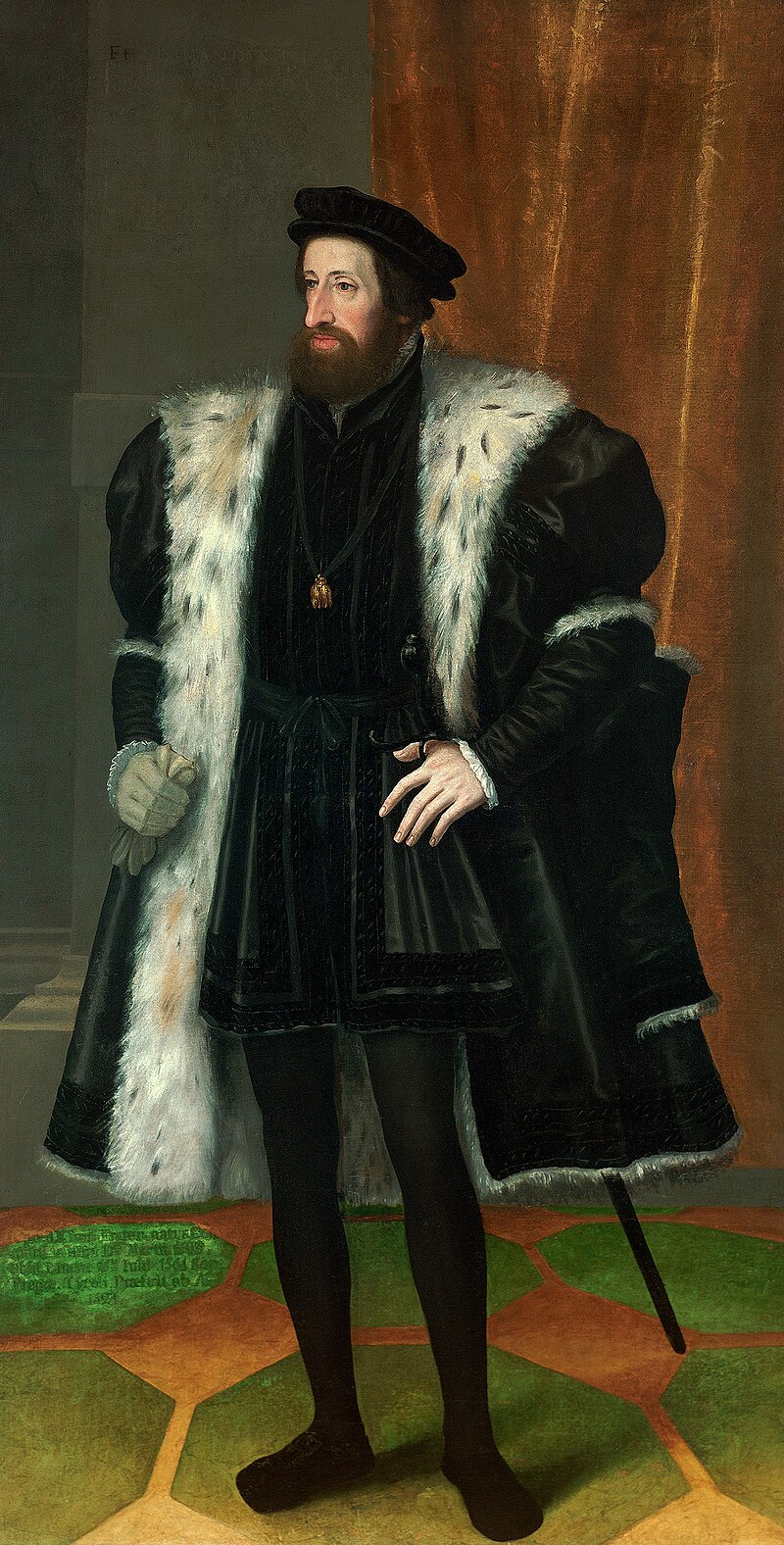
Ferdinand I's coronation as King of Bohemia marked a pivotal moment in Czech history. Born into the powerful Habsburg family, Ferdinand's ascension to the Bohemian throne solidified Habsburg control over the region. This event came at a time of political turmoil, with religious tensions between Catholics and Protestants on the rise.
Ferdinand I was known for his diplomatic skills and ability to navigate complex political landscapes. His coronation symbolized Habsburg dominance and set the stage for future power struggles in the region. The event was attended by nobles, clergy, and dignitaries from across Europe, showcasing the importance of Bohemia on the continental stage.
The coronation of Ferdinand I had a lasting impact on Bohemian politics, laying the foundation for centuries of Habsburg rule in the region. It also highlighted the religious divisions that would later erupt into the Thirty Years' War. Despite the challenges he faced during his reign, Ferdinand I's coronation cemented his place in Czech history as a key figure in the country's political development.
#FerdinandI #HabsburgDynasty #BohemiaHistory #CzechMonarchy
View details1471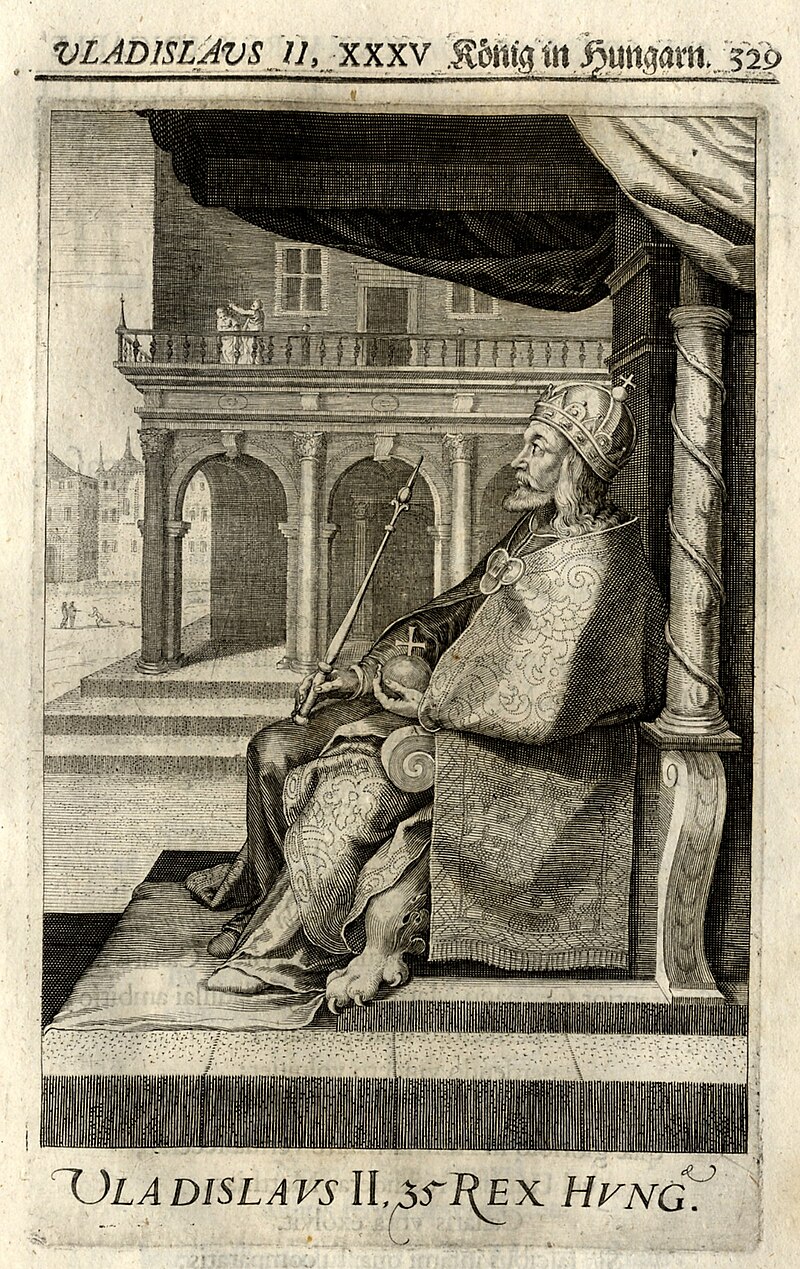
Vladislaus II was crowned as the King of Bohemia at a pivotal event in Czech history. His ascension followed the death of his father, prompting a power struggle among competing nobles. Vladislaus II's coronation brought stability to the Bohemian kingdom after years of internal conflict.
The ceremony, held in St. Vitus Cathedral in Prague, solidified Vladislaus II's authority and marked the beginning of his reign. As king, he worked to strengthen Bohemia's alliances and military defenses, securing the kingdom's position in the region. His reign also saw advancements in art, architecture, and culture, contributing to the flourishing of the Bohemian Renaissance.
Vladislaus II's coronation as King of Bohemia had a lasting impact on the country's political landscape. It marked a period of consolidation and expansion for Bohemia, as Vladislaus II successfully navigated the challenges of his time. His legacy as a capable ruler who brought stability and prosperity to the kingdom endured long after his reign.
#VladislausII #KingofBohemia #Coronation #StVitusCathedral #BohemianRenaissance #CzechRepublic
View details1458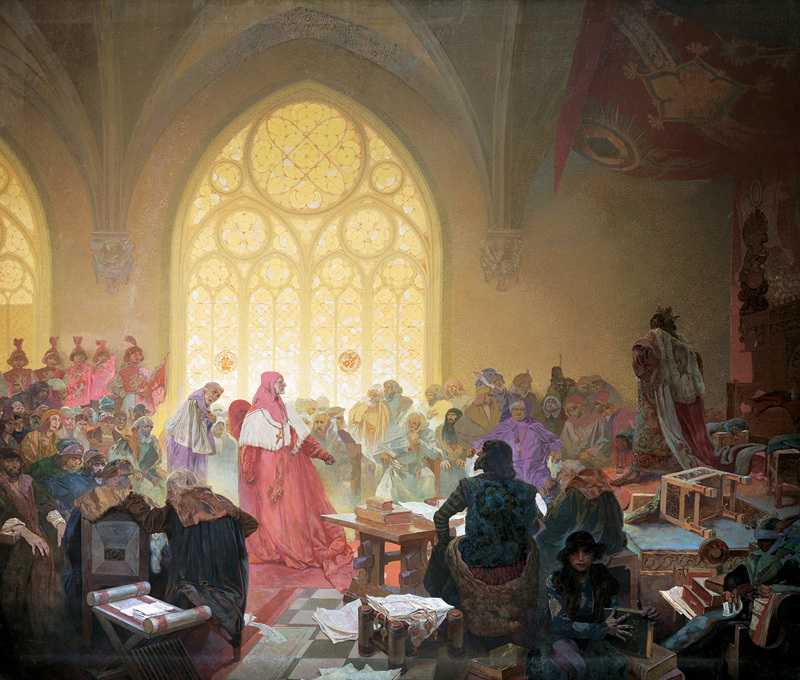
George of Poděbrady, a prominent Czech nobleman, was coronated as the King of Bohemia in a grand ceremony. His ascension to the throne was a result of his diplomatic skills and popularity among the Czech people. George was known for his efforts to maintain peace and stability in the region during a time of political unrest. His coronation marked a significant shift in power dynamics within Bohemia, as he aimed to assert Czech independence and strengthen ties with other European powers.
The coronation of George of Poděbrady as King of Bohemia had a lasting impact on the region. His reign was characterized by efforts to promote religious tolerance and navigate the complex web of European politics. George's policy of non-interference in religious matters earned him respect among various factions, but also stirred controversy. His attempts to negotiate peace agreements and maintain Bohemian autonomy were met with mixed reactions from neighboring powers.
Overall, the coronation of George of Poděbrady as King of Bohemia was a pivotal moment in Czech history. It highlighted the strength of Czech identity and the challenges of navigating political complexities in a turbulent era.
#GeorgeOfPoděbrady #KingOfBohemia #CzechHistory #EuropeanPolitics
View details1434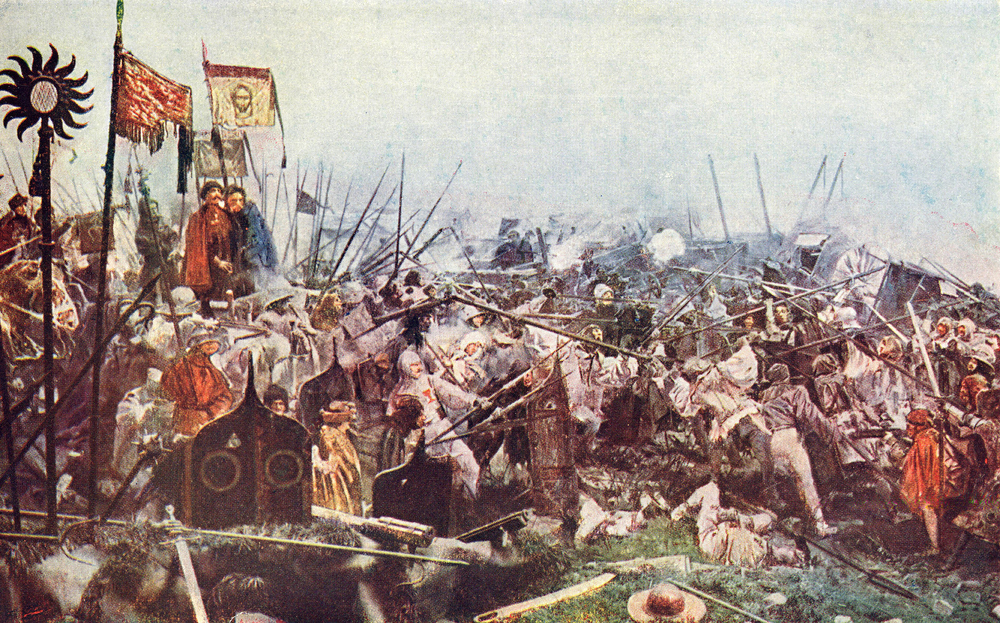
The Battle of Lipany marked a decisive moment during the Hussite Wars in the Czech lands. The conflict arose from religious tensions between the followers of Jan Hus and the Catholic Church. The Hussites, mainly peasants and lower classes, fought against the Catholic nobility and foreign powers for religious reforms and national independence.
At Lipany, a splinter group of Hussites known as the Praguers, who were more moderate in their demands, turned against the radical Taborites. The Praguers sought a compromise with the Catholic Church and the king of Bohemia, Sigismund of Luxembourg. The battle resulted in a devastating defeat for the Taborites, leading to the end of their dominance in the Hussite movement.
The Battle of Lipany had a lasting impact on the Hussite movement, as it weakened the Taborites and paved the way for a series of negotiations that eventually brought an end to the Hussite Wars. The Compacts of Basel in 1436 granted the Hussites religious freedom and some autonomy within the Holy Roman Empire.
The legacy of the Hussite Wars and the Battle of Lipany is still felt in the Czech Republic today, as they symbolize a struggle for independence, religious freedom, and national identity. #HussiteWars #BattleofLipany #CzechRepublic
View details1417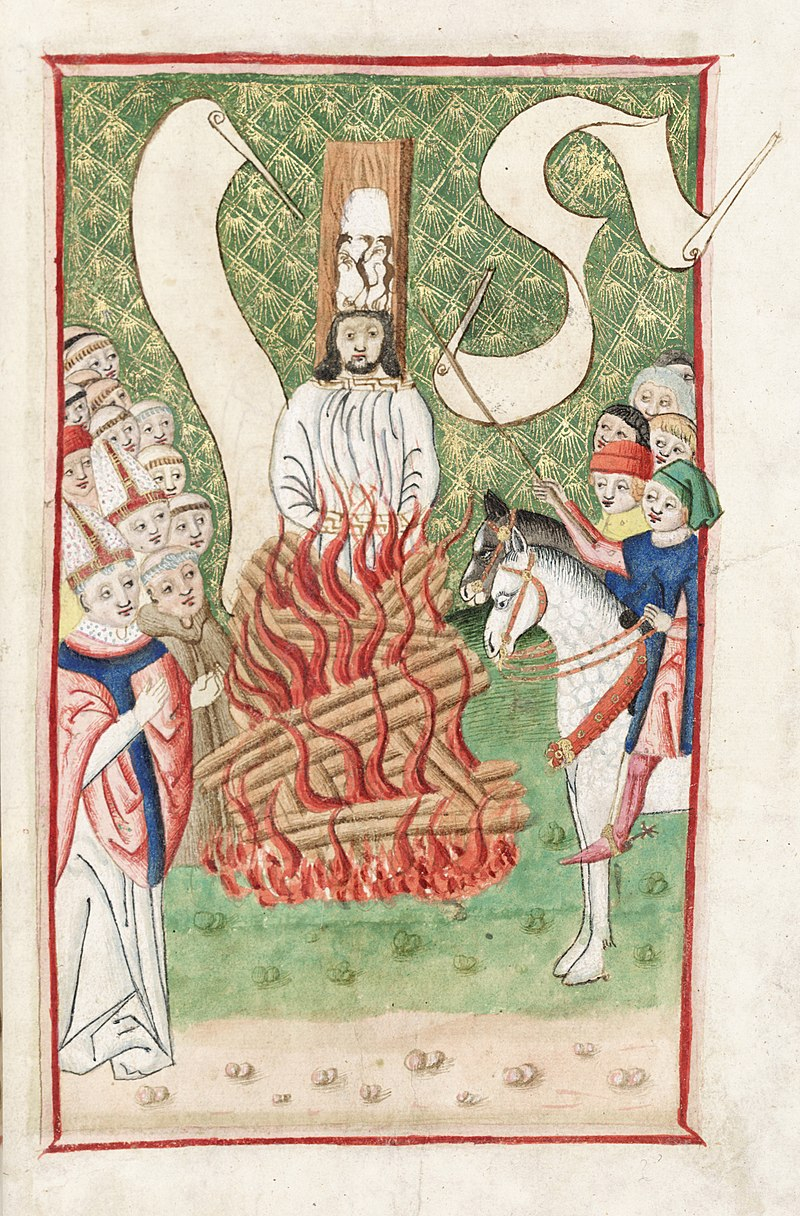
The Hussite Wars commenced in 1419 in the Czech lands, primarily fueled by religious tensions between the followers of Jan Hus and the Catholic Church. Jan Hus, a Czech reformer challenging the Church's practices, was executed in 1415. His supporters, known as Hussites, rebelled against the Catholic hierarchy, seeking religious reforms and greater autonomy.
The conflict escalated as the Hussites, under leaders like Jan Žižka, employed guerrilla warfare tactics to resist the Catholic forces. Battles like the famous Battle of Vítkov Hill in Prague showcased the Hussites' military prowess. Despite facing multiple crusades sanctioned by the Church, the Hussites effectively defended their beliefs and territory.
The Hussite Wars had a profound impact on Czech society, shaping its religious landscape and political future. The conflicts led to the fragmentation of Czech lands, with different factions within the Hussite movement vying for power. The wars also inspired religious reform movements across Europe, influencing the Protestant Reformation in the following centuries.
Today, the legacy of the Hussite Wars is remembered in Czech history as a period of intense religious and political upheaval, highlighting the struggle for religious freedom and national identity.
#HussiteWars #CzechRepublic #ReligiousConflict #JanHus #HistoricalLegacy
View details1410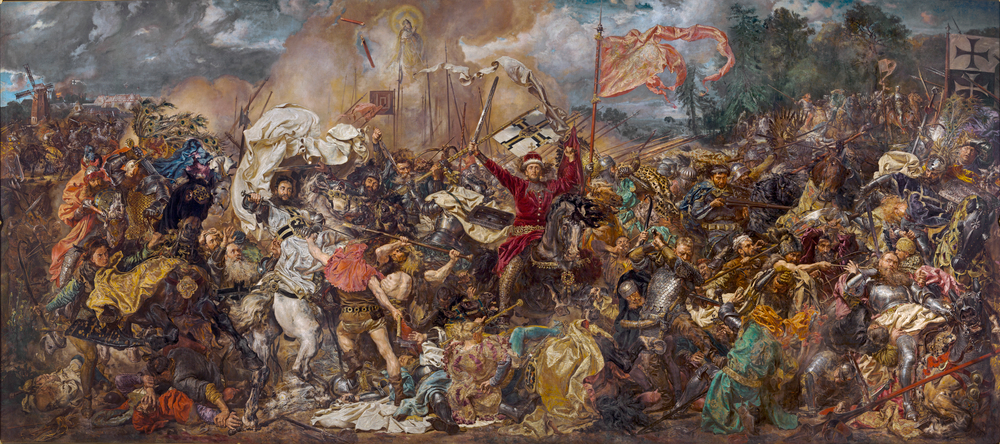
In 1410, the Battle of Grünwald {also known as the Battle of Tannenberg} unfolded, with Czech, Polish, and Lithuanian forces facing and defeating the Teutonic Knights. The Teutonic Order, a powerful Germanic religious and military order, aimed to expand its territory in Eastern Europe. This quest for power led to clashes with the united forces of the Kingdom of Poland, the Grand Duchy of Lithuania, and the Kingdom of Bohemia. The battle's outcome was a significant turning point, weakening the Teutonic Order's influence in the region and bolstering the alliance of the victorious forces.
The strategic victory at Grünwald altered the balance of power in Eastern Europe, diminishing the Teutonic Knights' dominance and strengthening the alliance between the Czech, Polish, and Lithuanian states. While the battle itself was fierce and bloody, with both sides sustaining heavy losses, the resilience and coordination of the allied forces ultimately secured their triumph. The defeat of the Teutonic Order paved the way for territorial disputes to be settled and for a period of relative stability in the region.
#BattleofGrünwald #TannenbergBattle #TeutonicKnightsDefeat #CzechPolishLithuanianAlliance
View details1409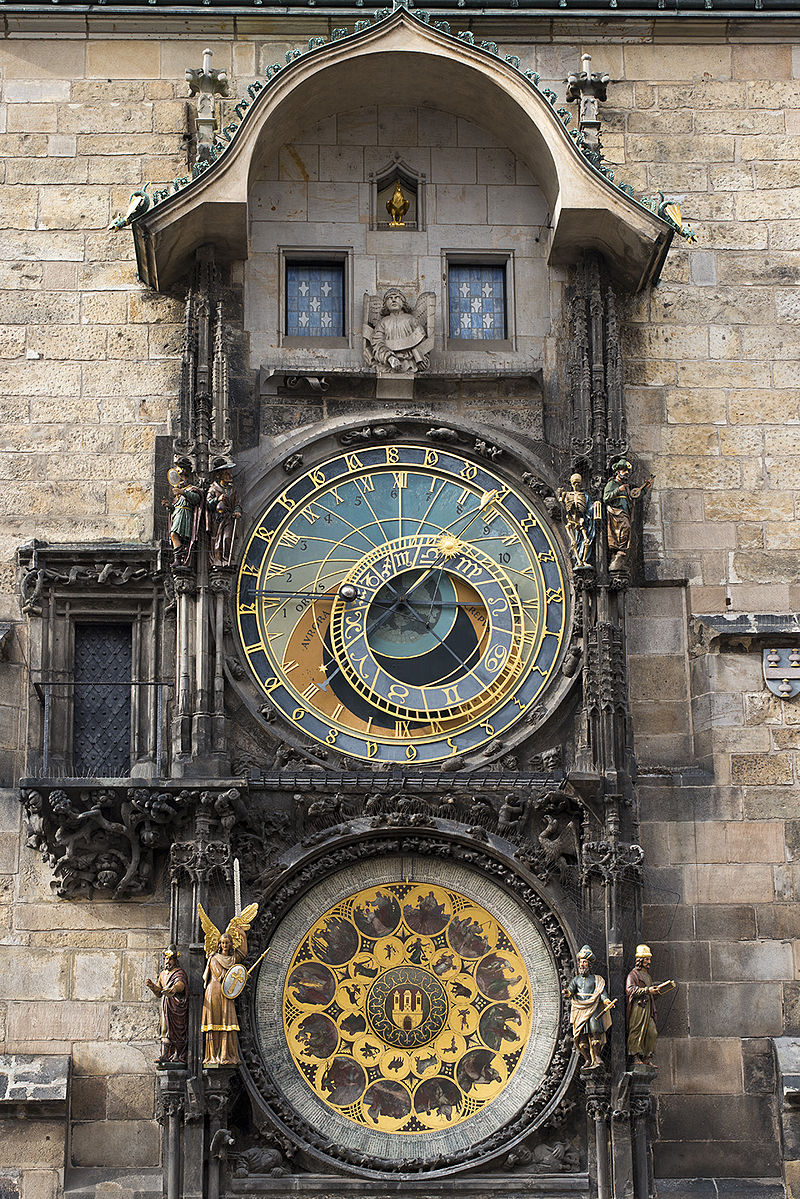
The construction of the astronomical clock in Prague, known as the Prague Orloj, dates back to the early 15th century. It was the combined effort of clockmaker Mikuláš of Kadaň and astronomer Jan Šindel. This masterpiece was installed on the southern wall of the Old Town Hall in Prague, captivating locals and visitors with its intricate design and functionality.
The Prague Orloj served not only as a timekeeping device but also as an astronomical instrument, displaying the positions of the sun and moon in the sky. This was a groundbreaking advancement in technology and science during that period.
The impact of the Prague Orloj extended beyond its practical use. It became a symbol of the city's ingenuity and cultural richness, attracting tourists and scholars from far and wide. The intricate artwork and symbolism incorporated into the clock's design also reflected the artistic and intellectual flourishing of Prague during the medieval era.
Today, the Prague Orloj stands as a testament to the innovative spirit of the Czech people and continues to be a beloved symbol of the city's heritage and craftsmanship. #PragueOrloj #AstronomicalClock #MedievalTechnology #CzechCulturalHeritage.
View details1356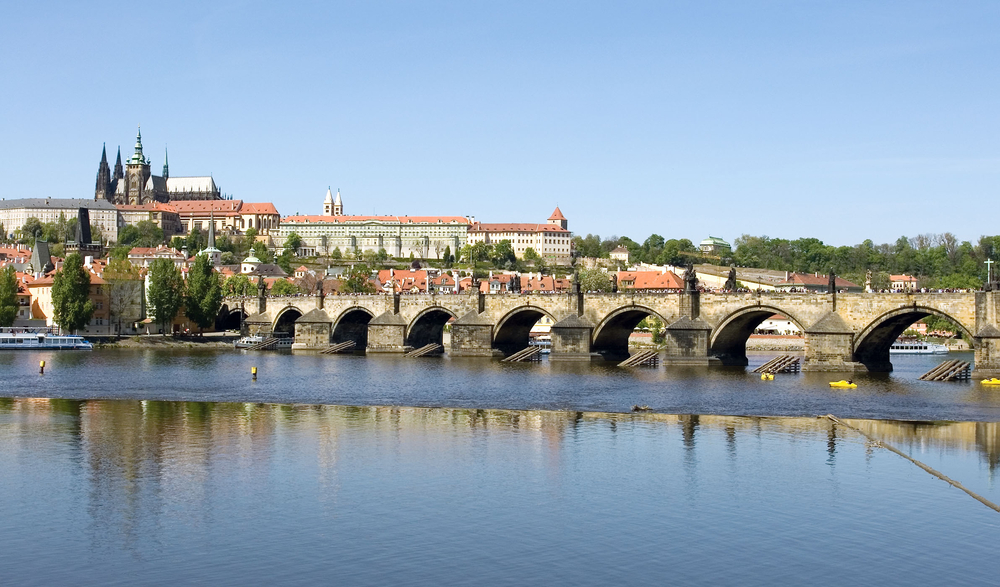
The construction of Charles Bridge in Prague began as a response to the increasing importance of Prague as a trade route city. The bridge, intended to replace the old Judith Bridge, was a vital link connecting the Prague Castle and the city's Old Town. Commissioned by King Charles IV, the bridge was designed by architect Peter Parler. Construction started with a ceremonial first stone laying, and over several decades, the bridge took shape with its iconic Gothic towers and statues.
The Charles Bridge played a pivotal role in the economic growth of Prague, facilitating trade and communication between the city's regions. It also became a symbol of Czech national pride and cultural heritage. The bridge's construction boosted the development of the city's architectural and engineering skills, leaving a lasting impact on Prague's skyline.
Today, Charles Bridge stands as one of Prague's most visited landmarks, attracting tourists and locals alike to stroll across its historic cobblestones and admire the panoramic views of the Vltava River. The bridge continues to be a hub of activity, with artists, musicians, and vendors adding to its lively atmosphere.
#CharlesBridge #Prague #CzechRepublic #GothicArchitecture #HistoricLandmark
View details1355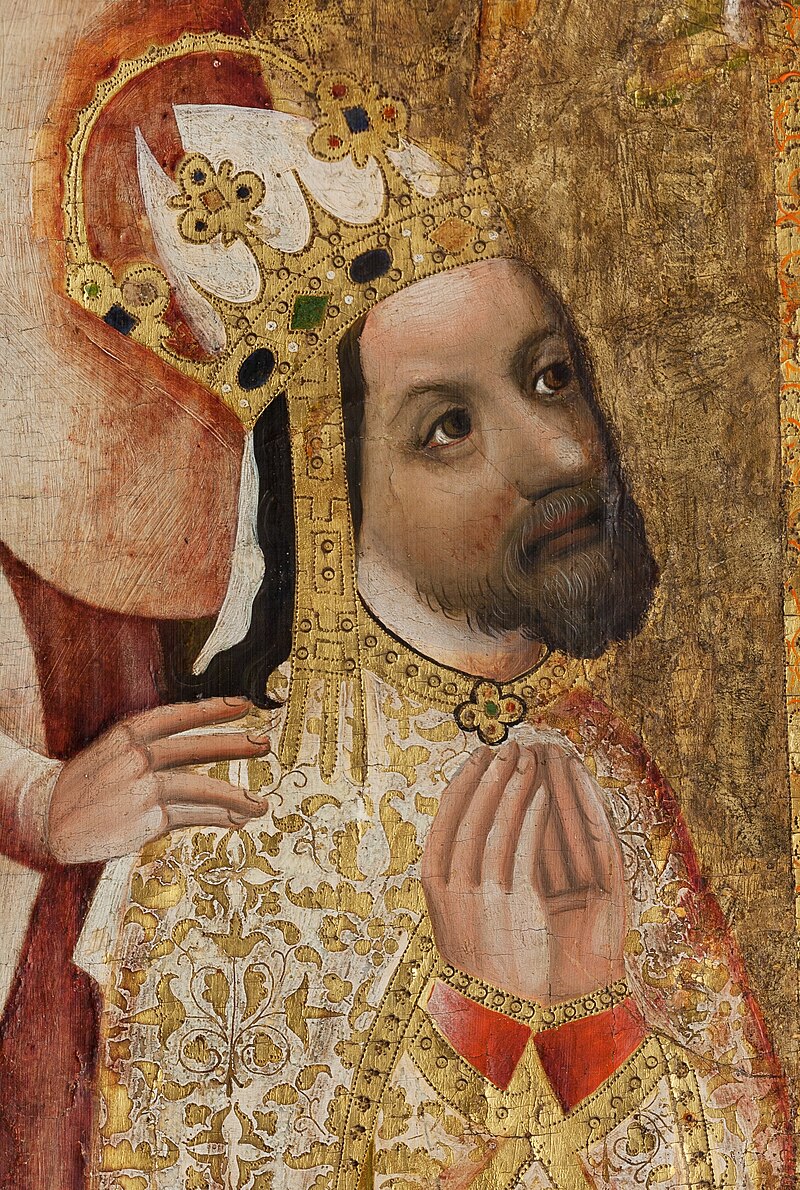
In the historical event, Charles IV, King of Bohemia, had the honor of being crowned Holy Roman Emperor. This prestigious ceremony took place in Aachen, solidifying his position as one of the most powerful rulers in Europe during the Middle Ages. Charles IV's coronation symbolized the height of the Luxembourg dynasty's influence, marking a pivotal moment in Czech history. His reign was characterized by political stability, cultural flourishing, and the promotion of education, earning him a reputation as a wise and capable leader.
As Holy Roman Emperor, Charles IV played a significant role in shaping the political landscape of Europe, forging alliances and maintaining peace among various kingdoms and territories. His patronage of the arts and architecture also left a lasting impact, with iconic structures like the Charles Bridge and Prague Castle still standing as testaments to his legacy.
The coronation of Charles IV as Holy Roman Emperor marked a turning point for the Czech lands, elevating their status on the European stage and cementing their place in history. His reign ushered in a period of prosperity and cultural advancement that continues to be celebrated today.
#CharlesIV #HolyRomanEmperor #CzechHistory #LuxembourgDynasty #CulturalFlourishing
View details1347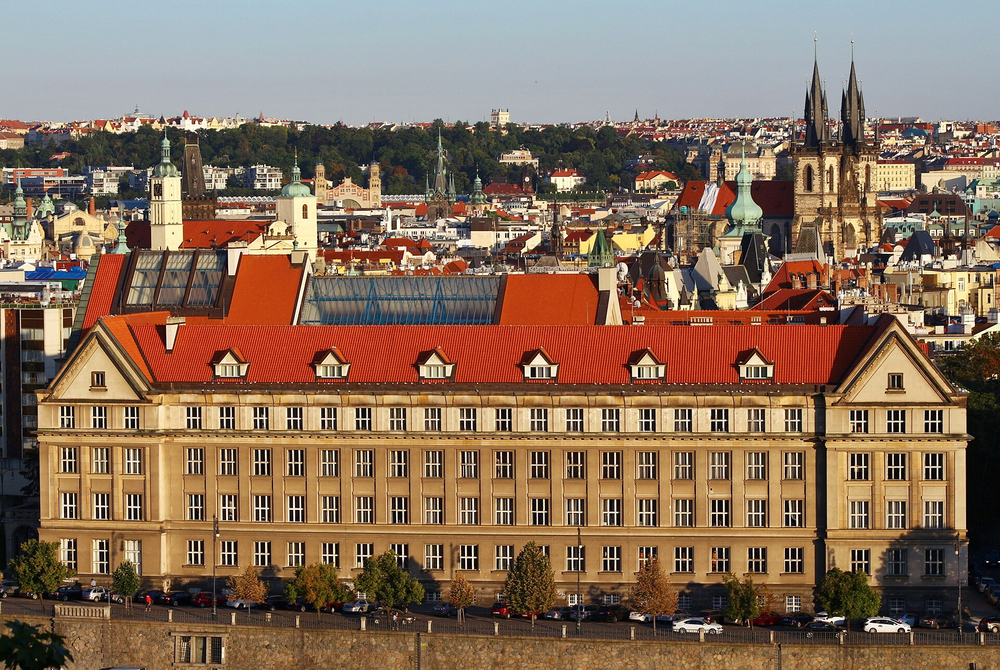
Established in Prague, Charles University stands as the oldest university in Central Europe. Founded to promote higher education, it was named after King Charles IV. The university played a crucial role in shaping intellectual discourse and academic growth in the region. Offering a wide array of disciplines, it attracted students and scholars from diverse backgrounds.
The foundation of Charles University marked a significant milestone in the Czech Republic's history, elevating Prague as a hub of learning and innovation. Over the centuries, the university has evolved into a prestigious institution, contributing to the cultural and scientific heritage of the country. Its alumni have made substantial contributions to various fields, leaving a lasting impact on society.
The establishment of Charles University underscores the importance of education and knowledge dissemination, inspiring generations of students and academics. It continues to uphold its legacy of academic excellence, fostering intellectual curiosity and critical thinking. As a symbol of Czech Republic's dedication to education, Charles University remains a cornerstone of cultural and educational development in Central Europe.
#CharlesUniversity #Prague #AcademicExcellence #CzechRepublic #IntellectualLegacy
View details1346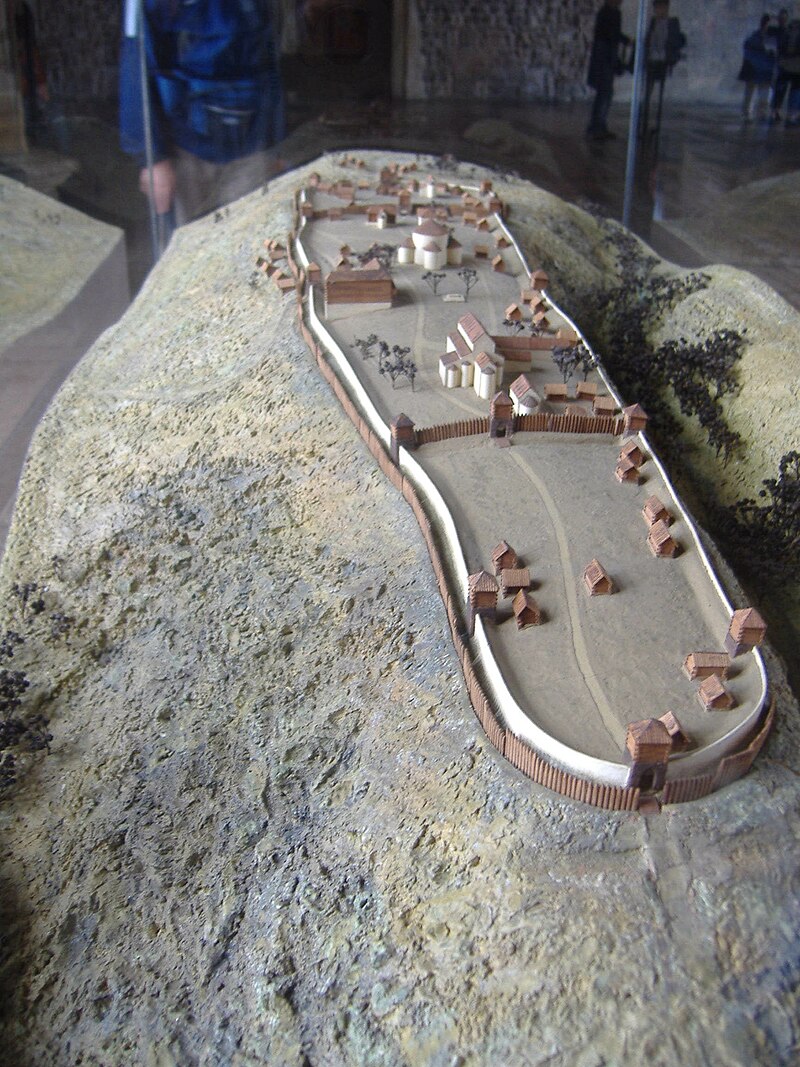
In 1348, Prague officially became the capital of the Kingdom of Bohemia, solidifying its status as the political and cultural center of the region. This decision was a strategic move by King Charles IV to consolidate power and centralize administration in Prague, due to its strategic location along trade routes. As the capital, Prague flourished economically and culturally, attracting scholars, artists, and craftsmen from across Europe.
The elevation of Prague as the capital brought about a period of growth and prosperity, with the construction of iconic landmarks such as Charles Bridge and St. Vitus Cathedral. The city became a hub of Gothic architecture, influencing art and culture throughout the kingdom. The University of Prague was founded, establishing the city as an intellectual center and fostering a vibrant academic community.
The impact of Prague becoming the capital of the Kingdom of Bohemia was profound and long-lasting, shaping the identity of the Czech lands and influencing their development for centuries to come. The city's rich history, preserved in its historic buildings and cultural traditions, continues to attract visitors and scholars, making Prague a UNESCO World Heritage site.
#Prague #KingdomofBohemia #CzechRepublic #CulturalCenter #HistoricLandmarks #IntellectualHub
View details1343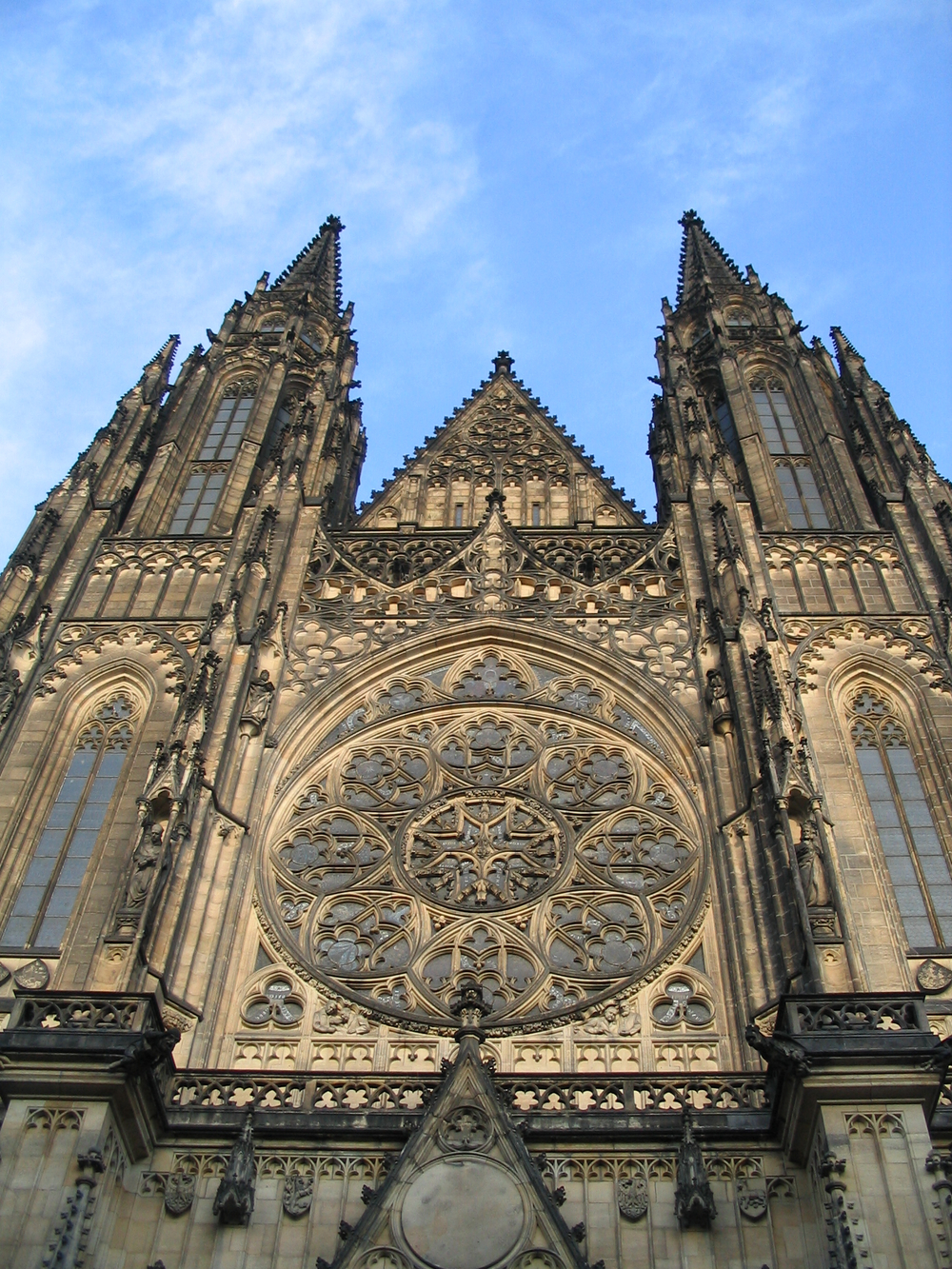
Started with the support of Emperor Charles IV, the foundation of the St. Vitus Cathedral in Prague was a pivotal moment in Czech history. This grand Gothic cathedral would become a symbol of Czech national pride and a powerful statement of the country's influence in Europe. The cathedral's construction was a complex process involving numerous architects, builders, and craftsmen over the centuries.
The impact of the St. Vitus Cathedral on Prague's skyline and its significance to Czech culture cannot be overstated. It not only serves as a religious center but also as a cultural and historical landmark, attracting visitors from all around the world. The cathedral's intricate architectural design and stunning stained glass windows reflect the skills and craftsmanship of the artisans who dedicated their lives to its construction.
The foundation of the St. Vitus Cathedral marked a new chapter in the architectural and religious history of the Czech people. Its completion became a point of national pride and a symbol of Czech identity. The cathedral continues to stand as a reminder of the country's rich cultural heritage and its enduring legacy in European history.
#StVitusCathedral #Prague #CzechCulture #GothicArchitecture #CzechHistory
View details1260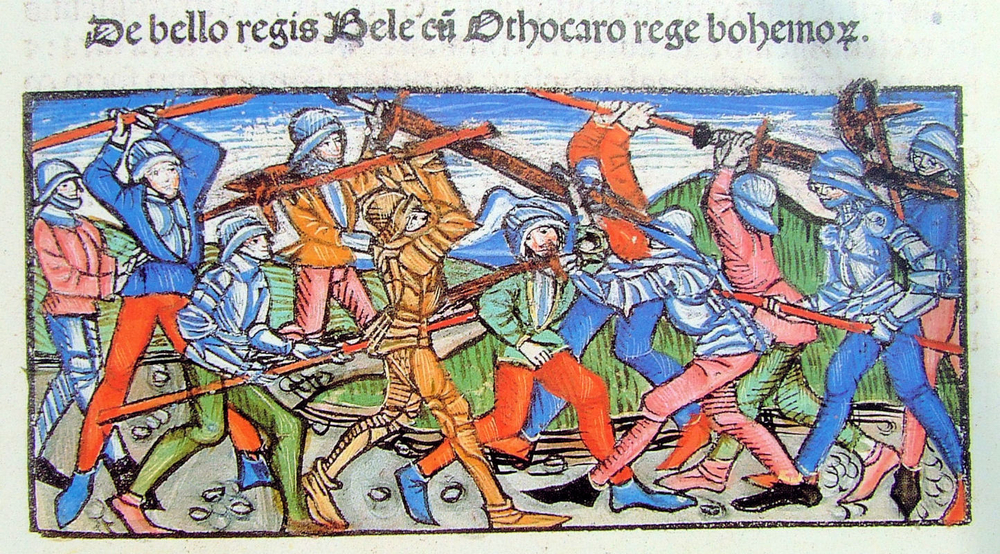
In the Battle of Kressenbrunn, Ottokar II of Bohemia faced Bela IV of Hungary in a struggle for dominance. Ottokar sought to expand his territory by seizing control of Austria, a move that threatened Bela's interests. The clash between the two rulers culminated in fierce combat near the village of Kressenbrunn.
Bela IV, despite being outnumbered, managed to outmaneuver Ottokar's forces and secure a decisive victory. The defeat dealt a significant blow to Ottokar's ambitions, forcing him to retreat and relinquish his claims to Austria. The battle marked a turning point in the power dynamics of Central Europe, solidifying Bela IV's position as a formidable leader in the region.
The repercussions of the Battle of Kressenbrunn reverberated for years to come, reshaping political alliances and influencing the course of history in the region. Ottokar II's defeat served as a stark reminder of the perils of overreaching ambition, while Bela IV's triumph bolstered Hungary's stature on the European stage.
#BattleofKressenbrunn #OttokarII #BelaIV #CentralEuropeanHistory #PowerStruggles
View details