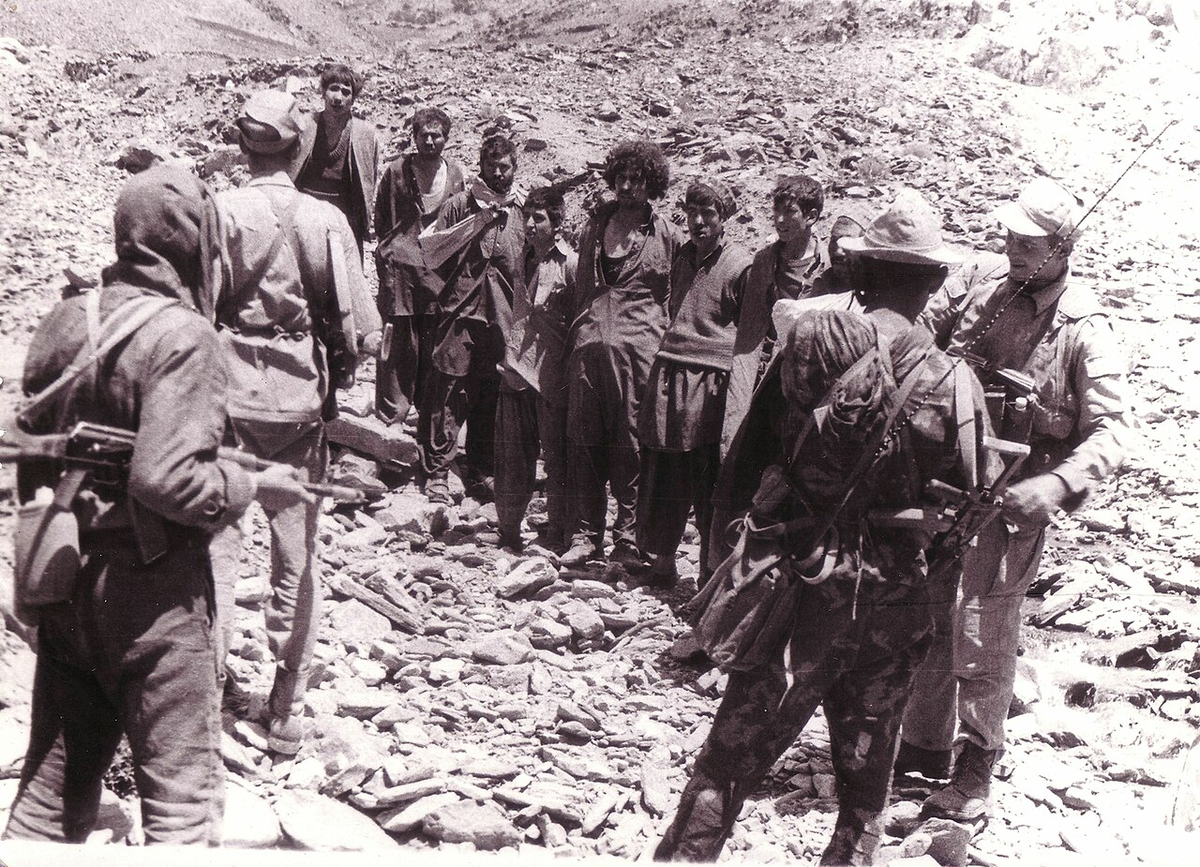
Soviet invasion ignites conflict leading to the Soviet-Afghan War lasting over a decade.
Afghanistan

Political
Global Trade
3 min read
Updated By: History Editorial Network (HEN)
Published:
The Soviet Union launched a military operation in Afghanistan, commencing the Soviet-Afghan War. The invasion was triggered by concerns over the Afghan government's stability and the spread of insurgency. The Soviet-backed Afghan government was facing increasing opposition from rebel groups, prompting the intervention.
The conflict had far-reaching consequences, leading to a long and bloody war. The Afghan resistance, known as the mujahideen, received support from various countries, including the United States. The war resulted in significant loss of life and destruction, with civilians bearing the brunt of the violence.
The Soviet-Afghan War had geopolitical implications, with the United States and its allies backing the mujahideen in their fight against the Soviet forces. This conflict became a proxy war during the broader Cold War between the United States and the Soviet Union.
Ultimately, the Soviet Union's military intervention in Afghanistan proved to be a costly and unsuccessful endeavor. The war lasted for years, leading to instability in the region and contributing to the eventual collapse of the Soviet Union.
#SovietUnion #Afghanistan #ColdWar #mujahideen #geopolitics #proxywar
Explore the Life Moments of
 AI Twin