
Tunisia

Golden beaches, Sunny weather, and Affordable luxu...
Related Lives

Argentina
Land of the Tango

Art movement
A Journey Through Visual History

Turkey
The Land of Singing Trees

Angola
Land of contrasts, from bustling cities to breathtaking landscapes.

Finland
Land of a Thousand Lakes

Afghanistan
The Jewel of Central Asia

Kenya
The Cradle of Humankind

Uganda
Pearl of Africa

1573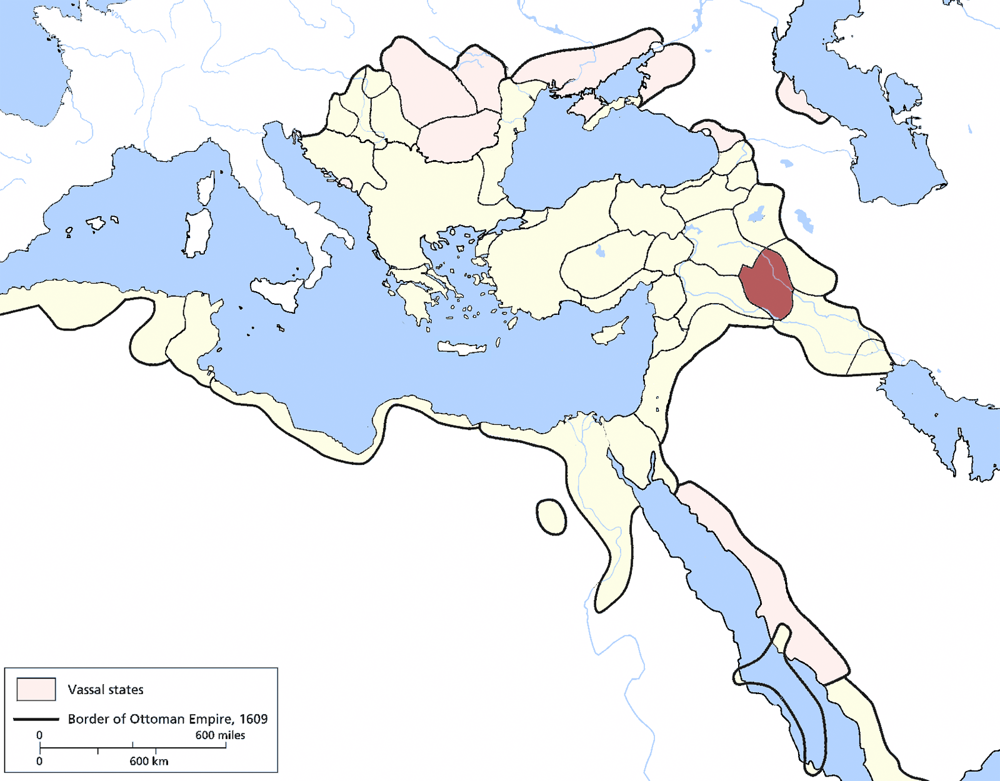
A pivotal event in Tunisian history was the establishment of Ottoman rule. Following the conquest of Tunis, the Ottomans solidified their power in the region by appointing governors and implementing their administrative system. This marked a significant shift in the political landscape, replacing the previous Hafsid rule.
Under Ottoman rule, Tunisia experienced changes in governance, economy, and culture. The Ottomans introduced new laws and institutions, including the imposition of taxes and the organization of the military. They also brought elements of Turkish and Islamic culture, influencing architecture, language, and cuisine in the region.
The impact of Ottoman rule on Tunisia was profound and enduring. It shaped the country's development for centuries to come, influencing its political structure, social organization, and cultural identity. The Ottomans left a lasting legacy that can still be seen in Tunisia today, from its architectural landmarks to its culinary traditions.
The establishment of Ottoman rule in Tunisia marked a turning point in the country's history, leaving a legacy that continues to shape its identity. #TunisianHistory #OttomanRule #CulturalInfluence
View details1550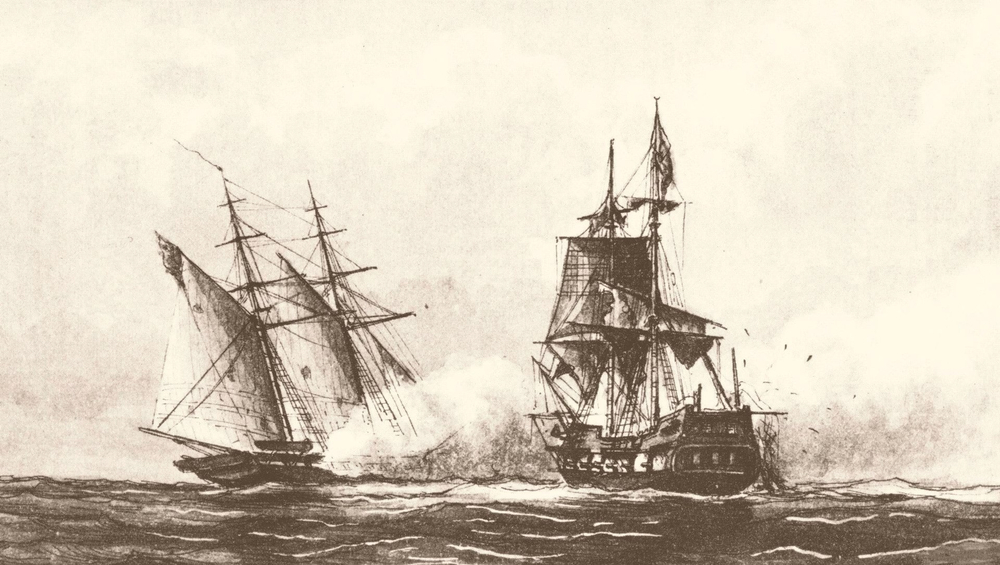
The Battle of Tripoli marked the Ottoman navy's successful capture of Tripoli from Spain, consolidating Ottoman dominance in the western Mediterranean. This event unfolded in the backdrop of fierce competition among European powers and the Ottoman Empire for control over strategic Mediterranean territories. The Ottoman victory in Tripoli bolstered their naval presence in the region, diminishing Spanish influence.
The repercussions of the battle reverberated across the Mediterranean, as the Ottomans extended their reach and established a stronghold in Tripoli. The event underscored the Ottoman Empire's naval prowess and territorial expansion, reshaping power dynamics in the region. Tripoli's capture also granted the Ottomans increased control over vital trade routes and resources in the western Mediterranean.
The Ottoman navy's triumph in seizing Tripoli from Spanish forces was a pivotal moment in the empire's quest for maritime supremacy. This conquest solidified Ottoman control over key Mediterranean territories and safeguarded their commercial and military interests in the region. The Battle of Tripoli stands as a testament to the Ottoman Empire's strategic maneuvers and its strategic ambitions in the maritime sphere.
#OttomanEmpire #BattleofTripoli #MediterraneanHistory #NavalSupremacy #Tunisia
View details1535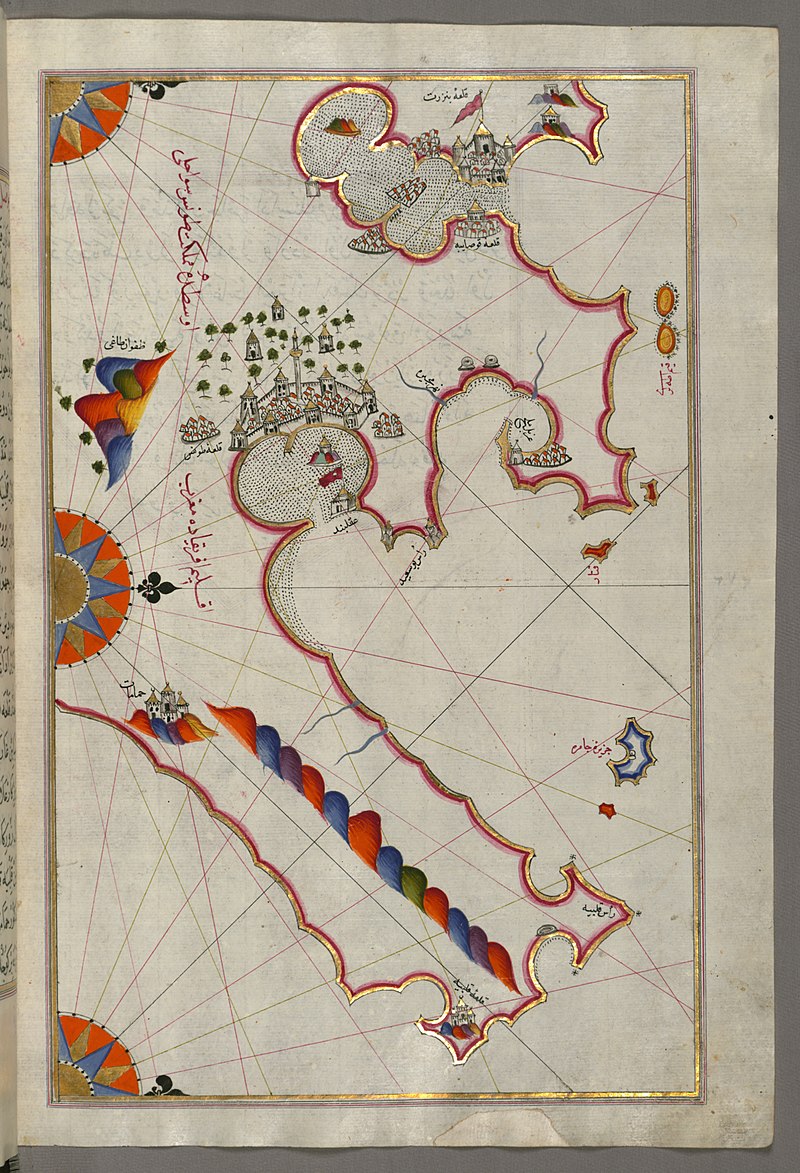
The Siege of Tunis by Spanish forces, under the leadership of the Count of Gages, was a strategic military operation with the objective of expanding Spanish influence in the region. The Spanish fleet, equipped with artillery and infantry, besieged the city of Tunis, a key stronghold controlled by the Ottoman Empire.
The siege was a pivotal moment in the broader context of the struggle for power in the Mediterranean. By capturing Tunis, the Spanish aimed to weaken the Ottoman presence and assert their dominance in the region. The intense fighting and bombardment led to significant destruction in the city, forcing the defenders to ultimately surrender.
The aftermath of the siege saw the Spanish impose their control over Tunis for a period, before eventually ceding it back to the Ottomans as part of a larger political agreement. However, the impact of the siege reverberated throughout the region, shaping alliances and power dynamics in the Mediterranean.
The Siege of Tunis marked a crucial chapter in the history of North Africa, reflecting the complex web of rivalries and ambitions that defined the era. #Tunisia #SpanishConquest #OttomanEmpire #MilitaryHistory
View details1347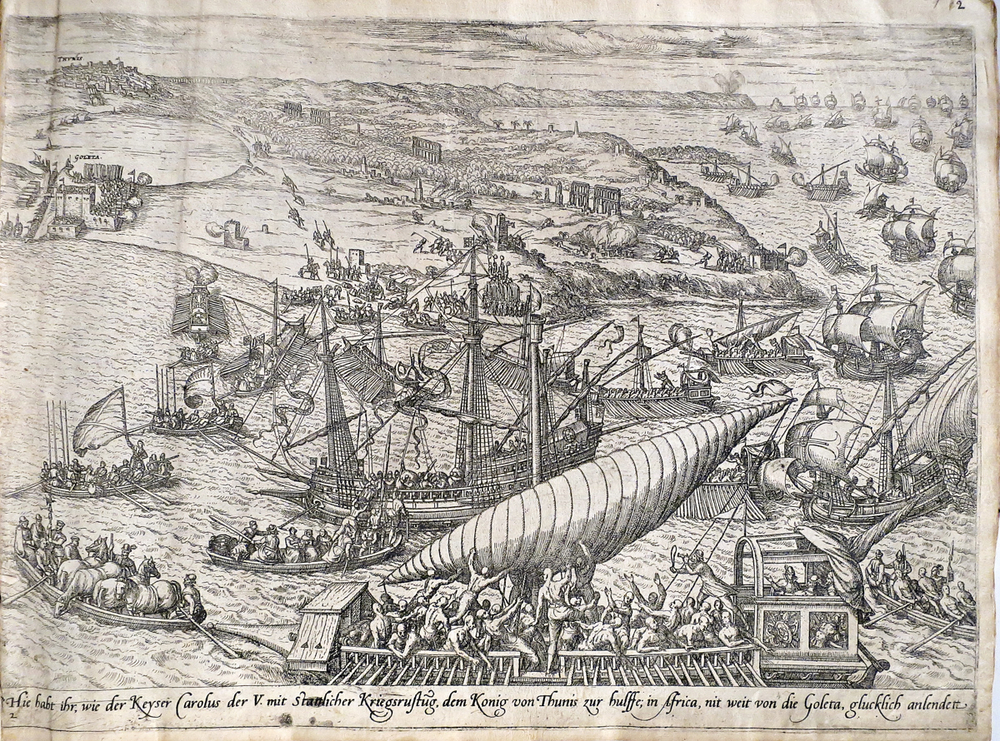
The city of Mahdia falls into the hands of the Hafsid dynasty, solidifying their authority in Tunisia. This marked a pivotal moment in the region's history, as the Hafsids established themselves as a dominant force. The capture of Mahdia not only allowed the Hafsids to control a strategic port city but also enabled them to expand their influence throughout Tunisia.
Under Hafsid rule, Mahdia flourished as a center of trade and culture, attracting merchants and scholars from far and wide. The city became a hub of economic activity, contributing to the prosperity of the dynasty. The Hafsids implemented various reforms and improvements in Mahdia, further cementing their grip on power.
The capture of Mahdia by the Hafsids had far-reaching consequences for the region, shaping its political landscape for years to come. The event signaled the rise of the Hafsids as a major player in North African politics and set the stage for their domination of Tunisia.
#HafsidDynasty #MahdiaCapture #TunisianHistory
View details1346
The Battle of Kairouan was a key conflict that resulted in the Hafsid dynasty reclaiming control of Tunisia from the ruling Abdalwadid dynasty. At the time, Tunisia was experiencing internal strife and external threats, which led to a power struggle between the two dynasties. The Hafsids, who had previously ruled the region, sought to regain their dominance and launched a campaign to overthrow the Abdalwadids.
The battle took place near the city of Kairouan, an important political and religious center in Tunisia. The Hafsids managed to defeat the Abdalwadids in a decisive confrontation, allowing them to establish their rule once again. This victory marked a turning point in the history of Tunisia as the Hafsids reestablished stability and control over the region after a period of unrest.
The event had a lasting impact on the political landscape of Tunisia, as the Hafsid dynasty went on to rule the region for several more centuries. Their reign brought about a period of relative prosperity and cultural flourishing in Tunisia, solidifying their place in the country's history.
#BattleofKairouan #HafsidDynasty #AbdalwadidDynasty #TunisianHistory #PowerStruggle
View details1210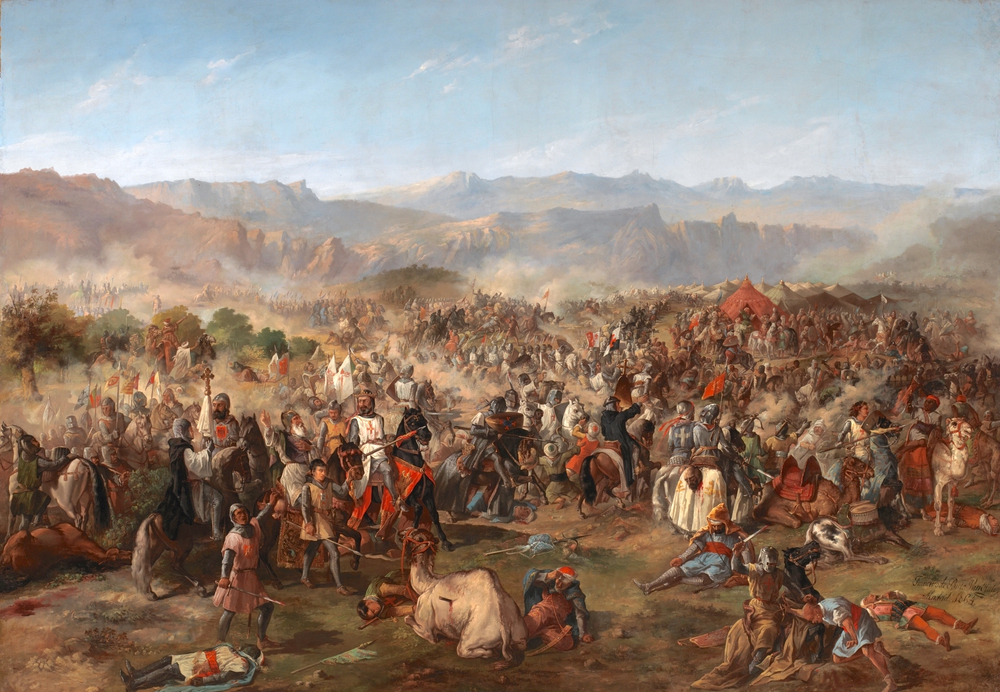
The Almohad Caliphate, a powerful Islamic empire that once held significant influence in Tunisia, faced a critical blow when they were defeated by the Christian kingdoms of Spain at the Battle of Las Navas de Tolosa. This defeat marked a turning point for the Almohad Caliphate, leading to a decline in their control and influence in Tunisia.
The Almohad Caliphate, known for their military strength and expansive empire, found themselves in a precarious position as they clashed with the Christian kingdoms in Spain. The Battle of Las Navas de Tolosa proved to be a decisive confrontation, resulting in a significant loss for the Almohad forces. This defeat weakened the Caliphate's position in Tunisia and ultimately contributed to their decline in power and influence in the region.
The defeat of the Almohad Caliphate at the Battle of Las Navas de Tolosa had far-reaching implications for Tunisia, as it marked the beginning of the end of their dominance in the region. The Christian kingdoms' victory reshaped the political and military landscape, paving the way for the eventual decline of Almohad influence in Tunisia and beyond.
#AlmohadCaliphate #LasNavasdeTolosa #Tunisia #DeclineofInfluence #ChristianKingdoms #BattleOutcome
View details1158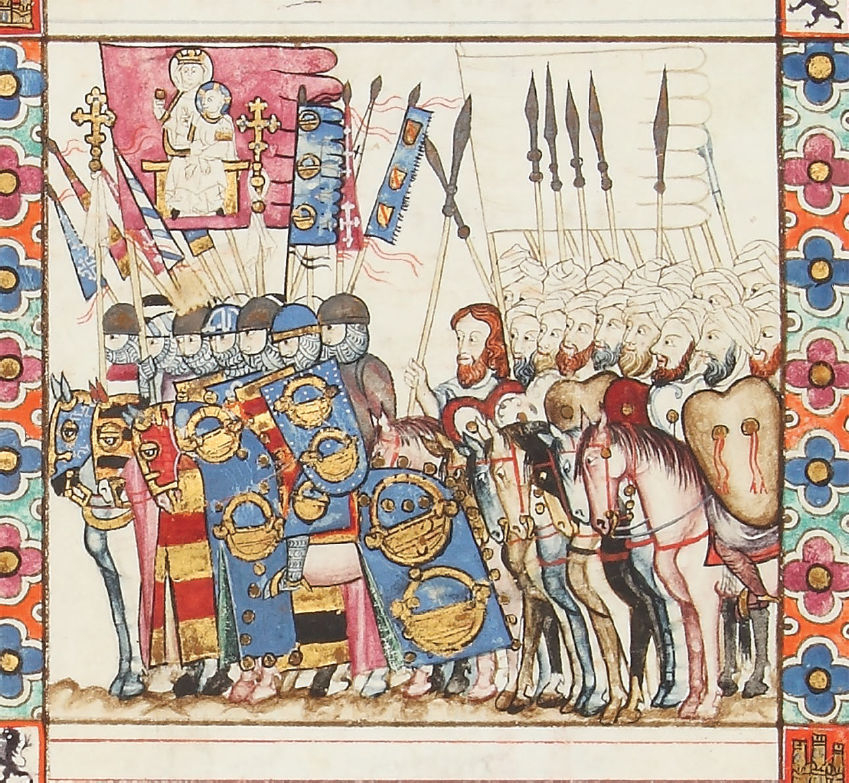
The Almohad Caliphate's capture of Tunisia marked a pivotal shift in North African politics. The Almohads, led by Caliph Abd al-Mu'min, emerged as a formidable force challenging the Almoravids' dominance in the region. The Almoravids' declining power, due to internal dissent and external pressures, paved the way for the Almohads to expand their influence.
The strategic takeover of Tunisia by the Almohads had far-reaching consequences, altering the political landscape and leading to significant cultural and religious transformations. The Almohads' rule brought about the establishment of their distinct theological doctrines, emphasizing strict adherence to Islamic principles. This influence reshaped Tunisian society and governance.
The capture of Tunisia by the Almohads not only solidified their authority in the region but also signaled the beginning of their broader conquests across North Africa and beyond. Their military prowess and ideological fervor allowed them to establish a vast empire, encompassing diverse territories and cultures under their rule.
The event exemplifies the dynamic nature of power struggles in medieval North Africa and the enduring impact of religious and political shifts on society. The Almohad Caliphate's capture of Tunisia underscored the complexities of regional politics and the enduring legacy of Islamic empires in shaping the Mediterranean world.
#AlmohadCaliphate #Tunisia #Conquest #MedievalHistory #IslamicEmpires
View details1107
Tamim ibn al-Muizz, the Zirid ruler of Tunisia, met his end in a tumultuous period. The Zirid dynasty, once influential in North Africa, was weakening due to internal strife and external pressures from the Almoravid Empire. Tamim's death exacerbated the political instability within the Zirid realm, as his successors struggled to maintain control.
With Tamim's passing, the already fragile political landscape of the region descended further into chaos. The Almoravids seized the opportunity to expand their influence, eventually leading to the downfall of the Zirid dynasty and the incorporation of Tunisia into the Almoravid Empire. The death of Tamim ibn al-Muizz marked a turning point in the history of Tunisia, signaling the end of Zirid rule and the beginning of a new era under Almoravid domination.
The event reverberated throughout the North African region, affecting trade routes, political alliances, and societal structures. The legacy of Tamim ibn al-Muizz's reign and subsequent demise continues to shape Tunisia's historical narrative and its place in the broader context of African dynastic struggles.
#TamimIbnAlMuizz #ZiridDynasty #AlmoravidEmpire #TunisianHistory
View details1056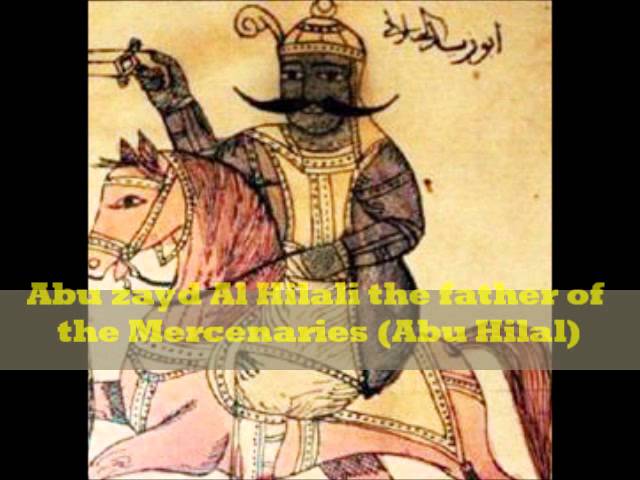
The Banu Hilal invasion of Tunisia was a pivotal event in the history of the region. The Banu Hilal were a confederation of Arab tribes who migrated from Egypt to North Africa. Their invasion of Tunisia was a response to the declining power of the Zirid dynasty, which ruled the region at the time. The invasion was marked by widespread destruction and pillaging, as the Banu Hilal swept through the countryside, leaving a trail of devastation in their wake.
The impact of the Banu Hilal invasion on Tunisia was profound and long-lasting. It led to the weakening of the Zirid dynasty and the eventual collapse of their rule in the region. The invasion also had a lasting impact on the social and cultural fabric of Tunisia, as the Banu Hilal brought with them their own customs, traditions, and way of life.
Despite the destruction wrought by the invasion, the Banu Hilal eventually settled in Tunisia and assimilated into the local population. Over time, they became an integral part of Tunisian society, influencing its language, music, and cuisine.
The Banu Hilal invasion of Tunisia is remembered as a key moment in the history of the region, marking a significant shift in power and culture. It serves as a reminder of the complex and often tumultuous history of North Africa.
#BanuHilal #Tunisia #Invasion #ZiridDynasty #ArabTribes #NorthAfrica #History
View detailsThe Almoravid invasion of Tunisia marked a critical juncture in the region's history. Originating from North Africa, the Almoravids, a Berber dynasty, swiftly expanded their influence across the Maghreb and into Andalusia. In their quest for territorial expansion and religious dominance, they targeted Tunisia, seeking to impose their brand of Islam and assert control over the strategic territory.
The invasion had far-reaching consequences for Tunisia. It led to significant political upheaval as local rulers grappled with the foreign incursion. The Almoravids' strict interpretation of Islam also brought about cultural and religious changes in the region. Tunisian society experienced a transformation under their rule, with new laws and customs being enforced.
The impact of the Almoravid invasion reverberated beyond Tunisia, shaping the political landscape of the entire Maghreb region. The event served as a precursor to further invasions and power struggles that would define the region in the centuries to come.
#AlmoravidInvasion #TunisiaHistory #MaghrebInfluence
View details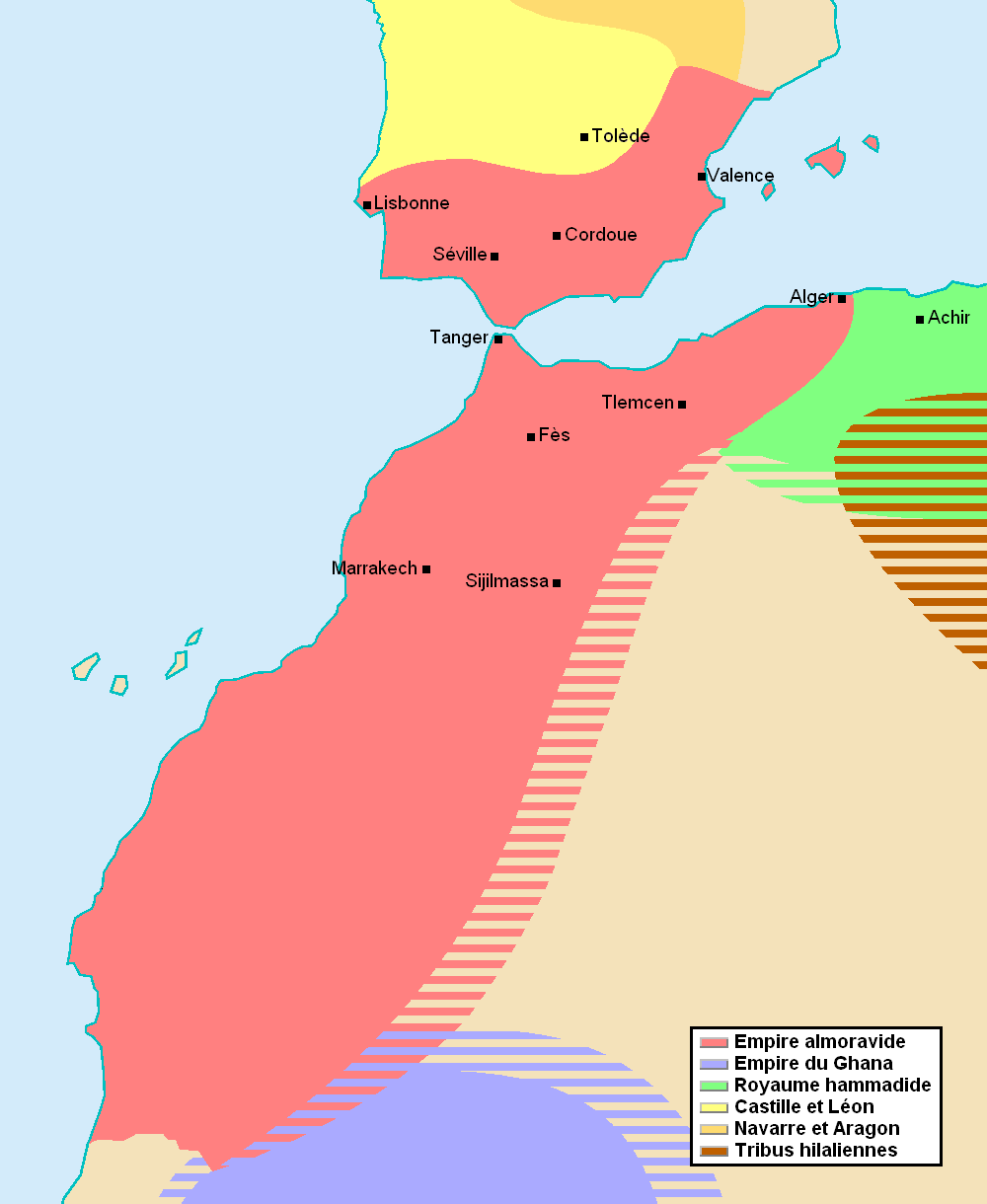
0968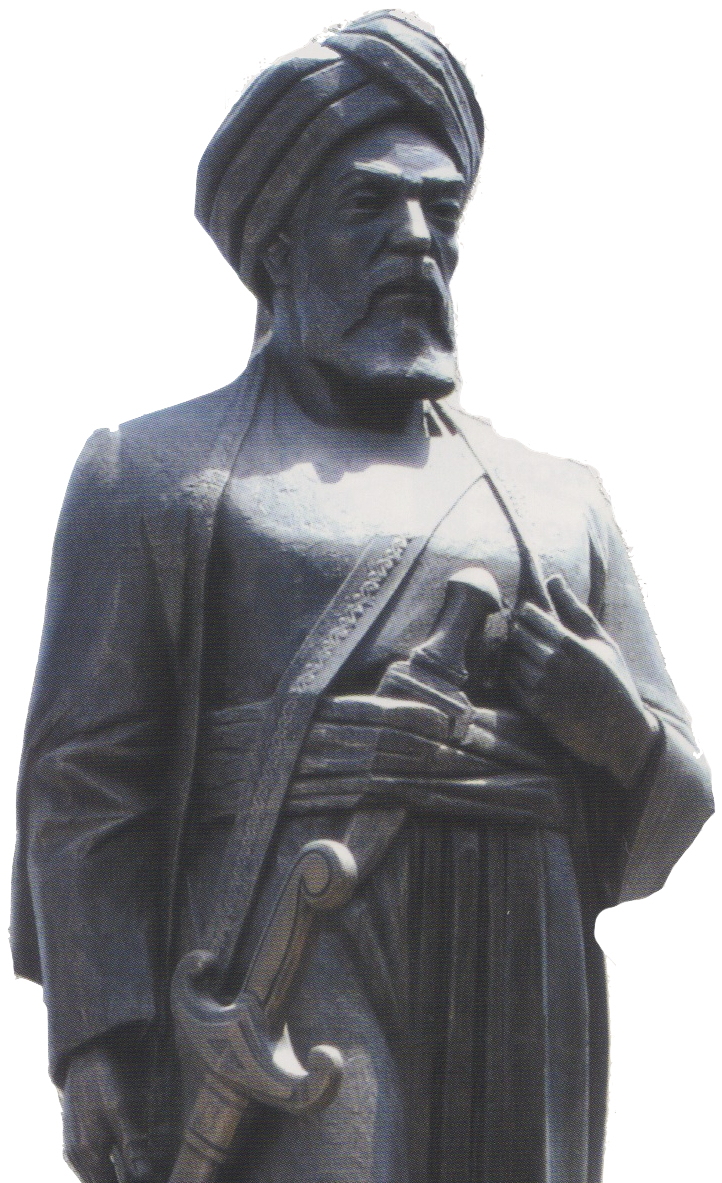
The Zirid Dynasty was established by Buluggin ibn Ziri, marking a pivotal moment in the history of Tunisia. Buluggin, a distinguished military leader, founded the dynasty after breaking away from the Fatimids. The Zirids ruled over various regions, including North Africa and Sicily. They promoted economic growth through trade and agriculture, fostering cultural advancements in areas such as art, architecture, and education.
Under Zirid rule, Tunisia experienced a period of stability and prosperity. The dynasty's governance was characterized by efficient administration and religious tolerance, attracting scholars, traders, and artisans from diverse backgrounds. This fusion of cultures enriched Tunisian society and contributed to its flourishing intellectual and artistic scene.
The Zirid Dynasty's influence extended beyond Tunisia, shaping the broader Mediterranean region. Their strategic alliances and military prowess ensured their prominence in the political landscape for decades. Despite facing challenges, including conflicts with neighboring powers, the Zirids maintained their stronghold and left a lasting impact on the history of North Africa.
#ZiridDynasty #TunisianHistory #CulturalInfluence #PoliticalLegacy
View details0945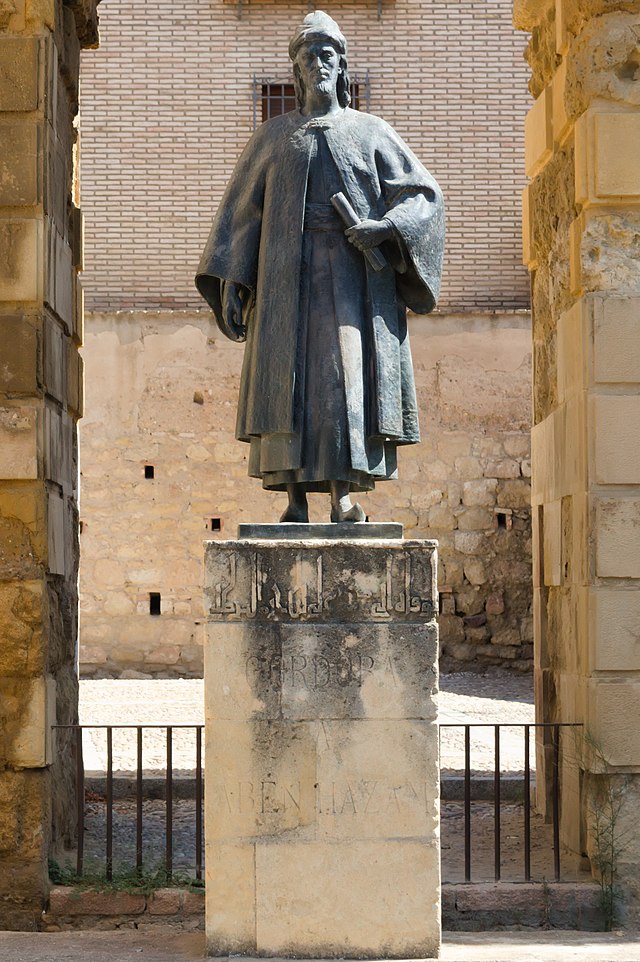
Ibn Hazm, the Andalusian poet and polymath, embarked on a notable visit to Tunisia during his illustrious lifetime. Born in Cordoba, Spain, Ibn Hazm was celebrated for his literary prowess, philosophical insights, and expertise in various fields encompassing theology, law, and linguistics. His visit to Tunisia served as a meeting of intellectual minds, as he engaged with scholars and thinkers in vibrant academic exchanges.
During his time in Tunisia, Ibn Hazm shared his diverse knowledge and contributed to the scholarly atmosphere of the region. His visit left a lasting impact on the intellectual landscape, inspiring thinkers and fostering a deeper appreciation for the arts and sciences. Through his discussions and writings, he enriched the cultural tapestry of Tunisia and influenced generations to come.
Ibn Hazm's visit to Tunisia exemplified the interconnected nature of knowledge and the importance of cross-cultural dialogues. It symbolized a convergence of intellectual traditions and the pursuit of wisdom beyond borders. His legacy continues to resonate in Tunisia and echoes throughout the annals of history.
#IbnHazm #AndalusianScholar #TunisianIntellectualExchange #CulturalLegacy
View details0908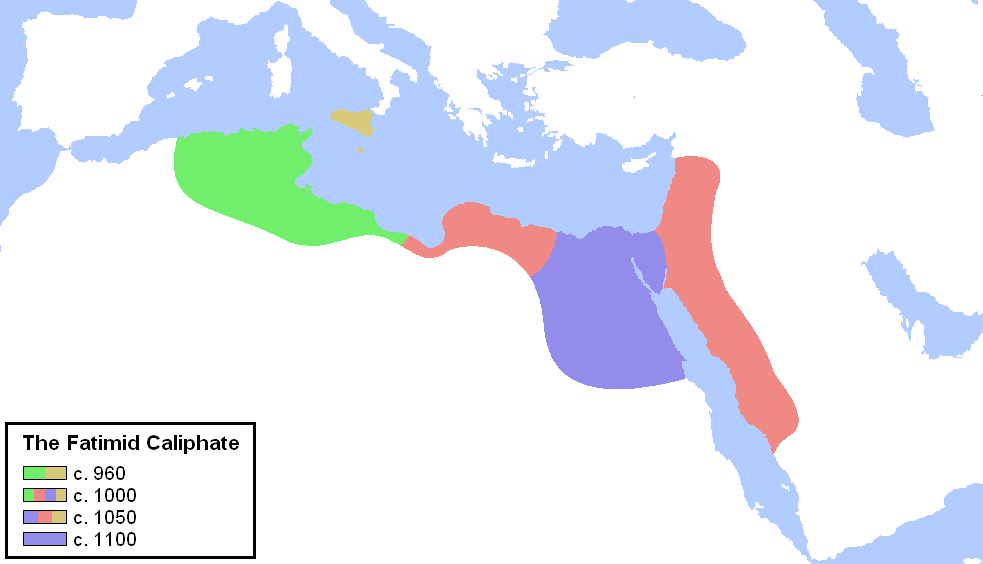
The conquest of Tunisia by the Fatimid Caliphate marked the expansion of the Shi'a Muslim dynasty into North Africa. The Fatimids, claiming descent from Prophet Muhammad's daughter Fatimah, aimed to establish their rule in the region. The conquest of Tunisia was part of their broader efforts to challenge Sunni dominance and establish their authority as Caliphs.
Upon seizing Tunisia, the Fatimids implemented their governance system, which included the promotion of Shi'a beliefs and the consolidation of their political power. This conquest brought about significant cultural and religious changes in the region, influencing the local population's beliefs and practices.
The Fatimid Caliphate's control over Tunisia had lasting implications for the region's political landscape. It paved the way for the establishment of the city of Mahdia as the capital of their empire, further solidifying their presence in North Africa.
Overall, the conquest of Tunisia by the Fatimid Caliphate was a crucial event that shaped the religious and political dynamics of the region for years to come. #FatimidCaliphate #TunisiaConquest #ShiaDynasty
View details0813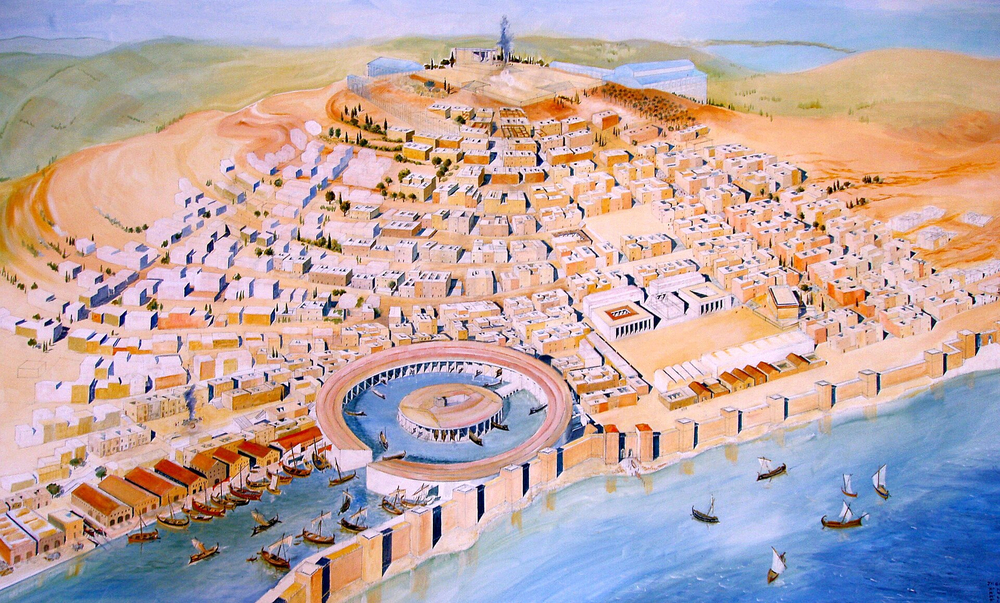
Carthage, a renowned Phoenician trading settlement, was established in the land of present-day Tunisia. Founded by Dido, a Phoenician princess, the city quickly became a dominant force in Mediterranean trade, boasting a strategic location on the North African coast. Its economy thrived on commerce, facilitated by its advanced shipbuilding and navigation techniques. Carthage grew into a powerful maritime empire, engaging in trade with various civilizations and expanding its influence across the region.
The founding of Carthage marked a significant turning point in the history of ancient Mediterranean civilizations. The city's prosperity was fueled by its trade networks, which connected distant lands and contributed to the spread of ideas, goods, and culture. Carthage emerged as a key hub for the exchange of commodities such as timber, textiles, metals, and agricultural products, further solidifying its position as a vital economic center.
The legacy of Carthage endured for centuries, shaping the history of North Africa and influencing subsequent civilizations. The city's cultural and commercial achievements left a lasting impact on the Mediterranean world, underscoring the importance of maritime trade in ancient times. Today, Carthage remains a symbol of the region's rich historical heritage and its role in global commerce.
#Carthage #PhoenicianTrading #Tunisia #Commerce #MediterraneanTrade #HistoricalLegacy
View details0808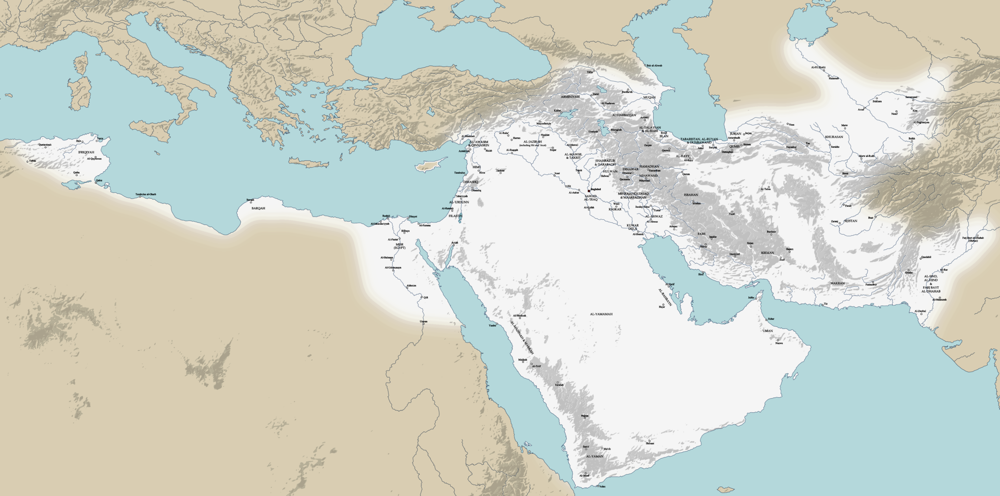
During the Abbasid Caliphate era, the city of Tunis was granted the status of a wilayah, signifying the beginning of Tunisian autonomy. This decision allowed Tunis to govern itself to a large extent, marking a pivotal moment in the region's history.
The Abbasid Caliphate's recognition of Tunis as a wilayah granted the city considerable political and administrative independence. This move empowered the local leadership to manage internal affairs and make decisions without direct interference from the central authority, leading to the establishment of a more autonomous governance system. Tunis was able to develop its own unique identity and culture while still being part of the broader Islamic empire.
The status of a wilayah bestowed upon Tunis by the Abbasid Caliphate played a significant role in shaping the future of the region. It paved the way for the emergence of a distinct Tunisian identity and allowed for the evolution of local traditions and customs. This event laid the foundation for Tunisian autonomy and set the stage for the city's continued growth and development in the centuries to come.
#AbbasidCaliphate #Tunis #Wilayah #TunisianAutonomy #IslamicEmpire
View details0799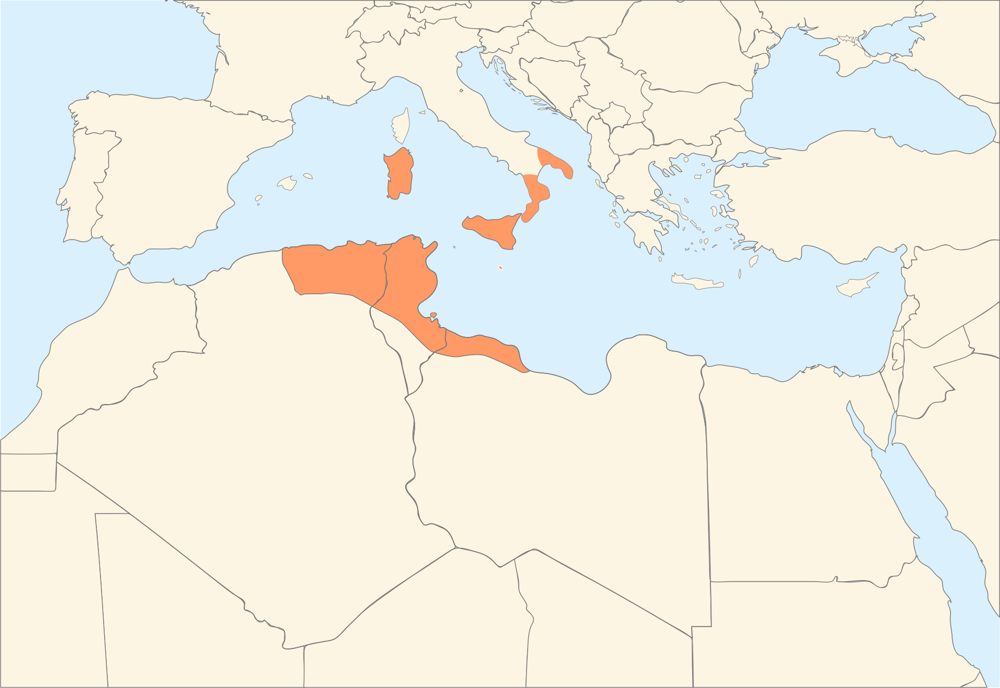
The Aghlabid dynasty's ascendancy in Tunisia marked a crucial turning point in the region's history. Established by the Abbasid Caliphate, the Aghlabids were tasked with governing Ifriqiya, comprising modern-day Tunisia and eastern Algeria. Their rule lasted for over a century and brought about significant cultural, economic, and architectural developments.
Under Aghlabid rule, Tunisia witnessed a period of prosperity and stability. The dynasty fostered trade relationships, particularly with Sicily and the Byzantine Empire, boosting the region's economy. Additionally, they undertook extensive public works projects, constructing palaces, mosques, and irrigation systems that contributed to the growth of cities like Kairouan and Mahdia.
The Aghlabids also made important contributions to art and architecture, blending Islamic and Byzantine influences to create a unique architectural style. This period saw the construction of impressive monuments such as the Great Mosque of Kairouan, which still stands as a testament to their legacy.
Overall, the establishment of the Aghlabid dynasty in Tunisia not only solidified political control in the region but also ushered in a period of cultural and economic flourishing that left a lasting impact on Tunisian history.
#AghlabidDynasty #TunisianHistory #CulturalDevelopment
View details0761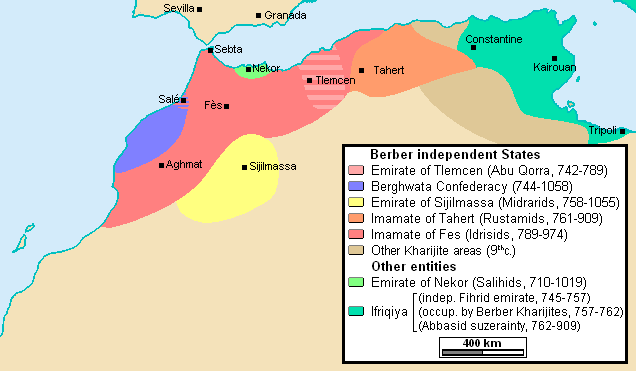
The Berber Revolt against the Arab rulers in North Africa intensified, particularly in Tunisia, leading to the establishment of the independent Rustamid Emirate. The Berbers, feeling marginalized and oppressed by the ruling Arab elite, rallied under the leadership of the Rustamid dynasty. This revolt gained momentum as more Berber tribes joined forces to break free from Arab domination.
The Rustamids successfully established their independent emirate in Tunisia, with their capital in Tahert. This new emirate sought to create a society based on Berber traditions and customs, effectively pushing back against Arab cultural influence. The Rustamid Emirate became a sanctuary for Berber identity and autonomy in the region.
The establishment of the Rustamid Emirate marked a significant shift in the power dynamics of North Africa, challenging the dominance of Arab rule. It also highlighted the deep-seated tensions between the Arab and Berber communities in the region. The emirate's independence provided a sense of pride and empowerment to the Berber people, fostering a renewed sense of cultural identity and self-governance.
The Berber Revolt and the emergence of the Rustamid Emirate underscore the complexities of North African history and the enduring struggle for sovereignty and self-determination. #BerberRevolt #RustamidEmirate #TunisiaHistory #CulturalAutonomy
View details0745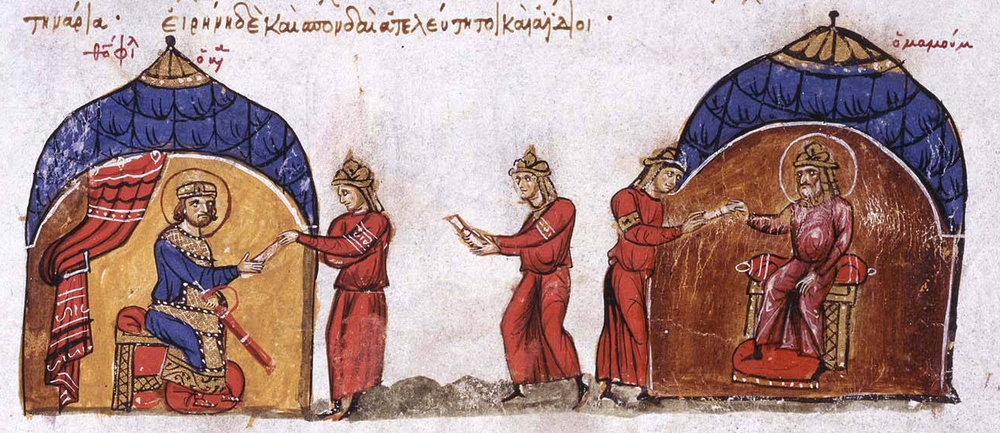
The Arab-Byzantine wars concluded as the Umayyad Caliphate successfully captured Carthage in Tunisia. This marked a significant turning point in the power dynamics of the region. The conflict between the Arab forces and the Byzantine Empire had been ongoing for years, with both sides vying for control over strategic territories.
The capture of Carthage gave the Umayyad Caliphate a stronghold in North Africa, establishing their presence in the region and solidifying their power. This victory also granted them access to vital resources, trade routes, and a strategic advantage in future conflicts.
The fall of Carthage had far-reaching consequences, as it weakened the Byzantine Empire and contributed to the eventual decline of their influence in North Africa. The Umayyad Caliphate's control over Carthage also facilitated the spread of Islam in the region, as they implemented Islamic administrative systems and policies.
Overall, the capture of Carthage by the Umayyad Caliphate marked a significant shift in power in the Arab-Byzantine wars, with long-lasting implications for the political and religious landscape of the region. #UmayyadCaliphate #CarthageCapture #ArabByzantineWars #Tunisia
View details0710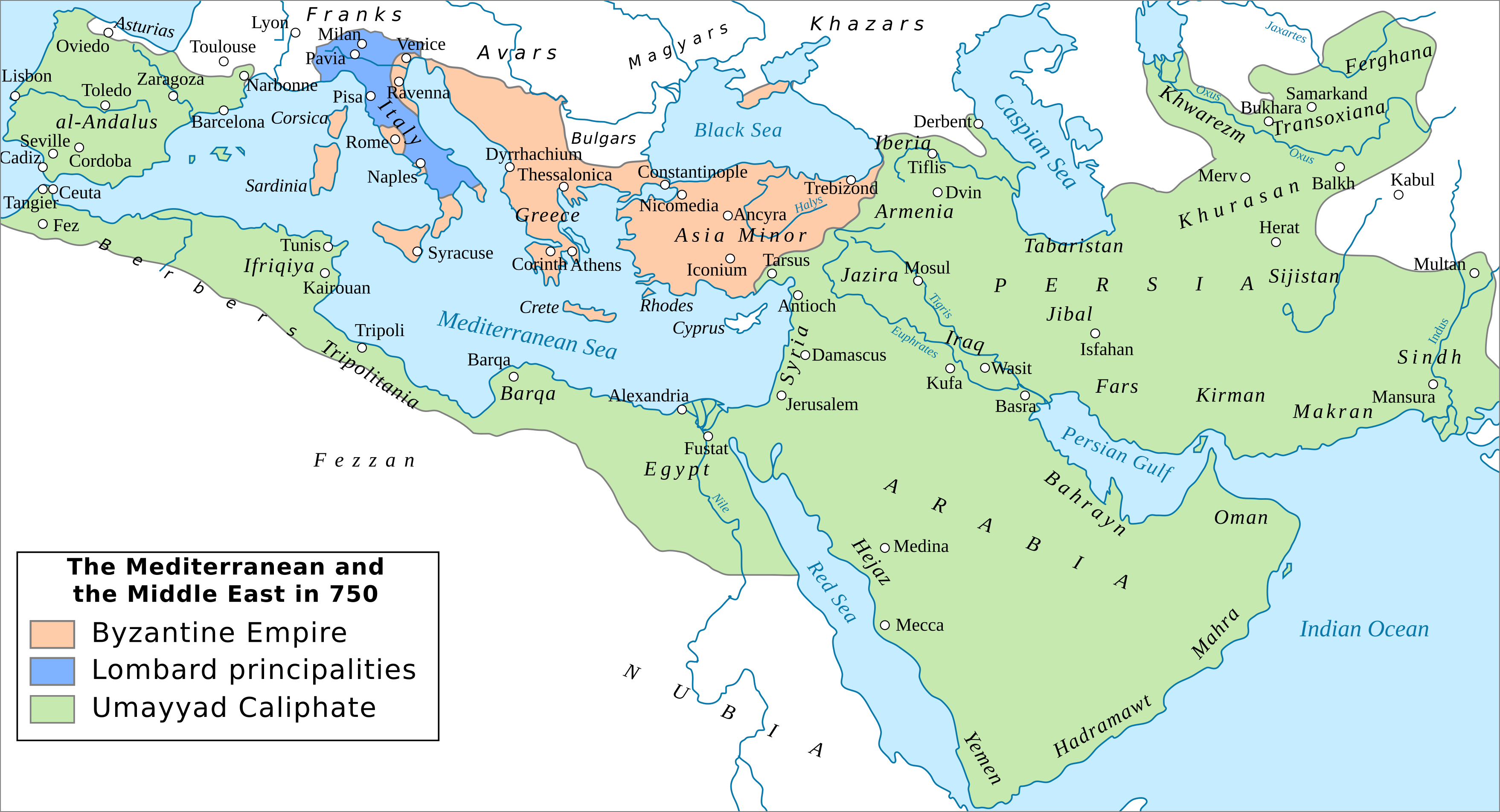
Following the conquest by the Umayyad Caliphate, the Ifriqiya Emirate was established in Tunisia. This marked a significant shift in the region's political landscape. The Umayyads strategically positioned Ifriqiya as a crucial center for military operations and trade in the Mediterranean.
Under Umayyad rule, Tunisia flourished culturally and economically. The emirate became a hub for Islamic learning, attracting scholars and intellectuals from across the Muslim world. The Umayyads also introduced advanced agricultural techniques, leading to increased productivity and prosperity.
The establishment of the Ifriqiya Emirate solidified the Umayyad presence in North Africa and laid the foundation for future Islamic dynasties in the region. It also facilitated the spread of Islam in the area, shaping its religious and cultural identity for centuries to come.
#IfriqiyaEmirate #UmayyadCaliphate #TunisiaHistory #IslamicExpansion
View details0668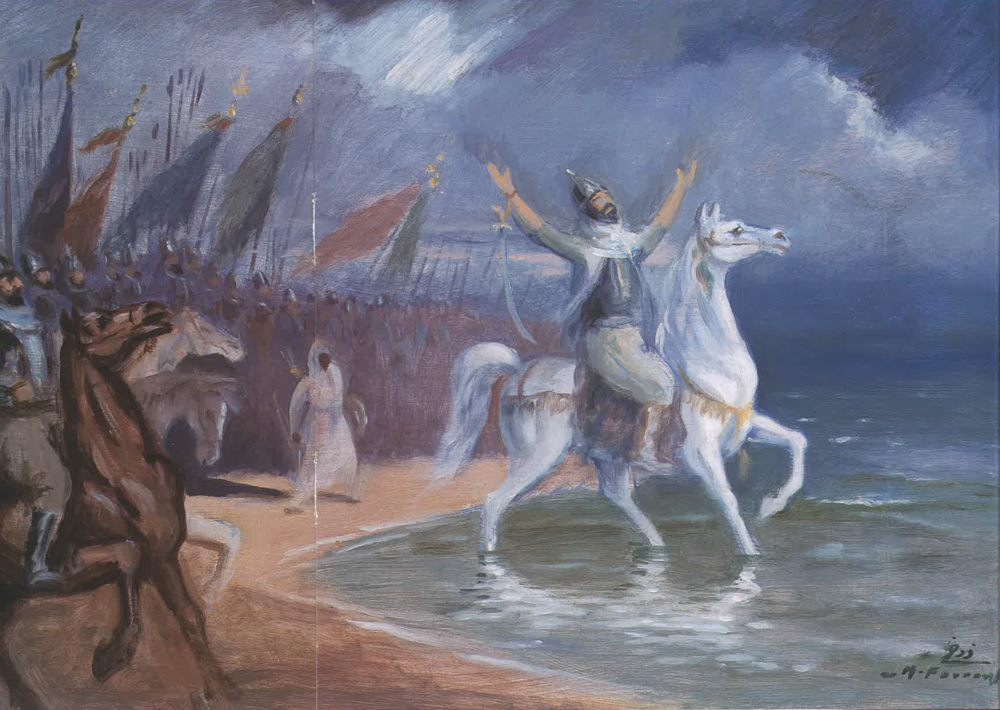
In the early years of the Arab conquests, the Arab-Muslim general Uqba ibn Nafi laid the foundation of the city of Kairouan in present-day Tunisia. Strategically located in the heart of North Africa, the city served as a crucial hub for trade and military operations.
Under Uqba's leadership, Kairouan flourished as a center for Islamic learning and culture, attracting scholars and traders from far and wide. The city's renowned Great Mosque, built by Uqba himself, became a symbol of Islamic architecture and spirituality.
The establishment of Kairouan had a lasting impact on the region, solidifying Arab rule and Islam as dominant forces. The city's strategic location facilitated the spread of Islamic influence throughout North Africa and beyond, shaping the cultural and political landscape for centuries to come.
Today, Kairouan stands as a testament to its rich history, with its ancient walls and architectural wonders drawing visitors from around the world to witness the legacy of Uqba ibn Nafi and the foundation he laid. #Kairouan #ArabConquests #IslamicCulture #Tunisia
View details0646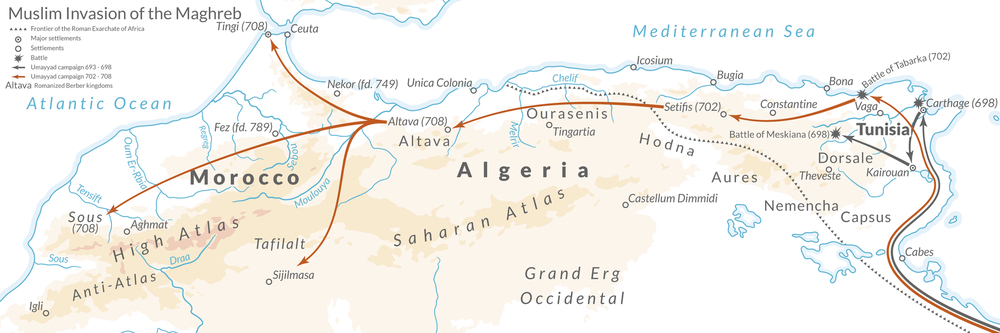
The Arab conquest of Tunisia began as the Islamic forces, led by the general Abdullah ibn Saad, arrived in North Africa to expand the territories under Muslim rule. The campaign aimed to spread Islam and establish political dominance in the region. The Byzantine-controlled areas of Carthage and Tripoli were key targets due to their strategic locations.
The conquest of Tunisia had a profound impact on the region, introducing Arab culture, language, and religion. It led to the Arabization and Islamization of the indigenous Berber population, shaping the future identity of Tunisia. The establishment of Islamic governance brought about changes in administration, law, and society, influencing the development of the region for centuries to come.
This event marked the beginning of a new era in Tunisia, as Arab rule replaced Byzantine control. It paved the way for the integration of North Africa into the wider Islamic world, fostering trade, intellectual exchange, and cultural diffusion. The Arab conquest of Tunisia laid the foundation for the rich tapestry of history and heritage in the region, shaping its identity as a crossroads of civilizations.
#ArabConquest #TunisiaHistory #IslamicExpansion
View details0533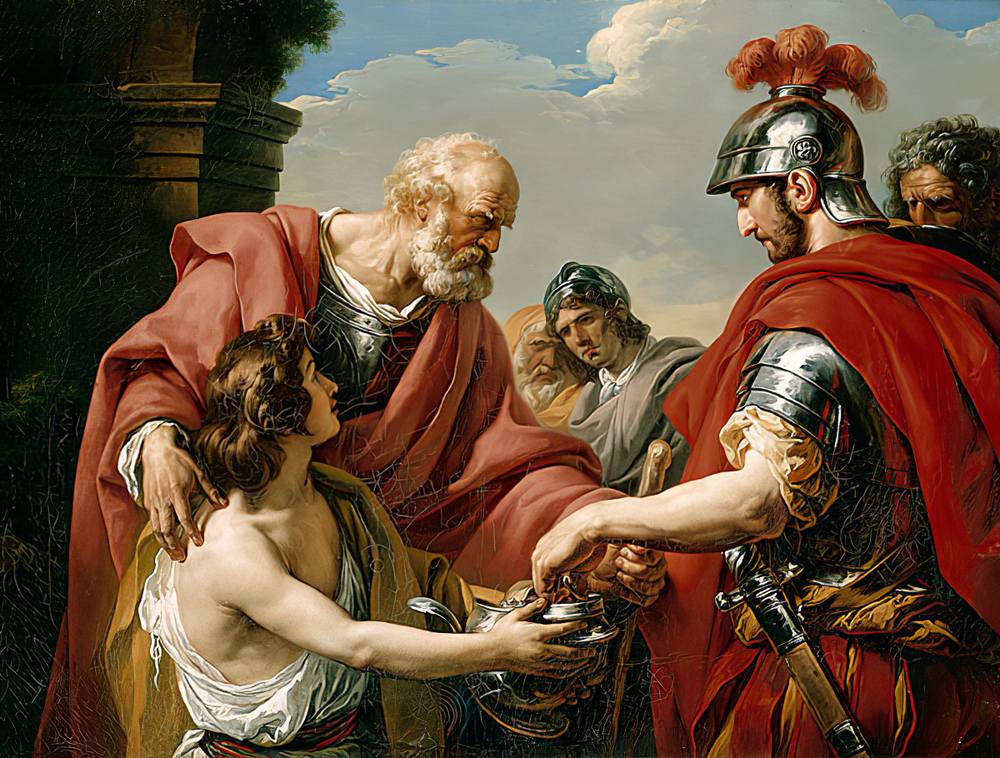
In 533, the Byzantine General Belisarius led a successful campaign to recapture Carthage from the Vandals. This victory marked a significant turning point in the Byzantine Empire's efforts to reclaim territories lost during the decline of the Western Roman Empire.
The city of Carthage, strategically located in North Africa, had been under Vandal rule for nearly a century. The Vandals, a Germanic tribe, had established a powerful kingdom in the region, posing a threat to Byzantine interests in the Mediterranean.
Belisarius, known for his military prowess and strategic acumen, orchestrated a well-coordinated attack that caught the Vandal forces by surprise. His skilled leadership and the support of Byzantine troops ultimately led to the successful siege and recapture of Carthage.
The reconquest of Carthage provided the Byzantine Empire with a vital stronghold in North Africa, strengthening its position in the region and securing crucial trade routes. The defeat of the Vandals also enhanced the prestige and power of Emperor Justinian I, who sought to restore the former glory of the Roman Empire.
The recapture of Carthage by Belisarius represents a pivotal moment in Byzantine history, highlighting the empire's military resurgence and territorial expansion. It underscores the importance of strategic planning and decisive military actions in shaping the course of history. #ByzantineEmpire #Belisarius #CarthageRecaptured #VandalDefeat
View details0532
Tensions flared between the Berber tribes and the Byzantine Empire in present-day Tunisia. The Berbers, indigenous tribes of North Africa, were seeking to maintain their autonomy and resist Byzantine control. The Byzantines, eager to expand their influence in the region, faced fierce opposition from the skilled Berber warriors.
These escalating tensions led to frequent confrontations and skirmishes between the two sides. The Berbers, known for their knowledge of the desert terrain, employed guerilla tactics to thwart Byzantine advances. On the other hand, the Byzantines, with their superior military organization and resources, struggled to subdue the resilient Berber resistance.
The conflict had a significant impact on the region, leading to instability and insecurity for both the Berber tribes and the Byzantine Empire. The clashes resulted in loss of life and resources, further deepening the animosity between the two factions.
This event marked a pivotal moment in the history of Tunisia, highlighting the enduring struggle for power and autonomy between indigenous populations and imperial forces. The legacy of these tensions continues to resonate in the region, shaping its political and cultural landscape. #BerberTribes #ByzantineEmpire #TunisiaHistory
View details0504
In 0505, Berber king Mastigas founded the Kingdom of Altava in the region that is present-day Tunisia. Mastigas, a prominent Berber leader, established Altava as a kingdom independent of the Byzantine Empire's control. The foundation of Altava marked a significant shift in the political landscape of the region, as it became a stronghold for the Berber people.
The Kingdom of Altava played a crucial role in the history of North Africa, serving as a center of Berber power and culture. It allowed the Berber people to exert influence and control over their own territories, shaping the development of the region for years to come. Altava's strategic location also made it a key player in trade routes across North Africa.
Mastigas' establishment of the Kingdom of Altava was a turning point in the history of the Berber people, providing them with a sense of unity and autonomy. The kingdom's legacy endured long after its foundation, leaving a lasting impact on the history of Tunisia and the broader North African region.
#KingdomofAltava #BerberHistory #TunisianHeritage
View details0467
In North Africa, the Battle of Cap Bon unfolded between the Eastern Roman forces and the Vandals. The conflict stemmed from the Vandal's control over North Africa, posing a threat to the Eastern Roman Empire's interests in the region. The battle marked a significant clash as the Eastern Roman forces sought to reclaim their dominance over the area.
The Eastern Roman forces, led by the experienced general Basiliscus, employed strategic maneuvers and superior military tactics to weaken the Vandal army. The intense battle lasted for days, with both sides sustaining heavy casualties. However, the Eastern Roman forces ultimately emerged victorious, dealing a decisive blow to the Vandal Kingdom's power in North Africa.
The outcome of the Battle of Cap Bon significantly altered the dynamics of power in the region, as the Vandals were forced to retreat and the Eastern Roman Empire regained control over North Africa. This event reshaped the political landscape and secured the Eastern Roman Empire's position in the Mediterranean.
#BattleOfCapBon #EasternRomanForces #Vandals #NorthAfrica #RomanEmpire #MilitaryHistory #Tunisia
View details0438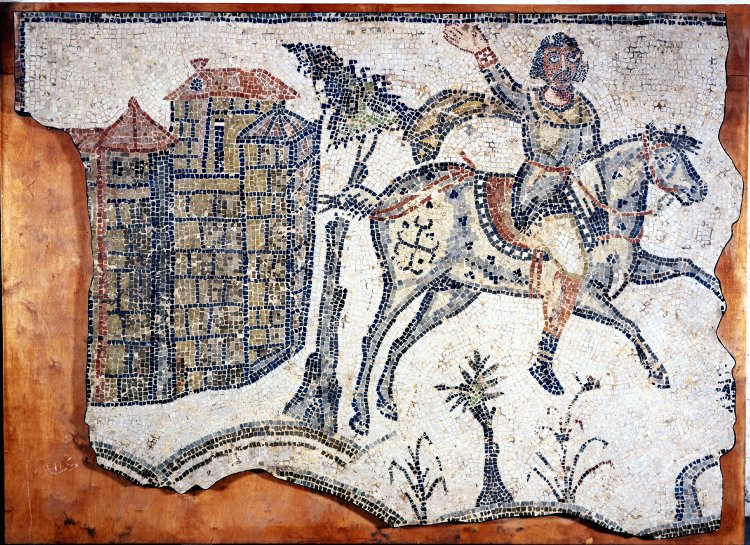
The Vandals, a Germanic tribe, launched a military campaign across the Mediterranean and invaded North Africa, establishing their kingdom with Carthage as its capital. This conquest significantly altered the dynamics of the region, as the Vandals imposed their rule over the lands formerly controlled by the Roman Empire. The Vandal Kingdom in North Africa garnered resources through taxation and trade, consolidating their power in the area.
The impact of the Vandal invasion was felt not only in terms of political control but also in the cultural and societal spheres. The Vandal Kingdom brought about changes in administration, language, and religious practices in North Africa. The local populations had to adapt to the new ruling power and navigate the shifting dynamics of the region.
The establishment of the Vandal Kingdom in North Africa marked a turning point in the history of the region, as it brought about a period of Vandal rule that lasted for several decades. The legacy of the Vandals in North Africa can still be seen in various archaeological sites and historical records, shedding light on this significant chapter in the history of the area.
#Vandals #GermanicTribe #Carthage #NorthAfrica #Kingdom #HistoricalEvent #Tunisia
View details0429
During the Vandal siege of Hippo Regius, Saint Augustine, Bishop of Hippo, passed away. His death marked the end of an era for the Christian community in North Africa. Augustine was a prolific writer and influential theologian whose works continue to shape Christian thought. His teachings on grace, salvation, and the City of God have left a lasting impact on Christian theology.
The Vandal siege of Hippo Regius was a turbulent time for the city, as it faced attack and destruction. Augustine, a prominent figure in the community, provided spiritual guidance and comfort to the people amidst the chaos of war. His death during this tumultuous period symbolized the end of an era of peace and stability for the Christian community in North Africa.
Saint Augustine's legacy endured long after his passing, as his writings continued to inspire and educate generations of Christians. His emphasis on the importance of faith, reason, and the pursuit of truth resonates with believers to this day. Augustine's profound influence on Western Christianity cements his place as one of the most significant figures in Christian history.
#SaintAugustine #BishopOfHippo #VandalSiege #HippoRegius #ChristianTheology #Legacy
View details0400
Saint Marcellinus, once the bishop of Carthage, took on the task of documenting the history of the Church. His chronicle provided a comprehensive account of the early days of Christianity, shedding light on significant events, figures, and theological developments. Marcellinus lived during a period of great upheaval in the Church, as controversies and schisms arose. His chronicle served as a vital resource for future generations, offering insights into the challenges faced by the early Christian community.
Marcellinus' work not only preserved the Church's history but also played a key role in shaping the theological discourse of the time. By recording the struggles and triumphs of the Church, he provided a foundation for future theological reflection and debate. His chronicle continues to be studied by theologians, historians, and scholars interested in early Christian history.
The writing of this chronicle by Saint Marcellinus in Carthage was a momentous occasion, marking a significant contribution to the documentation of Church history. His work remains a valuable source of information for those seeking to understand the early development of Christianity and the challenges faced by the early Church community. The chronicle stands as a testament to Marcellinus' dedication to preserving the rich tapestry of the Church's past.
#SaintMarcellinus #Carthage #ChurchHistory #Tunisia #Christianity #HistoricalDocumentation
View details0263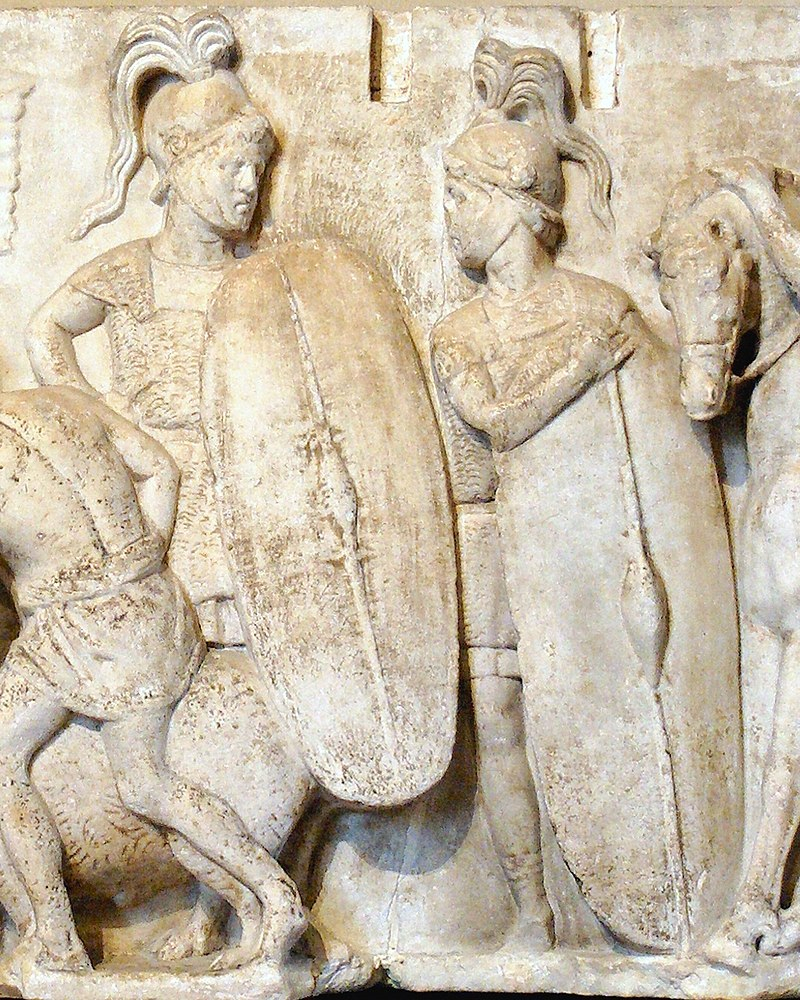
The First Punic War between Rome and Carthage commenced in 264 BC over territorial disputes in Sicily. Rome, expanding its influence, aimed to control the island, challenging Carthage's established power in the region. The conflict stemmed from both sides seeking dominance, with Rome's growing naval strength becoming a key factor.
The outbreak of the war marked a significant shift in the power dynamics of the Mediterranean, leading to a series of naval battles and land skirmishes over the control of strategic locations. Rome, initially inexperienced in naval warfare, adapted quickly and built a formidable fleet to challenge Carthage's naval supremacy.
The war lasted for over two decades, resulting in heavy casualties and economic strain on both sides. The conflict showcased Rome's military adaptability and determination to expand its influence, ultimately culminating in its victory over Carthage. This triumph established Rome as a dominant force in the Mediterranean, setting the stage for further expansion and conflict in the region.
The First Punic War left a lasting impact on both Rome and Carthage, shaping their future interactions and laying the groundwork for subsequent conflicts between the two powers. The war was a key milestone in Rome's rise to prominence and solidified its status as a formidable military power in the ancient world.
#Rome #Carthage #FirstPunicWar #Mediterranean #MilitaryConflict
View details0257
Saint Cyprian, Bishop of Carthage, was martyred for his Christian faith during the persecutions under Emperor Valerian. As a prominent figure in the early Christian church, Cyprian was known for his teachings and leadership in Carthage, present-day Tunisia. Despite facing increasing hostility towards Christians during Valerian's rule, Cyprian remained steadfast in his beliefs, refusing to renounce his faith. This led to his arrest and eventual execution.
Cyprian's martyrdom had a profound impact on the Christian community, inspiring many believers to stand firm in their faith even in the face of persecution. His courageous stance against the Roman authorities also solidified his legacy as a defender of the Christian faith. The memory of his martyrdom continued to be celebrated by Christians, and he was later declared a saint by the church.
The sacrifice of Saint Cyprian serves as a reminder of the challenges early Christians faced in professing their faith in a hostile environment. His unwavering commitment to his beliefs has inspired generations of Christians to stay true to their convictions, even when faced with adversity. Cyprian's legacy lives on as a testament to the resilience and faith of the early Christian community.
#SaintCyprian #Martyrdom #ChristianFaith #Persecution #Legacy
View details