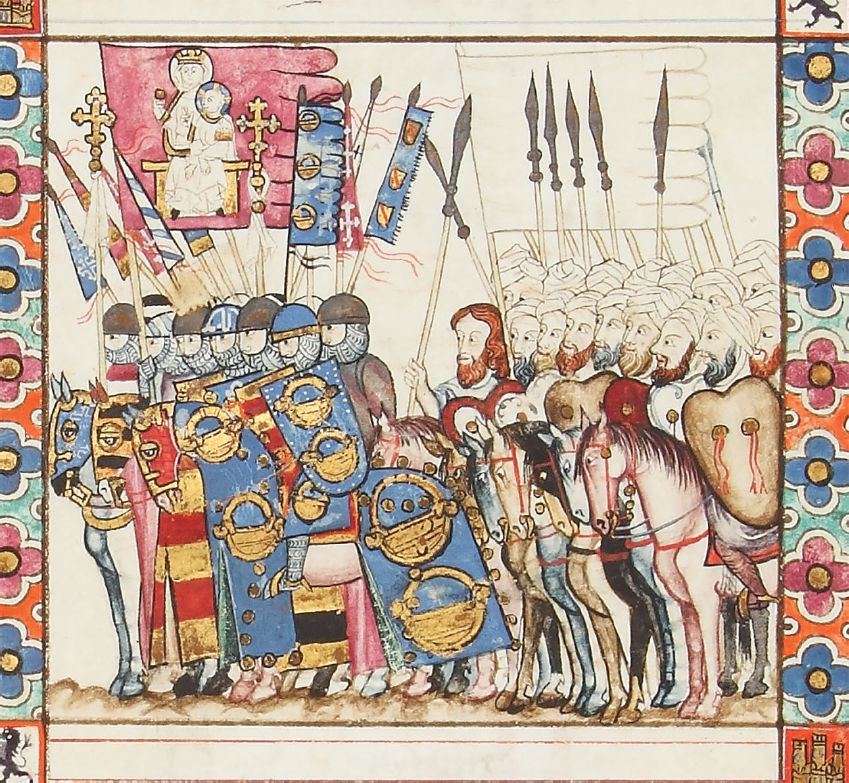
Almohad conquest of Tunisia from Almoravids marks regional power shift in history.
Tunisia
Political
3 min read
Updated By: History Editorial Network (HEN)
Published:
The Almohad Caliphate's capture of Tunisia marked a pivotal shift in North African politics. The Almohads, led by Caliph Abd al-Mu'min, emerged as a formidable force challenging the Almoravids' dominance in the region. The Almoravids' declining power, due to internal dissent and external pressures, paved the way for the Almohads to expand their influence.
The strategic takeover of Tunisia by the Almohads had far-reaching consequences, altering the political landscape and leading to significant cultural and religious transformations. The Almohads' rule brought about the establishment of their distinct theological doctrines, emphasizing strict adherence to Islamic principles. This influence reshaped Tunisian society and governance.
The capture of Tunisia by the Almohads not only solidified their authority in the region but also signaled the beginning of their broader conquests across North Africa and beyond. Their military prowess and ideological fervor allowed them to establish a vast empire, encompassing diverse territories and cultures under their rule.
The event exemplifies the dynamic nature of power struggles in medieval North Africa and the enduring impact of religious and political shifts on society. The Almohad Caliphate's capture of Tunisia underscored the complexities of regional politics and the enduring legacy of Islamic empires in shaping the Mediterranean world.
#AlmohadCaliphate #Tunisia #Conquest #MedievalHistory #IslamicEmpires
Primary Reference
Almohad Caliphate - Wikipedia

Explore the Life Moments of
 AI Twin