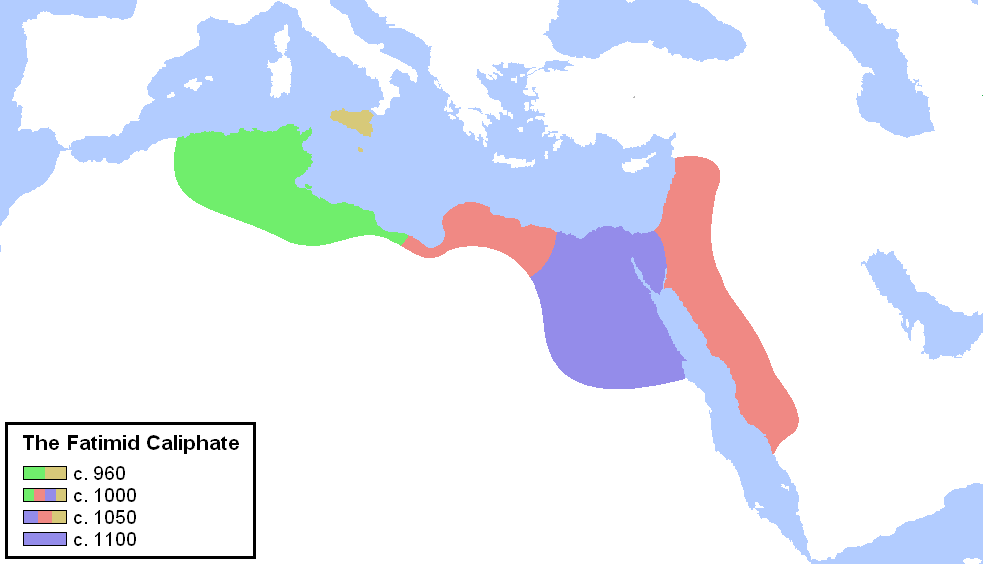
Fatimid Caliphate's conquest of territory influences North Africa's history, shaping its Islamic identity.
Tunisia
Political
3 min read
Updated By: History Editorial Network (HEN)
Published:
The conquest of Tunisia by the Fatimid Caliphate marked the expansion of the Shi'a Muslim dynasty into North Africa. The Fatimids, claiming descent from Prophet Muhammad's daughter Fatimah, aimed to establish their rule in the region. The conquest of Tunisia was part of their broader efforts to challenge Sunni dominance and establish their authority as Caliphs.
Upon seizing Tunisia, the Fatimids implemented their governance system, which included the promotion of Shi'a beliefs and the consolidation of their political power. This conquest brought about significant cultural and religious changes in the region, influencing the local population's beliefs and practices.
The Fatimid Caliphate's control over Tunisia had lasting implications for the region's political landscape. It paved the way for the establishment of the city of Mahdia as the capital of their empire, further solidifying their presence in North Africa.
Overall, the conquest of Tunisia by the Fatimid Caliphate was a crucial event that shaped the religious and political dynamics of the region for years to come. #FatimidCaliphate #TunisiaConquest #ShiaDynasty
Primary Reference
Muslim Sicily - Wikipedia

Explore the Life Moments of
 AI Twin