Tunisia
Golden beaches, Sunny weather, and Affordable luxu...
1
2
3
4
25-Mar-1956
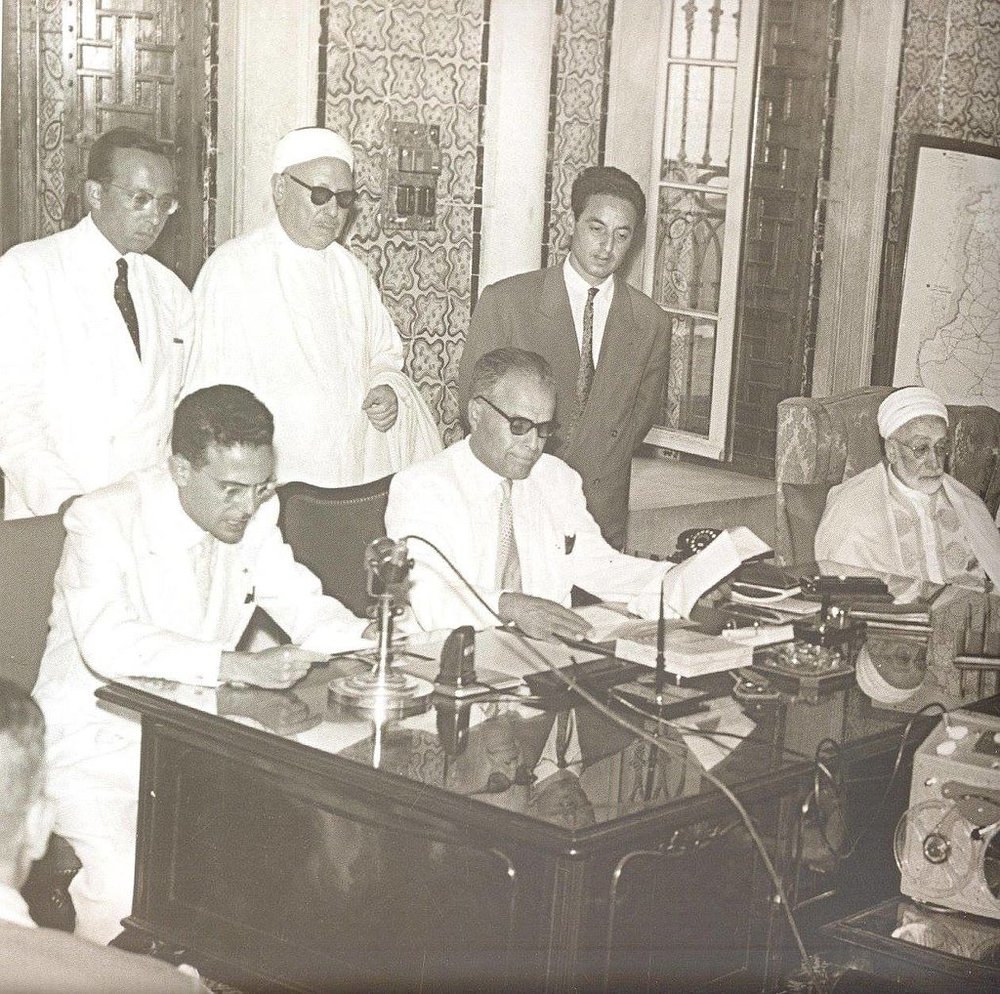
Establishment of Tunisian National Assembly signifies progress towards self-governance in Tunisian history.
20-Mar-1956
Tunisia's transition to a republic with Habib Bourguiba as first president symbolizes new era.
20-Mar-1956
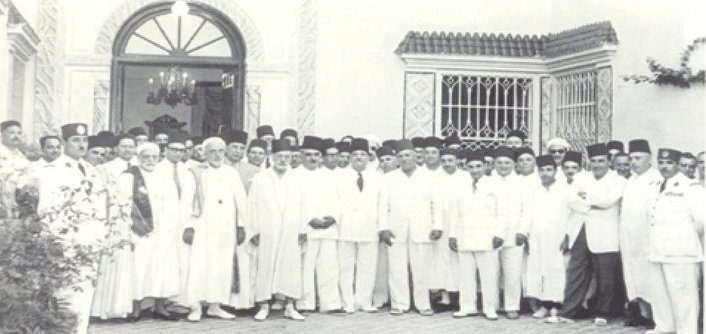
Independence achievement of Tunisia after French colonization through a historical perspective for celebration.
1955
Government's land reform program aims to address inequities in land ownership and usage in Tunisia.
1955
Tunisia's inaugural family planning initiative aimed at population growth control and reproductive health advancement.
1955
Code of Personal Status grants rights to women, improving gender equality and legal protections.
1954
Beginning of language policy shift in Tunisia towards Arabic from French in education and media.
12-May-1943
British and American military presence established in Tunisia during World War II.
1935
French forces kill Tunisian Congress leaders Ali Bach Hamba and Bashir Saadane.
02-Mar-1934
Habib Bourguiba founds Neo Destour party to push for Tunisian independence.
26-May-1912
Decree of 1912 Limits Tunisian Land Ownership Rights
1910
The publication of the petition signed by 50,000 Tunisians demanding reforms and Tunisian representation in the government, known as the "Petition of the Tunisian People"
1907
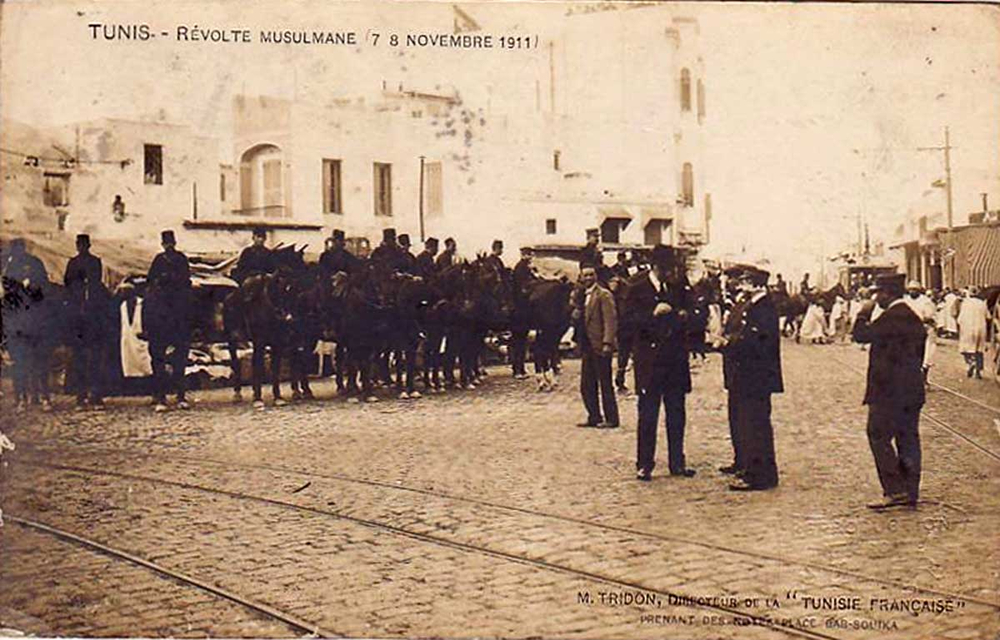
Muslim holiday marked by protests and activist's death - Eid al-Fitr events in focus.
26-Apr-1906
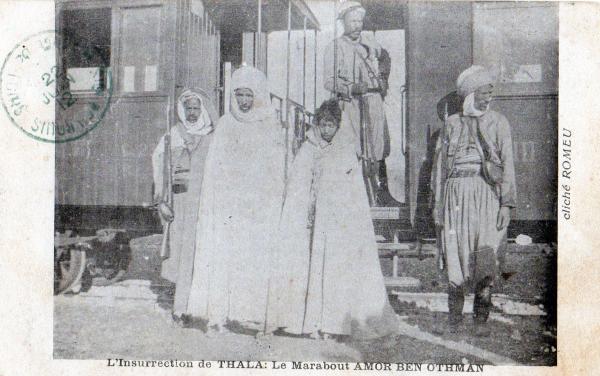
The 'Thala-Kasserine' Disturbances: The First Armed Resistance Against French Rule in Tunisia
12-May-1881
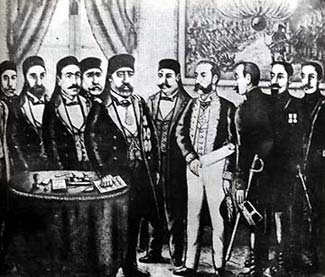
The signing of the Treaty of Bardo between the Ottoman Empire and France recognizing French influence in Tunisia
1880
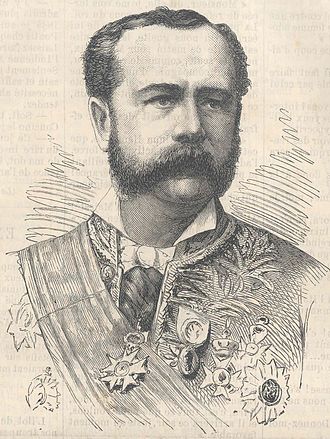
French Resident-General strengthens colonial control over Tunisia.
1858
Establishment of advisory council by Bey of Tunis with Tunisians and Europeans for governance.
1853
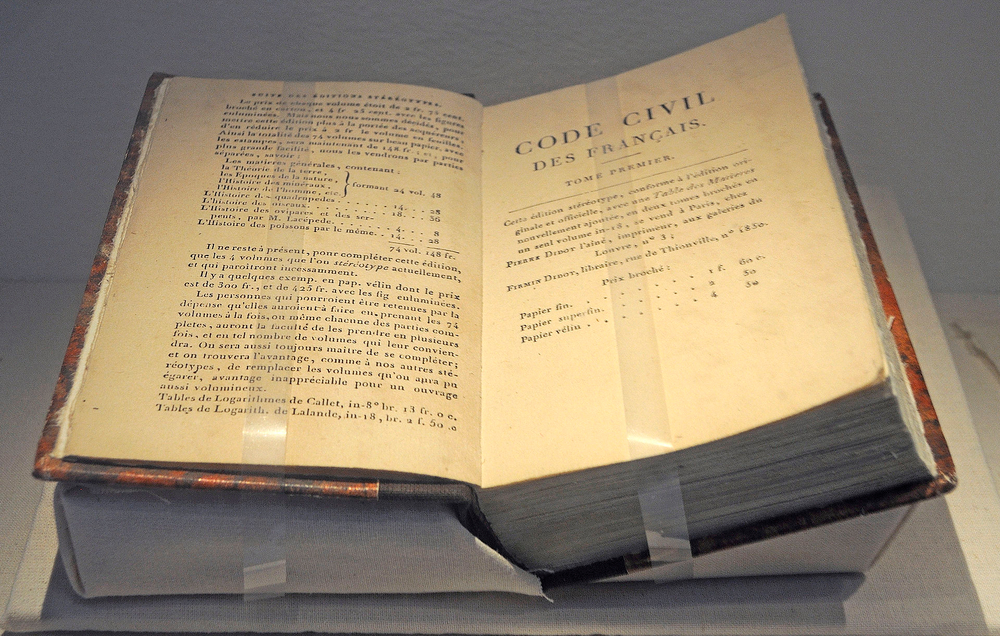
Tunisia adopts legal system based on Napoleonic Code.
1853
Prince Ahmed I ibn Mustafa was overthrown and put to death for unknown reasons.
1841
The construction of the Cathedral of St. Louis in Carthage's historical significance.
1836
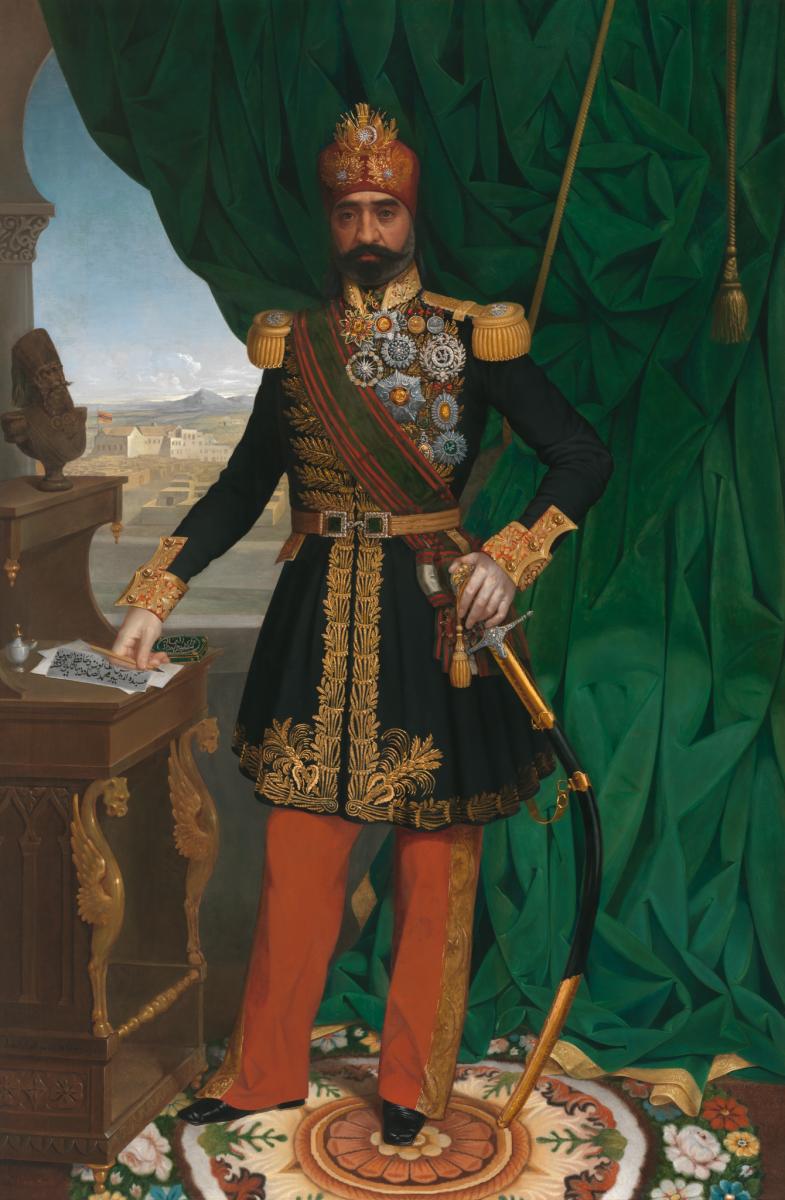
Ahmad Bey from the Muradid dynasty becomes the ruler of Tunis.
1823
Reign of Al-Husayn II ibn Mahmud begins as Bey of Tunis.
1816
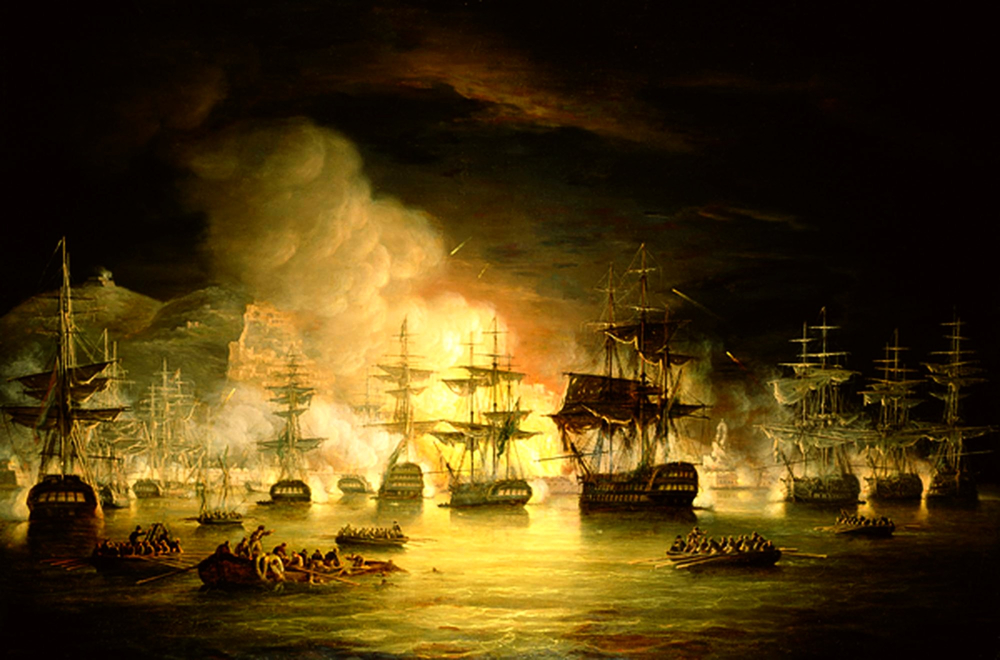
Tunisia battles Barbary pirates alongside British and Dutch allies against maritime threats.
1812
Hammuda Bey succeeded by brother Hamouda Pasha in leadership shift.
05-Apr-1805
Tunisian forces seize Derna from the U.S., a significant military victory.
28-Aug-1797
US and Tunisia sign peace and friendship treaty strengthening diplomatic relations.
1751
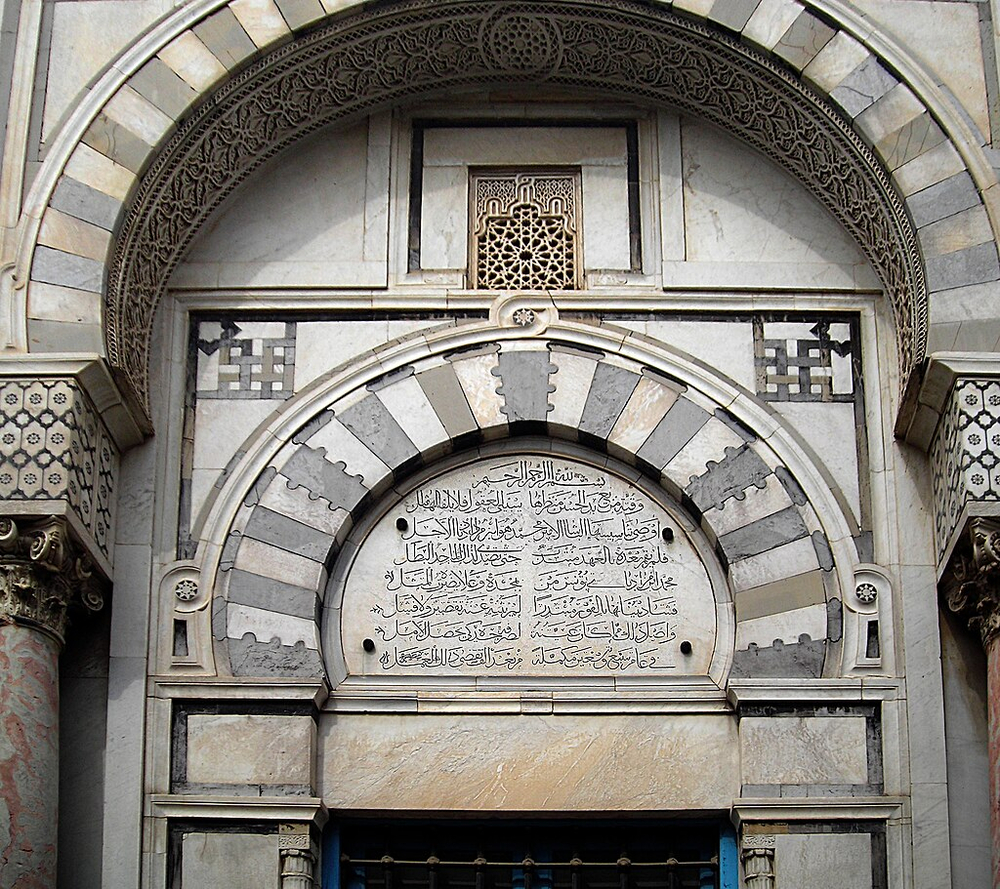
The construction of the Sidi Bou Saïd Mosque in Carthage's historical significance and beauty.
1704
Ali I Bey establishes Husainid dynasty rule in Tunisia, marking a significant historical shift in power.
1699
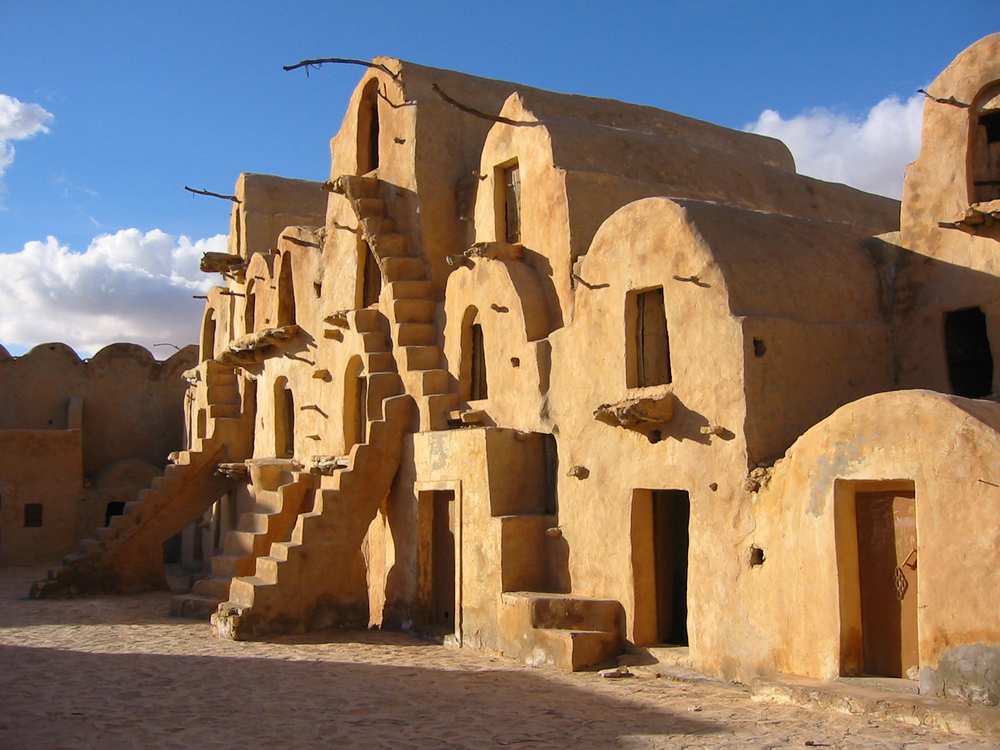
Historical significance and architectural features of Ksar Ouled Soltane in Tunisia's history.
1573
Ottoman rule in Tunisia: Historical context and impact on society and governance.
1
2
3
4
Related Lives
Pakistan
Pakistan Zindabad
Mexico
The Land of the Maya
Portugal
The Land of Explorers
Georgia
The Crossroads of Europe and Asia