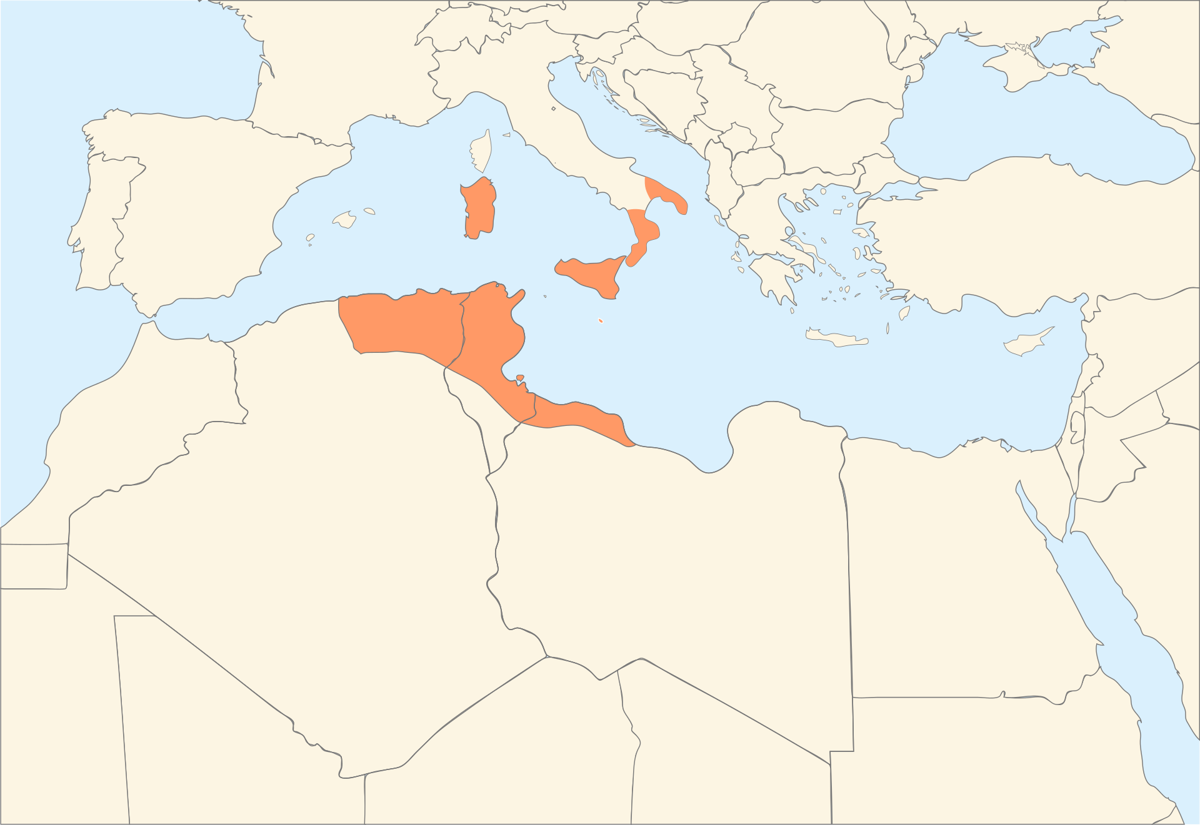
Aghlabid dynasty takes power in historical Tunisia, shaping regional culture and history.
Tunisia
CulturalDevelopment
3 min read
Updated By: History Editorial Network (HEN)
Published:
The Aghlabid dynasty's ascendancy in Tunisia marked a crucial turning point in the region's history. Established by the Abbasid Caliphate, the Aghlabids were tasked with governing Ifriqiya, comprising modern-day Tunisia and eastern Algeria. Their rule lasted for over a century and brought about significant cultural, economic, and architectural developments.
Under Aghlabid rule, Tunisia witnessed a period of prosperity and stability. The dynasty fostered trade relationships, particularly with Sicily and the Byzantine Empire, boosting the region's economy. Additionally, they undertook extensive public works projects, constructing palaces, mosques, and irrigation systems that contributed to the growth of cities like Kairouan and Mahdia.
The Aghlabids also made important contributions to art and architecture, blending Islamic and Byzantine influences to create a unique architectural style. This period saw the construction of impressive monuments such as the Great Mosque of Kairouan, which still stands as a testament to their legacy.
Overall, the establishment of the Aghlabid dynasty in Tunisia not only solidified political control in the region but also ushered in a period of cultural and economic flourishing that left a lasting impact on Tunisian history.
#AghlabidDynasty #TunisianHistory #CulturalDevelopment
Primary Reference
Aghlabid dynasty | Arab Conquest, Islamic Rule, Tunisia | Britannica

Explore the Life Moments of
 AI Twin