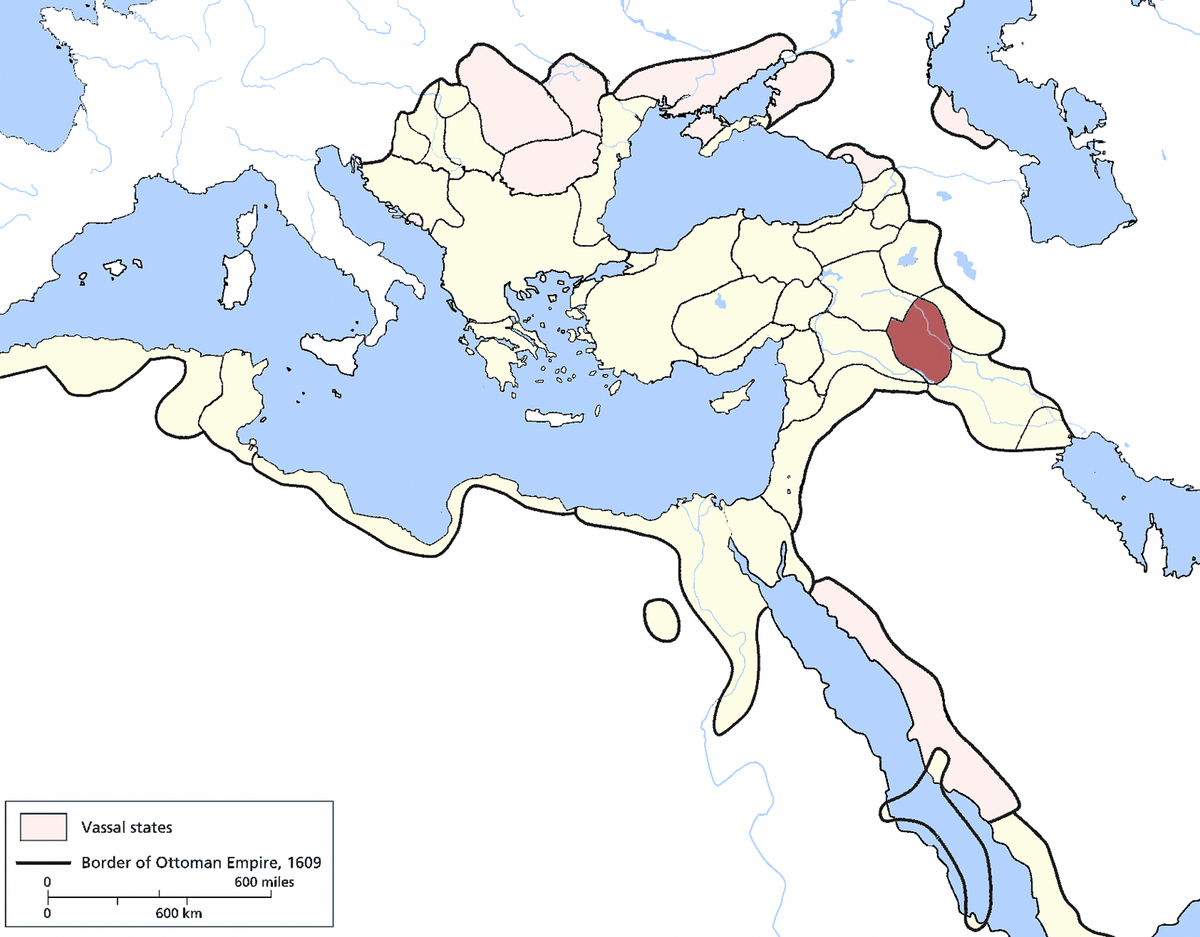
Ottoman rule in Tunisia: Historical context and impact on society and governance.
Tunisia

Cultural
3 min read
Updated By: History Editorial Network (HEN)
Published:
A pivotal event in Tunisian history was the establishment of Ottoman rule. Following the conquest of Tunis, the Ottomans solidified their power in the region by appointing governors and implementing their administrative system. This marked a significant shift in the political landscape, replacing the previous Hafsid rule.
Under Ottoman rule, Tunisia experienced changes in governance, economy, and culture. The Ottomans introduced new laws and institutions, including the imposition of taxes and the organization of the military. They also brought elements of Turkish and Islamic culture, influencing architecture, language, and cuisine in the region.
The impact of Ottoman rule on Tunisia was profound and enduring. It shaped the country's development for centuries to come, influencing its political structure, social organization, and cultural identity. The Ottomans left a lasting legacy that can still be seen in Tunisia today, from its architectural landmarks to its culinary traditions.
The establishment of Ottoman rule in Tunisia marked a turning point in the country's history, leaving a legacy that continues to shape its identity. #TunisianHistory #OttomanRule #CulturalInfluence
Primary Reference
Ottoman Tunisia - Wikipedia

Explore the Life Moments of
 AI Twin