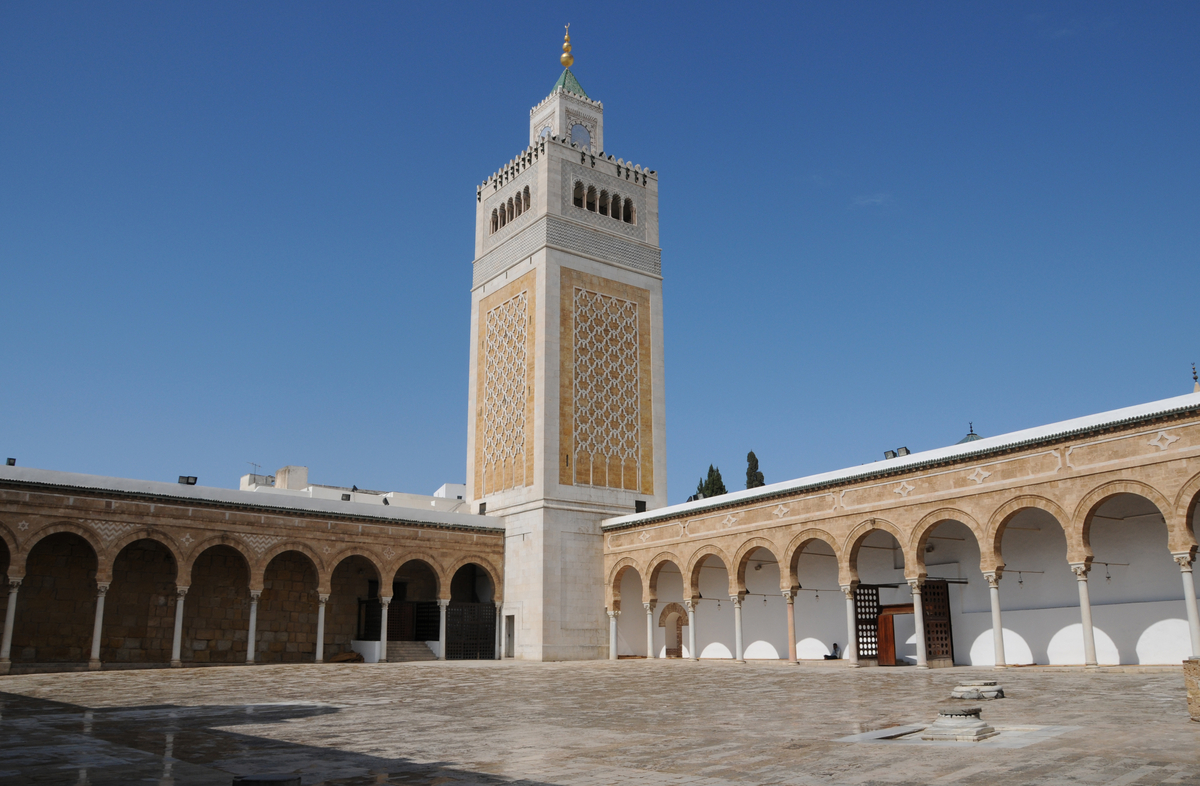
The construction of the Sidi Bou Saïd Mosque in Carthage's historical significance and beauty.
Tunisia
Cultural Heritage
Tourism
3 min read
Updated By: History Editorial Network (HEN)
Published:
The construction of the Sidi Bou Saïd Mosque in Carthage marked a pivotal moment in Tunisia's architectural history. Commissioned by the local community, the mosque was designed by renowned architect Mohamed Al-Andalusi. The mosque's distinctive blue and white color scheme was inspired by the traditional Andalusian architecture, reflecting a blend of Arab and European influences.
The mosque quickly became a center of religious and cultural activities in Carthage, attracting worshippers and visitors from far and wide. Its intricate tile work and elegant minaret added to the mosque's allure, making it a significant landmark in the region.
The completion of the Sidi Bou Saïd Mosque not only served the spiritual needs of the community but also became a symbol of unity and pride for the people of Carthage. It stood as a testament to the rich cultural heritage and architectural prowess of Tunisia, showcasing the country's unique blend of traditions and influences.
Today, the Sidi Bou Saïd Mosque continues to be a cherished site, attracting tourists and worshippers alike with its timeless beauty and historical significance. #Tunisia #SidiBouSaidMosque #Carthage #CulturalHeritage
Primary Reference
Sidi Bou Said/La Marsa - mmm-yoso!!!

Explore the Life Moments of
 AI Twin