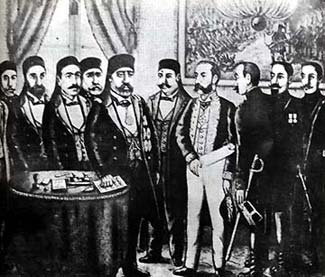
The signing of the Treaty of Bardo between the Ottoman Empire and France recognizing French influence in Tunisia
Tunisia

Political
Global Trade
3 min read
Updated By: History Editorial Network (HEN)
Published:
In the late 19th century, Tunisia found itself at the crossroads of European power struggles. The Ottoman Empire, in decline, ceded control of Tunisia to France through the signing of the Treaty of Bardo. This treaty recognized French influence in Tunisia, marking the beginning of French colonial rule in the region.
The signing of the treaty had a profound impact on Tunisia's political and economic landscape. French influence brought about rapid modernization but also led to the exploitation of Tunisian resources and suppression of the local population. The treaty laid the foundation for decades of French colonization, transforming Tunisia into a crucial outpost for French interests in North Africa.
The Treaty of Bardo serves as a stark reminder of the imperialistic ambitions of European powers in the 19th century and the lasting consequences of foreign intervention in the region. It also highlights the complexities of Tunisia's colonial history and its struggle for independence.
#TreatyOfBardo #FrenchColonialism #TunisianHistory #ForeignIntervention
Primary Reference
Tunisia - Countries - Office of the Historian

Explore the Life Moments of
 AI Twin