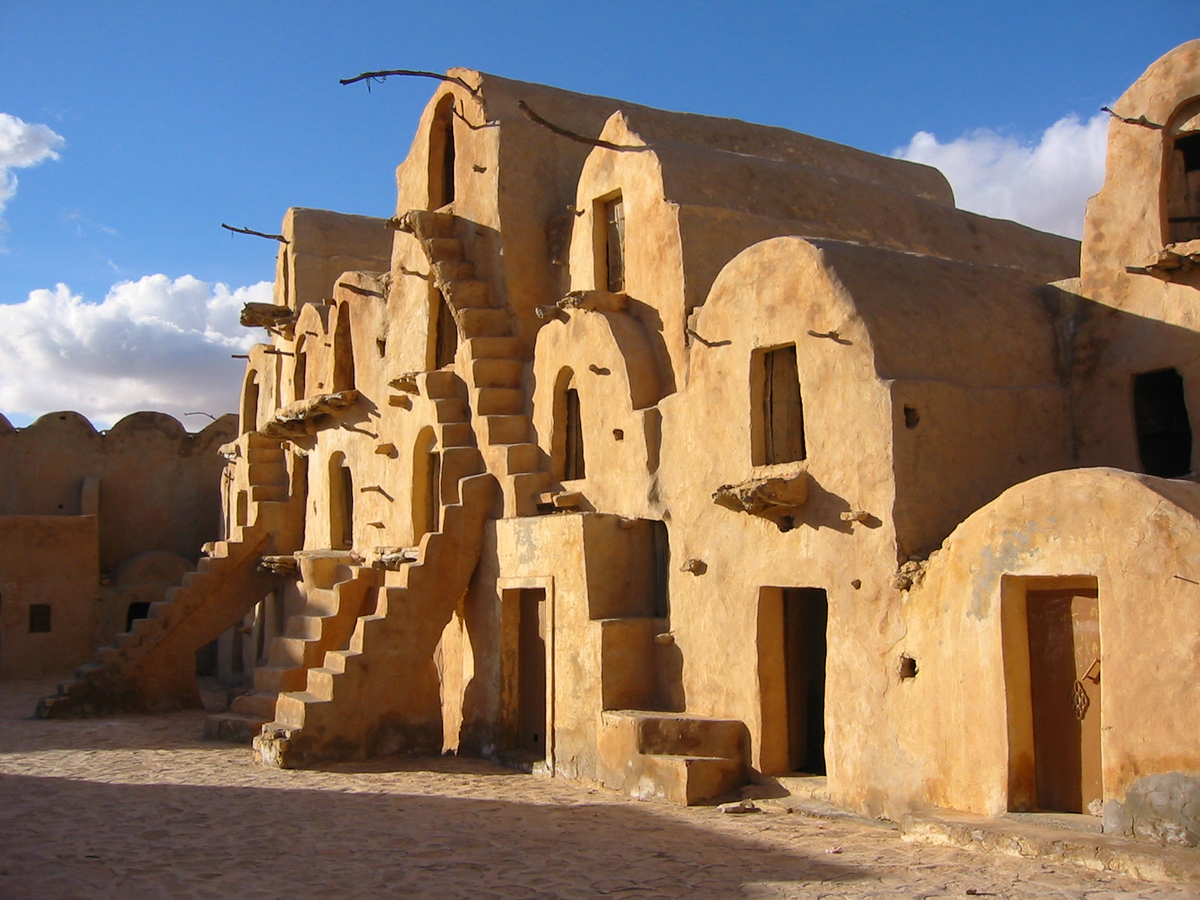
Historical significance and architectural features of Ksar Ouled Soltane in Tunisia's history.
Tunisia
Cultural Heritage
3 min read
Updated By: History Editorial Network (HEN)
Published:
In 1699, the construction of Ksar Ouled Soltane commenced as a response to the threat of nomadic attacks in Tunisia. The fortified granary was designed to protect the local community's valuable grain supply. Its strategic location and layered architecture provided defense against invading forces.
The Ksar consisted of multiple levels of vaulted granaries arranged around a central courtyard, creating a complex and secure storage system. The design not only safeguarded the grain but also served as a symbol of wealth and prosperity for the residents of the region.
The impact of Ksar Ouled Soltane was profound, offering protection and stability to the local population. It became a crucial hub for trade and agriculture, boosting economic growth in the area. The architectural significance of the building also attracted visitors, historians, and architects intrigued by its unique construction.
Today, Ksar Ouled Soltane stands as a UNESCO World Heritage Site, representing the rich history and cultural heritage of Tunisia. Its enduring legacy continues to inspire admiration for the ingenuity of its builders and the resilience of the community it served.
#KsarOuledSoltane #Tunisia #FortifiedGranary #CulturalHeritage #UNESCOWorldHeritageSite.
Primary Reference
Ksar Ouled Soltane: Debunking the Myth | Galaxy Tours

Explore the Life Moments of
 AI Twin