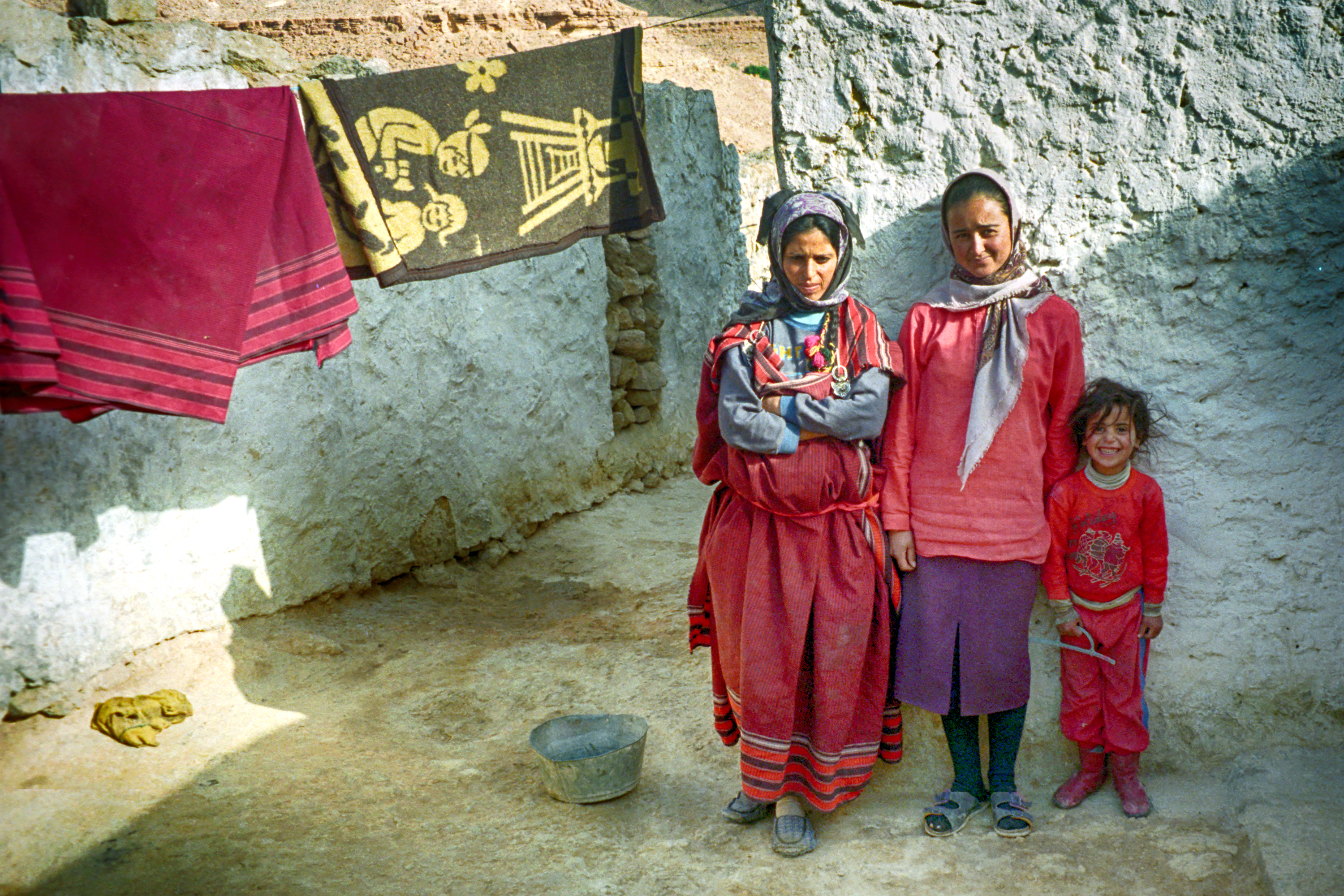
Tunisia's inaugural family planning initiative aimed at population growth control and reproductive health advancement.
Tunisia
Political
Social
3 min read
Updated By: History Editorial Network (HEN)
Published:
Tunisia adopted its first family planning program in 1956, making it one of the first countries in North Africa and the Middle East to implement such a program. This initiative aimed to address the country's growing population and improve maternal and child health by providing access to contraception and reproductive health services.
The adoption of the family planning program had a significant impact on Tunisia's demographic landscape. It led to a decline in the country's fertility rate, contributing to slower population growth and enabling better resource allocation for economic development and social welfare programs. The program also empowered women by giving them control over their reproductive choices, leading to improved health outcomes for mothers and children.
Overall, the adoption of Tunisia's first family planning program was a milestone in the country's public health policy, marking a shift towards prioritizing reproductive health and population control. It served as a model for other countries in the region looking to address similar demographic challenges.
#Tunisia #FamilyPlanning #ReproductiveHealth #PopulationControl #PublicHealth
Primary Reference
Reproductive Health Policy in Tunisia: Women's Right to ...

Explore the Life Moments of
 AI Twin