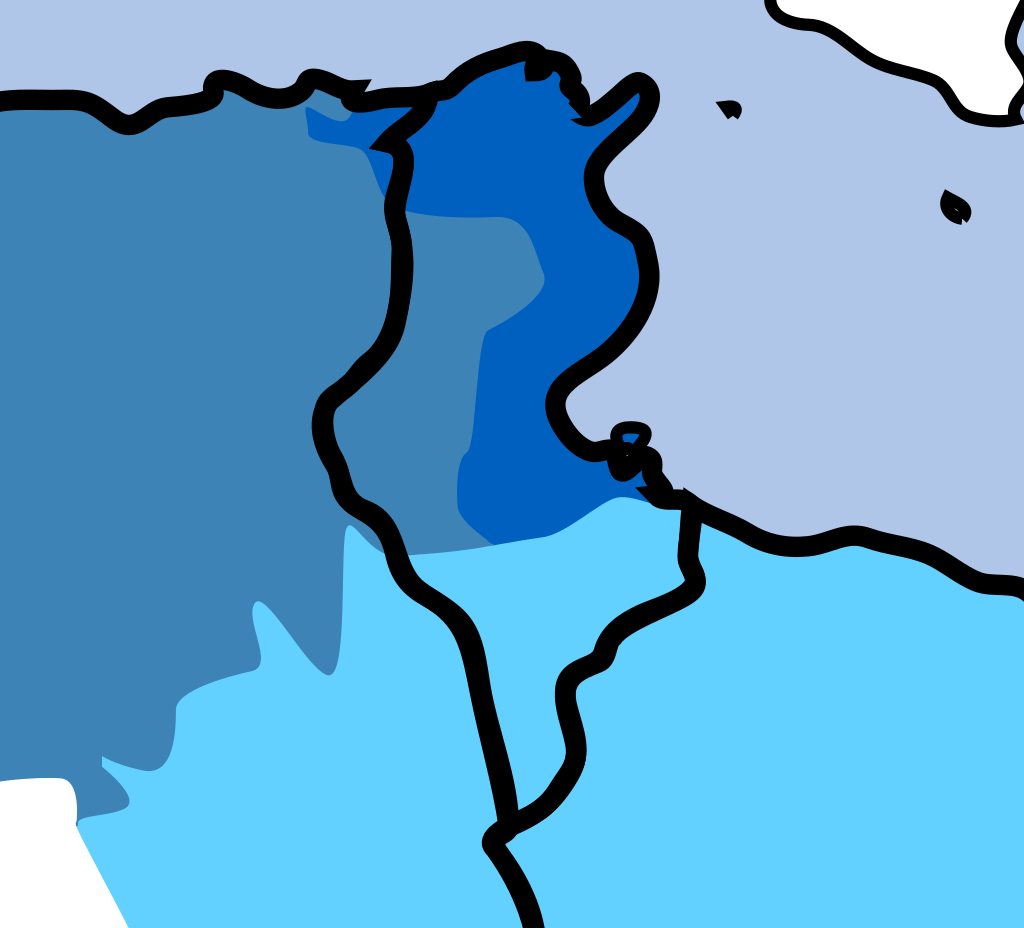
Beginning of language policy shift in Tunisia towards Arabic from French in education and media.
Tunisia
Cultural Identity
Language Revival
3 min read
Updated By: History Editorial Network (HEN)
Published:
Following Tunisia's independence, the policy of Arabization was implemented to promote the Arabic language and culture in the country. This shift aimed to strengthen Tunisia's Arab identity, moving away from French colonial influence. Arabization impacted various sectors, including education, administration, and media, where Arabic became the primary language of instruction and communication. The policy involved translating French books and documents into Arabic, as well as promoting Arab traditions and values.
The Arabization policy faced challenges due to the existing bilingualism in Tunisia, with French being widely spoken and used in institutions. However, efforts were made to gradually transition towards Arabic as the dominant language. This transition sparked debates around the preservation of Tunisia's cultural heritage and the need to embrace its Arab roots.
Overall, the start of the Arabization policy in Tunisia marked a significant step towards reclaiming national identity and fostering pride in Arab heritage. It laid the foundation for linguistic and cultural revival, paving the way for a more unified and culturally coherent society. #Tunisia #Arabization #CulturalIdentity #LanguageRevival
Primary Reference
Arabization in Tunisia: The Tug of War

Explore the Life Moments of
 AI Twin