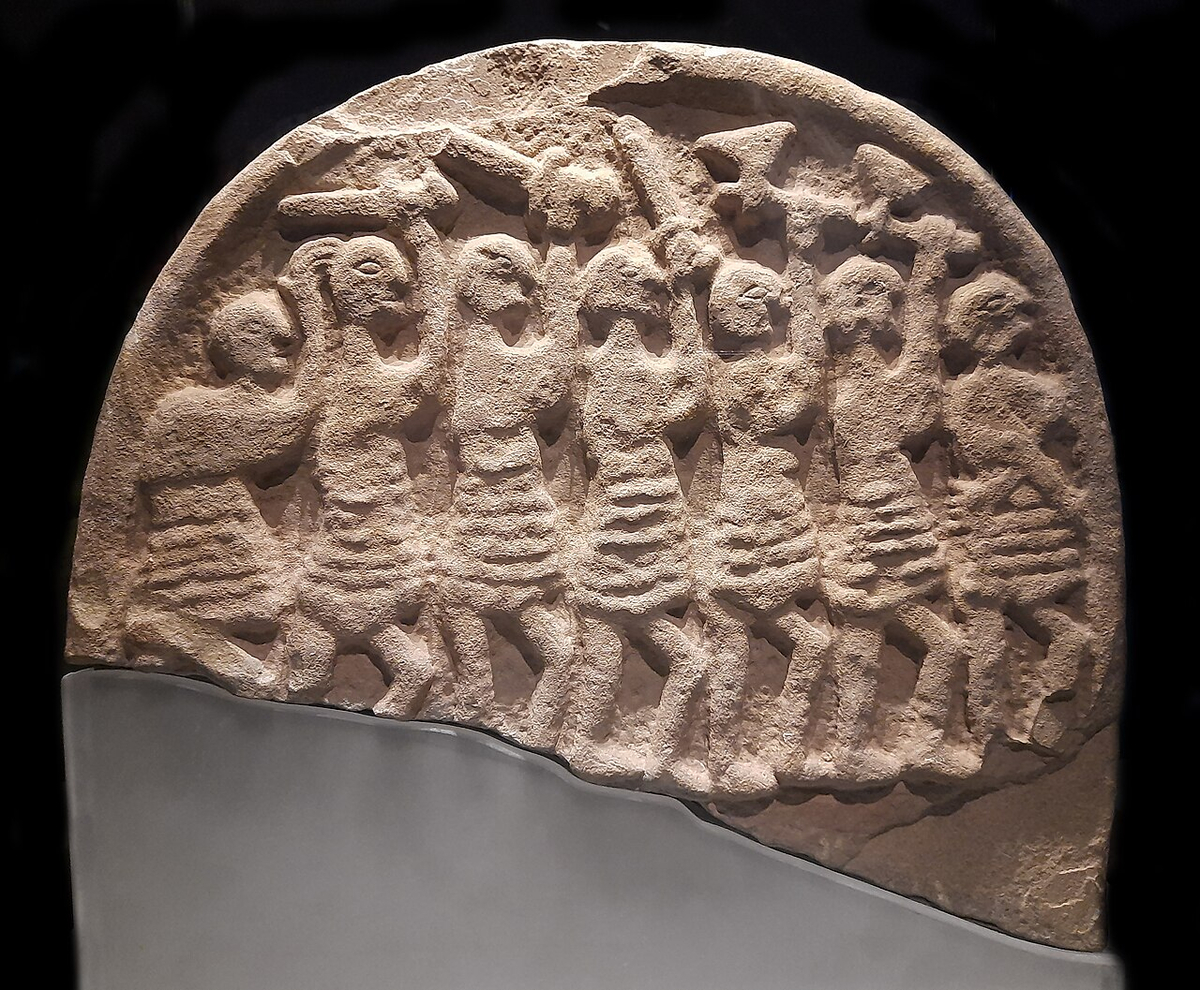
Vikings' attack on Lindisfarne Monastery.
Sweden

Viking
9 min read
Updated By: History Editorial Network (HEN)
Published:
Updated:
In 793, Vikings launched a sudden attack on the monastery at Lindisfarne, a significant event marking the start of Viking raids in history. Lindisfarne, located on the northeast coast of England, was a center of Christian learning and culture. The monastery was known for its valuable treasures, making it a prime target for the Viking raiders from Sweden.
The Vikings descended upon the monastery, looting its riches and causing widespread destruction. The attack sent shockwaves throughout Europe, as it was the first recorded Viking raid on a Christian religious institution. The brutality of the raid, coupled with the loss of precious artifacts and manuscripts, had a lasting impact on the local community and the region as a whole.
The Raid and its Significance
The attack on Lindisfarne was brutal. The raiders, often described in contemporary accounts as "heathen men," looted the monastery, desecrated holy sites, and murdered many of the monks. Others were taken captive, likely to be sold as slaves. The Viking assault struck at the heart of the Northumbrian kingdom's spiritual identity, as Lindisfarne was revered as the place where Saint Aidan had established his mission in 635 CE, spreading Christianity to the region.
The D and E versions of the Anglo-Saxon Chronicle vividly describe the ominous signs preceding the raid: fierce storms, lightning, whirlwinds, and even fiery dragons seen flying in the sky. These celestial and atmospheric phenomena were interpreted as portents of divine displeasure or impending catastrophe. Shortly after, the monastery was devastated, with its treasures plundered and many of its sacred relics destroyed or stolen.
Why Lindisfarne Was Targeted
The choice of Lindisfarne was no accident. Monasteries in this period were often rich repositories of gold and silver artifacts, such as illuminated manuscripts, chalices, and reliquaries. These valuables made them attractive targets for raiders. Furthermore, monasteries were often isolated and poorly defended, offering little resistance to well-organized Viking bands.
Lindisfarne's attack was particularly shocking due to the monastery's stature as a center of learning, art, and faith. It housed the Lindisfarne Gospels, an exquisite illuminated manuscript created in the early 8th century, which fortunately survived the raid. The psychological impact of the raid was immense, shaking the Christian West to its core.
The Monks’ Response and the Journey of Saint Cuthbert's Relics
In the wake of the raid, the monks of Lindisfarne faced ongoing threats from Viking incursions. This led to repeated evacuations of the monastery. One such evacuation saw the monks carrying with them the relics of Saint Cuthbert, Lindisfarne’s most revered saint. Saint Cuthbert, who had died in 687 CE, was a figure of immense veneration, and his remains were believed to possess miraculous powers.
During the upheaval, the monks transported Cuthbert’s body to Chester-le-Street, a small village near Durham, where they temporarily resettled. This migration symbolized both the resilience of the monastic community and the determination to preserve their sacred traditions amidst turmoil. Saint Cuthbert’s relics eventually found a permanent resting place in Durham Cathedral, a site that became a major pilgrimage destination.
Cultural and Historical Impact
The raid on Lindisfarne is often regarded as the beginning of the Viking Age, a period characterized by Norse expansion, raiding, and trading across Europe and beyond. The attack not only heralded an era of Viking raids on the British Isles but also left a profound mark on the medieval imagination. The vulnerability of sacred sites became a recurring theme, and monasteries across Europe began fortifying their defenses in response.
The event also underscored the tension between the Christian and pagan worlds of the time. The desecration of a prominent Christian holy site by "heathen" Vikings was interpreted as a direct challenge to the Christian order and a test of divine will.
#Vikings #Lindisfarne #Monastery #Raid #Sweden #History #Invasion
Primary Reference
Lindisfarne raid

Explore the Life Moments of
 AI Twin