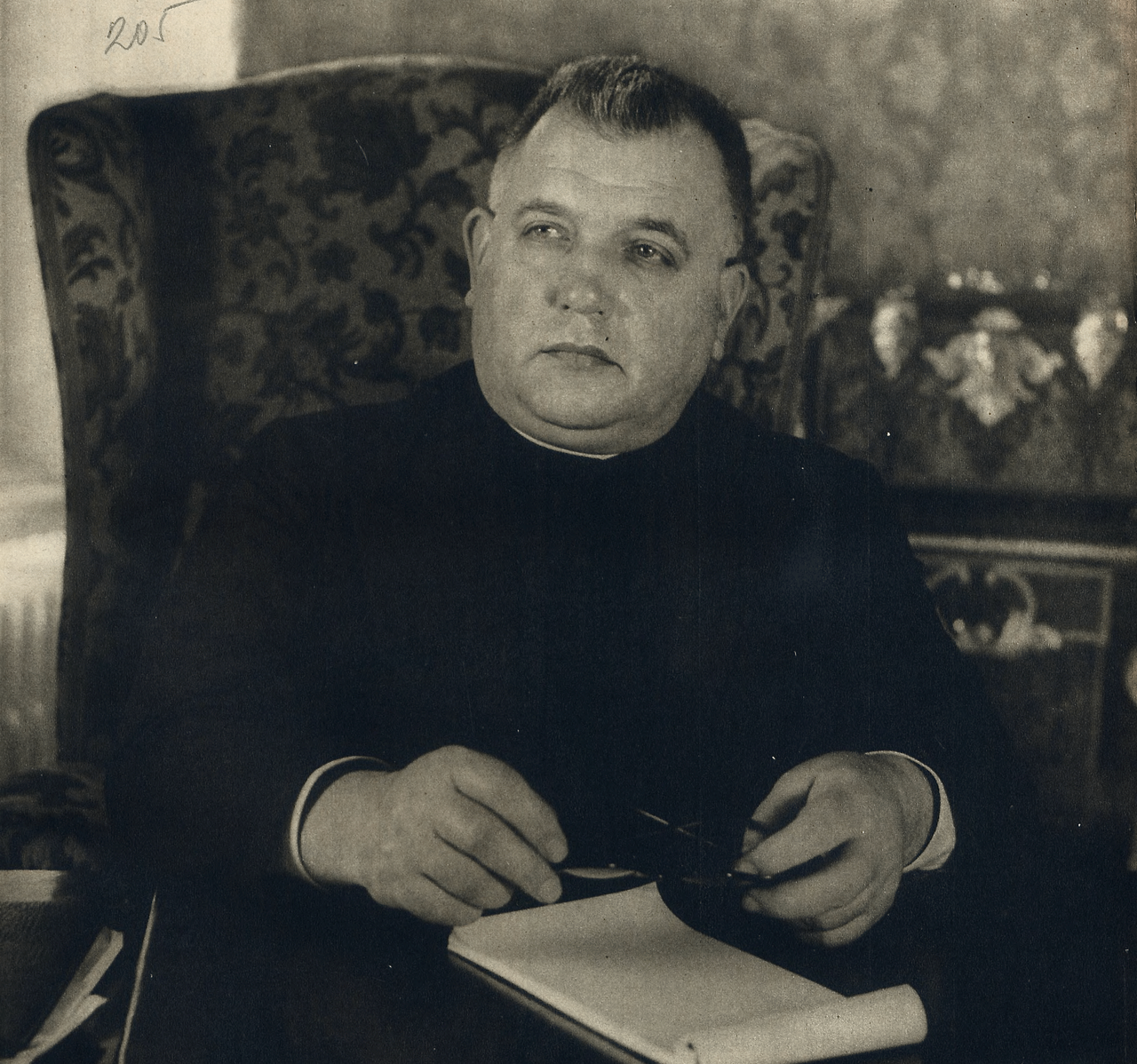
Formation of the Slovak Republic after Czechoslovakia's dissolution.
Slovakia

Political
6 min read
Updated By: History Editorial Network (HEN)
Published:
The moment marked by the establishment of the Slovak Republic coincided with the dissolution of Czechoslovakia. This shift in national identity was prompted by escalating geopolitical tensions and internal pressures. The dissolution began when Czechoslovakia, formed after World War I, faced increasing nationalist sentiments within its borders. Slovakia sought greater autonomy, and the central government in Prague struggled to manage the diverging aspirations of its Czech and Slovak citizens.
The establishment of the Slovak Republic was not an isolated event but part of broader changes in Europe marked by the rise of fascist movements and aggressive expansionism. The Slovak Republic was declared by political leaders led by Jozef Tiso. Tiso's administration aligned itself with powerful factions in Europe, seeking to secure the nation's position amidst growing instability in the region.
The aftermath of this development had both immediate and lasting repercussions. Slovakia's separation from the Czech lands altered the political landscape of Central Europe, shifting alliances and power dynamics. Economically, the new Slovak Republic faced challenges due to its relatively agrarian base compared to the more industrialized Czech regions. This disparity highlighted the difficulties in managing an independent state without the industrial and economic backbone provided by its former union with Czech lands.
From a socio-political perspective, the move underscored the complexities of national identity and governance in a multi-ethnic state. The dissolution of Czechoslovakia further polarized European powers, influencing policies and strategies leading into global conflict. For Slovakia, the new era meant navigating through alliances and conflicts that would test its sovereignty and resilience.
Statistically, the new state had a population comprising mostly Slovaks, with minorities of Hungarians, Germans, and other ethnic groups. The realignment led to administrative reorganization and economic adjustments to sustain the nation independently.
The importance of this event is multifaceted, influencing national policies, regional alliances, and the broader context of European political transformations. The repercussions of the establishment and the cessation of Czechoslovakia’s unity continued to echo through the subsequent decades, reflecting the persistent challenges of nation-state formation in a complex and divided continent.
#Establishment #SlovakRepublic #Dissolution #Czechoslovakia #EuropeanHistory #NationalIdentity #MoofLife
Explore the Life Moments of
 AI Twin