End of Communist Rule in Czechoslovakia
Slovakia

Political
Global Trade
6 min read
Updated By: History Editorial Network (HEN)
Published:
Czechoslovakia experienced a transformative phase during the Velvet Revolution, which led to the end of communist rule. The backdrop of this movement was built over years of discontentment among the populace with the authoritarian communist regime. Citizens were frustrated by the lack of political freedom, economic stagnation, and repression by the government. The inspiration to challenge the existing political order was partly fueled by reformist movements in neighboring countries and the broader wave of democratization sweeping across Eastern Europe.
The catalyst for the Velvet Revolution was a student demonstration in Prague. This peaceful protest demanded political reform and greater freedoms. Authorities responded with violence, which backfired, igniting widespread outrage among the public. Large-scale demonstrations ensued, quickly gaining momentum and participation from multiple sectors of society, including intellectuals, artists, and workers.
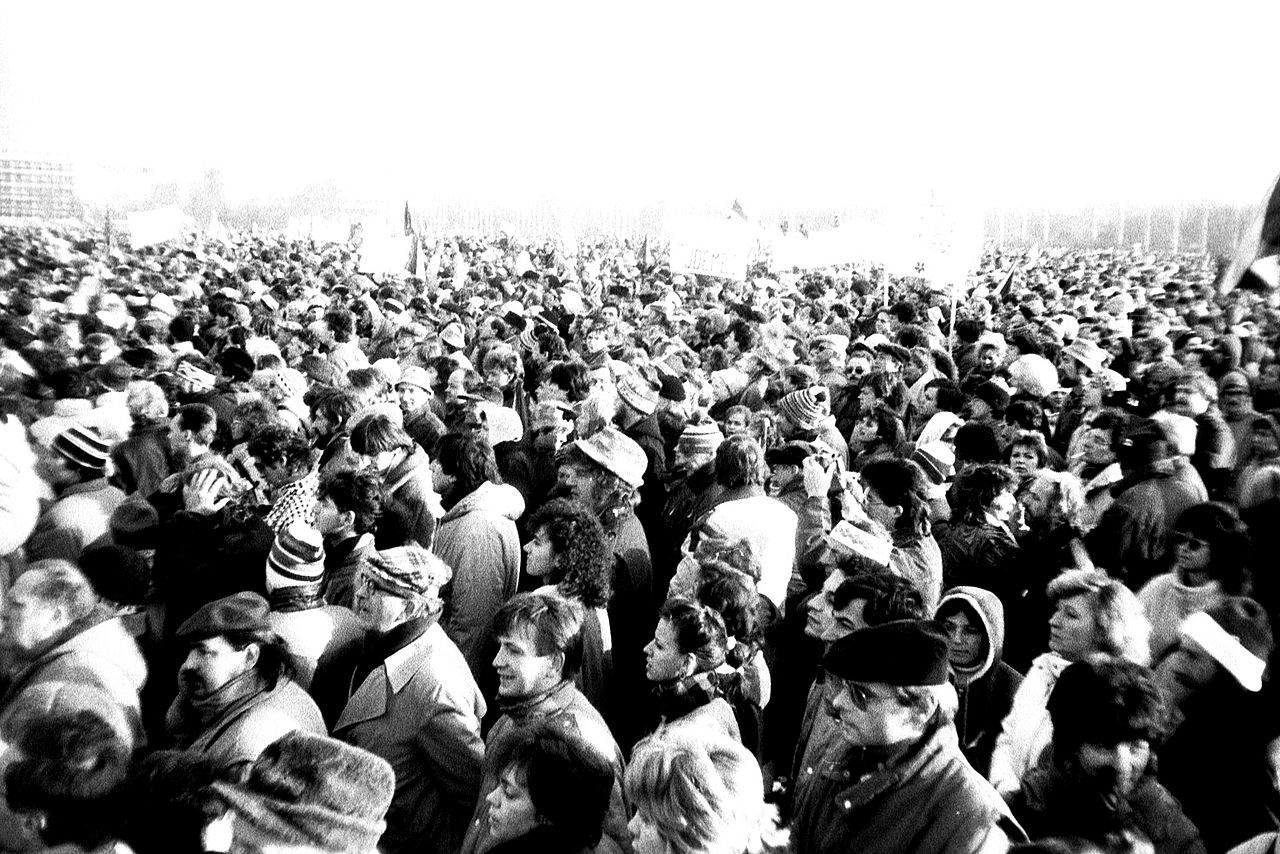
Key figures emerged during this period, with Václav Havel, a playwright and dissident, becoming a leading voice. The Civic Forum, an opposition coalition, played a critical role in organizing the protests and articulating the demands of the people. Large gatherings in public squares became the norm, symbolizing unity and the collective voice of the citizenry. Strikes and general protests paralyzed crucial aspects of the state and demonstrated the widespread desire for change.
The Communist Party, already weakened by the collapsing regimes in Eastern Europe, capitulated under mounting pressure. Discussions between the opposition and the ruling government commenced, leading to a peaceful transition of power. Within weeks, the hard-line communist leadership resigned, paving the way for a provisional government.
In the immediate aftermath, free elections were organized, allowing the citizens to elect their representatives for the first time in decades. Václav Havel was appointed President, symbolizing the dawn of a new democratic era. The non-violent nature of the Velvet Revolution was significant and underscored the effectiveness of collective peaceful resistance.
Economically, the country transitioned towards a market economy, initiating a series of reforms that aimed to integrate it into the global economic system. Politically, the shift led to the establishment of democratic institutions and the rule of law.
The Velvet Revolution stands as a pivotal example of peaceful change and the power of civic engagement. It transformed the political landscape of Czechoslovakia and significantly influenced democratic movements worldwide.
#VelvetRevolution #CzechSlovakia #EndOfCommunism #Democracy #PeacefulProtest #PoliticalChange #MoofLife

Explore the Life Moments of
 AI Twin