
Slovakia

Heart of Europe
Related Lives

Austria
The Land of Music and Mountains

Cook Islands
Polynesian Paradise in the Pacific

Kuwait
Land of Tradition and Progress

Canada
The Great White North
Angola
Land of contrasts, from bustling cities to breathtaking landscapes.

Italy
The Land of Art and Romance

Central African Republic
The Heart of Africa.

Burkina Faso
The Heart of West Africa

1312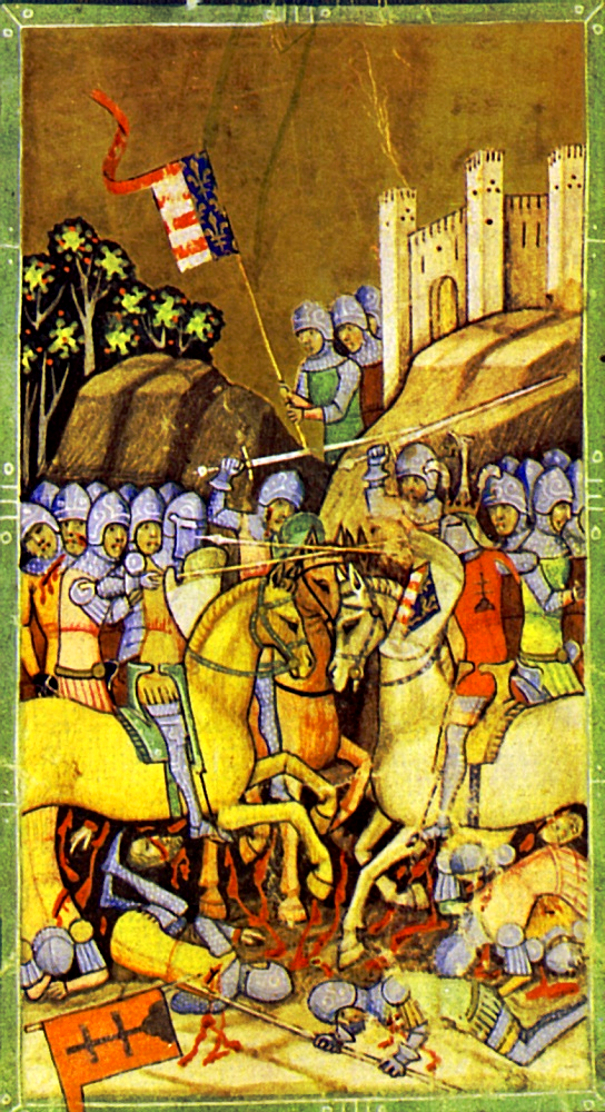
The Battle of Rozgony, also known as the Battle of Rozhanovce, was a fierce confrontation between the forces of King Charles I of Hungary and a coalition of Hungarian noble families, primarily the Aba family. The conflict arose due to the continued resistance of certain noble factions against King Charles' efforts to consolidate royal power and authority across the Kingdom of Hungary.
Located near the village of Rozgony, which is in contemporary Slovakia, the battle saw the Aba family join forces with Máté Csák, a powerful oligarch who contested the king's centralizing policies. This conflict exemplified the broader struggle for control within the kingdom, with regional lords vying to maintain their local autonomy against an increasingly assertive monarchy.
King Charles' army was composed of loyal Hungarian forces, bolstered by mercenaries and knights from his Italian allies, demonstrating the interwoven nature of European politics at the time. The royal forces faced a well-equipped and determined coalition army, leading to intense combat that resulted in significant casualties on both sides.
The clash was marked by initial successes for the coalition, but the tide turned when King Charles personally joined the battle with his reserve forces. His leadership played a crucial role in breaking the coalition's lines and securing a decisive victory for the royal army.
The outcome of the Battle of Rozgony had far-reaching consequences for the Kingdom of Hungary. It marked a turning point in the consolidation of King Charles' rule, effectively subduing major opposition from the noble factions. As a result, the monarchy was able to enforce its authority more uniformly across the kingdom, facilitating subsequent administrative, legal, and military reforms.
Furthermore, the victory strengthened Hungary's regional influence, enabling King Charles to pursue more ambitious foreign policies and solidify alliances. The battle underscored the monarch's capacity to quell dissent and maintain control, setting a precedent for the relationship between the crown and the nobility. The aftermath of this confrontation contributed to the eventual stabilization and centralization of the Hungarian state.
#BattleOfRozgony #HungarianHistory #NobleConflict #MonarchicalAuthority #PowerStruggle #MedievalWarfare #MoofLife
View details1308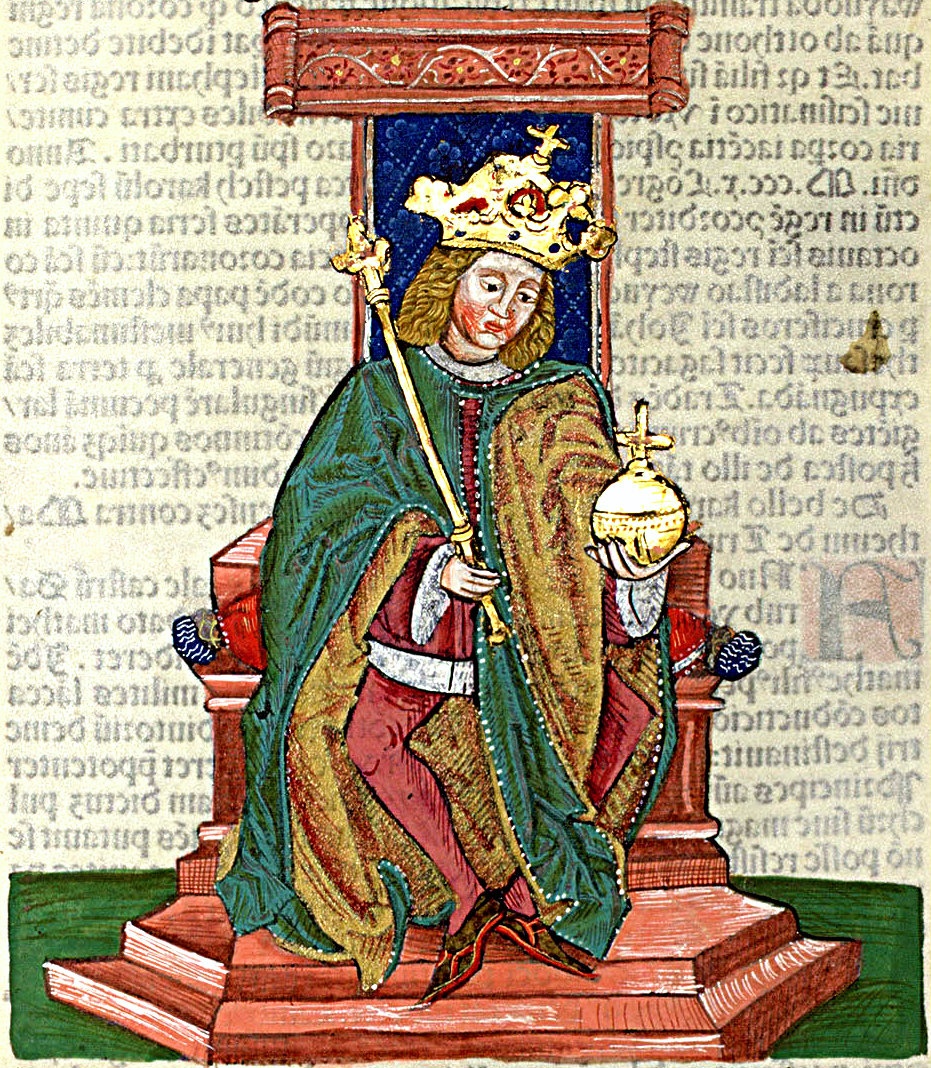
Charles I of Hungary was crowned as Hungary's monarch in Bratislava, historically known as Pressburg. Prior to his coronation, the kingdom had been fragmented, suffering from political instability and internal conflicts. Hungary’s throne was contested by several claimants after the extinction of the Árpád dynasty. Charles, of the French Anjou dynasty, was initially brought in to strengthen royal authority and reestablish unity.
The coronation ceremony took place in the presence of the ecclesiastical and noble elite. Held at St. Martin's Cathedral, the event was pivotal for consolidating Charles's legitimacy as ruler. With the endorsement of the Pope, who aimed to cement a European alliance against external threats, Charles received both religious and temporal validation. Importantly, the coronation signified the start of efforts to centralize governance and streamline administration under royal oversight.
Charles’s reign marked a period of economic revitalization. He introduced reforms to stimulate agriculture, trade, and monetary policies. Under his rule, mining towns in regions such as Slovakia experienced growth due to structured exploitation of silver and gold deposits. Additionally, he fortified the kingdom's defense system against external aggressors, establishing a more formidable military presence.
Strategically, Charles sought to build alliances through strategic marriages and treaties, bolstering Hungary's position within the European political landscape. His rule set the stage for Hungary’s subsequent economic and military developments, fostering relative stability and development.
Bratislava, or Pressburg, gained prominence as a site of political importance due to this event. This accentuated the interplay between religious influence and political power in the medieval period, highlighting Bratislava’s role in regional history.
Charles I's coronation left an enduring impact on the territorial and administrative structuring of Hungary. It underscored the significance of ecclesiastical backing for monarchy and the intricate balance of power within medieval European geopolitics.
#MoofLife #Hungary #History #Bratislava #CharlesI #Monarchy #Coronation #Pressburg #MedievalEurope #Legacy #PoliticalStability
View details1243
The town of Košice, located in what is now Slovakia, witnessed a pivotal event in its history during the early 13th century. The establishment of Košice holds significance because it marked the formal recognition and foundation of the area as a town. Prior to this, Košice was merely a collection of isolated settlements without formal structures or governance. The confirmation of its status as a town was granted by King Béla IV of Hungary, an important figure in the region's history.
The town’s foundation included the granting of specific privileges, which were instrumental in shaping its growth and development. These privileges gave the townspeople the right to hold markets and fairs, collect taxes, own property, and establish self-governance under a town charter. Significantly, this moved Košice from an agrarian base towards becoming an influential trade and commerce center.
At the time, the region's geopolitical landscape was changing, and the establishment of urban centers like Košice played a crucial role in the development of the broader area. Strategically located on trade routes, Košice attracted merchants, craftsmen, and settlers, leading to its demographic expansion and economic prosperity. Additionally, these changes led to significant urban development, including the construction of fortified walls, churches, and public buildings that have continued to define the character of Košice up to present times.
The foundation of Košice also had longer-term impacts on the region's cultural and social dynamics. With the influx of different groups, including Germans and Hungarians, Košice developed a diverse cultural identity that added layers to its social fabric. Over the centuries, it became known for its distinct mix of influences, which is reflected in its architecture, traditions, and community life.
As a result, Košice emerged not just as a local center of trade but as a key urban hub with significant historical relevance. The economic and cultural contributions it made to the region influenced the future trajectory of Slovakia.
#FoundationOfKosice #TradeAndCommerce #UrbanDevelopment #MedievalHistory #SlovakHeritage #KošiceHistory #MoofLife
View details1224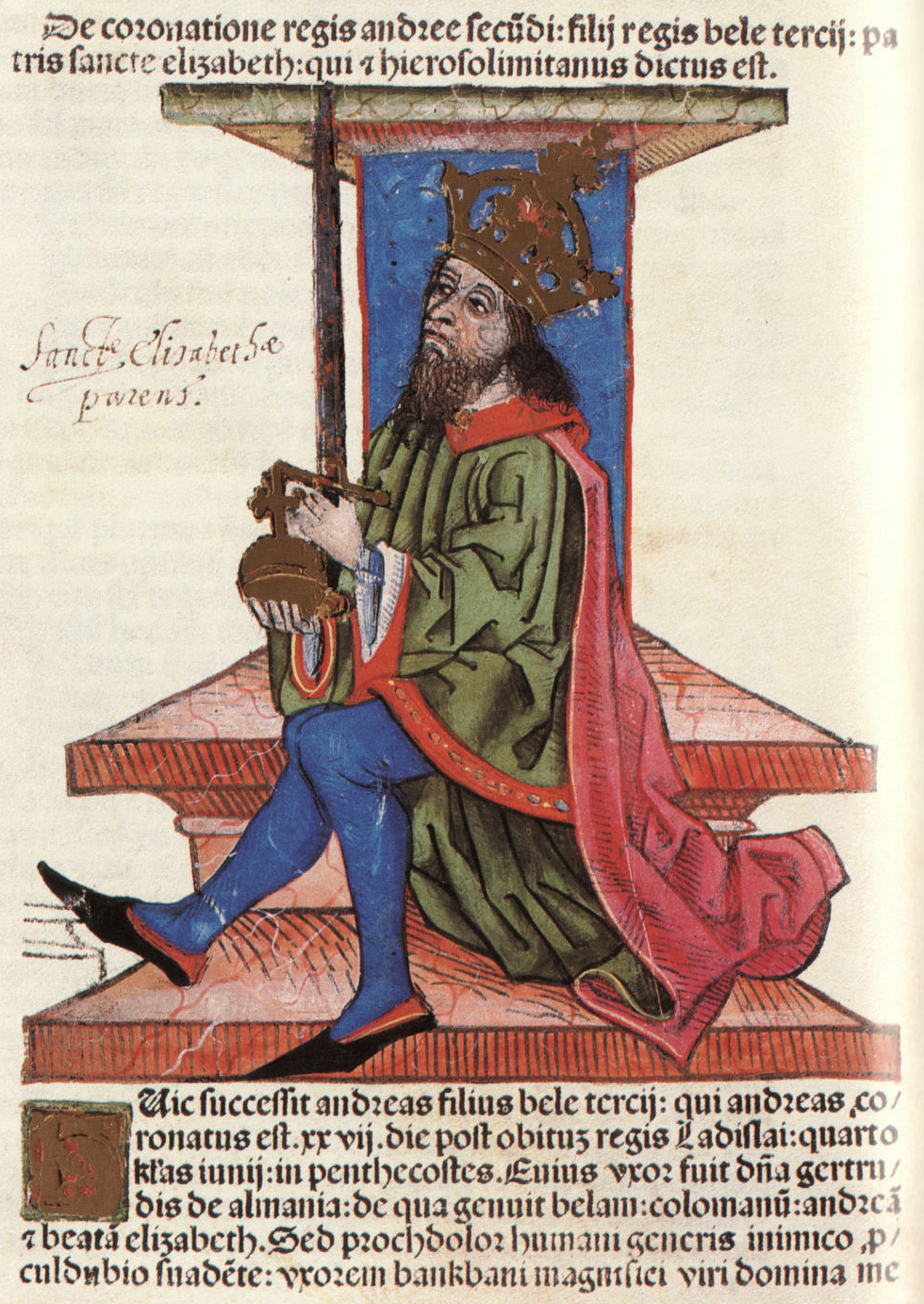
King Andrew II of Hungary issued the Diploma Andreanum, a document that granted privileges to both the nobility and the Church within the Kingdom of Hungary. This charter was particularly notable in its recognition of the rights and autonomy of the Saxons, who were among the primary beneficiaries.
The Diploma Andreanum emerged from a context where the Hungarian crown sought to consolidate its rule and stabilize the region's sociopolitical dynamics. By offering privileges to the Saxons such as self-administration, tax exemptions, and the right to freely elect their local leaders, the king aimed to secure their loyalty and encourage further settlement and economic development in the region.
The Saxons, who had migrated to Hungary, primarily to the region known today as Transylvania, were instrumental in the economic development due to their skills in agriculture, craftsmanship, and mining. Their contributions were critical for the flourishing of the kingdom’s economy. The privileges extended through the Diploma Andreanum helped to create a stable and prosperous community. This led to increased trade and the growth of market towns, which contributed significantly to the regional economy.
The Church also benefited from these privileges, gaining protections and rights that ensured its influence and operations could continue with greater autonomy from the crown. By securing the support of both the nobility and the Church, King Andrew II aimed to reinforce his rule and maintain internal stability.
The issuance of this diploma had significant long-term implications for the Kingdom of Hungary. It set a precedent for the legal autonomy of certain groups within the kingdom and highlighted the importance of balancing the interests of different social and economic groups to maintain stability and foster development.
#DiplomaAndreanum #HungarianHistory #MedievalPolicy #SaxonPrivileges #ChurchAutonomy #EconomicDevelopment #Transylvania #KingAndrewII #MoofLife
View details1173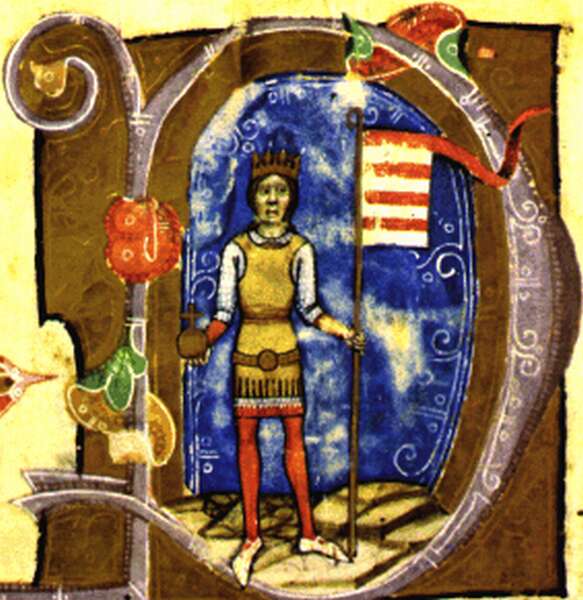
Béla III ascended to the throne of Hungary in Székesfehérvár, a city with significant historical importance. Previously having spent time in the Byzantine Empire, Béla brought with him influences that would later shape his reign and the country’s future. The coronation was a key political event attended by nobility, clergy, and foreign delegates, marking Hungary's position within the European medieval power structure.
Béla's accession followed a turbulent period marked by internal strife and challenges to the crown's authority. His coronation aimed to solidify royal control and assert legitimacy. Known for his administrative prowess, Béla III would later focus on state-building efforts, including the organization of the royal chancery and enhancement of royal revenues through systematic collection of taxes.
Importantly, Béla's reign impacted regional stability and relationships. He pursued a policy of diplomatic marriages and alliances, strengthening Hungary's ties with neighboring states including Byzantine and Holy Roman Empires. These efforts helped secure borders and foster political stability, contributing to economic prosperity.
Among his significant contributions were the commissioning of monastic establishments, contributing to cultural and intellectual growth. Béla was also notable for using Latin in official documents, a practice that promoted literacy and maintained records. This had a lasting impact on Hungary's administrative practices.
Béla's reign was marked by military campaigns essential in securing territories bent on asserting Hungary's influence in the Carpathian Basin. These efforts established jurisdictions that shaped future geopolitical configurations.
The coronation was more than a ceremonial event; it was a reaffirmation of dynastic continuity and provided a stabilizing force for the Hungarian state. Béla's rule saw the centralization of power and laid the foundation for medieval Hungary's golden age, impacting not only Hungary but also regions that are modern-day Slovakia, Romania, and beyond.
#MoofLife #HungarianHistory #BelaIII #MedievalEurope #PoliticalStability #DynasticRule #Székesfehérvár
View details1120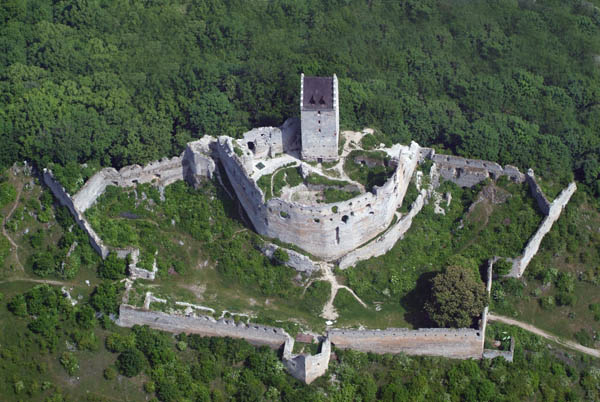
In the early 12th century, the construction of Spiš Castle was initiated, marking a pivotal moment in the history of what is now modern-day Slovakia. Situated on a strategic hilltop, the castle's construction aimed to fortify the Kingdom of Hungary's northern border. The initiative was spurred by the necessity for defense against potential invasions, as well as to establish a stronghold that could serve administrative purposes.
Spiš Castle, which sprawls over four hectares, quickly became one of the largest castles in Central Europe. Built predominantly of stone, its architecture was designed to endure sieges and incursions. The castle complex featured fortifications including a central keep, residential quarters, and defensive walls. Over subsequent centuries, expansions and enhancements contributed to its formidable structure, incorporating Romanesque and later Gothic elements.
The castle played a crucial role in regional governance, serving as the administrative center for the Spiš region. It exerted economic and political influence over the surrounding territories and facilitated control over vital trade routes passing through the area. The land surrounding the castle supported agricultural activities that sustained the local populace and garrison.
One of the most significant impacts of Spiš Castle was its role in strategic military defense. During numerous conflicts throughout the medieval period, including Mongol invasions, the castle provided a refuge and a martial base. Its prominent location made it a crucial defensive bastion for the Kingdom of Hungary, shaping the political landscape of the region.
In later years, Spiš Castle witnessed several periods of decline and restoration. Fires and battles led to partial destruction, but restoration efforts, especially in the 20th century, helped preserve its historical significance. Today, the castle stands as a monument and is a recognized UNESCO World Heritage site, drawing visitors and scholars interested in medieval history and architecture.
This event exemplifies the intersection of military strategy, architectural ingenuity, and regional governance in Central Europe's medieval history. It underscores the importance of strategic fortifications in shaping the region's history and development.
#MoofLife #SpišCastle #MedievalHistory #ArchitecturalHeritage #Slovakia #UNESCO #HistoricalMonuments
View details1077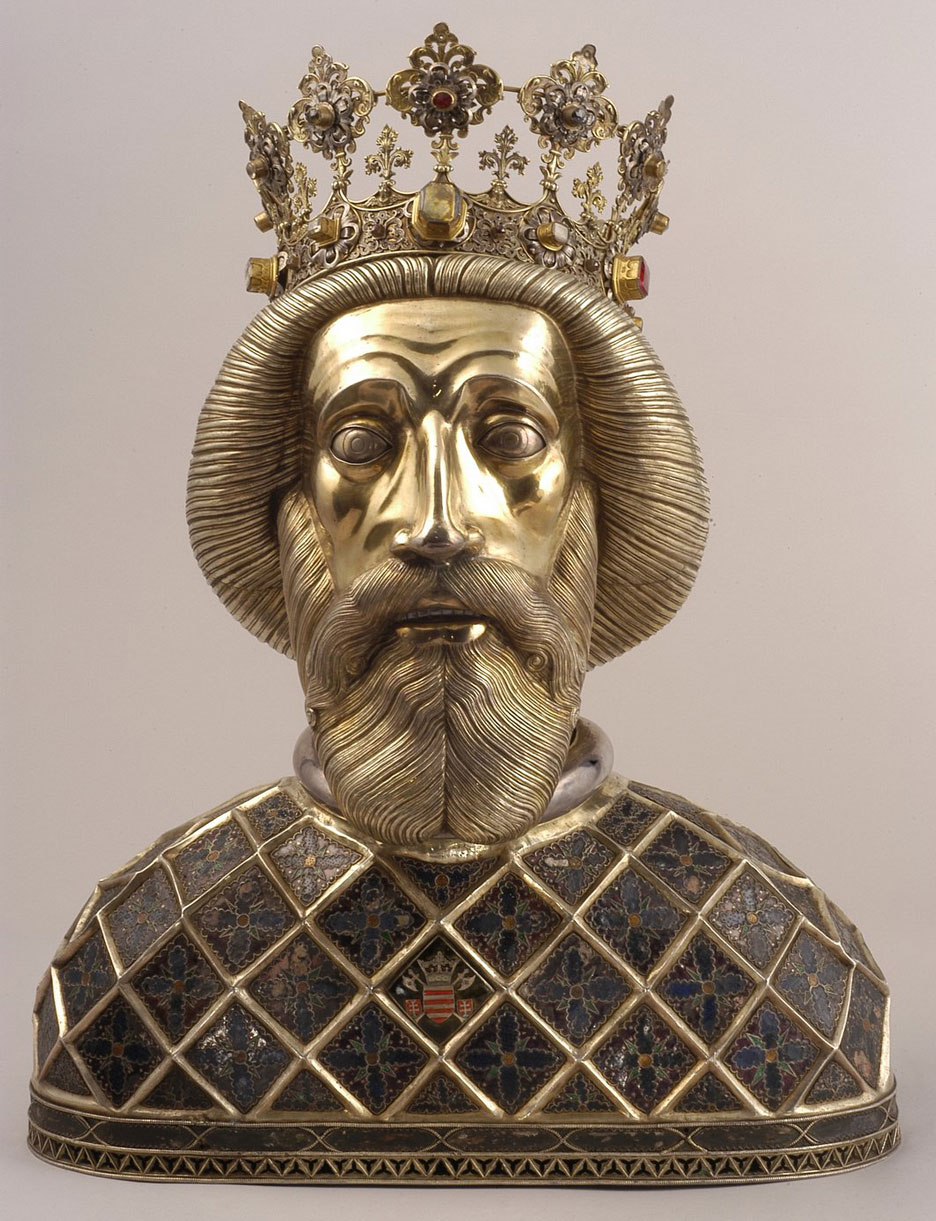
King Ladislaus I of Hungary was crowned in St. Martin's Cathedral in Bratislava. This event marked the strengthening of royal authority and influence in the region. Ladislaus, a member of the Árpád dynasty, ascended to the throne of Hungary following a period of intra-dynastic conflict. Bratislava, a significant center for political and ecclesiastical affairs, was chosen as the venue for the coronation to underscore the unity and consolidation of power in the kingdom.
The ceremony itself was conducted by ecclesiastical dignitaries in the Gothic cathedral, symbolizing the divine sanction of Ladislaus's rule. The coronation was attended by nobles, clergymen, and representatives from different regions of the kingdom, reflecting the multi-ethnic makeup of Hungary at the time. This event played a crucial role in stabilizing the region, as it reinforced the legitimacy of Ladislaus's reign during a period of potential fragmentation.
Ladislaus I went on to implement a series of reforms that had a lasting impact on the kingdom. His reign saw the expansion of Hungarian territory and increased integration of newly acquired regions. He is credited with fortifying the kingdom's borders and promoting the Christianization of his subjects, which was an ongoing process in medieval Hungary. His policies laid the groundwork for future administrative and military structures that would endure for centuries.
The coronation in St. Martin's Cathedral was not just a ceremonial event but a pivotal moment that solidified Ladislaus I's position as a ruler. This consolidation of power was instrumental in fostering a more unified and centralized state, which contributed to the kingdom's stability and growth in subsequent decades.
#Coronation #KingdomOfHungary #Bratislava #StMartinsCathedral #LadislausI #HistoricalEvent #Slovakia #MedievalHistory #Monarchy #MoofLife
View details1013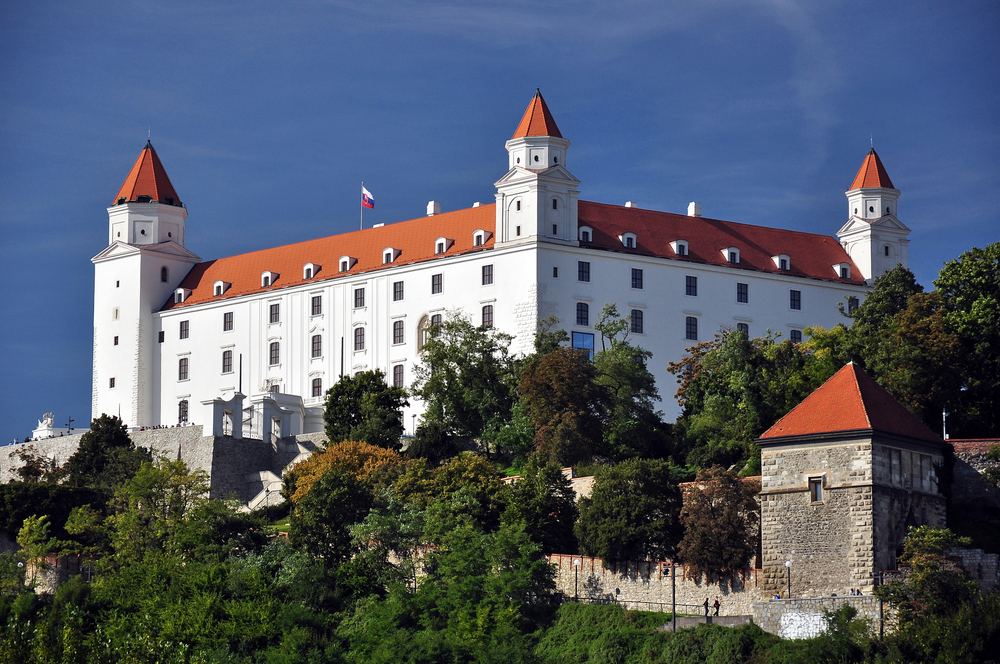
The construction of the Bratislava Castle on the site of an earlier fortress marks a pivotal episode in Slovak history. The original fortress, built by the Slavic tribes, served as a crucial defense point due to its strategic location on an elevated rocky hill overlooking the river Danube. This area was already central to trade and military routes, making it highly valuable.
The decision to erect Bratislava Castle on this site represented not only a military upgrade but also a significant step in the unification and administrative centralization of the region. The castle was intended to serve as a seat of local rulers, a military stronghold, and a hub for regional governance. Historical records indicate that materials such as local stone and timber were used extensively, reflective of the construction techniques of the time.
The impact of this construction went beyond military and political spheres. The castle became a symbol of stability and growing regional power. It facilitated gatherings for discussions and decision-making on matters affecting the region. Additionally, the structure served to safeguard the economic activities along the Danube, boosting local commerce and trade.
Subsequent centuries saw the castle undergoing numerous reconstructions and expansions, reflecting the evolving architectural styles and military requirements of the ages. Today, the Bratislava Castle stands as a historical landmark, offering a glimpse into the medieval past of Slovakia. Its presence underscores the importance of strategic planning and resource utilization in shaping the region's history.
#BratislavaCastle #HistoricalSlovakia #MedievalDefense #CulturalHeritage #MoofLife
View details1000
The establishment of the Kingdom of Hungary marked a pivotal transformation in Central Europe. Prior to its formation, the Carpathian Basin was a mosaic of territories inhabited by various tribes, including the Magyars. The leader of the Magyars managed to consolidate power among the tribes and began transitioning from a collection of tribal authorities to a unified state structure.
This transition was facilitated by the adoption of Christianity, which provided political legitimacy and fostered alliances with neighboring Christian states. The ruling elite sought recognition from the religious and political authorities in Western Europe. This culminated in the coronation of their ruler, symbolizing the newfound unity and international acceptance of the emerging kingdom.
As the Kingdom of Hungary expanded, it incorporated various regions, including parts of modern-day Slovakia. The inclusion of these areas into the kingdom brought about sweeping administrative and societal changes. The integration improved political stability and centralized governance, promoting the development of feudal systems and enhancing agricultural productivity.
Despite the initial resistance from local Slavic tribes, the Hungarian administration implemented policies that led to the cultural, economic, and infrastructural development of the territories. The construction of fortresses and churches not only fortified the region against external threats but also facilitated the spread of Christianity and European cultural norms.
This historical event laid the groundwork for the future political landscape of Central Europe. It influenced the social structure, territorial boundaries, and cultural integration. The regions that became part of the Kingdom of Hungary retained a distinct cultural identity while contributing to the kingdom’s complexity and diversity.
This phase crucially shaped the trajectory of both Hungary and Slovakia, as their historical paths became intertwined.
#FormationOfKingdom #Hungary #Slovakia #HistoricalImpact #CentralEurope #MoofLife
View details0907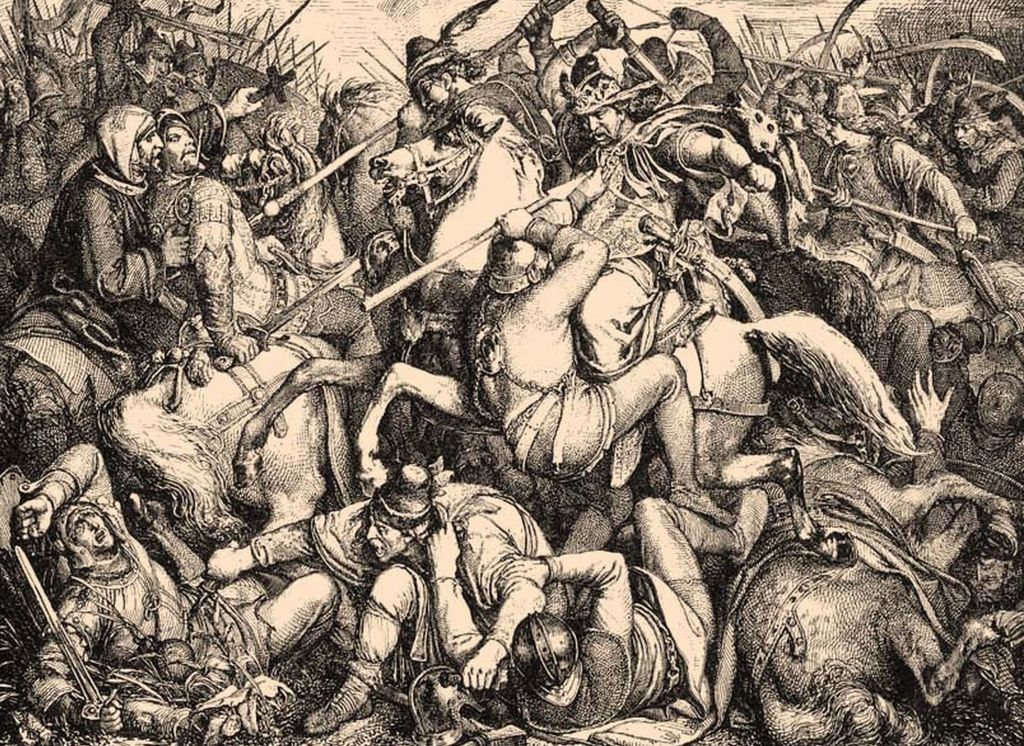
On the 4th of July, the confrontation known as the Battle of Pressburg unfolded between the forces of the East Frankish Empire and the Magyars. The background of this clash can be traced back to the migration period when the Magyars settled in the Carpathian Basin. The East Frankish Empire, seeking to stem Magyar incursions into territories they sought to control, assembled an army to confront the perceived growing threat.
Commanded by Luitpold, Margrave of Bavaria, the East Frankish forces were well-equipped and numerous. However, the Magyars, led by Árpád, demonstrated superior tactics and mobility, taking advantage of the terrain along the River Danube. Early in the battle, the East Frankish forces struggled against the swift and efficient Magyar cavalry. The Magyars, adept at archery and quick maneuvers, employed strategic feigned retreats, luring the East Francs into traps.
The ensuing conflict resulted in a devastating defeat for the East Frankish Empire, with significant casualties including high-ranking nobility. Estimates suggest that a large portion of the Frankish army perished, diminishing their military strength and influence in the region. This battle marked a pivotal shift, solidifying the Magyars' presence in Central Europe and signaling the decline of East Frankish influence over the contested territories.
In the aftermath, the geopolitical landscape in Central Europe was irrevocably altered. The East Frankish Empire's retreat allowed the Magyars to fortify their holdings, laying the foundation for what would develop into the Kingdom of Hungary. As a consequence, the Danubian basin became a central area for the Magyars, affecting the historical trajectory of the region that is present-day Slovakia.
#BattleOfPressburg #MagyarVictory #EastFrankishEmpire #MedievalWarfare #CentralEuropeHistory #MoofLife
View detailsGreat Moravia, a prominent Slavic state in Central Europe, faced a pivotal moment when it succumbed to external pressures from invading forces. Background events leading up to this moment involved escalating tensions and conflicts with neighboring powers, notably the Hungarians. Great Moravia had been a significant entity, emerging in the early medieval period as a powerful polity by uniting various Slavic tribes under its rule.
The state’s prominence was marked by notable achievements such as the Christianization of its people, largely attributed to the missionary work of Saints Cyril and Methodius. Their efforts laid the groundwork for the spread of literacy and the establishment of the Glagolitic script. Great Moravia's strategic location made it both a cultural and economic hub, facilitating trade routes and the exchange of ideas across Europe.
The decline of Great Moravia began as the internal cohesion of the state weakened. Power struggles, compounded by continuous raids from external forces, strained its resources and military capabilities. The decisive moment came when the Hungarians capitalized on these weaknesses, launching a series of invasions that overran the defenses of Great Moravia. The military confrontations were fierce, and the eventual defeat led to the disintegration of the state's political structure.
The fall had significant repercussions. The territories that once made up Great Moravia were absorbed into the expanding Hungarian realm, reshaping the political and cultural landscape of Central Europe. This transformation influenced the development of the region, particularly modern-day Slovakia, which was part of Great Moravia's heartland. The Hungarian dominance introduced new administrative systems and feudal structures, consolidating their influence over the former Moravian lands.
Archaeological findings and historical records provide insights into the societal changes during this period. Settlement patterns shifted, and there was a notable impact on the cultural continuity of the Slavic population. Despite the fall of Great Moravia, the legacy of its contributions to Slavic culture, especially through the work of Cyril and Methodius, continued to resonate in the Christian and linguistic traditions of the region.
#MoofLife #GreatMoravia #SlavicHistory #CulturalLegacy #HungarianInvasion #HistoricalTransition
View details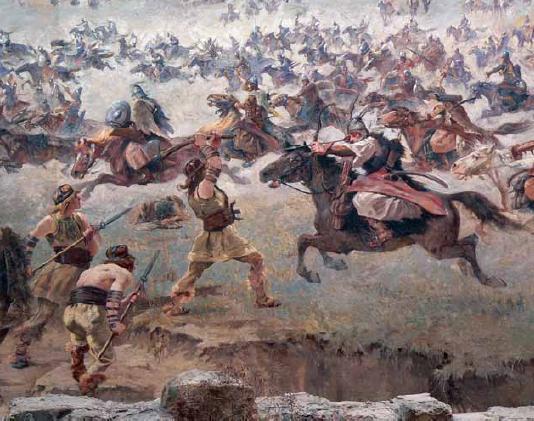
0871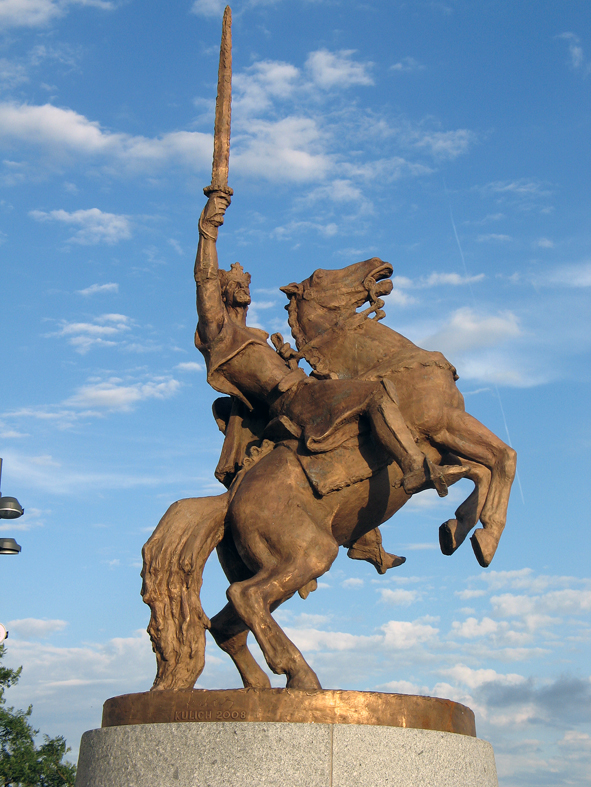
Prince Svätopluk I of Moravia's baptism marked a pivotal point in the Christianization of Central Europe. Hailing from the territory of Great Moravia, Svätopluk was initially resistant to adopting Christianity, as the region was rooted in pagan traditions. However, the geopolitical landscape necessitated a strategic alignment with the influential Christian states, including the Carolingian Empire.
The baptism event was not merely a personal spiritual transformation for Svätopluk but carried significant political and social ramifications. With the endorsement of the Byzantine mission led by Saints Cyril and Methodius, the ceremony symbolized the increasing acceptance of Christianity within the ruling elite of Great Moravia. This alliance also helped consolidate relationships with other Christian nations, enhancing trade and defensive alliances.
The conversion led to the establishment of ecclesiastical infrastructure, with churches and monasteries proliferating in the region. This institutional growth facilitated the spread of Latin literacy and Western culture. Notably, the ecclesiastical reforms helped standardize the Slavic liturgy, which contributed to the cultural coherence of Moravian territories and their neighbors, influencing areas that would become modern-day Slovakia.
Societal impacts included the promotion of Christian moral codes and laws, deeply affecting legal and social frameworks. Over time, the gradual spread of Christianity through monarchial endorsement laid the foundational ethos which would dominate the region's cultural identity for centuries.
The prince's baptism is often contextualized within broader European Christianization efforts. It's documented that post-baptism, Svätopluk engaged more robustly with other Christian rulers, leveraging his newfound faith to bolster political ties. The broader consequence was a more unified Christian front in Central Europe, countering pagan incursions and stabilizing regional power.
In conclusion, Prince Svätopluk I's baptism was instrumental in embedding Christianity into the cultural fabric of Great Moravia. It was a watershed event in deeming Christianity not only as a religion but as a vessel for political unity and cultural development in Central Europe.
#SpreadOfChristianity #GreatMoravia #CyrilandMethodius #CulturalTransformation #SlavicHistory #MoofLife
View details0863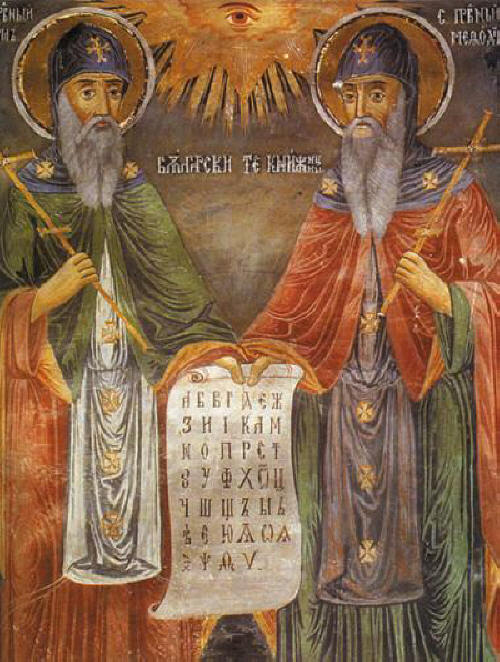
The arrival of Saints Cyril and Methodius to Great Moravia marked a pivotal event in the history of the region that includes present-day Slovakia. These two Byzantine brothers embarked on their mission with the primary goal of spreading Christianity and literacy among the Slavic peoples. Their journey was initiated at the request of the Moravian Prince Rastislav, who sought to strengthen the cultural and political foundations of his realm through the introduction of Christianity.
Saints Cyril and Methodius brought with them an invaluable tool—the Glagolitic alphabet, the oldest known Slavic script. This enabled them to translate liturgical texts into the Slavic language, making religious services and the teachings of Christianity more accessible to the local population. Their efforts in promoting the native language laid the groundwork for the development of what would later evolve into the Cyrillic script, one of the most significant contributions to Slavic culture and literacy.
Their mission extended beyond mere religious conversion. By promoting the use of the vernacular in church services, Cyril and Methodius fostered a sense of cultural identity and unity among the Slavs. This initiative provided a counterbalance to the influence of the Germanic Frankish clergy, who predominantly used Latin. The establishment of a Slavic liturgy was a transformative step in ensuring that the local population could fully engage with and understand Christian practices and teachings.
The brothers also played a diplomatic role, securing the approval of Pope Adrian II, who subsequently endorsed the use of the Slavic language in liturgical practices. This papal approval was crucial, as it provided legitimacy to their mission and shielded them from opposition by the Frankish clergy.
The influence of Saints Cyril and Methodius extended beyond their immediate mission. They trained a group of disciples who continued their work, spreading Christianity and literacy throughout other Slavic regions. Over time, their contributions had long-lasting effects on the social, cultural, and religious landscape of Central and Eastern Europe.
In terms of statistics, the proliferation of literacy and Christian teachings contributed to a more unified and cohesive society, which eventually influenced the formation of national identities. Their legacy is celebrated through various cultural and religious commemorations in Slovakia and other Slavic countries.
#CyrilAndMethodius #Christianity #CulturalIdentity #SlavicUnity #Alphabets #MoofLife
View details0833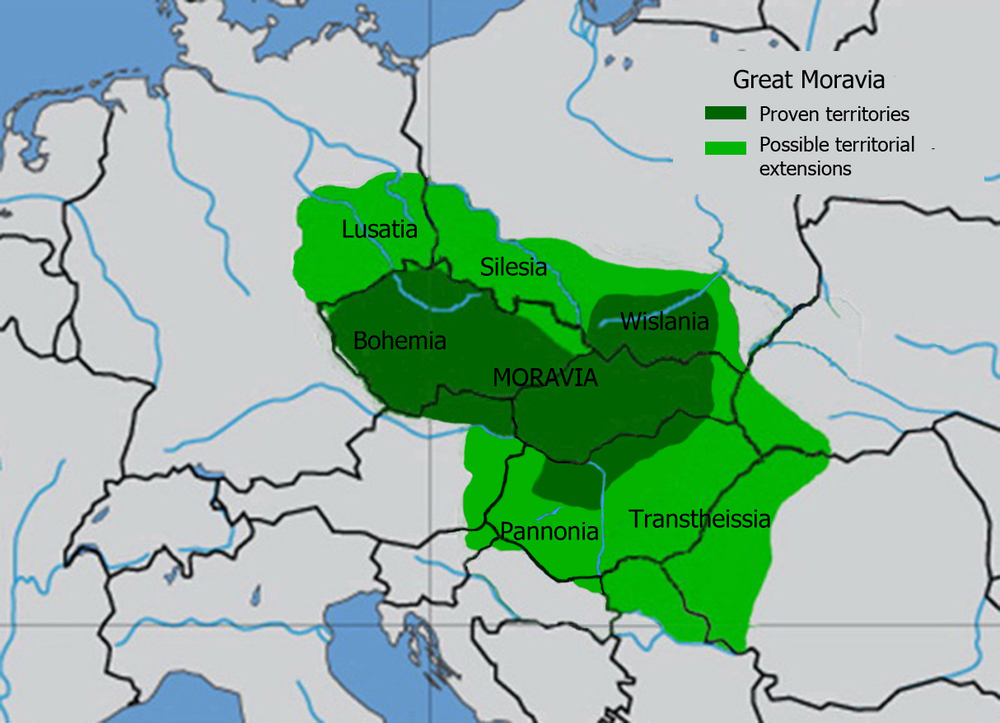
The Great Moravian Empire, encompassing vast territories including present-day Slovakia, emerged as a prominent and influential state in Central Europe. This development followed the unification of Slavic tribes under the leadership of Mojmír I, leading to rapid growth and consolidation of power. The empire’s strategic position facilitated control over crucial trade routes connecting the Baltic Sea to the Adriatic, enhancing both economic prosperity and political influence in the region.
A notable aspect of Great Moravia's rise was its adoption of Christianity, which helped in fostering stronger relations with neighboring states and greater cultural development. The introduction of Christianity was led by the Byzantine missionaries, Saints Cyril and Methodius, who were invited by Prince Rastislav. Their efforts not only spread the Christian faith but also contributed to the cultural evolution of the Slavic people by creating the Glagolitic script, the precursor to the Cyrillic alphabet.
Great Moravia became a significant center for art, culture, and learning. Its architectural advancements included the construction of fortified settlements and churches, reflecting the empire’s growing sophistication and influence. Additionally, administrative reforms and the codification of local laws under rulers such as Svatopluk I helped in establishing a stronger and more cohesive governance structure.
However, the Great Moravian Empire’s expansion and power also drew the attention of larger neighboring empires. Conflicts with the East Francia and later the Magyars led to periodic struggles for dominance. Despite this, the legacy of Great Moravia had a long-lasting impact on the Slavic people of Central Europe.
Archaeological evidence and historical texts reveal the significant role of Great Moravia in shaping the medieval landscape of Central Europe. Its cultural contributions, most notably the spread of the Slavic liturgy and the development of written language, had enduring effects on the region’s identity.
#GreatMoravia #SlavicHistory #MedievalEurope #CulturalLegacy #Christianity #TradeRoutes #MoofLife
View details