The Treaty of Utrecht and its Impact on the Region
Slovakia

Impact
European
5 min read
Updated By: History Editorial Network (HEN)
Published:
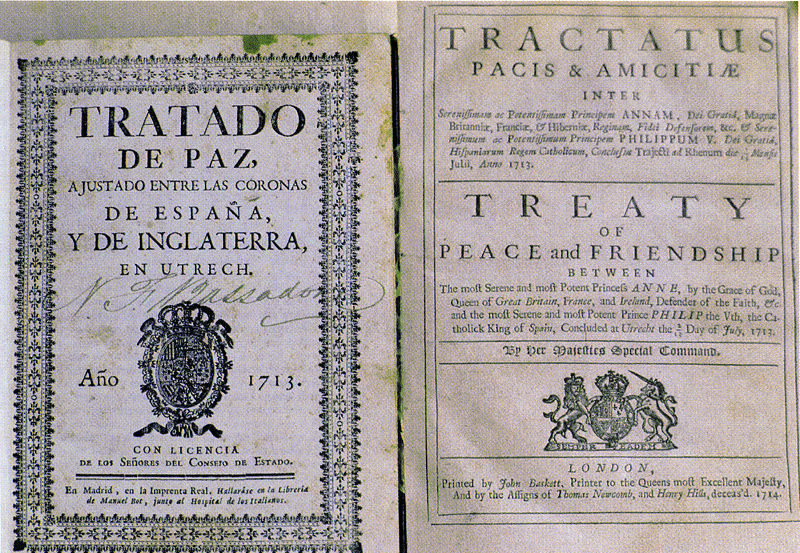
The War of Spanish Succession concluded with the signing of the Treaty of Utrecht, significantly influencing the territorial and political landscape of Europe. The conflict, triggered by the death of Charles II of Spain without an heir, saw multiple European powers vying for control over the Spanish throne. The primary combatants included France and Spain on one side, challenged by the Grand Alliance comprising England, the Dutch Republic, and the Holy Roman Empire, with several other states participating.
The Treaty of Utrecht is a series of agreements between the conflicting powers, aiming to maintain the balance of power in Europe and prevent the unification of the French and Spanish crowns. As part of the terms, Philip V was recognized as the King of Spain, provided he renounced his rights to the French throne. This stipulation averted potential Franco-Spanish hegemony.
For Slovakia, then part of the Kingdom of Hungary under Habsburg rule, the treaty had indirect yet significant consequences. The Habsburg Monarchy, a member of the Grand Alliance, secured the Spanish Netherlands (modern Belgium), Naples, Milan, and Sardinia, consolidating Habsburg influence in Central Europe. This consolidation indirectly strengthened their hold over Slovakia, as the Habsburgs focused on stabilizing and centralizing their dominions.
The war also led to staggering human and economic costs across Europe. Estimates suggest around 400,000 combatant deaths, along with widespread civilian suffering due to scorched-earth tactics and disrupted trade. The redistribution of territories and redefined power structures significantly impacted European political dynamics, establishing a precedent for diplomatic resolutions in international conflicts.
The Treaty of Utrecht's legacy in Slovakia includes increased reliance on Habsburg military and economic policies, integration into a more centralized European order, and a period of relative stability that allowed for subsequent reforms in administration and governance. This historical reshaping positioned Slovakia within the broader European geopolitical framework for decades to follow.
#PeaceTreaty #HistoricalImpact #EuropeanHistory #HabsburgLegacy #GeopoliticalShift #WarOfSpanishSuccession #MoofLife
Explore the Life Moments of
 AI Twin