Euro Adoption in Slovakia: The Official Currency Change
Slovakia

Global Trade
Economic Downturn
6 min read
Updated By: History Editorial Network (HEN)
Published:
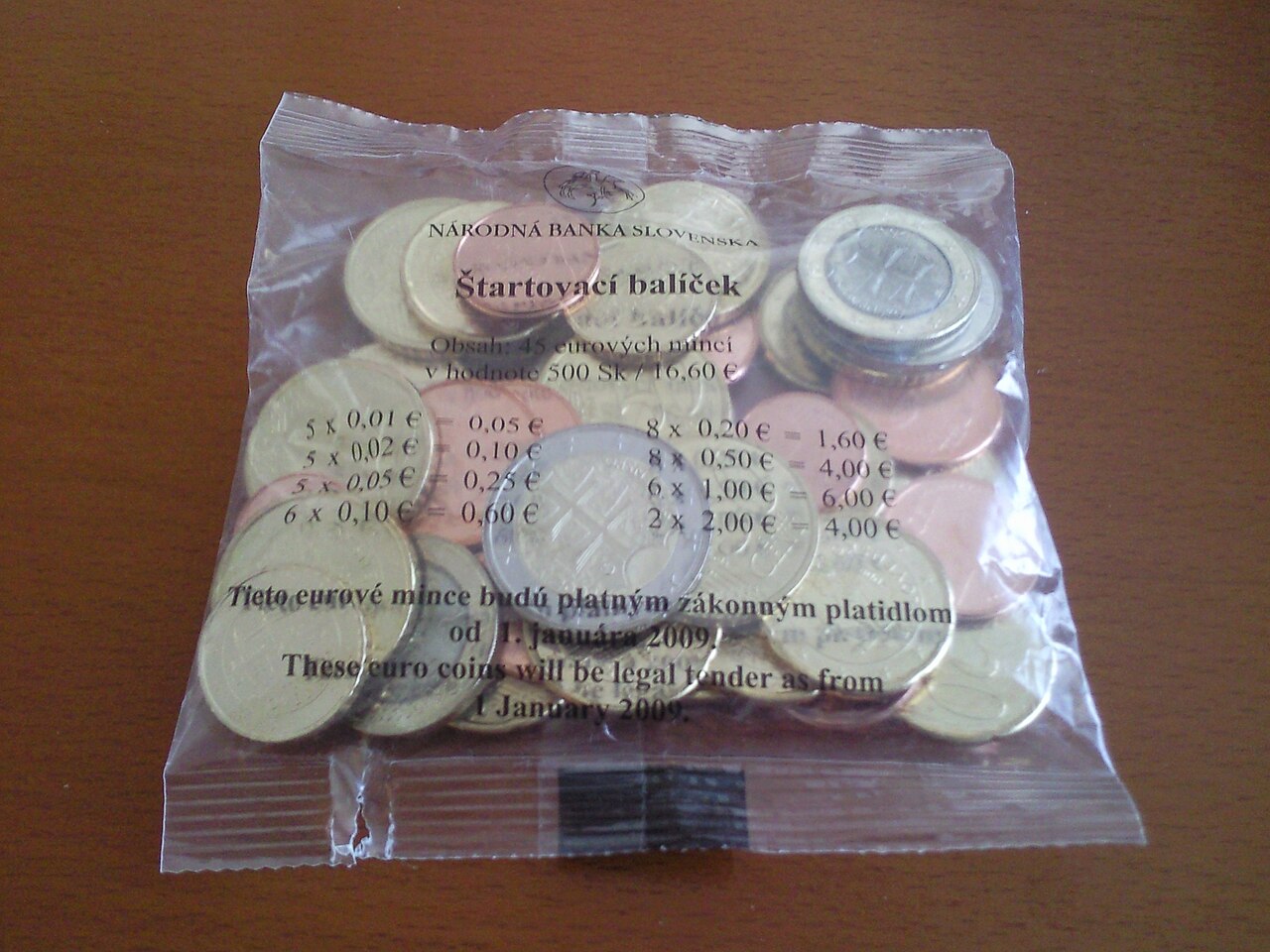
At the start of a specific month, Slovakia adopted the euro as its official currency. This transition marked the culmination of extensive preparations and reforms aimed at integrating Slovakia into the Eurozone. The decision to join the euro came after rigorous assessments by both the European Commission and the European Central Bank, confirming Slovakia's readiness to meet the Maastricht criteria. These criteria included stability in exchange rates, low inflation rates, and sound public finances.
Before adopting the euro, Slovakia used the Slovak koruna (SKK). The changeover was meticulously planned, involving public awareness campaigns and logistical preparations to ensure a smooth transition. Banks, businesses, and government institutions worked in unison to facilitate this significant shift. ATMs and point-of-sale terminals were adapted to dispense and accept euros, and dual pricing was introduced to help citizens adjust to the new currency.
The adoption of the euro brought several advantages to Slovakia's economy. It eliminated exchange rate risks and transaction costs associated with currency exchanges, fostering an environment conducive to trade and investment. The euro also enhanced price transparency, making it easier for consumers to compare costs across different Eurozone countries.
Slovakia's economy experienced solid growth during the period leading up to and following the introduction of the euro. The country's GDP growth rates and inflation levels were well-aligned with Eurozone averages, reflecting economic stability and convergence. Additionally, adoption of the euro helped Slovakia attract more foreign direct investment, benefiting from the credibility and stability associated with the single European currency.
The transition to the euro was primarily smooth, thanks to comprehensive planning and public support. Numerous sectors, from finance to retail, adapted efficiently to the new currency regulations. This change further integrated Slovakia into the broader European economy, facilitating closer ties with other member states and enhancing its role within the European Union.
In summary, Slovakia's adoption of the euro as its official currency marked a significant step forward in its economic development and European integration. The move brought practical benefits and underscored Slovakia's commitment to the shared goals of the European Monetary Union.
#EconomicIntegration #Eurozone #Slovakia #EuropeanUnion #CurrencyTransition #GlobalEconomy #MoofLife
Explore the Life Moments of
 AI Twin