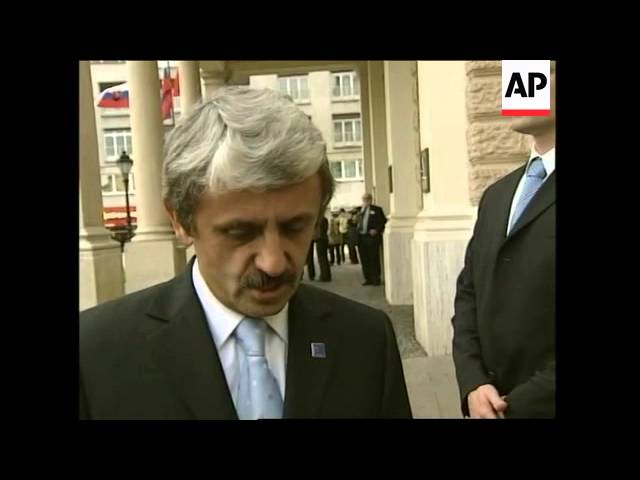
New EU Member: Slovakia's Entry into European Union
Slovakia

Global Trade
Economic Downturn
5 min read
Updated By: History Editorial Network (HEN)
Published:
Slovakia's entry into the European Union followed a series of critical reforms after the fall of communism in Eastern Europe. The country’s transition from a centrally planned economy to a market-driven one signified a major shift that was neither swift nor without challenges. Slovakia had to comply with the EU's rigorous Copenhagen Criteria, which covered democratic governance, human rights, and a functional market economy. This process involved extensive changes in the legal and economic landscape, including privatization efforts, legislative adjustments, and anti-corruption measures.
The economic indicators showed a noticeable improvement in Slovakia’s GDP growth rates and foreign direct investment inflows as it aligned with the EU's standards. Additionally, Slovakia managed to reduce inflation and stabilize its currency, which were key achievements that bolstered its eligibility for EU membership. Public support for joining the EU was strong, with numerous polls indicating a favorable opinion among Slovak citizens. A national referendum confirmed this sentiment, showcasing the country's readiness and willingness to be part of the European collective.
Upon joining the EU, Slovakia gained access to the single market, facilitating free movement of goods, services, people, and capital. This integration offered significant economic benefits, as Slovak businesses could now operate under the same regulations that governed more established EU economies, leveling the playing field. Slovak citizens also enjoyed the freedom to travel, work, and study across member states without the need for visas or additional permits, thus enhancing the social and cultural exchange.
Policymaking within Slovakia began to reflect broader EU policies, helping to modernize various sectors such as infrastructure, education, and healthcare. Access to EU structural funds provided financial support for development projects, further aiding Slovakia's advancement and integration into the European community.
Despite initial concerns about potential economic disparities within the EU, Slovakia's membership underscored the union’s potential to foster unity and growth among nations with diverse backgrounds and economies. This occasion marked Slovakia's firm establishment within the European framework, contributing to regional stability and development.
#MoofLife #EUIntegration #SlovakiaEU #EconomicReform #EuropeanUnion #RegionalDevelopment
Explore the Life Moments of
 AI Twin