
Philippines

Pearl of the Orient Seas
Related Lives

Horror Movies
Nightmares on Screen

Canadian Federal Election
Canada Decides

World War I
The Great War

Serbia
The Heart of the Balkans

China
Land of Silk

Comoros
A Blend of Cultures, Natural Beauty, and Challenges

United Arab Emirates
The Emirates

Bosnia and Herzegovina
The Land of Golden Lilies

1744
The Dagohoy Rebellion in Bohol, Philippines, stands out as one of the enduring uprisings in the country's history. Sparked by a clash involving a local priest who refused burial rights to Dagohoy's brother, the rebellion grew to address issues such as forced labor and abuse by Spanish authorities. With no clear resolution in sight, it persisted for years, gaining momentum and support from various communities in Bohol.
Over time, the rebellion evolved into a significant challenge to Spanish colonial rule, catching the attention of authorities who struggled to suppress it. The mountainous terrain of Bohol provided the rebels with an advantage, allowing them to hold off Spanish forces with guerrilla tactics and strategic positioning. Despite several attempts by the Spanish to quell the uprising, the rebels held their ground, showcasing remarkable resilience and determination.
The impact of the Dagohoy Rebellion on the local population was profound. It brought together people from different backgrounds and communities under a common cause, fueling a sense of unity and purpose. The rebellion also highlighted the grievances and injustices faced by the Filipino people under Spanish colonial rule, inspiring future generations to stand up against oppression.
Ultimately, the Dagohoy Rebellion serves as a testament to the spirit of resistance and defiance among the Filipino people. It underscores the enduring legacy of individuals like Dagohoy, who dared to challenge the status quo and fight for a better future. The rebellion's legacy continues to resonate in Philippine history, serving as a reminder of the struggles faced by past generations in the pursuit of freedom and justice.
#DagohoyRebellion #PhilippineHistory #ResistanceAgainstColonialism
View details1646
The Dutch invasion and occupation of Manila was part of the Eighty Years' War between the Dutch Republic and the Spanish Empire. The Dutch sought to control the valuable trade routes in the region, prompting their attack on Manila, a key Spanish stronghold in the Philippines. The Dutch forces, under the command of Admiral Maarten Tromp, successfully overpowered the Spanish defenders and captured the city.
During their occupation, the Dutch implemented various policies to exploit the resources of Manila and its surrounding areas. They levied heavy taxes on the local population and seized control of the lucrative trade activities in the region. The Dutch also established a garrison in the city to maintain their authority and suppress any resistance.
The impact of the Dutch occupation was significant for Manila and its inhabitants. The local economy suffered due to the exploitation by the Dutch, leading to widespread poverty and hardship among the population. The cultural and social fabric of Manila were also disrupted by the foreign presence, as the Dutch imposed their own customs and practices on the local people.
Despite the challenges faced during the Dutch occupation, the Spanish forces, aided by Filipino allies, eventually launched a successful counterattack and recaptured Manila in 1648, ending the Dutch control of the city.
The Dutch invasion and occupation of Manila during the Eighty Years' War left a lasting impact on the Philippines, highlighting the strategic importance of the region in the global power struggles of the time. The event serves as a reminder of the enduring legacy of colonialism and the resilience of the Filipino people in the face of foreign aggression. #DutchInvasion #ManilaOccupation #EightyYearsWar #PhilippinesHistory
View details1611
Established in Manila, the University of Santo Tomas, or UST, takes pride in being the oldest university in Asia. Founded by the Dominican Order, this prestigious institution has played a pivotal role in shaping the educational landscape of the Philippines and beyond.
At its inception, UST primarily focused on courses in Philosophy, Theology, Canon Law, and eventually expanded to include Medicine, Civil Law, and Fine Arts. Its commitment to academic excellence and moral integrity soon gained recognition, attracting students from all over the region.
Throughout its long history, UST has faced numerous challenges, including wars, natural disasters, and political upheavals. Despite these adversities, the university has persevered, adapting to changes and emerging stronger each time. Today, UST stands as a beacon of knowledge and innovation, cultivating the minds of future leaders and professionals.
The impact of UST extends far beyond the walls of its campus. Its alumni have made significant contributions to various fields, including politics, business, and the arts. The university's emphasis on holistic development has produced graduates who not only excel in their careers but also uphold values of integrity and social responsibility.
As UST continues to evolve with the times, maintaining its tradition of academic excellence, it remains committed to its mission of producing competent and compassionate individuals who will make a positive impact on society. With its rich history and enduring legacy, the University of Santo Tomas stands as a testament to the power of education in transforming lives and shaping the future.
#UniversityofSantoTomas #OldestUniversityinAsia #PhilippineEducation #DominicanOrder #AcademicExcellence
View details1603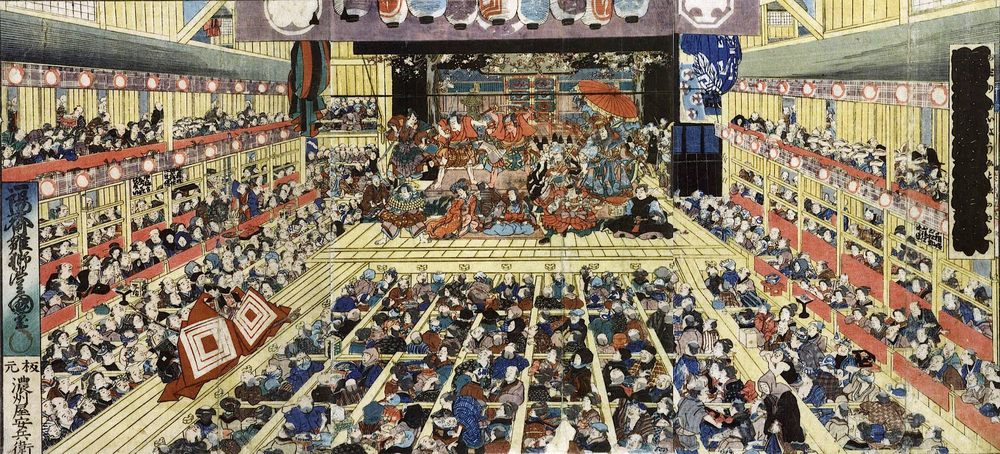
In 1603, a tragic event transpired in Manila known as the Chinese massacre of 1603. Tensions between the Chinese immigrant community and the Spanish authorities had been escalating due to suspicions of an impending uprising by the Chinese. Amidst widespread fear and paranoia, an altercation between a Chinese immigrant and a Spanish soldier triggered a violent chain of events.
The Spanish authorities, led by Governor-General Don Rodrigo de Vivero, issued an order to round up and execute thousands of Chinese residents in Manila. The massacre resulted in the deaths of countless innocent men, women, and children of Chinese descent. Homes and businesses owned by the Chinese were looted and destroyed during the brutal crackdown.
The aftermath of the massacre left a deep scar on the relationship between the Chinese community and the Spanish colonial government in the Philippines. The atrocity unleashed a wave of fear and distrust among the Chinese population, leading many to flee the city in search of safety elsewhere. The economic and social fabric of Manila was significantly disrupted as a large portion of its Chinese inhabitants were either killed or forced into exile.
The Chinese massacre of 1603 serves as a dark chapter in the history of Manila, highlighting the consequences of prejudice, intolerance, and violence. It stands as a stark reminder of the human cost of bigotry and discrimination, resonating through the centuries as a somber lesson in the importance of unity and compassion.
#ChineseMassacre #ManilaHistory #TragedyIn1600s
View details1586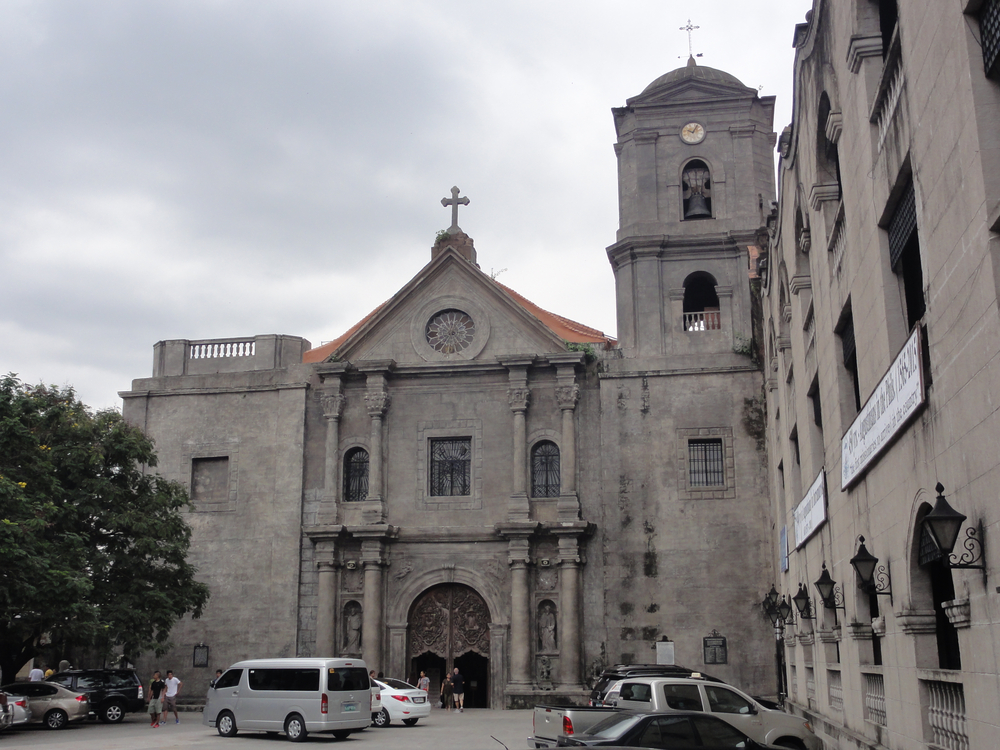
In the late 16th century, the construction of the San Agustin Church commenced in the Philippines, marking the beginning of a significant architectural and religious endeavor in the country. The Augustinian friars undertook the construction, utilizing indigenous materials and local labor to build the oldest stone church in the Philippines.
The San Agustin Church stands as a testament to the enduring legacy of Spanish colonial rule in the Philippines and serves as a symbol of the country's rich cultural heritage. Its construction represented the spread of Christianity in the archipelago and facilitated the conversion of the local population to the Catholic faith.
The church's architectural design embodies a harmonious blend of Spanish colonial and Mexican Baroque styles, showcasing intricate details and ornate decorations. Its massive stone walls, sturdy buttresses, and elegantly carved façade highlight the skilled craftsmanship of the artisans involved in its construction.
Over the centuries, the San Agustin Church has withstood natural disasters, war, and various challenges, emerging as a resilient and revered landmark in Philippine history. It has been recognized as a UNESCO World Heritage Site, further underscoring its cultural and historical significance.
Today, the San Agustin Church continues to attract visitors and pilgrims from around the world, offering a glimpse into the country's colonial past and serving as a place of worship and contemplation for the faithful.
#SanAgustinChurch #PhilippineHistory #CulturalHeritage #SpanishColonialArchitecture
View details1574
Limahong, a notorious Chinese pirate, led a formidable fleet of ships to the Philippines in an attempt to conquer the islands and expel Spanish colonizers. His forces numbered in the thousands, consisting of pirates and soldiers. They landed in the province of Pangasinan, targeting the Spanish outpost of Manila.
The Spanish authorities, caught off guard by the sudden attack, were ill-prepared to defend against Limahong's well-equipped and organized troops. The battle that ensued was fierce and bloody as the Chinese pirates overpowered the Spanish forces in a series of decisive engagements.
Limahong's victory sent shockwaves through the Spanish colonial establishment, signaling a significant threat to their presence in the Philippines. The massacre of Spanish colonizers in Manila at the hands of the Chinese pirates was a humiliating blow to Spanish prestige and control. The event exposed the vulnerability of Spanish power in the region and highlighted the need for stronger defenses against external threats.
The aftermath of the massacre saw an intensification of Spanish efforts to fortify their positions and secure their hold on the Philippines. The Spanish authorities implemented stricter measures to defend against future incursions, including bolstering their military presence and constructing fortifications throughout the islands.
The massacre of the Spanish colonizers by Limahong stands as a stark reminder of the turbulent and violent history of colonial expansion in the Philippines. It serves as a testament to the fierce competition for control of the archipelago and the challenges faced by both indigenous populations and colonial powers in asserting their dominance.
#Limahong #PirateInvasion #ColonialConflict #PhilippinesHistory
View details1571
Miguel Lopez de Legazpi led the founding of Manila, establishing it as the capital of the Spanish East Indies. The event marked the beginning of Spanish colonial rule in the Philippines, key to their expansion in the region. Manila's strategic location made it a vital hub for trade and communication within the Spanish Empire, linking Asia to America and Europe.
Legazpi's decision to establish the city was influenced by its natural harbor and proximity to other Asian territories. The founding of Manila allowed the Spanish to control trade routes, leading to economic growth and cultural exchange. The city quickly grew as a center of government, religion, and commerce for the archipelago.
The establishment of Manila brought about significant changes in the social and political landscape of the Philippines. Spanish influence shaped the local culture, introducing new customs, language, and religion. The city became a melting pot of different cultures, paving the way for a diverse society.
The founding of Manila by Miguel Lopez de Legazpi was a pivotal moment in Philippine history, marking the beginning of over three centuries of Spanish colonial rule. The impact of this event can still be felt today, as Manila continues to be a bustling metropolis and the capital of the Philippines.
#Manila #SpanishColonization #CulturalExchange #TradeHub
View details1565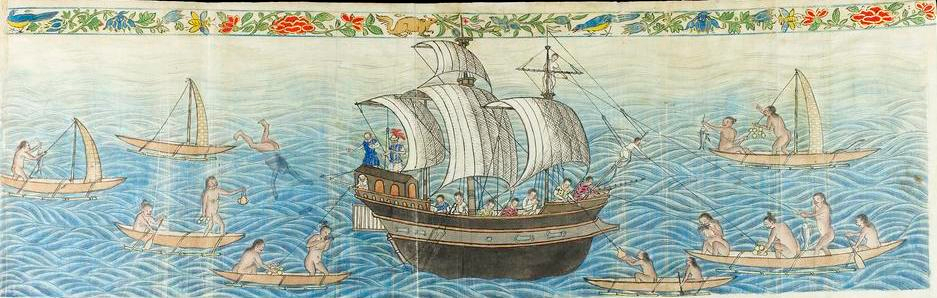
In the mid-16th century, the Manila-Acapulco Galleon Trade route was established to facilitate trade between Asia and the Americas. The Spanish colonization of the Philippines paved the way for this significant maritime route which spanned across the Pacific Ocean. The route was named after the cities of Manila, the capital of the Philippines, and Acapulco, a major port in Mexico.
Spanish galleons would sail from Manila loaded with valuable goods such as silk, spices, porcelain, and precious metals to Acapulco. In return, they would carry silver mined from the Americas back to Asia. This trade route played a crucial role in the global economy, connecting the markets of Asia and the Americas and contributing to the cultural exchange between the East and the West.
The establishment of the Manila-Acapulco Galleon Trade had a profound impact on the Philippines. Manila grew into a bustling center of trade and commerce, attracting merchants from all over the world. The influx of wealth from the trade enriched the Spanish colonial government and facilitated the spread of Christianity in the region. The trade route also led to the exchange of ideas, technologies, and cultures between Asia and the Americas, shaping the development of both regions.
The Manila-Acapulco Galleon Trade was not without its challenges. The long and perilous journey across the Pacific Ocean was fraught with risks such as storms, piracy, and shipwrecks. Despite these challenges, the trade route continued for over two centuries, playing a crucial role in the global economy until it was eventually discontinued in the 19th century.
#ManilaAcapulcoGalleonTrade #SpanishColonization #GlobalTrade #CulturalExchange #PhilippinesEconomy
View detailsIn April 1565, Spanish conquistadors led by Miguel Lopez de Legazpi, set foot on the shores of Cebu, an island in the Philippines. This event marked the founding of Cebu City, a significant milestone in Spain's colonization of the archipelago. Prior to the arrival of the Spaniards, Cebu was already a thriving trading hub, with a local ruler named Rajah Humabon.
The Spaniards' arrival in Cebu City had a profound impact on the region, leading to the spread of Christianity and the establishment of Spanish colonial rule in the Philippines. The expedition also laid the groundwork for future Spanish conquests in the archipelago. One of the most notable outcomes of this event was the conversion of Rajah Humabon and his subjects to Christianity, a move that paved the way for the spread of the faith throughout the islands.
The founding of Cebu City by the Spaniards paved the way for the integration of the Philippines into the Spanish Empire, triggering centuries of colonial rule that would leave a lasting imprint on the country's culture, language, and society. The event also marked the beginning of a new chapter in the history of the Philippines, one characterized by foreign domination and cultural exchange.
Today, Cebu City stands as a vibrant metropolis, blending colonial-era architecture with modern developments. The city serves as a reminder of its storied past, with historical landmarks such as Fort San Pedro and Magellan's Cross attracting visitors from around the world. The founding of Cebu City by the Spaniards remains a pivotal moment in Philippine history, shaping the trajectory of the country for generations to come.
#CebuCity #SpanishColonization #PhilippineHistory
View details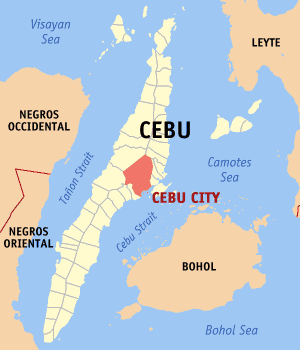
1542
In 1542, a Spanish expedition led by Ruy López de Villalobos claimed a group of islands in Southeast Asia, which they named the Philippines after Prince Philip, the heir to the Spanish throne. The expedition sailed under the command of conquistador Miguel López de Legazpi, who arrived in the islands in 1565 and established the first Spanish settlement in Cebu.
The Spanish colonization of the Philippines had a profound impact on the islands, introducing Christianity, Spanish culture, and the Spanish language to the indigenous populations. The Spanish influence also led to significant changes in the political and social structure of the islands, as well as the economy and agriculture.
The arrival of the Spanish marked the beginning of over three centuries of colonial rule, during which the Philippines became a part of the Spanish Empire. This period of colonization had lasting effects on the islands, shaping their history, culture, and identity. It also paved the way for further European exploration and colonization in Southeast Asia.
The Spanish expedition's claim of the islands and the subsequent colonization had far-reaching consequences for the Philippines, impacting its development and shaping its future. The legacy of Spanish colonialism is still evident in the Philippines today, seen in aspects such as language, religion, architecture, and cuisine.
#SpanishColonization #PhilippineHistory #Exploration #Colonialism
View details1521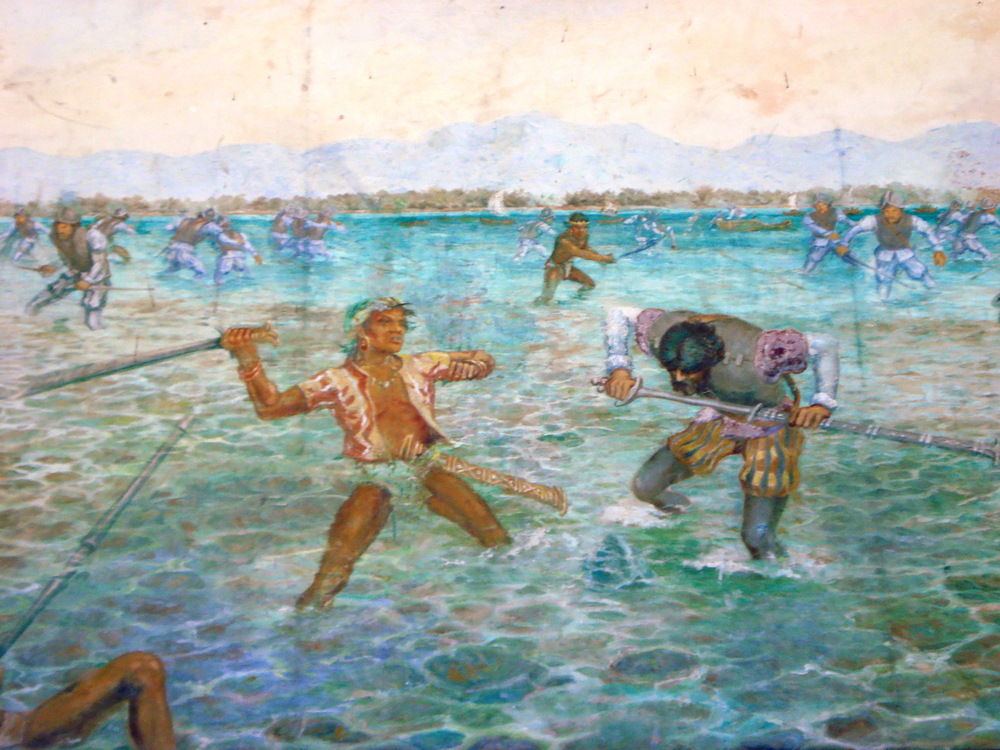
In the Battle of Mactan, native warriors led by Lapu-Lapu defeated the expedition force commanded by the Portuguese explorer Ferdinand Magellan. Before the clash, tensions rose as Magellan attempted to impose Spanish authority on the island of Mactan in the Philippine archipelago. Lapu-Lapu, a local chieftain, refused to acknowledge foreign rule and rallied his troops to defend their land.
As the skirmish unfolded, Lapu-Lapu's warriors utilized their knowledge of the terrain to outmaneuver the better-equipped Spanish forces. Magellan's troops, caught off guard by the ferocity of the native resistance, found themselves outnumbered and outmatched. In the ensuing chaos, Magellan was killed, becoming one of the first European explorers to meet such a fate in the region.
The outcome of the Battle of Mactan had significant implications for the course of history in the Philippines. It marked a rare instance of indigenous resistance successfully thwarting European attempts at colonization. The defeat of Magellan served as a stark reminder of the challenges and complexities inherent in overseas expansion during the Age of Discovery.
The courageous stand of Lapu-Lapu and his warriors against Magellan's forces has since been celebrated as a symbol of Filipino nationalism and pride. The event continues to resonate with Filipinos as a testament to the resilience and valor of their ancestors in the face of foreign incursions. The Battle of Mactan stands as a cornerstone in Philippine history, showcasing the enduring spirit of resistance against colonial oppression.
#BattleofMactan #LapuLapu #FerdinandMagellan #Philippines #IndigenousResistance #ColonialHistory
View detailsFerdinand Magellan led the first circumnavigation of the globe, reaching the Philippine archipelago. The expedition aimed to establish trade routes to the Spice Islands. The arrival in Cebu marked the beginning of the Spanish colonization in the area.
Magellan's arrival in the Philippines was met with mixed reactions. Some local tribes welcomed the foreigners, while others resisted the intrusion on their lands. The explorer managed to convert the ruler of Cebu and his followers to Christianity, paving the way for future Spanish influence in the region.
The encounter between Magellan and local chieftains led to conflicts, culminating in the Battle of Mactan, where Magellan was killed. Despite his death, his crew continued the journey and eventually completed the first circumnavigation of the globe.
The arrival of Ferdinand Magellan in the Philippines had a lasting impact on the region. It marked the beginning of Spanish colonization, introducing Christianity and Western culture to the islands. The Spanish presence shaped Philippine history, leaving a legacy that is still visible today in the language, religion, and traditions of the Filipino people.
#FerdinandMagellan #Philippines #SpanishColonization #CulturalExchange
View details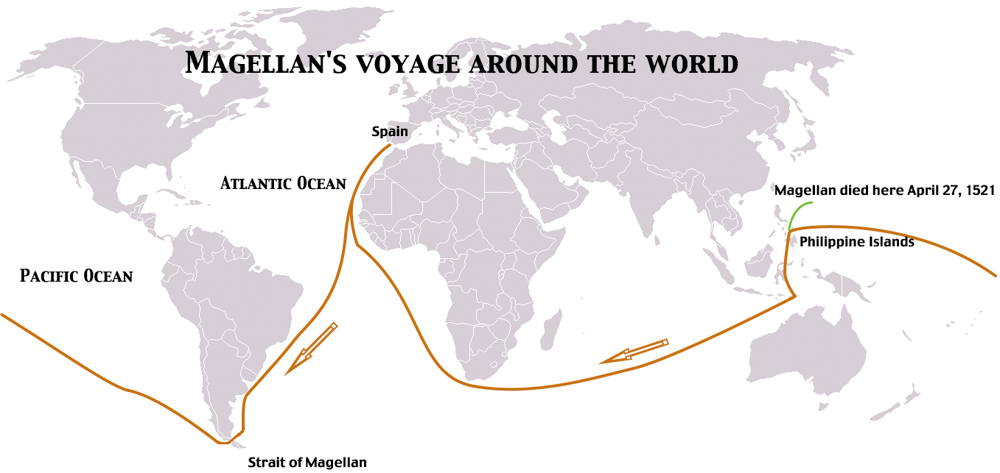
1500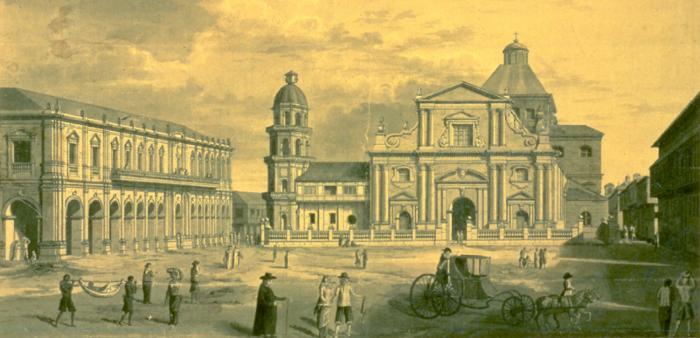
In the early 16th century, Rajah Lakan Dula played a pivotal role in the establishment of the Kingdom of Maynila, a prosperous pre-colonial polity located in present-day Manila, Philippines. As a respected leader, Rajah Lakan Dula united several smaller kingdoms in the region, consolidating their power and influence.
Under his rule, the Kingdom of Maynila flourished as a center of trade and culture, attracting merchants from neighboring regions and beyond. Rajah Lakan Dula's leadership brought about a period of stability and prosperity, as he implemented strategic alliances and diplomatic relations with neighboring kingdoms.
The establishment of the Kingdom of Maynila by Rajah Lakan Dula had far-reaching impacts on the political landscape of the region. It solidified Maynila's position as a key player in maritime trade routes, allowing for economic growth and cultural exchange. The kingdom's influence extended beyond its borders, shaping the development of neighboring societies.
Rajah Lakan Dula's legacy as a wise and visionary leader continues to be celebrated in Philippine history. His contributions to the establishment of Maynila as a powerful and prosperous kingdom are remembered as a crucial chapter in the country's heritage.
#RajahLakanDula #KingdomofMaynila #PhilippineHistory #CulturalExchange #TradeRoutes
View details1405
In the 14th century, the Sultanate of Sulu was established in the Sulu Archipelago, a region nestled between the Philippine and Celebes Seas. Founded by Sharif ul-Hashim, a Muslim scholar from Johor, the Sultanate of Sulu became a significant political and trade center in Southeast Asia.
The Sultanate of Sulu played a crucial role in trade networks between China, Southeast Asia, and the Middle East, particularly in the lucrative spice trade. The strategic location of the Sulu Archipelago allowed the Sultanate to prosper through maritime trade and piracy activities.
Under the leadership of subsequent sultans, the Sultanate of Sulu expanded its influence over neighboring islands and territories, establishing a domain that encompassed parts of present-day Philippines, Malaysia, and Indonesia. The Sultans of Sulu maintained diplomatic relations with various regional powers, including China and Brunei, solidifying their position as key players in the political landscape of Southeast Asia.
The establishment of the Sultanate of Sulu had a lasting impact on the cultural, political, and economic development of the region. The sultanate's administration was based on Islamic principles, fostering the spread of Islam in the Philippines and shaping the cultural identity of the local populations.
Despite facing challenges from Spanish and later American colonial powers, the Sultanate of Sulu maintained its sovereignty and cultural heritage throughout the centuries. Today, the descendants of the Sultans of Sulu continue to uphold their traditions and heritage, preserving the legacy of one of the oldest Muslim states in Southeast Asia.
#SultanateOfSulu #PhilippineHistory #IslamicHeritage #MaritimeTrade #CulturalLegacy
View details1349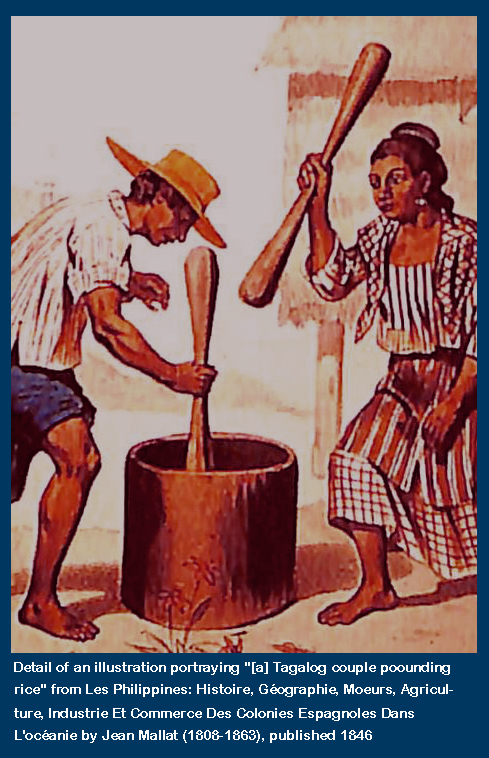
A pivotal event unfolded when Chinese trader Chao Ju-kua arrived in Luzon. Chao Ju-kua, an emissary of the Chinese emperor, embarked on a journey to Luzon to establish trade relations. This encounter marked the beginning of extensive economic and cultural exchanges between China and Luzon.
Chao Ju-kua's arrival in Luzon brought a surge of Chinese goods to the region, introducing new commodities and technologies. The trade relations fostered mutual benefits, as Luzon provided valuable resources such as gold, beeswax, and pearls, while China offered ceramics, silk, and other products. This exchange of goods enriched both societies and stimulated economic growth.
Furthermore, Chao Ju-kua documented his observations of Luzon's society and customs, providing valuable insights into the region's culture. His writings served as an important historical record, shedding light on the lifestyle, governance, and trade practices of the people of Luzon during that period.
The presence of Chao Ju-kua in Luzon catalyzed a cultural interchange, as Chinese influence permeated various aspects of Luzon's society. This exchange influenced art, architecture, language, and cuisine, leaving a lasting imprint on Luzon's cultural landscape. The blending of Chinese and Luzon traditions created a unique and vibrant cultural tapestry that endures to this day.
In conclusion, Chao Ju-kua's arrival in Luzon was a watershed moment in the history of the region, marking the beginning of a flourishing relationship between China and Luzon. The trade networks established during this time laid the foundation for future economic prosperity, while the cultural exchanges enriched both societies. This event continues to resonate in the cultural heritage of Luzon, embodying the spirit of cross-cultural exchange and cooperation.
#ChineseTrader #CulturalExchange #EconomicRelations #LuzonHistory
View details1145
In the 12th century, the Kingdom of Butuan emerged as a prominent trading hub in the Philippines. Situated strategically on the northern coastline of the island of Mindanao, Butuan flourished due to its access to various trade routes in the region. The kingdom's location enabled it to engage in maritime trade with neighboring polities, as well as with merchants from distant lands such as China, India, and even the Middle East.
Butuan's economic prosperity was fueled by the abundance of local resources like precious metals, timber, and agricultural products. The kingdom's skilled artisans also produced high-quality goods such as pottery, metalwork, and textiles that were highly sought after in the trading networks of Southeast Asia. As a result, Butuan became a pivotal center for the exchange of goods, ideas, and cultural influences.
The rise of Butuan as a major trading center had a profound impact on the region. The kingdom's wealth and influence grew significantly, attracting migrants and settlers from other parts of the archipelago and beyond. This influx of people led to the development of a cosmopolitan society in Butuan, characterized by a rich tapestry of languages, customs, and traditions.
The Kingdom of Butuan's reputation as a trading powerhouse endured for centuries, even after the decline of its political power. The legacy of Butuan's commercial prowess can still be seen today in the archaeological artifacts unearthed at sites like the Butuan Silver Strip, which attest to the kingdom's vibrant trade relations with distant civilizations.
#KingdomOfButuan #TradingHub #PhilippineHistory #CulturalExchange #EconomicProsperity
View details0900
In 900, the Kingdom of Tondo was established in the Philippines. Tondo was a major trade hub, strategically located along the Pasig River, which connected the kingdom to various trade routes in Southeast Asia. The kingdom flourished under the rule of its early leaders, who expanded Tondo's influence through trade and diplomacy.
The establishment of the Kingdom of Tondo had a significant impact on the region. It served as a center for trade and cultural exchange, attracting merchants and traders from neighboring regions. Tondo's wealth and power grew as it established strong relations with other kingdoms in the area. The kingdom's influence extended to other parts of the Philippine archipelago, shaping the political landscape of the region.
Tondo's rulers played a crucial role in maintaining peace and stability within the kingdom, fostering economic prosperity and cultural development. The society in Tondo was characterized by a complex social structure, with the ruling class holding significant power and influence. The kingdom's leaders engaged in alliances and conflicts with neighboring polities, further solidifying Tondo's position as a key player in the region.
The establishment of the Kingdom of Tondo marked a pivotal moment in Philippine history, laying the foundation for future political entities in the archipelago. Tondo's legacy continued to influence the development of Filipino society and culture for centuries to come, leaving a lasting impact on the region's history.
#KingdomofTondo #PhilippineHistory #TradeHub #CulturalExchange
View details