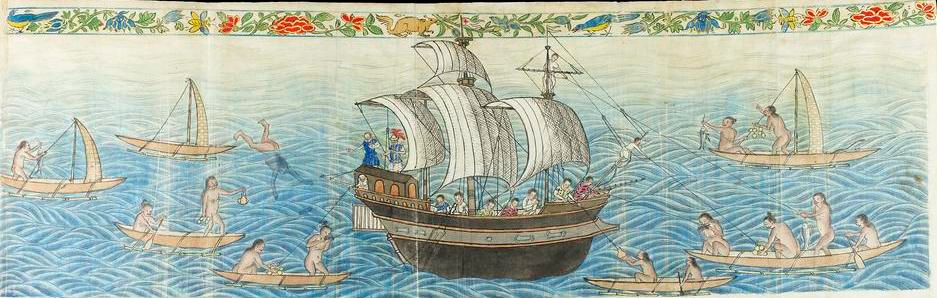
Manila-Acapulco Galleon Trade: Historical Maritime Connection
Philippines

Global Trade
Cultural Exchange
4 min read
Updated By: History Editorial Network (HEN)
Published:
In the mid-16th century, the Manila-Acapulco Galleon Trade route was established to facilitate trade between Asia and the Americas. The Spanish colonization of the Philippines paved the way for this significant maritime route which spanned across the Pacific Ocean. The route was named after the cities of Manila, the capital of the Philippines, and Acapulco, a major port in Mexico.
Spanish galleons would sail from Manila loaded with valuable goods such as silk, spices, porcelain, and precious metals to Acapulco. In return, they would carry silver mined from the Americas back to Asia. This trade route played a crucial role in the global economy, connecting the markets of Asia and the Americas and contributing to the cultural exchange between the East and the West.
The establishment of the Manila-Acapulco Galleon Trade had a profound impact on the Philippines. Manila grew into a bustling center of trade and commerce, attracting merchants from all over the world. The influx of wealth from the trade enriched the Spanish colonial government and facilitated the spread of Christianity in the region. The trade route also led to the exchange of ideas, technologies, and cultures between Asia and the Americas, shaping the development of both regions.
The Manila-Acapulco Galleon Trade was not without its challenges. The long and perilous journey across the Pacific Ocean was fraught with risks such as storms, piracy, and shipwrecks. Despite these challenges, the trade route continued for over two centuries, playing a crucial role in the global economy until it was eventually discontinued in the 19th century.
#ManilaAcapulcoGalleonTrade #SpanishColonization #GlobalTrade #CulturalExchange #PhilippinesEconomy

Explore the Life Moments of
 AI Twin