
Philippines

Pearl of the Orient Seas
Related Lives

Horror Movies
Nightmares on Screen

Canadian Federal Election
Canada Decides
World War I
The Great War
Serbia
The Heart of the Balkans

Austria
The Land of Music and Mountains

United Kingdom
Great Britain


Ireland
The Emerald Isle

1972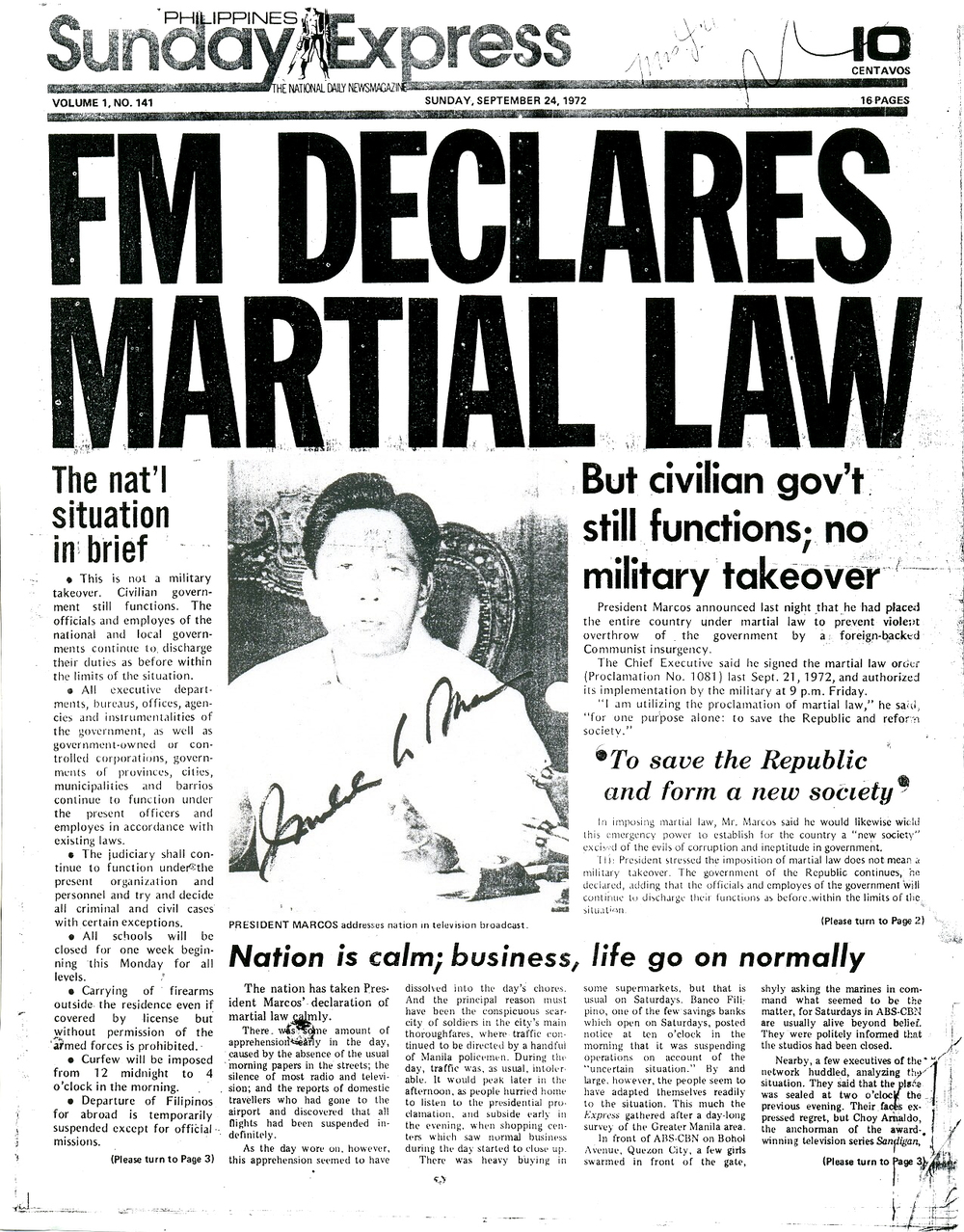
In September 1972, President Ferdinand Marcos declared Martial Law in the Philippines. The political landscape leading up to this pivotal decision was marked by rising civil unrest, economic challenges, and the persistent threat of communist insurgency. Marcos justified the declaration as a necessary measure to restore law and order, combat corruption, and promote economic development.
The impact of Martial Law was far-reaching and significant. Basic civil liberties were suspended, media outlets were shut down, political opponents were arrested, and censorship was imposed. The military was granted extensive powers to maintain control, leading to human rights abuses and widespread fear among the population. The economy, controlled by Marcos' cronies, experienced growth but at the expense of increasing social inequality and poverty.
Despite the authoritarian rule, Marcos sought to legitimize his regime through a new constitution in 1973 and a re-election in 1981, both widely believed to be marred by fraud and coercion. The years under Martial Law were marked by a culture of fear and suppression, with dissent harshly punished.
The declaration of Martial Law by President Ferdinand Marcos in 1972 remains a contentious and divisive issue in Philippine history. It sparked a period of authoritarian rule that lasted for over a decade, leaving a lasting impact on the country's political, social, and economic landscape. The scars of Martial Law continue to be felt by the generations that lived through it, serving as a reminder of the dangers of unchecked power and the importance of upholding democracy and human rights.
#MartialLaw #FerdinandMarcos #PhilippinesHistory #Authoritarianism #HumanRightsAbuses
View details1970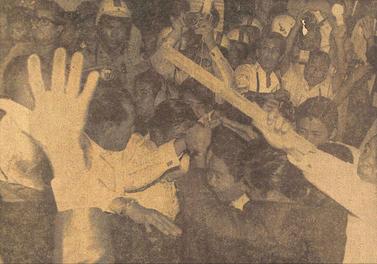
During the outbreak of the First Quarter Storm in the Philippines, a series of protests and demonstrations erupted against the government. The rallying cry was for a more democratic and just society. Students, labor groups, and various sectors of society took to the streets to express their discontent with the administration.
The movement gained momentum as protesters voiced their grievances about social inequality, corruption, and the lack of political freedoms. The demands included reforms in government policies, better living conditions for the marginalized, and an end to the authoritarian rule.
The protests often turned into violent clashes between the demonstrators and the authorities, resulting in injuries and arrests. Despite the risks, the participants remained steadfast in their quest for social reform and political change. The First Quarter Storm became a symbol of the people's determination to fight for their rights and hold those in power accountable.
The impact of the protests was significant. It sparked a period of heightened political activism and paved the way for a more engaged citizenry. The momentum generated during the First Quarter Storm set the stage for future movements that would challenge the status quo and push for a more democratic Philippines.
In conclusion, the outbreak of the First Quarter Storm marked a turning point in the country's history. It fueled a wave of activism and dissent that would shape the political landscape for years to come. The legacy of this period continues to inspire movements advocating for social justice and accountability. #Philippines #FirstQuarterStorm #Protests #PoliticalActivism
View details1954
In the mid-1950s, the Philippines, along with other Southeast Asian nations, came together to sign the Southeast Asia Treaty Organization (SEATO). This alliance was formed as a response to the growing threat of communism in the region, with the intention of promoting peace and stability through collective defense.
The Philippines, still reeling from the effects of World War II and facing internal strife, saw SEATO as a crucial step towards bolstering its national security and fostering stronger ties with neighboring countries. By signing the treaty, the Philippines committed to mutual assistance in case of aggression, reaffirming its dedication to upholding regional peace.
SEATO's impact on the Philippines was significant, as the alliance provided a framework for military cooperation and intelligence sharing among member states. This cooperation was particularly valuable during times of political uncertainty and security threats, offering a sense of solidarity and support for the Philippines in a tumultuous period of Cold War tensions.
Through SEATO, the Philippines also had the opportunity to engage with Western powers, strengthening diplomatic relations and gaining access to resources and expertise that helped modernize its armed forces. The alliance served as a platform for the Philippines to assert its presence on the global stage and align itself with like-minded nations sharing a common interest in countering communist influence in the region.
The signing of SEATO marked a pivotal moment in the Philippines' foreign policy, demonstrating its commitment to collective security and collaborative efforts towards regional stability. It underscored the nation's proactive stance in addressing security challenges and fostering a united front against external threats.
#SEATO #Philippines #RegionalSecurity #CollectiveDefense #AntiCommunism
View detailsIn the 1950s, the Philippines faced a significant internal threat known as the Hukbalahap Rebellion. The Hukbalahap, a communist guerrilla group, sought to overthrow the government and establish a communist state. The rebellion started during the Japanese occupation in World War II but continued in the post-war period due to social unrest and economic hardships faced by many Filipinos.
Over time, the rebellion grew in strength, attracting disaffected peasants and workers. The Huk rebels operated in remote rural areas, carrying out attacks on government forces and wealthy landowners. The conflict resulted in widespread violence and displacement, with both sides suffering casualties.
The tide began to turn in favor of the government forces as they intensified their efforts to combat the rebellion. Through a combination of military operations, development projects, and amnesty offers, the government managed to weaken the Hukbalahap movement. In a significant development, the Huk rebels officially surrendered to the government, marking the end of the rebellion.
The surrender of the Huk rebels had a lasting impact on the Philippines. It represented a crucial moment in the country's history as it brought an end to a prolonged and bloody insurgency. The government's success in quelling the rebellion allowed for greater stability and paved the way for economic and social development in the affected regions.
The Hukbalahap Rebellion officially ending with the surrender of the rebels underscored the importance of addressing the root causes of insurgency, such as poverty, inequality, and social injustice. It served as a reminder of the destructive impact of armed conflict on communities and the value of pursuing peace through dialogue and reconciliation.
#HukbalahapRebellion #PhilippinesHistory #EndOfInsurgency #GovernmentVictory #SocialUnrest
View details1951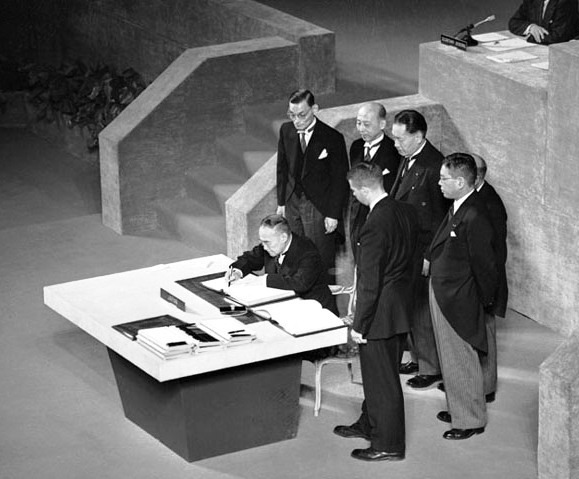
In 1951, the Philippines officially signed a peace treaty with Japan, marking a significant milestone in their diplomatic relations. This treaty came after the tumultuous aftermath of World War II, where Japan had occupied the Philippines and inflicted significant damage and suffering. The signing of the treaty symbolized a new chapter of reconciliation between the two countries.
The peace treaty addressed issues such as reparations for war damages, the renunciation of war as a policy, and the restoration of full sovereignty to the Philippines. It aimed to bring closure to the lingering scars of war and pave the way for mutual understanding and respect. The Philippines sought to move forward from the painful memories of the past and rebuild a more peaceful and stable future.
The impact of the peace treaty was profound, as it laid the foundation for a more harmonious relationship between the Philippines and Japan. It opened doors for economic cooperation, cultural exchange, and people-to-people connections. The treaty promoted forgiveness, healing, and cooperation, fostering a sense of unity and shared humanity.
In the Philippines, the signing of the peace treaty with Japan was widely celebrated as a step towards healing and reconciliation. It was seen as a gesture of goodwill and a testament to the power of diplomacy in resolving conflicts and building bridges. The treaty served as a reminder of the importance of forgiveness, understanding, and cooperation in moving beyond the scars of history.
#Philippines #Japan #PeaceTreaty #Reconciliation #Diplomacy #History #WarDamages #Sovereignty
View details1947
In 1947, the United States acquired military bases on the islands of the Philippines. This agreement was a result of strategic considerations for both nations following the end of World War II. The Philippines granted the US access to military bases as part of their mutual defense pact, allowing American forces to maintain a presence in the region.
The US military bases in the Philippines played a crucial role during the Cold War era, providing a strategic location for American operations in Asia. The presence of these bases allowed the US to project power and influence in the region, serving as a deterrent against potential threats from communist forces. Additionally, the bases facilitated joint military exercises and training between the two nations, strengthening their military partnership.
The agreement had significant implications for the Philippines, as it brought economic benefits through military assistance and infrastructure development in the areas surrounding the bases. However, it also sparked debates and protests among Filipino nationalists who viewed the presence of foreign military forces as a violation of their sovereignty.
The US military bases on the islands remained operational for several decades, playing a crucial role in regional security dynamics. However, as geopolitical realities evolved, the agreement faced growing scrutiny and criticism. Eventually, in the early 1990s, the Filipino government decided not to renew the lease for the US military bases, marking the end of an era in their bilateral relations.
The awarding of military bases to the US in the Philippines underscored the complex interplay of security, sovereignty, and geopolitical interests in the post-World War II era. It left a lasting impact on the military and diplomatic ties between the two nations, shaping regional dynamics in the Asia-Pacific region for years to come.
#USPhilippinesRelations #MilitaryBases #ColdWarHistory
View details1946.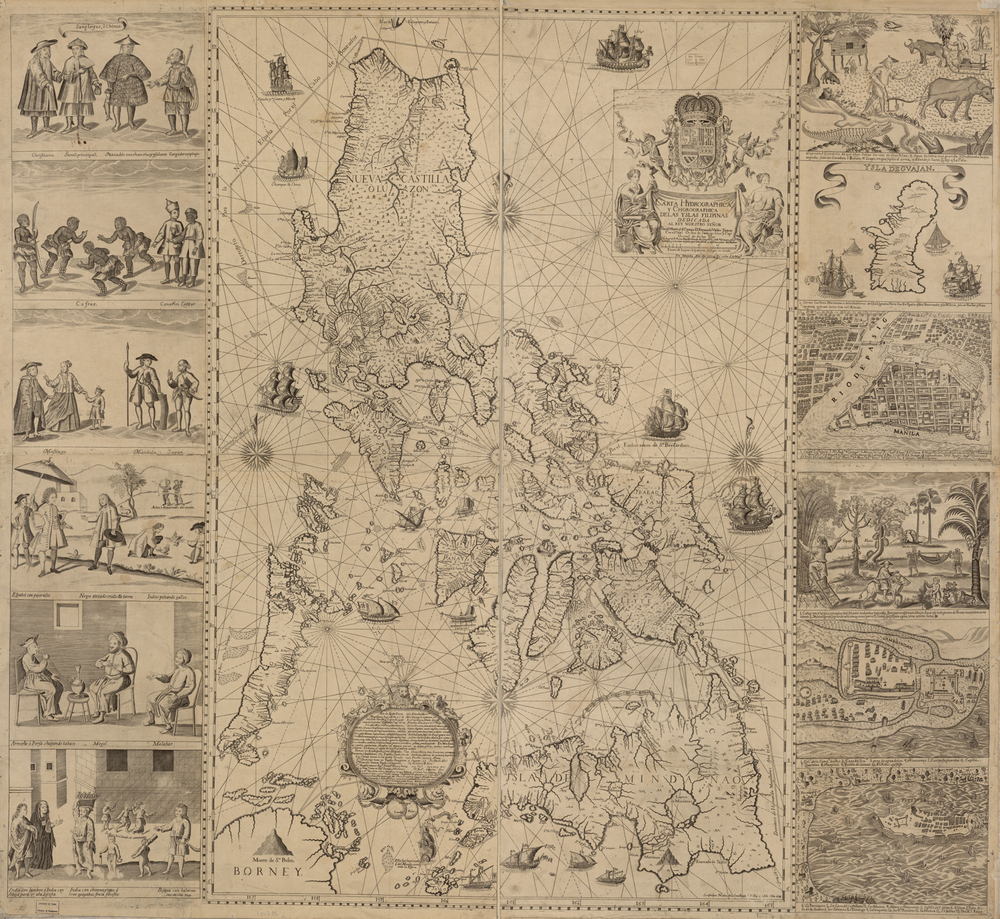
After almost half a century of American colonization, the Philippines was finally granted independence with the signing of the Treaty of Manila. The country had initially declared its independence from Spain in 1898, only to be acquired by the United States through the Treaty of Paris. Over the years, Filipinos fought for self-governance and sovereignty, leading to the establishment of the Philippine Commonwealth in 1935 under American tutelage.
The road to independence was not without challenges, including the Japanese occupation during World War II. However, Filipino resistance persisted, with many joining the allied forces to fight against the Japanese invasion. The bravery and sacrifices of Filipinos strengthened the call for independence, finally realized with the signing of the Treaty of Manila.
The treaty signaled the end of American control over the Philippines, recognizing the country as a sovereign nation. The Philippines emerged as a republic, establishing its own government, constitution, and national identity. The event marked a significant milestone in Philippine history, symbolizing the long struggle for freedom and self-determination.
Independence brought about a new era of challenges and opportunities for the Philippines. The country had to rebuild its economy, infrastructure, and governance while forging its path on the global stage. Despite the hurdles, Filipinos embraced their newfound independence with hope and determination.
The Treaty of Manila remains a pivotal moment in Philippine history, embodying the ideals of freedom, resilience, and unity. It stands as a reminder of the sacrifices made by past generations and the ongoing commitment to upholding the values of independence and sovereignty.
#PhilippineIndependence #TreatyofManila #SovereigntyAchieved
View details1946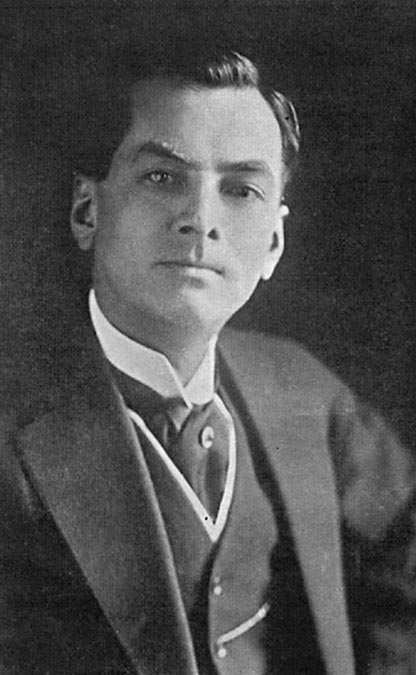
Following the end of World War II, the Philippines held its first post-war presidential elections in 1946. This event marked a significant milestone in the country's history as it transitioned from being a US territory to an independent nation.
The elections were held to determine the first President of the newly established Republic of the Philippines. The two main candidates were Manuel Roxas, who was an influential political figure during the Commonwealth period, and Sergio Osmeña, who had served as the country's President during the wartime government in exile.
Ultimately, Manuel Roxas emerged as the winner of the election and became the first President of the independent Philippines. His presidency was focused on rebuilding the nation's economy, infrastructure, and political institutions that had been greatly affected by the war.
The impact of these elections was profound as it symbolized the Philippines' determination to reclaim its sovereignty and self-governance after years of colonial rule. The successful and peaceful transition of power also demonstrated the country's commitment to democracy and the rule of law.
The first post-World War II presidential elections in the Philippines were a pivotal moment in the country's history, setting the stage for its journey towards nation-building and development in the post-war era. It marked the beginning of a new chapter for the Filipino people as they sought to forge their own path and shape the future of their nation.
#PhilippinesHistory #Independence #Democracy
View details1944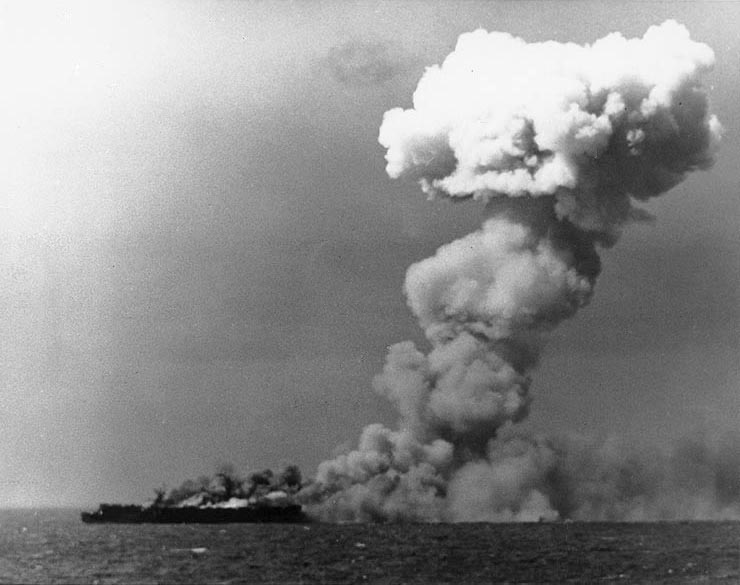
During the Battle of Leyte Gulf, one of the largest naval engagements, the American and Japanese naval forces clashed off the coast of the Philippines. The battle was a part of the larger Allied campaign to liberate the Philippines from Japanese occupation during World War II. The Japanese navy initiated the battle in an attempt to repel the Allied forces and maintain control of the region.
The battle consisted of several distinct engagements, including the Battle of the Sibuyan Sea, the Battle off Samar, and the Battle of Surigao Strait. It involved aircraft carriers, battleships, cruisers, and destroyers on both sides. The Japanese utilized their remaining naval strength, including the powerful Yamato, while the Americans deployed a large and coordinated fleet.
Despite being outnumbered and outgunned, the American forces decisively defeated the Japanese navy in a series of engagements. The destruction of the Japanese fleet at Leyte Gulf significantly weakened their naval capabilities for the remainder of the war and marked a turning point in the Pacific theater.
The impact of the Battle of Leyte Gulf was profound, as it allowed Allied forces to successfully retake the Philippines and continue their advance towards Japan. The battle also demonstrated the effectiveness of coordinated naval and air power in modern warfare.
Overall, the Battle of Leyte Gulf was a defining moment in the Pacific campaign of World War II, showcasing the strategic importance of the Philippines and the decisive nature of naval warfare in the region. The bravery and sacrifice of the sailors on both sides are remembered as a testament to the high stakes and intense combat of the conflict.
#BattleOfLeyteGulf #Philippines #WorldWarII #NavalBattle #AlliedForces #JapaneseNavy
View detailsDuring World War II, the Philippines fell under Japanese occupation, enduring brutality and hardships for several years. The Allied Forces, led by the United States, had originally granted the Philippines independence from colonial rule prior to the war. However, the Japanese invasion in 1942 halted this progress, resulting in a period of oppression and suffering for the Filipino people.
The liberation of the Philippines from Japanese occupation was a pivotal moment in the country's history. After years of struggle and resistance, the Allied Forces launched a military campaign to drive out the Japanese troops and restore freedom to the Filipino people. The liberation marked the end of a dark chapter and brought hope for a brighter future.
The impact of the liberation was profound, as it not only freed the Philippines from tyranny but also symbolized the resilience and courage of the Filipino people. The event carried significant historical weight, highlighting the importance of unity and perseverance in the face of adversity. The liberation paved the way for the Philippines to rebuild and recover from the devastation of war, reaffirming its identity as a sovereign nation.
In the aftermath of the liberation, the Philippines experienced a period of rebuilding and reconciliation. The scars of war were not easily erased, but the spirit of resilience and determination prevailed. The event served as a reminder of the sacrifices made and the courage displayed by those who fought for freedom and independence.
#Philippines #Liberation #AlliedForces #JapaneseOccupation #Resilience #History
View details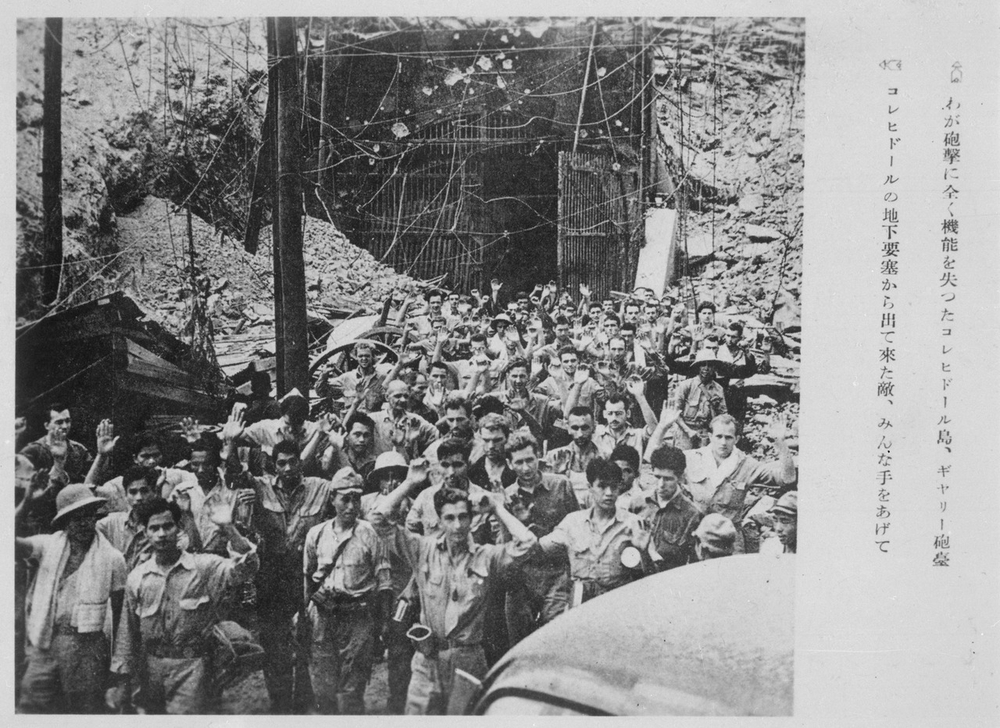
1942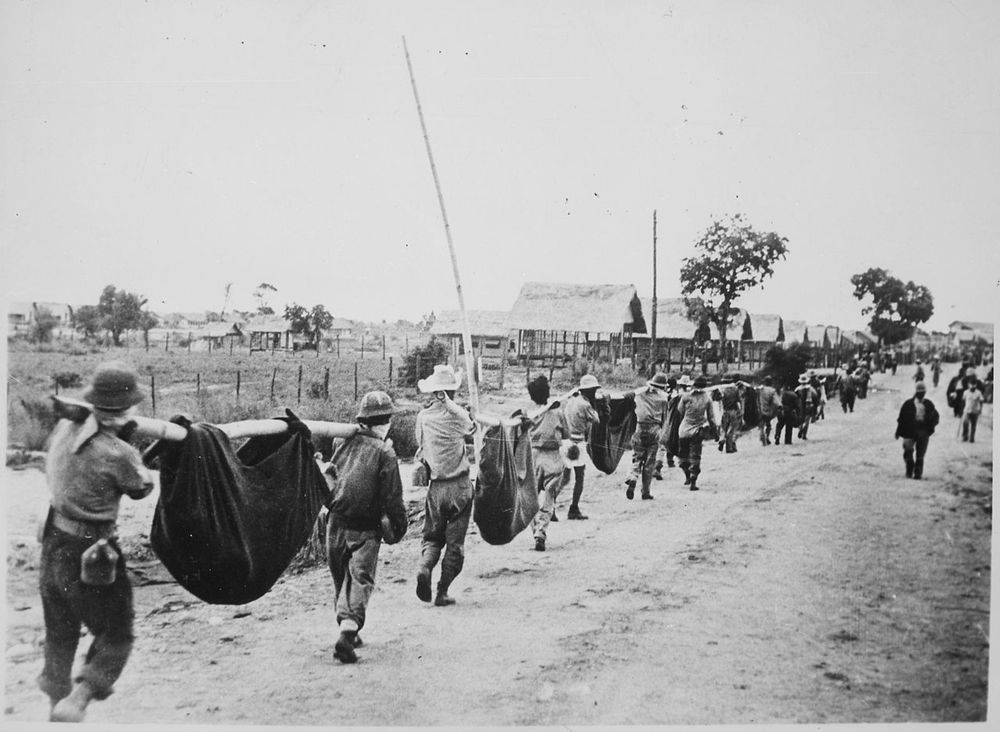
During World War II, the Bataan Death March took place in the Philippines after the surrender of American and Filipino forces to the Japanese. Following an intense battle, approximately 75,000 prisoners of war were forced to march over 60 miles in grueling conditions, including extreme heat, lack of food, and water. Many of the prisoners were subjected to brutal treatment, beatings, and even summary executions during this forced transfer to prison camps.
The Bataan Death March had a devastating impact on those involved, with thousands of prisoners dying due to exhaustion, dehydration, disease, and abuse along the way. The event symbolizes the atrocities of war and the inhumane treatment endured by those who were captured.
Despite the harsh conditions and suffering faced during the march, many prisoners demonstrated great resilience and strength in their will to survive. Some managed to escape or were aided by local Filipino civilians who provided food, water, and medical assistance along the way.
The Bataan Death March remains a poignant reminder of the horrors of war and the resilience of the human spirit in the face of adversity. It serves as a testament to the sacrifices made by those who endured unimaginable hardships during this dark period in history.
#BataanDeathMarch #WWII #PrisonersOfWar #Philippines #HumanResilience #WarAtrocities
View details1935
In a historic event, a plebiscite was conducted to determine the establishment of the Commonwealth of the Philippines. The plebiscite stemmed from the Tydings-McDuffie Act passed by the United States Congress, which aimed to grant the Philippines independence in the near future. The Act provided a framework for the establishment of a transitional government, known as the Commonwealth, as a step towards full independence.
The plebiscite saw a majority of Filipino voters approving the establishment of the Commonwealth, marking a crucial milestone in the country's path to sovereignty. The Commonwealth government would be led by Filipino officials, with Manuel L. Quezon serving as the first President. This marked a significant shift in governance, transitioning from American colonial rule to Filipino-led administration.
The establishment of the Commonwealth of the Philippines had far-reaching impacts on the country's political landscape. It provided Filipinos with a greater degree of self-governance and set the stage for eventual independence. The government worked towards building institutions and infrastructure that would support an independent Philippines, laying the foundation for the future republic. This period also saw the drafting of a new constitution, further solidifying the country's path towards self-rule.
Overall, the approval of the Commonwealth of the Philippines through the plebiscite was a critical moment in the nation's history. It symbolized the Filipino people's desire for self-determination and marked a significant step towards full independence. The Commonwealth era would prove to be transformative, shaping the political, social, and economic landscape of the Philippines for years to come.
#PhilippineIndependence #CommonwealthEra #SelfDetermination
View details1908
On the day the University of the Philippines {UP} was established, it marked a pivotal moment in the educational landscape of the Philippines. Initially proposed by Dr. Murray Bartle, an educational leader, the vision was to create a premier institution that would provide quality education to Filipino students. The university aimed to promote academic excellence, research, and public service that would shape the nation's future leaders.
With an initial enrollment of 12 students in its first academic year, {UP} has since grown to become the country's national university. It offers a wide range of undergraduate and graduate programs across various disciplines, attracting students from all over the Philippines and even beyond its borders. The university has produced countless scholars, scientists, artists, and political figures who have made significant contributions to Philippine society.
{UP} has become a hub for research and innovation, conducting studies that have helped address social, economic, and environmental challenges facing the country. The university's faculty members are renowned experts in their fields, leading groundbreaking research projects that have gained international recognition.
Over the years, {UP} has played a crucial role in shaping public discourse and advocating for social justice and democratic values. It has been at the forefront of various social movements, championing causes such as human rights, environmental conservation, and good governance. The university's students and alumni have been instrumental in driving positive change in Philippine society.
The establishment of the University of the Philippines has had a lasting impact on the Philippines, shaping the minds of generations of Filipinos and contributing to the country's development in various ways. As {UP} continues to uphold its commitment to academic excellence and nation-building, its influence is likely to resonate for many years to come.
#UP #Philippines #Education #Research #PublicService.
View details1907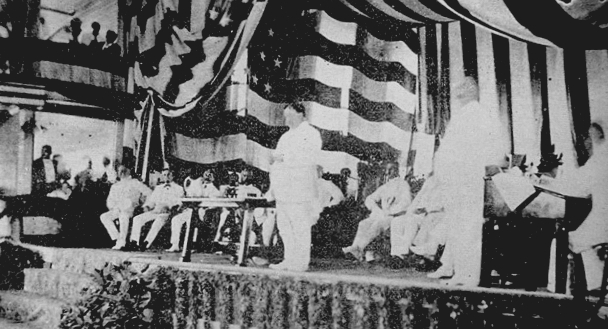
Inaugurated in 1907, the Elected Philippine Assembly marked a pivotal moment in Philippine history. Under the rule of the United States, this legislative body represented a step towards self-governance in the archipelago.
Established as a result of the Philippine Organic Act of 1902, the assembly was the first national legislative body in the country consisting of Filipino representatives. Through a system of elections, Filipinos were given the opportunity to participate in their governance, although ultimate authority still rested with the American colonial government.
The assembly had the power to enact laws, manage the budget, and address local issues affecting the Filipino population. While its authority was limited by the U.S. colonial administration, the assembly provided a platform for Filipino leaders to voice their concerns and push for reforms in the country.
The inauguration of the Elected Philippine Assembly symbolized a shift towards a more inclusive political system in the Philippines. It allowed for greater Filipino participation in decision-making processes, laying the groundwork for future movements towards independence.
This event underscores the complex history of the Philippines under American colonial rule and the gradual progression towards self-determination. The Elected Philippine Assembly served as a starting point for Filipino political empowerment and paved the way for further developments in the quest for national sovereignty.
#PhilippineHistory #SelfGovernance #ElectedAssembly
View details1902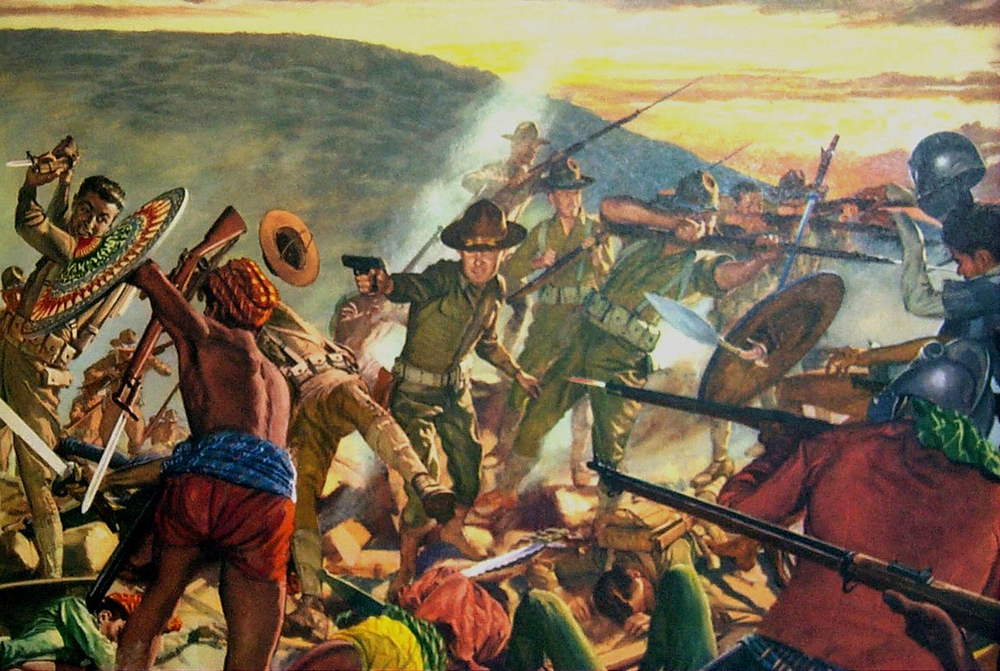
After years of conflict between Philippine independence forces and the United States military, the Philippine-American War formally ended as the US civil government replaced military rule. This transition marked a significant shift in governance in the Philippines.
The Philippine-American War erupted in the context of the Spanish-American War, during which the Philippines was transferred from Spanish to American control. Despite initial hopes of independence, the United States chose to assert its colonial authority, leading to a protracted conflict with Filipino revolutionaries. The war resulted in significant casualties and widespread destruction.
With the establishment of a civil government, the United States sought to pacify the islands and assert control over the territory. The shift from military to civilian rule was part of a larger strategy to integrate the Philippines into American governance and economy. While some independence forces continued to resist, particularly in the southern region against the Moro resistance, the formal end of the war signaled a new phase of American colonial rule in the Philippines.
The defeat of the Moro resistance in the south in 1913 marked the end of significant armed opposition to American rule. Despite ongoing challenges and resistance movements, the Philippines remained under US control until after World War II. The Philippine-American War and its aftermath had lasting impacts on Philippine society and politics, shaping the trajectory of the islands' struggle for independence.
#PhilippineAmericanWar #USColonialism #MoroResistance #FilipinoIndependence #PhilippineHistory
View detailsThe Philippine Organic Act, also known as the Philippine Bill of 1902, was introduced to establish a civil government in the Philippines under American colonial rule. The act aimed to provide a framework for self-governance and to address the growing calls for Philippine independence. It outlined the structure of the government, including the creation of a bicameral legislature with a Filipino-elected assembly, which marked a significant step towards Filipino representation in governance.
The introduction of the Philippine Organic Act had a profound impact on the political landscape of the Philippines. It paved the way for the gradual transfer of power from the military to civilian authorities and laid the groundwork for greater Filipino participation in the government. The act also granted certain civil liberties and rights to the Filipino people, such as freedom of speech, assembly, and religion.
Despite its progressive elements, the act also maintained American control over key aspects of Philippine governance, such as finance, foreign affairs, and military affairs. This led to mixed reactions among Filipinos, with some viewing it as a positive step towards self-governance and others criticizing it as a continuation of colonial domination.
Overall, the introduction of the Philippine Organic Act was a significant development in the history of the Philippines. It set the stage for further reforms and discussions on the path towards Philippine independence, while also highlighting the complexities of colonial rule and the challenges of balancing self-governance with foreign oversight.
#PhilippineOrganicAct #PhilippineBill #FilipinoRepresentation #ColonialGovernance #PhilippineIndependence
View details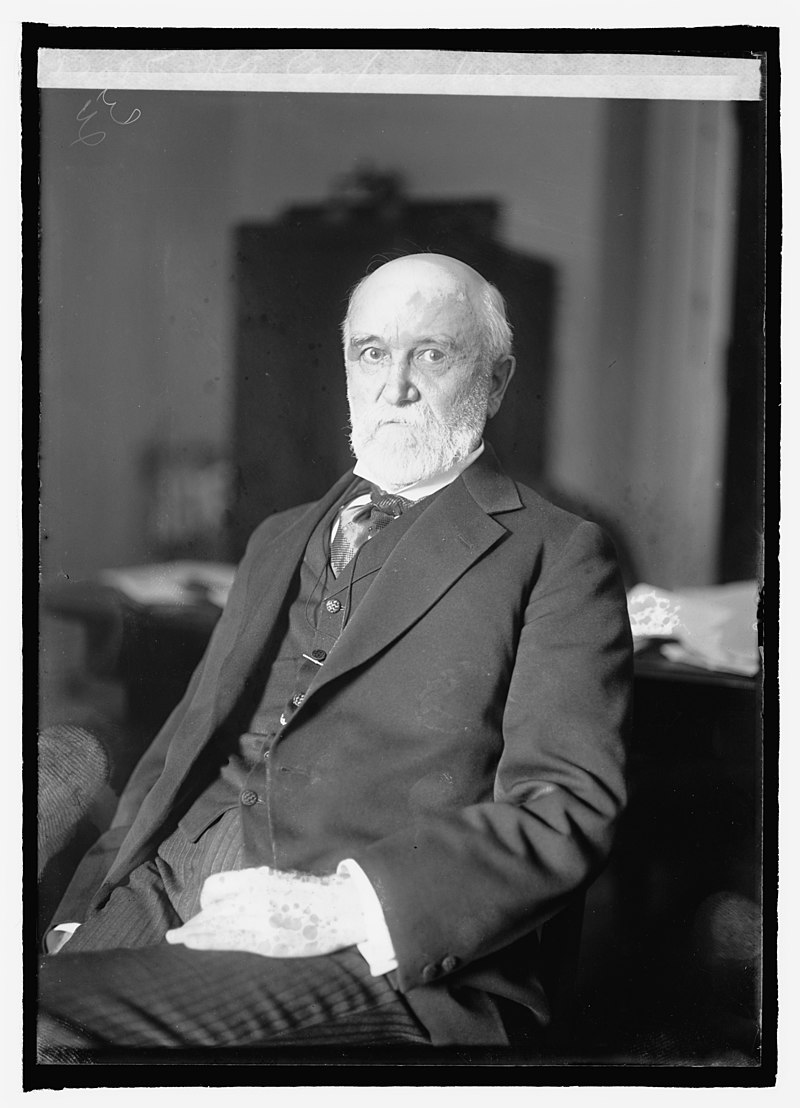
1901
Following the conclusion of the Spanish-American War, the United States established the Insular Government in the Philippines as part of its efforts to take control of the archipelago. This move marked the beginning of a new era for the Philippines, transitioning from Spanish colonial rule to American administration.
Under the Insular Government, the United States aimed to modernize the Philippines by introducing reforms in various aspects of the society and government. The establishment of schools, improvement of infrastructure, and implementation of public health programs were some of the initiatives that were carried out during this period. The American presence also brought about changes in the political landscape of the Philippines, with the introduction of democratic processes and the eventual granting of independence.
The impact of the Insular Government in the Philippines was significant in shaping the future of the country. The period saw the rise of Filipino leaders who would play crucial roles in the fight for independence and in the development of the nation. The educational reforms introduced during this time also had a lasting effect on the country, with improvements in literacy rates and access to education.
The establishment of the Insular Government by the United States in the Philippines marked a pivotal moment in the history of the archipelago. It set the stage for the country's eventual independence and paved the way for a new era of development and progress.
#InsularGovernment #Philippines #AmericanColonialism #Modernization #Independence
View details1899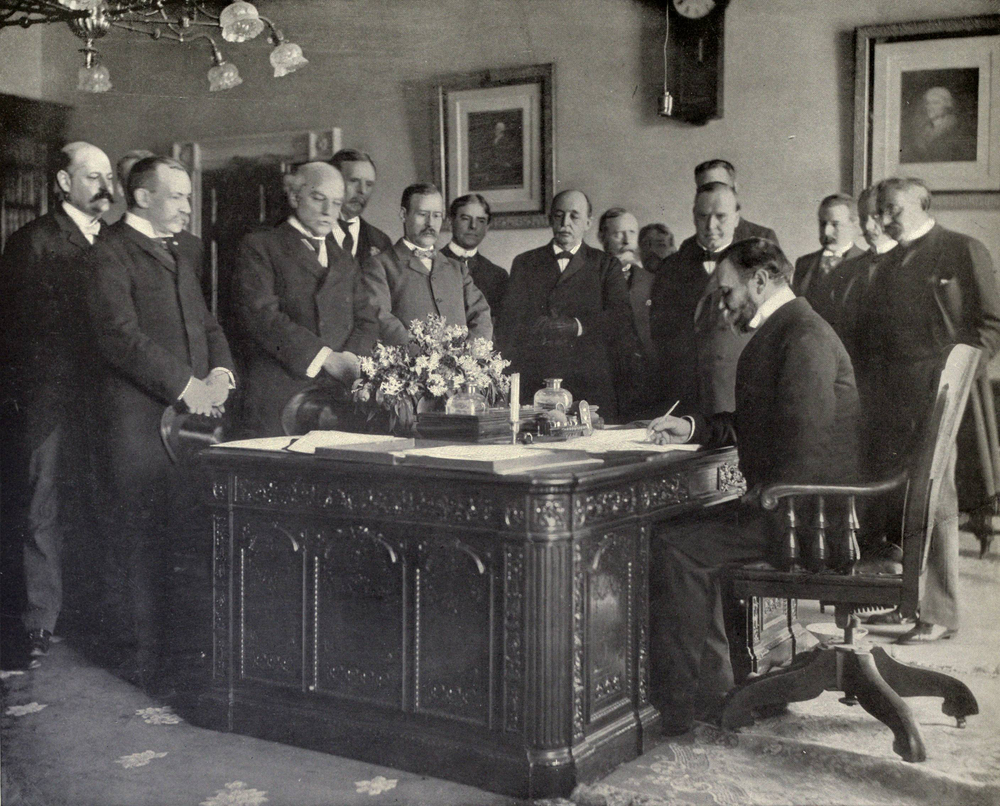
In April 11, 1899, the Treaty of Paris was ratified by the United States Senate, officially ending the Spanish-American War. The treaty solidified the transfer of several Spanish colonies to the United States, including the Philippines. This marked the beginning of American colonial rule in the Philippines, which lasted until the country gained independence in 1946.
The Spanish-American War stemmed from tensions between the United States and Spain over Cuba's fight for independence. With the sinking of the USS Maine in Havana Harbor in 1898, the war was ignited, leading to American victories in the Caribbean and the Pacific, including the Philippines.
The Treaty of Paris signified the formal end of hostilities between the United States and Spain. It ceded the Philippines, Puerto Rico, Guam, and the island of Guam to the United States, establishing American presence in the Asia-Pacific region. The Philippines, in particular, became a focal point of controversy due to the anti-imperialist movement in the United States and the Filipino fight for independence against American colonial rule.
The aftermath of the treaty saw the United States facing resistance from Filipino revolutionaries led by Emilio Aguinaldo, who had been fighting for independence from Spanish colonial rule prior to the arrival of American forces. The ensuing Philippine-American War resulted in significant casualties and widespread destruction, further entrenching American control over the archipelago.
The ratification of the Treaty of Paris had long-lasting implications for both the United States and the Philippines. It shaped the course of Philippine history, influencing its political, economic, and social development. The event symbolized a pivotal moment in the Philippines' journey towards self-determination and independence.
#Philippines #TreatyofParis #SpanishAmericanWar #AmericanColonialism
View details1898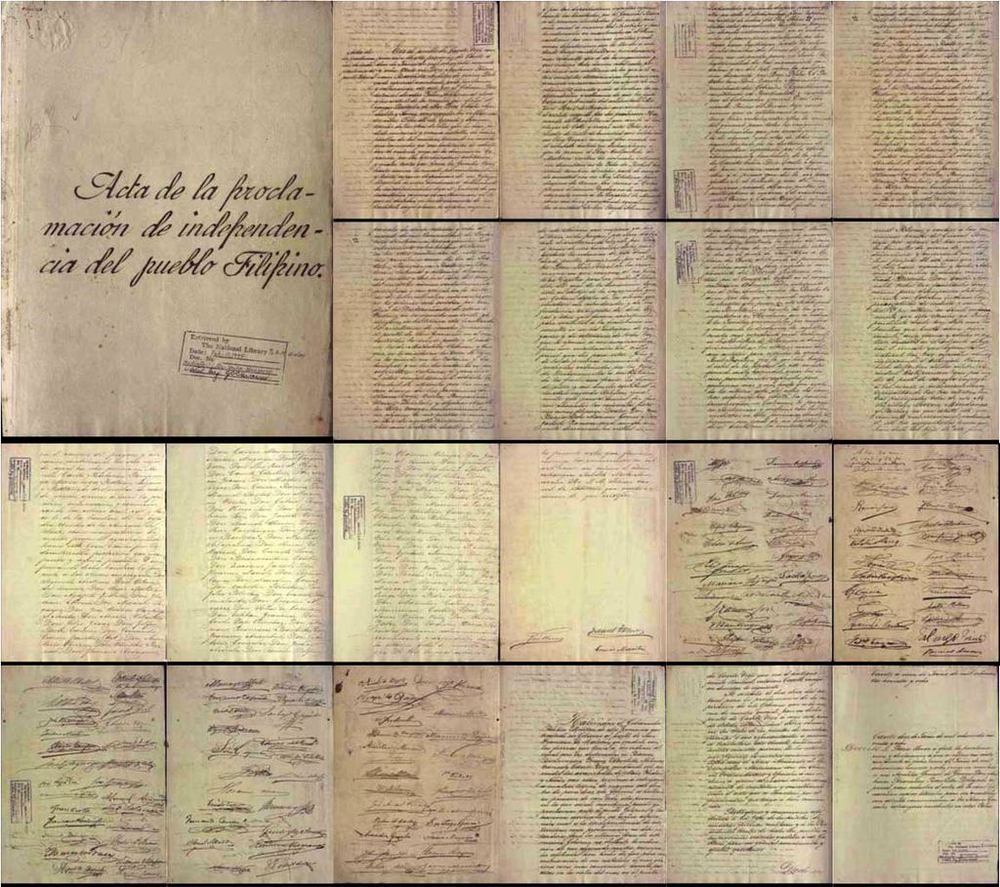
The Philippine Declaration of Independence from Spain marked a pivotal moment in the country's history. Following centuries of Spanish colonial rule, Filipino revolutionaries led by Emilio Aguinaldo declared independence. The proclamation aimed to establish the Philippines as a sovereign nation, free from foreign control. The declaration was a culmination of years of struggle and resistance against Spanish oppression, inspired by nationalist movements and uprisings.
The impact of the declaration was profound, igniting a sense of patriotism and unity among Filipinos. It galvanized the people to fight for their freedom and sovereignty. The declaration served as a catalyst for the Philippine Revolution, sparking a series of battles between Filipino revolutionaries and Spanish forces. The struggle for independence culminated in the Treaty of Paris, which ended the Spanish-American War and ceded the Philippines to the United States.
Despite the transfer of colonial power from Spain to the United States, the declaration of independence symbolized the Filipinos' unwavering desire for self-determination. It laid the foundation for future independence movements and inspired generations of Filipinos to continue the fight for true freedom. The declaration of independence remains a defining moment in Philippine history, celebrated annually as a national holiday to commemorate the bravery and resilience of the country's heroes.
#PhilippineIndependence #FreedomDay #EmilioAguinaldo #Nationalism #ColonialResistance
View details1896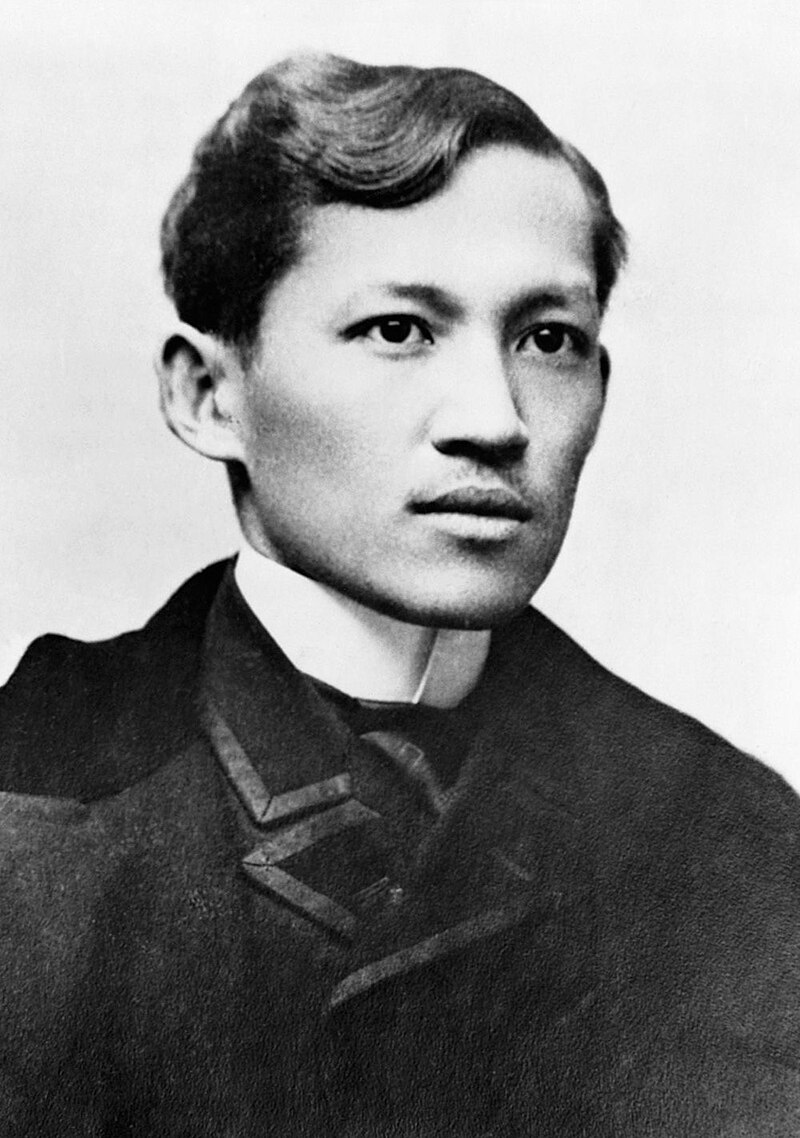
On December 30, 1896, in the Philippines, José Rizal, a prominent nationalist and intellectual, was executed by the Spanish colonial authorities. This event marked a critical turning point in Filipino history, galvanizing the movement for independence from Spanish rule and immortalizing Rizal as a national hero.
Early Life and Education
José Protacio Rizal Mercado y Alonzo Realonda was born on June 19, 1861, in Calamba, Laguna, to a wealthy and educated family. His upbringing in a well-off family allowed him access to excellent education. Rizal was a polymath; he was a physician, writer, and artist, among many other talents. He pursued studies in Europe, where he earned a degree in medicine at the Universidad Central de Madrid and furthered his studies in Paris and Heidelberg.
Advocacy for Reform
Rizal's experiences in Europe, coupled with his love for his country, inspired him to advocate for political reforms in the Philippines. He was a leading figure in the Propaganda Movement, which sought to expose the abuses of Spanish authorities and clergy through peaceful means. His novels "Noli Me Tangere" (1887) and "El Filibusterismo" (1891) were powerful critiques of Spanish colonial rule and the Catholic Church's influence, and they ignited a sense of nationalism among Filipinos.
Arrest and Trial
Rizal's writings and advocacy did not go unnoticed by the Spanish authorities, who considered him a threat to their colonial control. He was arrested and exiled to Dapitan in Mindanao in 1892. Despite his exile, Rizal continued to inspire revolutionary thoughts among Filipinos. In 1896, the Katipunan, a revolutionary society led by Andres Bonifacio, launched a revolt against Spanish rule. Although Rizal had no direct involvement in the Katipunan’s armed struggle, his influence was undeniable.
On his way to Cuba to serve as a doctor in the Spanish Army, Rizal was arrested again and brought back to Manila. He was charged with sedition, rebellion, and conspiracy. Despite the lack of concrete evidence, he was found guilty by a Spanish military court.
Execution and Legacy
On December 30, 1896, at Bagumbayan (now Luneta Park) in Manila, José Rizal was executed by a firing squad. He faced his death with remarkable composure, even requesting to face the firing squad so he would die with dignity. However, this request was denied, and he was shot in the back, symbolizing the betrayal and oppression he had fought against.
Rizal’s martyrdom had a profound impact on the Filipino struggle for independence. His death united Filipinos of all social classes in their desire to end Spanish rule. The Philippine Revolution gained momentum, eventually leading to the declaration of Philippine independence on June 12, 1898.
Rizal’s Enduring Influence
Today, José Rizal is celebrated as the national hero of the Philippines. His life and works continue to inspire Filipinos. His execution is commemorated annually on Rizal Day, a national holiday, reflecting his enduring legacy in the country's history. Monuments, schools, and numerous public places bear his name, serving as constant reminders of his contributions to Filipino identity and independence.
Rizal's vision for a free and progressive Philippines and his commitment to education, reform, and national identity remain central to his legacy. His writings, particularly "Noli Me Tangere" and "El Filibusterismo," are still studied by students, emphasizing the importance of critical thought and the pursuit of justice.
#MomentsOfLife #MoofLife_Moment #MoofLife #JoseRizal #PhilippineHistory #NationalHero #IndependenceMovement #RizalDay
View detailsIn 1896, a civil and armed campaign for independence from Spanish rule began in the Philippines. The uprising was sparked by various factors, including social inequality, lack of representation, and harsh treatment of the local population by Spanish authorities.
The movement was led by Filipino revolutionaries who sought to establish a sovereign nation free from colonial oppression. They organized armed resistance and coordinated attacks against Spanish forces across the archipelago. The campaign gained widespread support from the Filipino population, including peasants, intellectuals, and members of the Katipunan, a secret revolutionary society.
The armed struggle continued for several years, resulting in numerous battles and skirmishes between Filipino rebels and Spanish troops. Despite facing a well-equipped and larger colonial army, the Filipino revolutionaries displayed remarkable resilience and determination in their fight for independence.
The campaign for independence from Spanish rule had a profound impact on Philippine society and history. It galvanized nationalistic sentiments and highlighted the desire of the Filipino people for self-determination and freedom. The uprising also raised international awareness about the plight of the Philippines under Spanish colonial rule.
Ultimately, the civil and armed campaign for independence from Spanish rule in 1896 paved the way for the Philippine Revolution, which culminated in the declaration of independence in 1898 and the end of over three centuries of Spanish colonial rule.
#PhilippineIndependence #FilipinoRevolutionaries #SpanishColonialRule
View details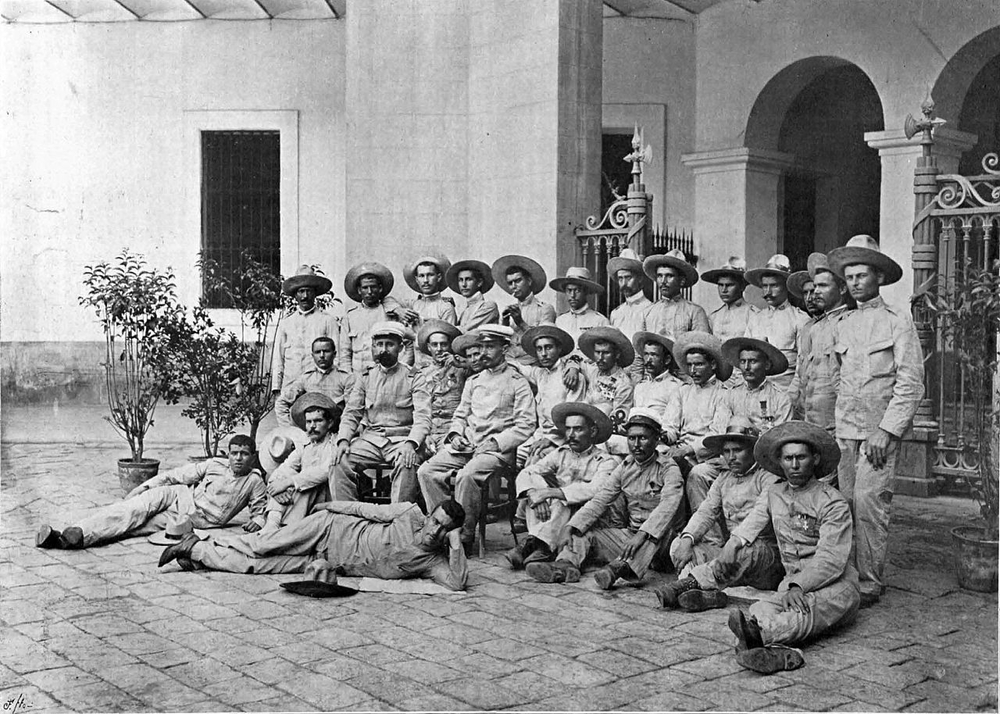
1892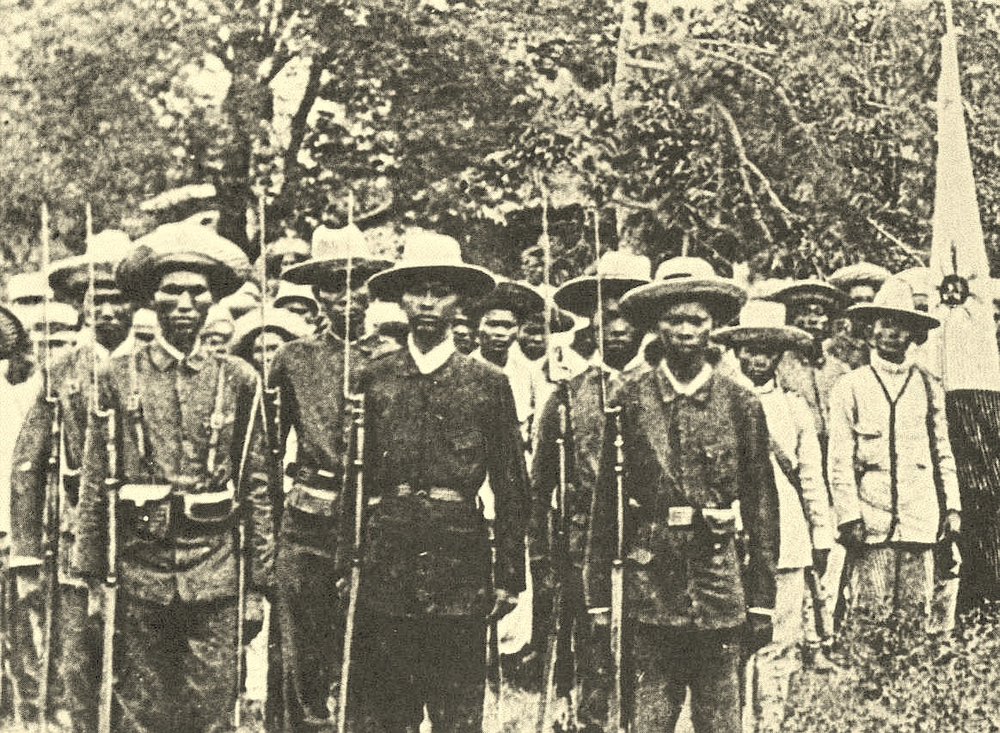
In the Philippines, the Katipunan was established, a secret society advocating for Filipino independence. It was founded by Filipino nationalists, including Andres Bonifacio, to fight against Spanish colonization. The society aimed to unite Filipinos across different social classes and regions to rebel against the oppressive Spanish regime. Members swore an oath of secrecy and loyalty, committing themselves to the cause of independence.
The Katipunan spread quickly throughout the Philippines, gaining thousands of members who were willing to risk their lives for the revolutionary movement. Secret meetings, recruitment drives, and the distribution of propaganda materials were carried out to organize the growing membership. The society also established a military arm to prepare for armed resistance against Spanish forces.
The formation of the Katipunan marked a turning point in the fight for Philippine independence, sparking a growing sense of nationalism and unity among Filipinos. It inspired a sense of hope and empowerment among the oppressed population, fueling the desire for liberation from colonial rule. The society played a crucial role in awakening the spirit of resistance and laying the groundwork for the Philippine Revolution.
The founding of the Katipunan paved the way for future revolutionary activities that would eventually lead to the outbreak of the Philippine Revolution against Spain. The society's influence extended beyond its existence, as its legacy continued to inspire generations of Filipinos in their struggle for freedom and self-determination.
#Katipunan #PhilippineIndependence #AndresBonifacio #PhilippineRevolution #ColonialResistance
View detailsIn response to the growing call for reforms in the Philippines, Jose Rizal founded the La Liga Filipina. This organization aimed to unite the Filipino people, promote civic consciousness, and push for peaceful reforms within the Spanish colonial system. Rizal believed that meaningful changes could be achieved through education, representation, and community empowerment.
The establishment of La Liga Filipina marked a significant shift in the Filipino nationalist movement. It provided a platform for Filipinos from all walks of life to come together and work towards common goals. The organization advocated for equal rights, improved living conditions, and the end of Spanish abuses in the Philippines.
The impact of La Liga Filipina was profound. It inspired a sense of unity and solidarity among Filipinos, challenging them to actively participate in the reform efforts. The organization also helped spark a renewed sense of Filipino identity and pride, laying the foundation for future revolutionary movements against Spanish colonial rule.
Despite its short existence, La Liga Filipina set the stage for the larger struggle for Philippine independence. Rizal's vision of a peaceful reform society, rooted in education and collective action, resonated with many Filipinos and continued to influence nationalist movements in the years to come.
The establishment of La Liga Filipina by Jose Rizal was a pivotal moment in Philippine history, reflecting the aspirations of the Filipino people for justice, freedom, and self-determination. It highlighted the power of unity, organization, and advocacy in driving social change and shaping the course of a nation's future.
#JoseRizal #LaLigaFilipina #PhilippineReform #NationalistMovement #FilipinoIdentity #PeacefulChange
View details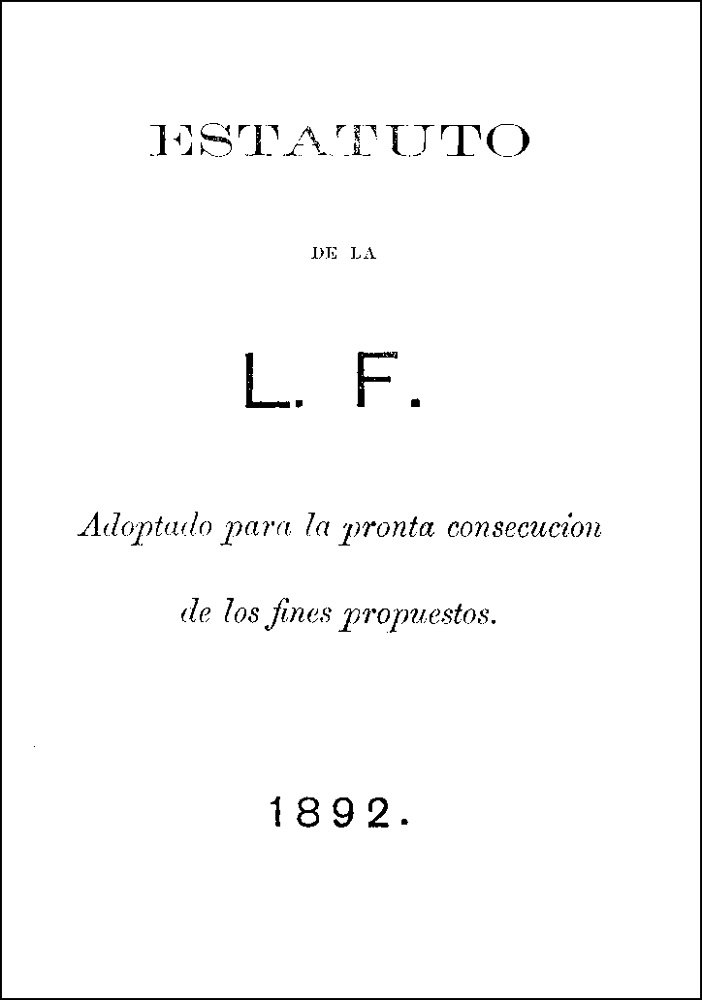
1872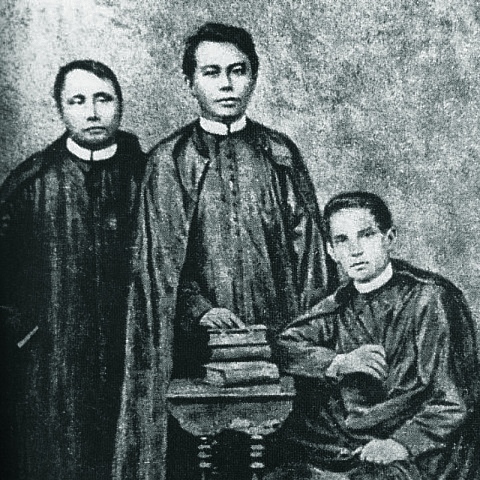
In 1872, the Gomburza martyrdom marked a pivotal moment in Philippine history. Mariano Gomez, Jose Apolonio Burgos, and Jacinto Zamora, three Filipino priests, were unjustly accused of rebellion and publicly executed in Manila. The execution of these priests ignited widespread outrage among Filipinos and fueled the fires of nationalism against Spanish colonial rule.
Gomburza, as they were collectively known, were advocates for reform within the Catholic Church and champions of Filipino clergy's rights. Their martyrdom served as a stark reminder of the oppressive tactics employed by the Spanish authorities to suppress dissent and maintain control over the Filipino population.
The impact of Gomburza's execution was profound, galvanizing the Filipino people's resolve to fight for independence and justice. It fueled the flames of resistance against colonial oppression and sparked a renewed sense of national identity and unity among Filipinos.
The legacy of Gomburza lives on to this day, serving as a symbol of courage, sacrifice, and unwavering commitment to the fight for freedom and dignity. Their martyrdom continues to inspire generations of Filipinos to stand up against injustice and tyranny, and to strive for a society founded on principles of equality, democracy, and human rights.
#Gomburza #PhilippineHistory #Martyrdom #ColonialOppression #NationalIdentity #Justice
View detailsIn a failed uprising against Spanish colonial rule in Cavite, Philippines, a group of Filipino soldiers known as the Katipunan staged a mutiny on January 20. The mutiny was triggered by various factors, including growing discontent over unjust treatment, abuse, and discrimination faced by the Filipino soldiers under Spanish rule.
The mutiny quickly escalated into a bloody confrontation, resulting in the deaths of both Spanish and Filipino soldiers. The Spanish authorities swiftly quelled the rebellion and arrested hundreds of individuals suspected of involvement. Subsequent investigations led to the execution of several Filipino soldiers and civilians, further fueling tensions between the colonizers and the oppressed Filipino populace.
The Cavite Mutiny, although unsuccessful in achieving its immediate goals, had a lasting impact on the Philippine struggle for independence. It served as a catalyst for the eventual rise of the Philippine Revolution against Spanish colonial rule, paving the way for the country's eventual independence.
The mutiny highlighted the deep-seated grievances and desire for self-determination among the Filipino people, setting the stage for further resistance and uprisings against colonial oppression. The event also underscored the need for unity and organized resistance among the Filipino populace in the face of foreign domination.
The Cavite Mutiny remains a significant chapter in Philippine history, symbolizing the courage and resilience of the Filipino people in their quest for freedom and independence. It serves as a reminder of the sacrifices made by the ancestors in the struggle against colonial powers and the enduring legacy of resistance and resilience in the Philippine society.
#CaviteMutiny #PhilippineHistory #ColonialOppression #FilipinoResistance
View details1869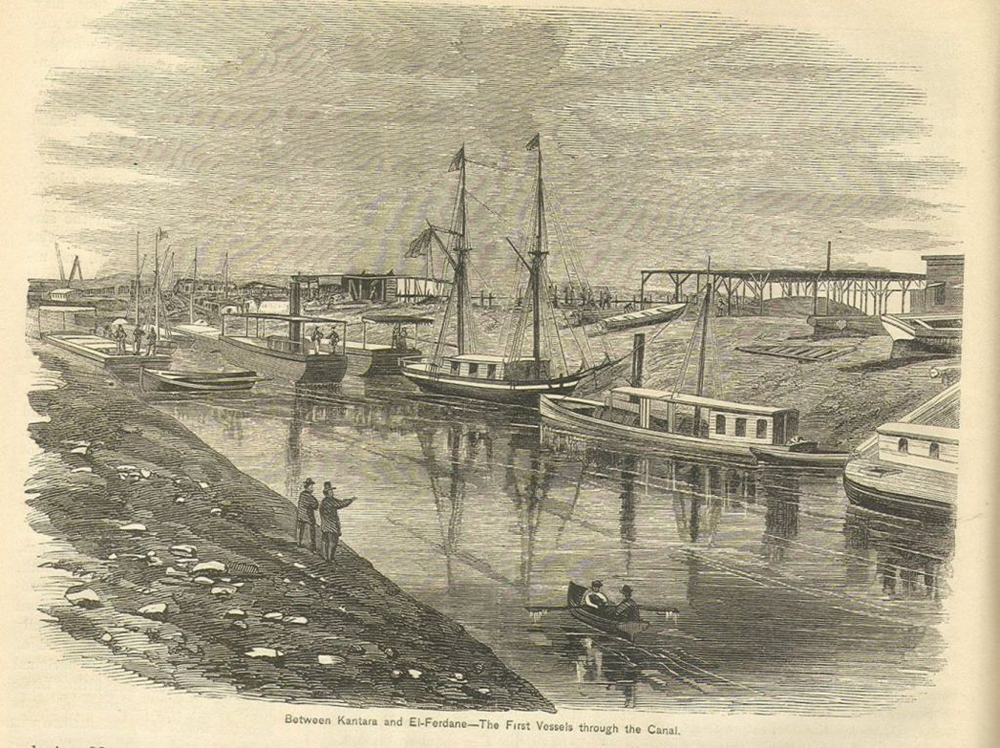
The opening of the Suez Canal connected the Philippines with Spain through a faster travel route, revolutionizing communication and trade between the two nations. This man-made waterway provided a shortcut for ships traveling between Europe and Asia, eliminating the need to sail around the southern tip of Africa. The canal's strategic location reduced the journey by thousands of kilometers, saving time and resources.
With the opening of the Suez Canal, ships could now travel between the Philippines and Spain in significantly less time, facilitating quicker exchange of goods, people, and information. This development boosted economic activities and cultural exchanges between the two nations, strengthening their relationship and paving the way for increased cooperation and interconnectedness.
The impact of the Suez Canal on global trade and communication was profound, as it became a vital route for maritime transportation, connecting the East and the West. The canal's completion marked a new era of globalization and closer ties between distant countries, opening up opportunities for development and progress.
Overall, the opening of the Suez Canal was a watershed moment that transformed the way nations interacted and conducted business. It played a crucial role in shaping the modern world and fostering connections between the Philippines and Spain. The canal's significance continues to be felt in the present day, as it remains a key artery for international trade and a symbol of human ingenuity.
#SuezCanal #PhilippinesSpainConnection #MaritimeHistory
View details1846
During the mid-19th century, in the Philippines, a milestone was achieved with the establishment of the first newspaper. La Esperanza, translating to 'The Hope', emerged as a crucial platform for the dissemination of information to the public. Prior to its inception, the locals struggled with limited access to news and current affairs. The newspaper alleviated this challenge by delivering a diversity of content, ranging from political updates to societal developments.
The launch of the newspaper marked a significant shift in communication dynamics within the Filipino community. It facilitated the spread of ideas, fostering a sense of awareness and unity among the populace. As readers engaged with the articles, editorials, and letters to the editor, discussions were sparked, leading to heightened civic participation and critical thinking. La Esperanza played a pivotal role in shaping public opinion and catalyzing intellectual discourse among residents.
The presence of the newspaper contributed to the growth of literacy rates among Filipinos. As individuals avidly consumed the printed materials, their reading skills improved, enabling them to navigate a world increasingly driven by information. The newspaper became an educational tool, offering insights into various subjects and promoting lifelong learning among the readers.
In essence, the establishment of the first newspaper in the Philippines laid the foundation for a vibrant media landscape that would evolve over time. It paved the way for the emergence of a free press, serving as a watchdog for democracy and a voice for the voiceless. The legacy of La Esperanza endures as a testament to the enduring power of journalism in shaping societies and empowering individuals.
#Philippines #FirstNewspaper #MediaRevolution #InformationDissemination.
View details1781
In Manila, the Real Sociedad Económica de los Amigos del País was established, making it one of the oldest economic organizations in the Philippines. This institution aimed to promote agricultural and industrial advancements, providing opportunities for economic growth and development in the region.
The society was founded by a group of enlightened individuals who recognized the importance of fostering economic progress in the Philippines. They sought to improve agricultural techniques, introduce new industries, and stimulate trade to boost the local economy. By organizing lectures, workshops, and exhibitions, the society aimed to educate the public and disseminate knowledge that would benefit the community as a whole.
The establishment of the Real Sociedad Económica de los Amigos del País had a lasting impact on the economic landscape of the Philippines. Through its initiatives, the society played a key role in promoting innovation, entrepreneurship, and skills development among the local population. It also served as a platform for exchanging ideas and best practices, fostering collaboration among like-minded individuals who shared a common goal of economic advancement.
Over the years, the society has evolved to address the changing needs of the Philippine economy. While its focus remains on promoting economic growth and development, it has adapted its programs to respond to emerging challenges and opportunities in the global market. By staying true to its founding principles of education, innovation, and collaboration, the Real Sociedad Económica de los Amigos del País continues to contribute to the economic prosperity of the Philippines.
#RealSociedadEconómica #PhilippinesEconomy #EconomicDevelopment #HistoricOrganization
View details1763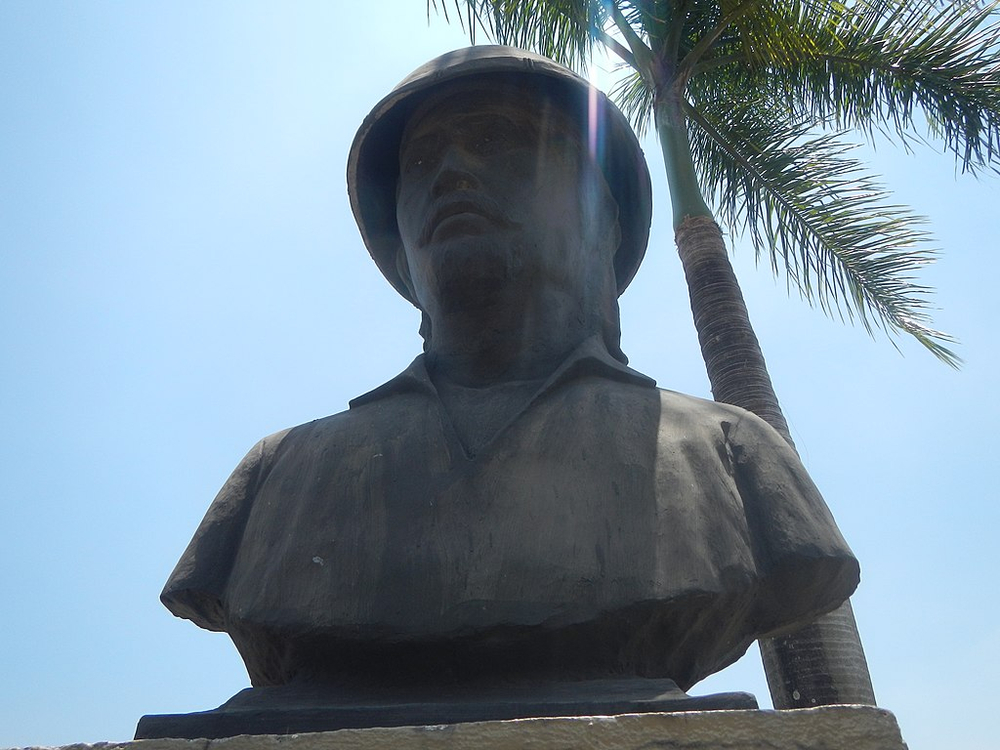
Diego Silang, a Filipino priest and revolutionary leader, played a crucial role in the fight for independence in the Philippines. His leadership and passion for his country inspired many to join the revolution against Spanish colonial rule. Silang's efforts led to the formation of a united front of Filipino rebels, challenging the oppressive regime.
The powerful influence of Silang posed a threat to the Spanish authorities, who saw him as a significant obstacle to their control over the region. In response, they captured and executed him, hoping to crush the spirit of resistance among the Filipino people. However, Silang's martyrdom only fueled the flames of independence, as his followers continued to fight in his honor.
The execution of Diego Silang marked a turning point in the Philippine struggle for independence. It symbolized the sacrifices made by brave individuals who dared to stand up against the colonizers, inspiring future generations to continue the fight for freedom. Silang's legacy lives on as a reminder of the enduring spirit of the Filipino people in their quest for self-determination.
The event serves as a testament to the resilience and courage of those who have fought for the sovereignty of the Philippines. It stands as a beacon of hope for a nation that has weathered centuries of foreign domination, yet continues to strive for autonomy and empowerment. Diego Silang's sacrifice continues to inspire a sense of national pride and determination among Filipinos as they work towards a future of true independence.
#PhilippineIndependence #RevolutionaryLeader #Martyrdom #ColonialResistance #NationalHero
View details1762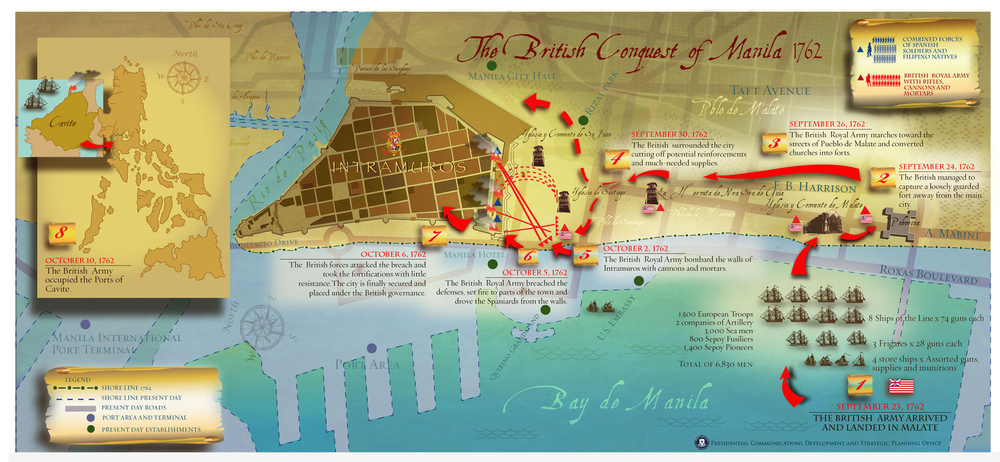
During the Seven Years' War, the British forces set their sights on the Spanish colony of Manila. The British occupation of Manila marked a significant turning point in the history of the Philippines. The British East India Company saw an opportunity to gain control over Manila, a bustling port city that was strategically located in the Pacific trade routes.
With a powerful fleet and skilled military forces, the British launched a successful invasion of Manila. The Spanish forces were overwhelmed, and Manila fell into British hands. The occupation lasted for a brief period before the Treaty of Paris was signed, returning Manila to Spanish control.
The impact of the British occupation of Manila was profound. The event highlighted the vulnerability of the Spanish colonial rule in the Philippines and exposed weaknesses in their defenses. The British occupation also disrupted the local economy and trade networks, causing instability and uncertainty among the residents of Manila.
The occupation left a lasting legacy on the people of Manila, as they experienced firsthand the effects of foreign intervention. The event served as a reminder of the ever-changing dynamics of global politics and the importance of military strength in maintaining control over territories.
#BritishOccupation #Manila #SevenYearsWar #Philippines #ColonialHistory
View details