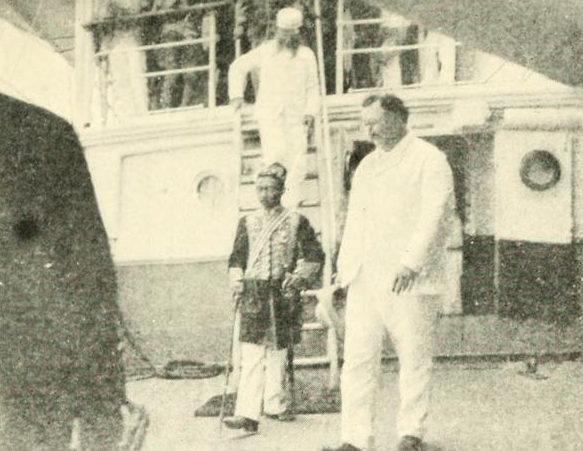
Establishment of Sulu Sultanate
Philippines

Political
Trade
4 min read
Updated By: History Editorial Network (HEN)
Published:
In the 14th century, the Sultanate of Sulu was established in the Sulu Archipelago, a region nestled between the Philippine and Celebes Seas. Founded by Sharif ul-Hashim, a Muslim scholar from Johor, the Sultanate of Sulu became a significant political and trade center in Southeast Asia.
The Sultanate of Sulu played a crucial role in trade networks between China, Southeast Asia, and the Middle East, particularly in the lucrative spice trade. The strategic location of the Sulu Archipelago allowed the Sultanate to prosper through maritime trade and piracy activities.
Under the leadership of subsequent sultans, the Sultanate of Sulu expanded its influence over neighboring islands and territories, establishing a domain that encompassed parts of present-day Philippines, Malaysia, and Indonesia. The Sultans of Sulu maintained diplomatic relations with various regional powers, including China and Brunei, solidifying their position as key players in the political landscape of Southeast Asia.
The establishment of the Sultanate of Sulu had a lasting impact on the cultural, political, and economic development of the region. The sultanate's administration was based on Islamic principles, fostering the spread of Islam in the Philippines and shaping the cultural identity of the local populations.
Despite facing challenges from Spanish and later American colonial powers, the Sultanate of Sulu maintained its sovereignty and cultural heritage throughout the centuries. Today, the descendants of the Sultans of Sulu continue to uphold their traditions and heritage, preserving the legacy of one of the oldest Muslim states in Southeast Asia.
#SultanateOfSulu #PhilippineHistory #IslamicHeritage #MaritimeTrade #CulturalLegacy

Explore the Life Moments of
 AI Twin