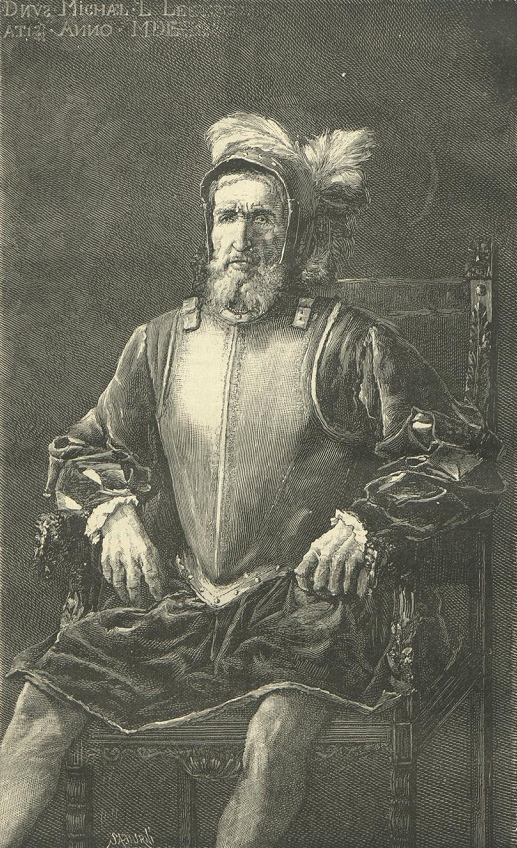
Establishment of Manila by Miguel Lopez de Legazpi
Philippines

Global Trade
Cultural Exchange
3 min read
Updated By: History Editorial Network (HEN)
Published:
Miguel Lopez de Legazpi led the founding of Manila, establishing it as the capital of the Spanish East Indies. The event marked the beginning of Spanish colonial rule in the Philippines, key to their expansion in the region. Manila's strategic location made it a vital hub for trade and communication within the Spanish Empire, linking Asia to America and Europe.
Legazpi's decision to establish the city was influenced by its natural harbor and proximity to other Asian territories. The founding of Manila allowed the Spanish to control trade routes, leading to economic growth and cultural exchange. The city quickly grew as a center of government, religion, and commerce for the archipelago.
The establishment of Manila brought about significant changes in the social and political landscape of the Philippines. Spanish influence shaped the local culture, introducing new customs, language, and religion. The city became a melting pot of different cultures, paving the way for a diverse society.
The founding of Manila by Miguel Lopez de Legazpi was a pivotal moment in Philippine history, marking the beginning of over three centuries of Spanish colonial rule. The impact of this event can still be felt today, as Manila continues to be a bustling metropolis and the capital of the Philippines.
#Manila #SpanishColonization #CulturalExchange #TradeHub

Explore the Life Moments of
 AI Twin