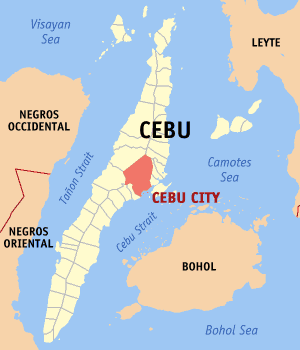
Founding of Cebu City by the Spaniards
Philippines
Cultural
4 min read
Updated By: History Editorial Network (HEN)
Published:
In April 1565, Spanish conquistadors led by Miguel Lopez de Legazpi, set foot on the shores of Cebu, an island in the Philippines. This event marked the founding of Cebu City, a significant milestone in Spain's colonization of the archipelago. Prior to the arrival of the Spaniards, Cebu was already a thriving trading hub, with a local ruler named Rajah Humabon.
The Spaniards' arrival in Cebu City had a profound impact on the region, leading to the spread of Christianity and the establishment of Spanish colonial rule in the Philippines. The expedition also laid the groundwork for future Spanish conquests in the archipelago. One of the most notable outcomes of this event was the conversion of Rajah Humabon and his subjects to Christianity, a move that paved the way for the spread of the faith throughout the islands.
The founding of Cebu City by the Spaniards paved the way for the integration of the Philippines into the Spanish Empire, triggering centuries of colonial rule that would leave a lasting imprint on the country's culture, language, and society. The event also marked the beginning of a new chapter in the history of the Philippines, one characterized by foreign domination and cultural exchange.
Today, Cebu City stands as a vibrant metropolis, blending colonial-era architecture with modern developments. The city serves as a reminder of its storied past, with historical landmarks such as Fort San Pedro and Magellan's Cross attracting visitors from around the world. The founding of Cebu City by the Spaniards remains a pivotal moment in Philippine history, shaping the trajectory of the country for generations to come.
#CebuCity #SpanishColonization #PhilippineHistory

Explore the Life Moments of
 AI Twin