Crisis escalation in Small European Country
Luxembourg

European Geopolitics
5 min read
Updated By: History Editorial Network (HEN)
Published:
The Luxembourg Crisis emerged from the broader context of European power dynamics in the 19th century. Luxembourg, a small but strategically significant country, was at the heart of mounting tensions between France and Prussia. At the time, Luxembourg was part of the German Confederation, which had been established after the Napoleonic Wars to manage Central Europe’s complex political landscape.
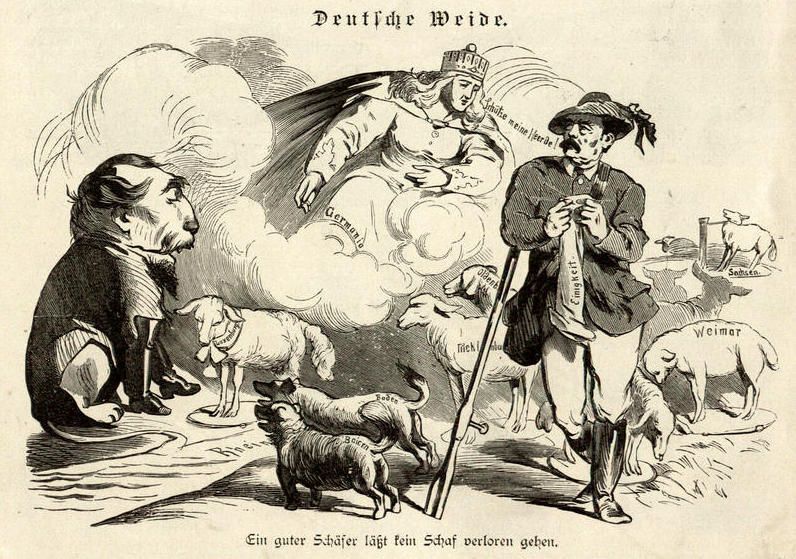
The crisis began when France expressed interest in purchasing Luxembourg from the Netherlands, which held sovereignty over the region. The proposition was particularly alarming to Prussia, which viewed the acquisition as a direct threat to its own security and influence. At the time, Luxembourg housed a significant Prussian garrison, highlighting its military importance.
The situation escalated when Prussian Chancellor Otto von Bismarck refused to back down. France, under Emperor Napoleon III, was equally unyielding, seeking to extend its power in the face of a rapidly industrializing and militarizing Prussia. Diplomatic exchanges between the two nations grew increasingly heated, raising the specter of war.
To alleviate the escalating crisis, the major European powers convened a conference in London. The resulting Treaty of London served as a diplomatic resolution to the conflict. One of the treaty’s key terms was the neutralization of Luxembourg. This meant that Luxembourg would remain a sovereign entity, free from foreign military presence, and its fortifications would be dismantled. Additionally, the Netherlands would retain control over the Grand Duchy, while Prussia agreed to withdraw its garrison.
The resolution of the Luxembourg Crisis had a lasting impact on European politics. It temporarily diffused tensions between France and Prussia, delaying the outbreak of conflict. However, this did not quell the broader competition between the two powers, which would eventually culminate in the Franco-Prussian War. The neutralization of Luxembourg also contributed to the country’s eventual emergence as a fully independent state free from the influence of larger neighboring powers.
The crisis underscored the fragile balance of power in Europe and illustrated how smaller states could become focal points of broader geopolitical struggles.
#MoofLife #EuropeanHistory #Luxembourg #Geopolitics #Diplomacy #TreatyOfLondon #NeutralNation
Primary Reference
Luxembourg Crisis - Wikipedia

Explore the Life Moments of
 AI Twin