Key Takeaways from the 2018 General Elections
Luxembourg
Political
European Politics
5 min read
Updated By: History Editorial Network (HEN)
Published:
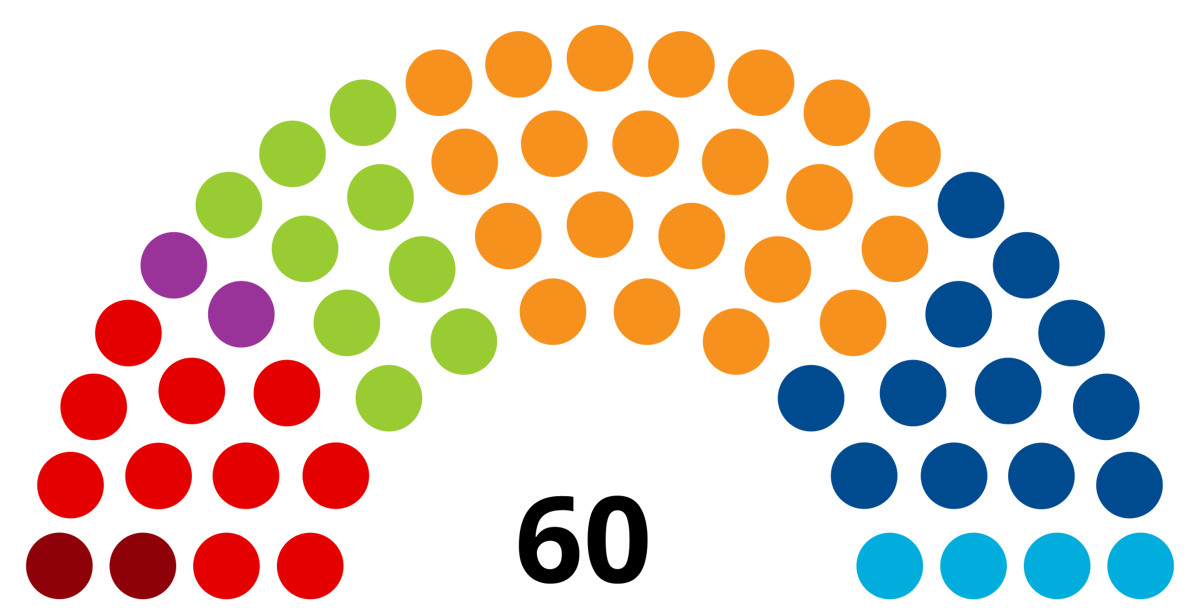
The 2018 General Elections in Luxembourg were a pivotal event, reflecting the nation's democratic maturity and evolving political landscape. This electoral process determined the composition of the Chamber of Deputies, the unicameral national legislature, with 60 seats contested.
The incumbent coalition, formed by the Democratic Party (DP), the Luxembourg Socialist Workers' Party (LSAP), and The Greens (déi gréng), sought to retain their governing status. Their tenure had introduced various policies aimed at progressive social reforms and economic stability. The leading opposition, the Christian Social People's Party (CSV), hoped to reclaim dominance, having been a longtime influential political force in Luxembourg's history.
Economically, Luxembourg's robust financial sector continued to be a central campaign issue, alongside education, housing affordability, and national identity amidst growing multiculturalism. Voter turnout demonstrated strong civic engagement, aligning with Luxembourg's tradition of active political participation.
The results were as follows: the DP secured 12 seats, LSAP obtained 10 seats, and The Greens garnered 9 seats. Together, the coalition managed to achieve a combined strength of 31 seats, allowing them to continue their joint governance. On the other hand, the CSV emerged as the largest single party with 21 seats but fell short of forming a majority.
This election underscored the electorate's preference for continuity in governance, favoring parties that balanced social welfare initiatives with economic prudence. The coalition's success signified public approval of their previous term’s performance. It also highlighted Luxembourg's political stability within the broader European context.
Notably, the election maintained the country's reputation for political diversity and coalition governments. The dynamics of power-sharing and multiparty collaboration were emblematic of Luxembourg's democratic model.
This moment reaffirmed Luxembourg's commitment to participatory democracy and set the stage for subsequent policy developments in areas affecting both residents and the European Union at large. The overall peaceful and orderly conduct of the election reinforced the nation’s democratic values.
#LuxembourgElections #DemocracyInAction #EuroPolitics #MoofLife
Primary Reference
Elections in 2018 | OSCE

Explore the Life Moments of
 AI Twin