
Luxembourg

The Gibraltar of the North
Related Lives

Art movement
A Journey Through Visual History

Turkey
The Land of Singing Trees

Angola
Land of contrasts, from bustling cities to breathtaking landscapes.

Roman Republic
Res Publica Romana

Italy
The Land of Art and Romance
Denmark
The Land of Hygge

Comoros
A Blend of Cultures, Natural Beauty, and Challenges

Norway
Land of Fjords and Northern Lights

1795
In the late 18th century, the region of Luxembourg experienced a significant political shift. The territory, situated at the crossroads of Europe, found itself under the control of the French Republic. This transition was a consequence of the ongoing French Revolutionary Wars, which saw the expansionist policies of the French Republic come into direct conflict with multiple European states.
Luxembourg, then part of the Holy Roman Empire, was an attractive region due to its strategic location and fortifications. The French army, driven by the revolutionary zeal to spread their ideals beyond France’s borders, viewed Luxembourg as a crucial asset. Following a series of military campaigns, French forces exerted dominance over Luxembourg. This led to the formal integration of the territory into the French Republic.
The annexation marked a distinct transformation in administrative and social structures. The French introduced a centralized administrative system, replacing the feudal systems that had long been in place. This change brought about standardization in taxation, legal frameworks, and public administration, aligning Luxembourg’s governance with that of the broader French Republic.
Economic changes were also profound. The introduction of the franc as the monetary unit replaced the former currency, linking Luxembourg’s economy more directly with that of France. Infrastructure improvements, such as road building and enhancement of communication networks, facilitated more efficient governance and integration with French markets.
Socially, the annexation had mixed impacts. While some local elites found opportunities in the new administration, many residents experienced the heavy burden of conscription and the cultural shift imposed by French authorities. The church, a powerful institution in Luxembourg, faced significant curtailment under the secularist policies of the French Republic.
The integration of Luxembourg into the French Republic was a moment of considerable change that left an indelible mark on the region. By becoming part of the French administrative system and economy, Luxembourg experienced both modernizing influences and significant challenges. These transformations set the stage for future political developments in the region.
#MoofLife #LuxembourgHistory #FrenchRepublic #PoliticalChange #RevolutionaryWars #EuropeanHistory
View details1782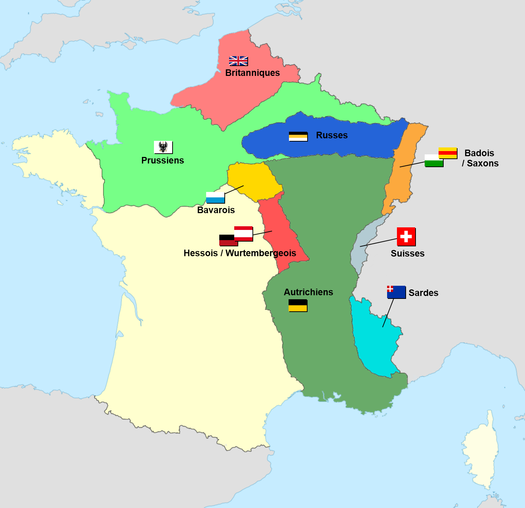
The Treaty of Paris played a pivotal role in shaping modern European borders. This historic accord solidified Luxembourg's status under the rule of William I of the Netherlands. Prior to this agreement, Luxembourg had experienced shifting allegiances and control. The Napoleonic Wars had left much of Europe in a state of flux, with many territories being handed over and reallocated.
Through the Treaty of Paris, the Grand Duchy of Luxembourg was officially designated as a possession of William I. This move was part of a broader effort to balance power in Europe and curb French expansionist ambitions. It ensured that Luxembourg would be a member of the German Confederation, providing a strategic buffer state.
Luxembourg's status as a Grand Duchy under William I brought about significant administrative changes. As part of the Kingdom of the Netherlands, Luxembourg benefited from the establishment of a constitutional monarchy. The new governance structure promised improved regulation and more centralized control, which were critical for stability in post-Napoleonic Europe.
From an economic perspective, the Treaty of Paris had a substantial impact on Luxembourg. The integration into the Netherlands opened up new trade opportunities and economic policies, primarily focusing on rebuilding and modernizing the region. Military fortifications were also strategically important, given Luxembourg's location.
The implications of this territorial realignment extended beyond borders. It reflected the Concert of Europe's broader strategy to maintain a balance of power. The settlement aimed to prevent any single nation from dominating the continent, an outcome that European leaders were keen to avoid after years of conflict.
In summary, the Treaty of Paris marked a crucial juncture for Luxembourg, embedding it within the Netherlands' sphere of influence and the German Confederation. This realignment influenced administrative practices, economic conditions, and strategic positioning, underscoring the importance of diplomatic negotiations in maintaining European stability.
#MoofLife #Luxembourg #EuropeanHistory #TreatyOfParis #WilliamIoftheNetherlands #GermanConfederation
View details1712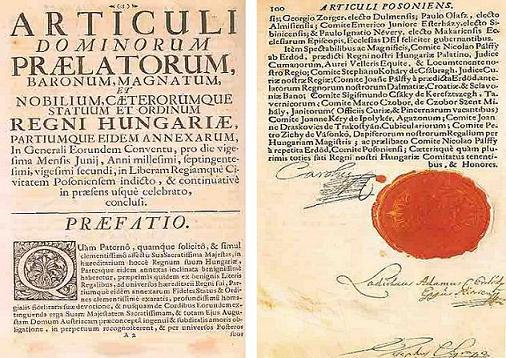
The Treaty of the Pragmatic Sanction recognized the Habsburg Monarchy's claim to Luxembourg, solidifying its control over the territory. This development has its roots in the complex European political landscape marked by territorial disputes and dynastic struggles. The Habsburg Monarchy, seeking to ensure the stability and integrity of its diverse holdings, issued the Pragmatic Sanction to guarantee an indivisible inheritance across its realms.
Prior to this recognition, Luxembourg's political allegiance had been a point of contention among European powers. The Habsburgs, having established a significant presence in Central Europe, aimed to secure their territories against potential claims by other dynasties. The Pragmatic Sanction aimed to create a legal framework to ensure all Habsburg territories, including Luxembourg, would be inherited in their entirety by future heirs, thereby preventing fragmentation.
The treaty's recognition had far-reaching implications for the balance of power in Europe. It resulted in Luxembourg becoming firmly integrated into the Habsburg domains, strengthening their influence in the region. This also reduced the likelihood of disputes over Luxembourg, contributing to a more stable political climate in this part of Europe.
The political landscape of Europe was characterized by frequent wars and shifting alliances. By securing Luxembourg, the Habsburg Monarchy not only bolstered its strategic position but also sent a clear message to other European powers about the legitimacy of its claims. This move was part of a broader effort by the Habsburgs to consolidate their territories and address the challenges posed by potential inheritance disputes.
Furthermore, the economic and administrative integration of Luxembourg into the Habsburg Monarchy had significant effects on the region. Under Habsburg administration, Luxembourg saw infrastructural developments and more systematic governance, aligning it more closely with other Habsburg territories.
The formal recognition of Luxembourg as part of the Habsburg Monarchy was a calculated step to ensure the continuity and stability of their rule. It exemplified the intricate balancing of power and legal maneuvering that characterized European dynastic politics during this period.
#Luxembourg #Habsburg #EuropeanHistory #Diplomacy #PoliticalStability #MoofLife
View details1697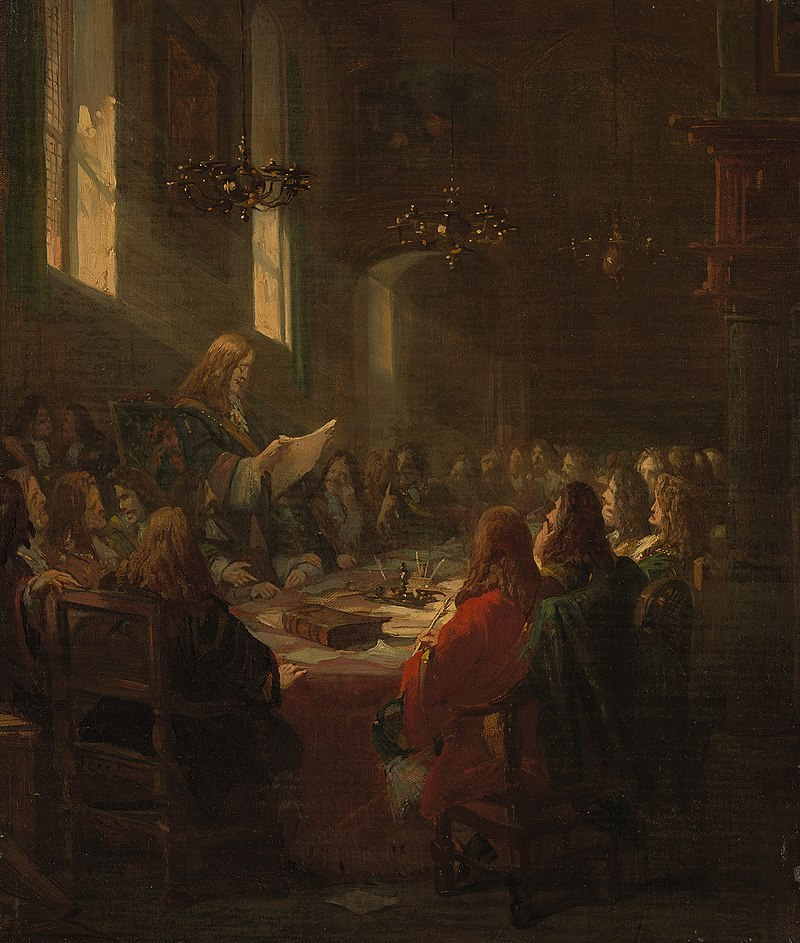
The Treaty of Ryswick concluded the Nine Years' War, a conflict involving major European powers. This agreement was signed at the palace of Ryswick in the Dutch Republic. The war, also known as the War of the Grand Alliance, pitted France against a coalition that included England, Spain, the Holy Roman Empire, and the Dutch Republic.
The roots of the conflict lay in the aggressive expansionist policies of Louis XIV of France. France sought to extend its borders and diminish the influence of other European powers. The coalition formed to counteract these moves and restore the balance of power. Battles stretched across Europe, including campaigns in the Rhineland, the Spanish Netherlands, and Catalonia, as well as naval engagements in the Atlantic and the Mediterranean.
The treaty consisted of several agreements between France and its adversaries. France relinquished territorial gains made during the war, including parts of the Holy Roman Empire, to maintain the pre-war territorial boundaries. Particularly noteworthy, France recognized William III as the legitimate King of England, thereby rejecting the claims of James II, a move that stabilized the English throne.
The implications of the Treaty of Ryswick were far-reaching. It brought temporary peace and order to a war-ravaged Europe, halting a decade of relentless warfare. The treaty had specific consequences for Luxembourg, which had been a significant strategic point during the conflict. The agreement reaffirmed the territorial status quo, preventing any French claims over the region.
The war had led to substantial military expenditures and human casualties. For example, estimates suggest that hundreds of thousands of soldiers and civilians were directly affected by the conflict, leading to economic strains in multiple nations. Peace allowed for the recommencement of trade and reconstruction efforts, though tensions underlying European politics remained unresolved.
By concluding the Treaty of Ryswick, the involved nations aimed to create stability and prevent further escalation. However, the balance of power in Europe remained delicate, leading to future conflicts.
#MoofLife #NineYearsWar #TreatyOfRyswick #BalanceOfPower #HistoricalEvent #EuropeanHistory #Luxembourg
View details1683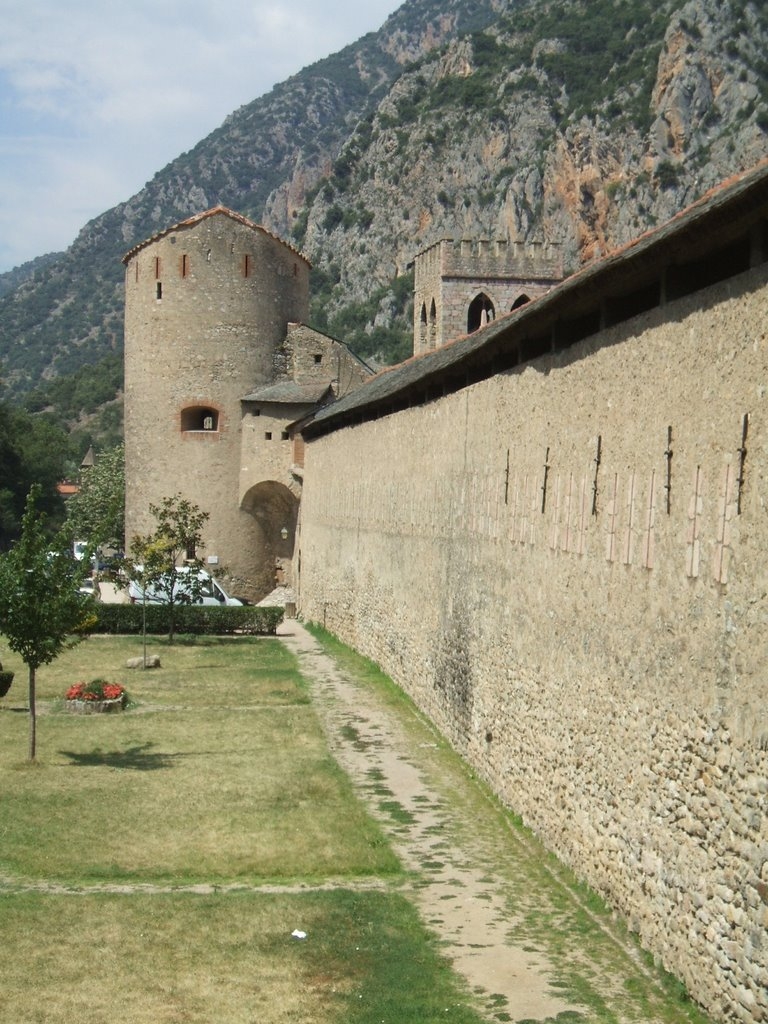
Luxembourg City, a strategic location in the heart of Europe, saw a pivotal development when military engineer Sébastien Le Prestre de Vauban undertook the task of constructing its fortifications. Vauban, a prominent military engineer serving under the leadership of King Louis XIV of France, recognized the city's vital geographic and political significance. He aimed to enhance its defenses by applying his advanced engineering techniques.
The project centered around constructing fortifications that would withstand various forms of assault, incorporating elements such as bastions, curtain walls, and advanced defensive outworks. Vauban's approach emphasized the importance of both offensive and defensive capabilities, intending to create a fortress that could repel invaders and serve as a formidable stronghold for France.
Vauban's methods were systematic. He began with a thorough survey of the city's terrain and current defensive structures. His plans included the reinforcement of existing walls and the addition of new fortifications, encompassing star-shaped bastions designed to maximize defensive coverage and minimize blind spots. The use of angular bastions allowed defenders to cover multiple angles of attack, an innovative tactic at the time.
The fortifications significantly impacted Luxembourg City's military strategy, making it one of the most fortified places in Europe. It became a centerpiece in a network of strongholds that France relied upon for maintaining control and influence in the region. As a result, it also attracted various powers over subsequent years, each recognizing the strategic value of these fortifications.
Although Vauban's construction techniques were rooted in the military theories of the time, his work in Luxembourg City also had long-standing implications for urban development. The fortified structures influenced the city's expansion and infrastructural planning. The areas surrounding the fortifications saw growth as new neighborhoods developed in alignment with the military outposts.
Statistics reveal that over the years, these fortifications witnessed significant military activity and were the site of various sieges. They played crucial roles in numerous military campaigns, bearing testament to Vauban's foresight and engineering prowess.
Today, the Vauban fortifications in Luxembourg City stand as a reminder of military strategy and engineering ingenuity. They are celebrated as a part of the city's rich historical heritage and attract numerous visitors interested in military history and architectural advancements.
#MoofLife #Luxembourg #Vauban #MilitaryEngineering #Fortifications #UrbanDevelopment
View details1678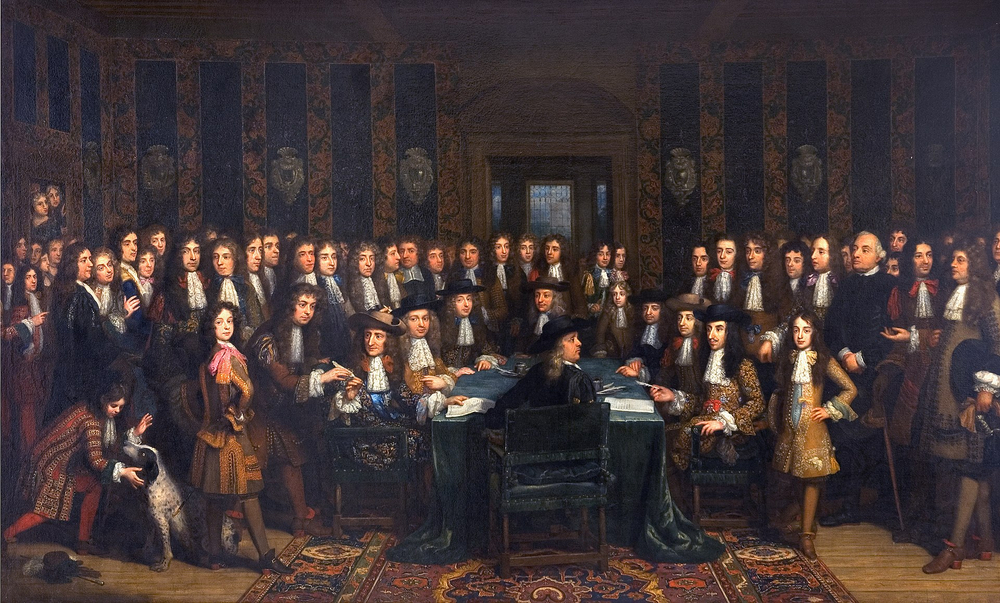
The Treaty of Nijmegen concluded the conflict known as the Franco-Dutch War, a pivotal series of wars in European history. The treaty negotiations involved several European powers, notably France and the Dutch Republic. Tensions leading up to this treaty stemmed from Louis XIV's expansionist policy. With the signing of this treaty, France secured control over various territories, including important parts of Luxembourg.
The background of the treaty is rooted in the complex web of alliances and rivalries among European powers. France aimed to expand its influence, while the Dutch sought to protect their commercial interests. Several battles, campaigns, and negotiations characterized the Franco-Dutch War. At its peak, the conflict saw numerous regions embroiled in fighting, adversely affecting the economies and societies involved.
The Treaty of Nijmegen marked the end of hostilities and redefined territorial control. France emerged with substantial gains, consolidating its position as a dominant military power in Europe. The territories obtained by France included key segments of Luxembourg, strategically important for its fortresses and geographical location.
The shifts in power balance resulting from the treaty had far-reaching impacts on European geopolitics. Economically, the recognized control over Luxembourg and other regions allowed France to fortify its borders and enhance its trade routes, contributing to its national strength. Politically, the treaties that came out of Nijmegen recalibrated alliances, often leading to a temporary balance of power.
Diplomats and rulers involved in the negotiations worked towards an agreement that would bring stability, albeit briefly, to a war-torn Europe. The Treaty of Nijmegen serves as a clear instance of the intricate interplay between war, diplomacy, and territorial re-alignments. It underscored the significance of military prowess combined with diplomatic negotiations to secure long-term national interests.
In essence, the Treaty of Nijmegen not only ended a protracted conflict but also set a precedent for resolving disputes through negotiation, influencing future treaties and shaping the political landscape of Europe.
#FrancoDutchWar #TreatyOfNijmegen #EuropeanHistory #Luxembourg #Diplomacy #TerritorialChange #MoofLife
View details1659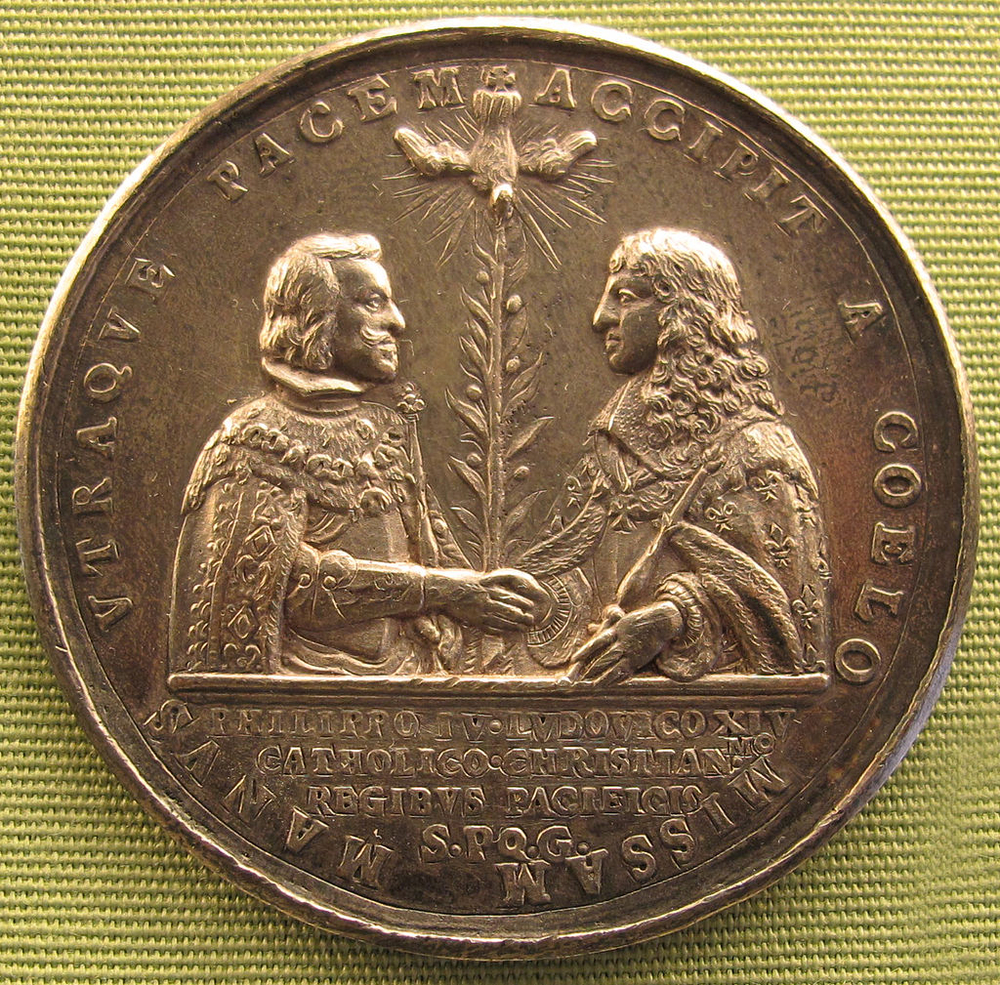
The Peace of the Pyrenees marked the end of one of the most extended and devastating conflicts in European history. This agreement concluded both the Eighty Years' War and the Thirty Years' War, which had seen vast regions of the continent plunged into turmoil. France and Spain, two dominant powers of the era, had engaged in prolonged and costly battles that left much of Europe weary and economically strained. The signing of this treaty was a pivotal resolution, with consequences that reverberated across the continent.
Prior to the Peace of the Pyrenees, Europe had experienced significant instability. The Thirty Years' War alone involved a patchwork of alliances and a series of relentless battles. The Eighty Years' War, essentially an extended struggle for independence by the Dutch provinces against Spanish rule, compounded the chaos. The combined impact of these conflicts led to widespread societal rupture and loss. The Treaty of Westphalia had previously attempted to address some of the hostilities, but the tension between France and Spain persisted, necessitating further diplomatic intervention.
Negotiations for peace were extensive and involved numerous concessions. The French and Spanish representatives arduously negotiated terms that would be acceptable to both sides. Crucially, the treaty realigned borders and sovereignty over key regions. Luxembourg, a significant territory, experienced changes in governance as a result of these discussions. The region’s strategic importance made it a focal point of the negotiations. The agreement stipulated transfers of various fortresses and lands to ensure a balance of power.
The signing of the Peace of the Pyrenees had profound impacts. It solidified France as a preeminent power in Europe, while Spain commenced a gradual decline in influence. The cessation of hostilities allowed for economic recuperation and stabilization across numerous beleaguered territories. The resolution also paved the way for future diplomatic frameworks, highlighting the importance of dialogue over warfare.
This event underscored the gradual shift towards more sophisticated diplomatic relations in Europe, influencing the political landscape for generations to come. The ramifications for Luxembourg were notable, as its position and governance would play a continuing role in regional politics.
#MoofLife #PeaceOfPyrenees #EightyYearsWar #ThirtyYearsWar #France #Spain #Diplomacy #Luxembourg #HistoricalTreaty
View details1568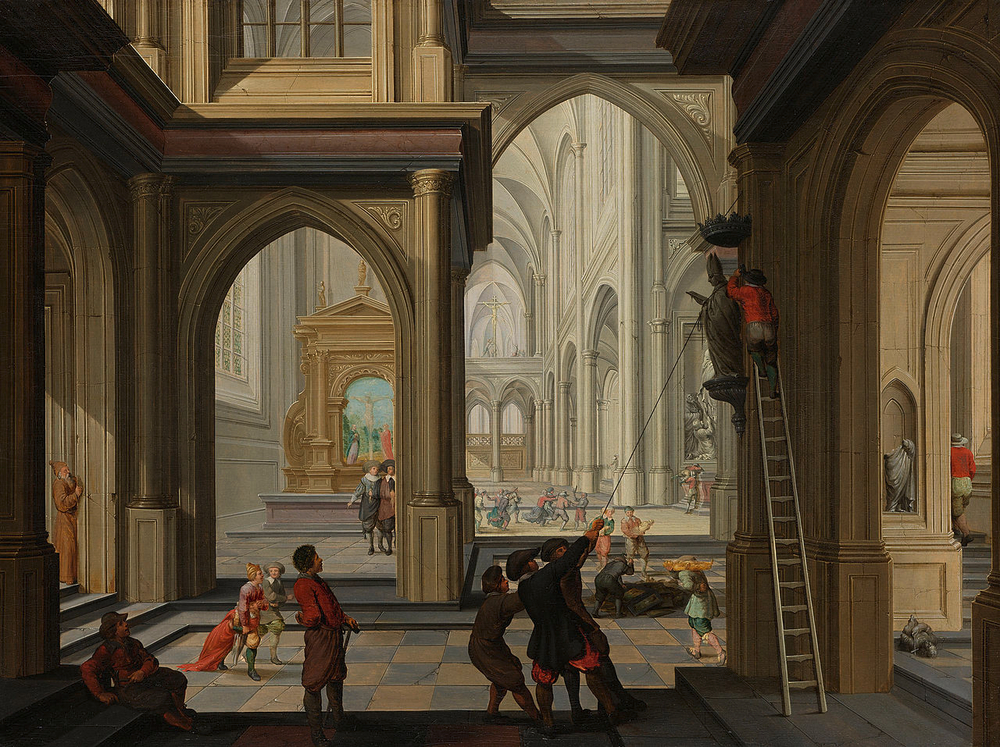
The Dutch Revolt, part of the Eighty Years' War between the Seventeen Provinces and the Spanish Crown, significantly impacted Luxembourg. The rebellion was triggered by religious, political, and economic issues. Key causes included opposition to heavy taxation and the suppression of Protestantism by the Catholic Spanish monarch, Philip II.
Luxembourg, part of the Spanish Netherlands, found itself strategically important due to its location. The revolt heightened tensions and disrupted trade routes passing through Luxembourg. Amidst religious persecution, Protestantism started to take root, challenging the Catholic stronghold in the region. This change led to increased conflict and unrest, with various factions vying for influence.
The political landscape in Luxembourg changed as local leaders were forced to navigate between loyalty to the Spanish crown and the growing influence of the Protestant movement. The region also witnessed escalating violence and repression. The Spanish forces employed brutal tactics to quell the rebellion, leading to economic difficulties and population displacement.
The revolt had long-term implications for Luxembourg. The conflict weakened Spanish control, laying the foundation for future political changes. Luxembourg's economy suffered due to disrupted trade and warfare. At the same time, the struggle ignited a sense of regional identity among Luxembourgers, influencing their future resistance efforts.
#MoofLife #DutchRevolt #EightYearsWar #LuxembourgConflict #EconomicImpact #ReligiousTurmoil #PoliticalChanges
View details1543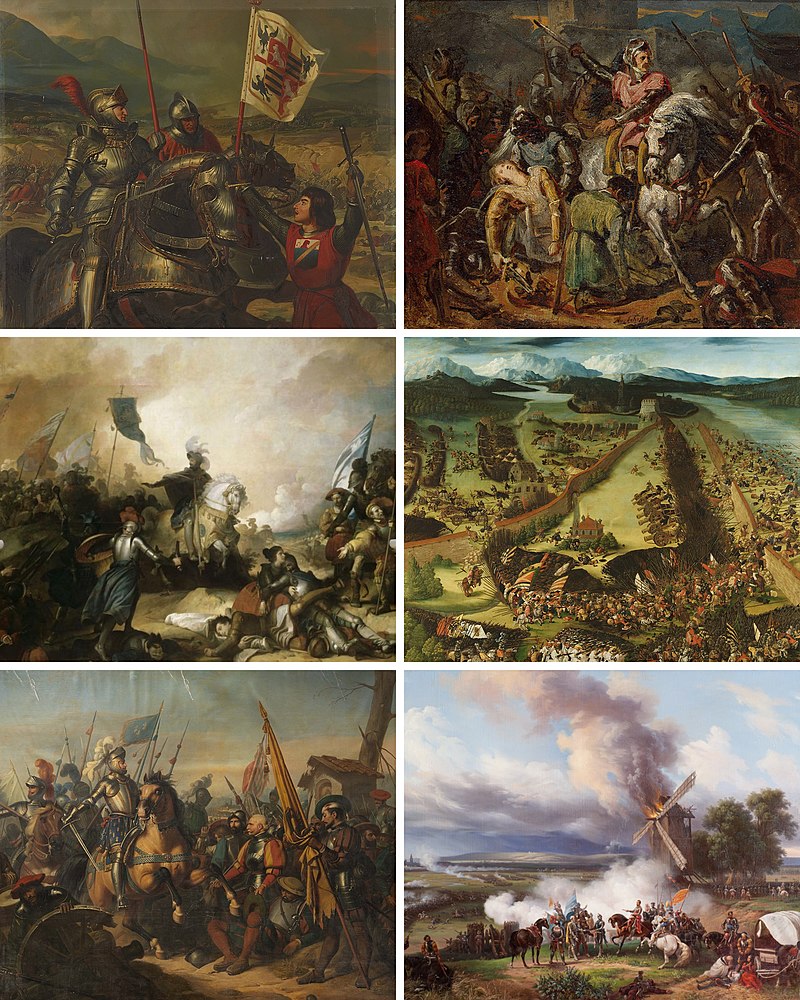
During the Italian Wars, Spanish troops under the command of Holy Roman Emperor Charles V successfully occupied Luxembourg City. This military maneuver was part of a broader conflict involving major European powers like France, the Holy Roman Empire, and Spain. The emperor’s forces sought to advance their influence in the region and curtail French power in Europe.
Luxembourg City, a strategically significant fortress, became a focal point due to its defensible position and political importance. The conflict sprang from territorial disputes and political alliances that characterized the era, with the Spanish forces exploiting weaknesses in French defenses.
The occupation of Luxembourg City had several immediate impacts. Strategically, it allowed Charles V to secure an essential military foothold in the region, consolidating his power and offering a base for future campaigns. Economically, the occupation disrupted local trade and administration, imposing Spanish control over significant resources and logistical networks. The presence of Spanish troops also caused anxiety among the local population, altering daily life and causing political unrest.
Statistically, the Spanish forces consisting of several thousand soldiers, exhibited superior tactics and coordination, overpowering a modestly defended city. Their occupation not only symbolized a tactical victory but also demonstrated the broader geopolitical shifts occurring in Europe during the Italian Wars. The power dynamics between France and the Holy Roman Empire saw a tangible shift, emphasizing the importance of military strength in securing political influence.
In conclusion, the occupation by Spanish troops marked a critical juncture in the Italian Wars, emphasizing the volatile nature of European territorial and political landscapes. It demonstrated the measures taken by powers like the Holy Roman Empire to secure strategic locations and influence regional dominance.
#MoofLife #ItalianWars #Luxembourg #SpanishTroops
View details1477
Mary of Burgundy, heiress to a vast and prosperous realm, saw her fortunes tied to a strategic political alliance through her marriage to Maximilian I of Habsburg, Archduke of Austria. This union was more than a matrimonial arrangement; it cemented the absorption of the Duchy of Luxembourg into the powerful sphere of the House of Habsburg. With her father, Charles the Bold, Duke of Burgundy, falling in battle, the complex inheritance that Mary faced unraveled a chain of events crucial for European power dynamics.
The Duchy of Luxembourg, with its strategic location in the heart of Europe, became a prized asset for the Habsburg dynasty. It not only bolstered their influence but also expanded territorial control. The Habsburgs, known for their marriage policies that often extended their reach, now held a significant stronghold that bridged their Austrian lands with the Burgundian Netherlands.
Prior to the inheritance, Luxembourg had been a duchy under the rule of the Duchy of Burgundy. The region's integration into Habsburg hands marked the consolidation of territories that were key to European trade routes and political strategies, enhancing Habsburg dominance for centuries to come. This inheritance symbolized a shift in power where regional dukedoms and principalities were subsumed under larger, more centralized authorities.
The long-term impact of this event significantly shaped the geopolitical landscape of Europe. Control over Luxembourg allowed the Habsburgs to exert pressure and influence over surrounding regions, contributing to the rise of the Habsburg Monarchy and its ascendancy in European politics. Consequently, successive conflicts and power struggles often had Luxembourg at their center, reflecting its importance.
In historical context, this transition illustrates the efficiency of dynastic marriages in altering the political map of Europe. Luxembourg's role in subsequent Habsburg strategies underscored the blend of military might and diplomatic acumen that defined Habsburg rule. The region's integration marked a pivotal phase in the expansion policies adopted by the Habsburgs, whose empire would eventually become one of the most formidable in European history.
#DuchyOfLuxembourg #HabsburgInheritance #EuropeanHistory #HistoricalPolitics #MoofLife
View details1443
The House of Luxembourg's control over the Duchy of Luxembourg ended during a conflict initiated by Duke Philip the Good of Burgundy. The House of Luxembourg, which had once held considerable power and prestige, faced various internal and external challenges. Financial strains and political instability had weakened their hold over the duchy, setting the stage for their loss of control.
Duke Philip, seeking to expand his territories and assert influence over the region, launched a military campaign against the Duchy of Luxembourg. His well-organized and formidable Burgundian forces managed to swiftly overpower the defenders of Luxembourg. The military superiority and strategic acumen of Philip's troops led to the capture of key fortifications, including the city of Luxembourg, which was the duchy's administrative and economic center.
The fall of Luxembourg to Burgundian forces marked a significant shift in the balance of power in the region. With the annexation of Luxembourg, Philip the Good further solidified his control over the Low Countries, expanding Burgundian influence and setting the stage for future political and economic developments under Burgundian rule. The local nobility and population were now subject to Burgundian administration, which instituted new governance practices and integrated Luxembourg into their broader network of territories.
This event had lasting repercussions for the House of Luxembourg. It marked the decline of their political influence and heralded a period of Burgundian dominance in the region. The absorption of Luxembourg into the Burgundian realm contributed to the intricate tapestry of European political alliances and conflicts during this era.
#MoofLife #HouseofLuxembourg #DuchyofLuxembourg #BurgundianExpansion #EuropeanHistory #PoliticalChange
View details1430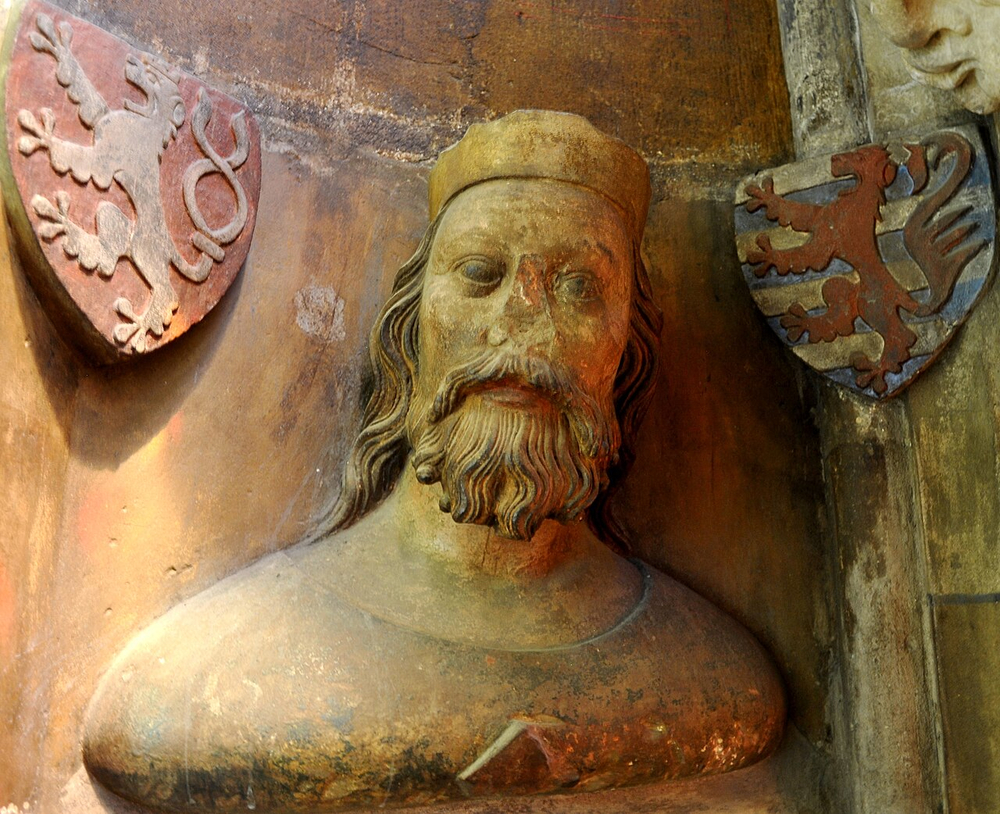
John the Blind, the King of Bohemia and Count of Luxembourg, established the Order of the Golden Fleece to foster unity and mutual protection among the nobles of his vast territories. His earlier involvement in the Hundred Years' War and various European conflicts underscored the necessity of consolidation among his allies. Despite losing his eyesight, John played an influential role in European politics, emphasizing valour and loyalty.
The Order of the Golden Fleece became an emblem of chivalric values and political allegiance, inspired by the legend of the Argonauts. John aimed to create an elite order that not only represented the grandeur and nobility of his reign but also solidified a network of support among his vassals. The founding gathered influential knights and lords, solidifying John's vision of a unified front grounded in shared ideals.
Membership to the Order was highly coveted, symbolizing prestige and honour. It established a code of conduct that guided interactions among nobles, promoting justice and bravery. The Order's symbolic ceremonies and statutes imbued a sense of tradition and responsibility, reinforcing John's enduring influence despite his blindness.
The Order's impact extended beyond the immediate political landscape of Luxembourg. It influenced similar orders in later European history, setting a precedent for chivalric orders that combined political strategy with noble ideals. The Order fostered a sense of camaraderie that transcended mere political alliances, embedding a cultural and moral framework among its members.
John's initiative with the Order of the Golden Fleece redefined knightly conduct and noble alliances. It left an enduring legacy that highlighted the role of chivalric orders in medieval European politics, reinforcing values of unity and loyalty.
#LuxembourgHistory #Chivalry #NobleOrder #MedievalEurope #PoliticalStrategy #MoofLife
View details1375
The Treaty of Bruges marked the transition of the Duchy of Luxembourg into the hands of the House of Valois. This occurred when Wenceslaus I of Bohemia, the then Duke of Luxembourg, faced significant financial issues. At this time, regional powers were vying for control over strategic territories in Europe.
Charles V of France, head of the House of Valois, saw an opportunity in Luxembourg's financial distress. The negotiation process culminated in the Treaty of Bruges, wherein Charles V effectively gained possession of the Duchy. This maneuver strengthened the Valois influence in Northern Europe and increased their territorial holdings.
The House of Valois was an influential royal house, significantly shaping European politics. Their acquisition of Luxembourg not only bolstered their power but also shifted regional alliances and rivalries. The agreement added to the already expansive influence of the French crown, effectively reducing Bohemian control in the region.
This transfer impacted the local governance and daily life within Luxembourg. The transition meant adherence to new laws and possible changes in the administrative structure under Valois rule. It also affected trade routes and economic dynamics, given Luxembourg’s strategic position in Europe.
In broader terms, this event was part of the ongoing struggles and negotiations between European powers to control key territories. The Treaty of Bruges is an example of how economic distress and strategic diplomacy can alter the political landscape.
#TreatyOfBruges #Luxembourg #HouseOfValois #MedievalEurope #PoliticalDiplomacy #FeudalEurope #MoofLife
View details1346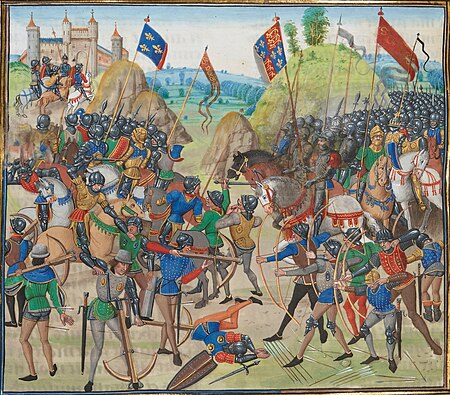
John the Blind, King of Bohemia and Count of Luxembourg, met his end during the Battle of Crécy, a key event in the Hundred Years' War between England and France. Having ascended to the Bohemian throne and holding the title of Count of Luxembourg, John's rule was marked by alliances and territorial disputes. Despite his blindness, which had worsened over the years, King John was resolved to join the battlefield.
At Crécy, the Anglo-French confrontation was intense, with English longbowmen playing a pivotal role. John, despite his impairment, chose to fight alongside the French forces under King Philip VI of France. A veteran warrior, and known for his valor, John's presence was meant to bolster the French morale.
The Battle of Crécy saw the English, commanded by King Edward III, utilize innovative tactics. The longbowmen decimated French cavalry charges, disrupting their formations. John, determined to fight, had himself tied to his knights, asking them to lead him into the fray. His participation was symbolic, an act of solidarity and leadership despite his inability to see.
John's death was a notable part of this clash. His end came amidst the chaos of battle, making it a poignant moment of chivalry and tragedy. Both sides recognized his bravery, and his death underscored the fierce commitment of medieval monarchs to their causes. The loss had reverberations beyond the battlefield, affecting morale and the dynastic politics of Europe.
In the context of Luxembourg, John's demise shifted power dynamics. His son, Charles IV, inherited the crown, becoming a significant figure in European politics. The Battle of Crécy itself marked a shift in military tactics and foreshadowed future engagements in the protracted conflict between England and France.
#HundredYearsWar #JohnTheBlind #LuxembourgHistory #MedievalBattles #MoofLife
View details1308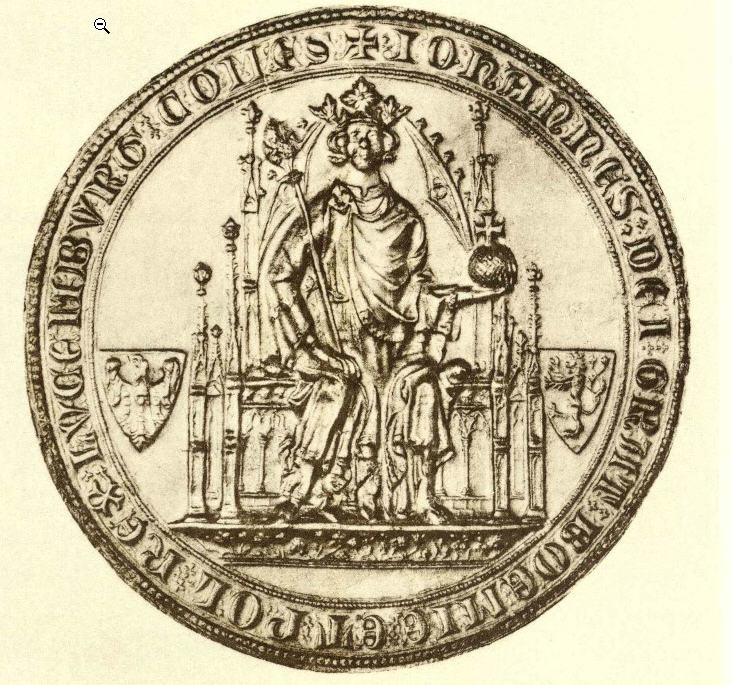
John the Blind, son of Henry VII, was elected King of Bohemia after foundational developments in the region. John, born to the prominent Luxembourg dynasty, carried his lineage’s ambition and political acumen. His father, Henry VII, had raised the family’s status significantly within the Holy Roman Empire. Henry VII's influence as a Holy Roman Emperor paved the way for John’s political ascent.
The Luxembourg dynasty saw the Bohemian crown as an opportunity to extend their influence. Bohemia, with its strategic position and substantial resources, was a desirable target for European rulers. John's election as king resulted from intricate political negotiations and alliances formed by his father and the Luxembourg dynasty. It marked the expansion of Luxembourg influence into Central Europe, crucial for their long-term regional strategy.
John’s election significantly impacted Bohemia’s subsequent history. He began his reign by seeking to consolidate power and strengthen the region’s political structure. His rule initiated various administrative and economic reforms aimed at enhancing the prosperity of Bohemia. Fidelity to the Luxembourg dynasty brought higher regional stability.
The election also reinforced the role of Bohemia within the Holy Roman Empire, strengthening its ties with other principalities governed by powerful dynasties. John’s reign fostered connections contributing to both economic growth and the stabilization of his territories.
Furthermore, John’s election had long-lasting effects on Bohemia's sociopolitical landscape, influencing cultural and economic exchanges within Central Europe. Under his rule, Bohemia engaged more robustly with neighboring regions, fostering trade and cultural interactions that enriched the kingdom.
John the Blind's election underscored the broader strategy of the Luxembourg dynasty to solidify their influence across the European political spectrum. His reign demonstrated how dynastic politics could shape the trajectory of a region, with lasting implications for both local and broader European affairs.
#Bohemia #LuxembourgDynasty #PoliticalAscension #MedievalEurope #MoofLife
View details1288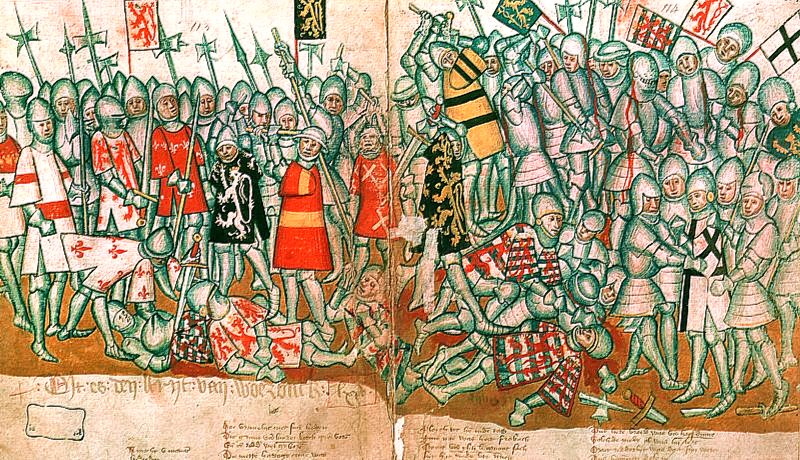
In the medieval period, the Battle of Worringen took place as a significant conflict, pivotal in shaping the political landscape of the region. John I, Count of Luxembourg, faced Henry VI, Count of Luxembourg. This battle was driven by disputes over the Duchy of Limburg, crucial for controlling trade routes and regional influence.
The Duchy of Limburg came under contention due to its strategic importance. The death of the ruling Duke left no direct heirs, causing different factions to lay claim. Henry VI aimed to solidify his dominion, while John I sought to expand his influence. The conflict escalated, involving not just the primary contenders but also alliances among other nobles and cities.
John I of Luxembourg led his forces, supported by allies including the Archbishop of Cologne and various regional nobles. Henry VI commanded the opposing side, strengthened by his alliances and military prowess. The ensuing battle saw thousands of knights and infantry clash on the plains near Worringen.
The confrontation lasted several hours, characterized by heavy fighting and strategic maneuvers. John I's forces ultimately managed to overrun Henry VI's troops. The death toll was substantial, with numerous knights and soldiers perishing. The victory allowed John I to annex the Duchy of Limburg, extending his control and reshaping the power dynamics in the region.
The annexation of Limburg had considerable impacts. It bolstered John I's position and increased Luxembourg's political and economic influence. The control over the duchy enabled better regulation of trade routes, enhancing economic prosperity for Luxembourg. The shift in power also affected neighboring regions, altering alliances and prompting adjustments in regional strategies.
#MoofLife #BattleOfWorringen #JohnI #DuchyOfLimburg #LuxembourgHistory
View details1046
Count Conrad I ascended as the first Count of Luxembourg in the mid-11th century. This significant event marked the emergence of Luxembourg as a recognized political entity. Conrad, originating from the House of Ardennes, was the son of Giselbert of Luxembourg. His ascension followed a period of consolidation of territorial power in what is today Luxembourg.
Conrad I utilized his lineage and connections to establish formal control over the territory. He administered duties and granted land within his control, reinforcing the feudal system prevalent in medieval Europe. The establishment of the County of Luxembourg under Conrad I laid a foundation for subsequent expansion and political significance in the region.
This transformation had long-lasting implications for regional politics. The County of Luxembourg evolved from a small, somewhat obscure territory into a powerful state within the Holy Roman Empire. The title of Count solidified Conrad I’s status and initiated a legacy that would see Luxembourg become a grand duchy of historical consequence.
The political structure introduced by Conrad I, including feudal obligations and centralized administration, persisted and influenced the governance of Luxembourg for centuries. Notably, the consolidation of power under the House of Ardennes fortressed Luxembourg’s strategic importance due in part to its geographic location at the crossroads of major European powers.
This period set the stage for Luxembourg's later prominence. The legacy of Conrad I's rule continued to shape the sociopolitical landscape of Europe, playing a critical role in the historical narratives of both medieval and modern European states.
#MoofLife #LuxembourgHistory #EuropeanMedievalHistory #PoliticalLegacy #HouseofArdennes #FeudalSystem #HolyRomanEmpire
View details1015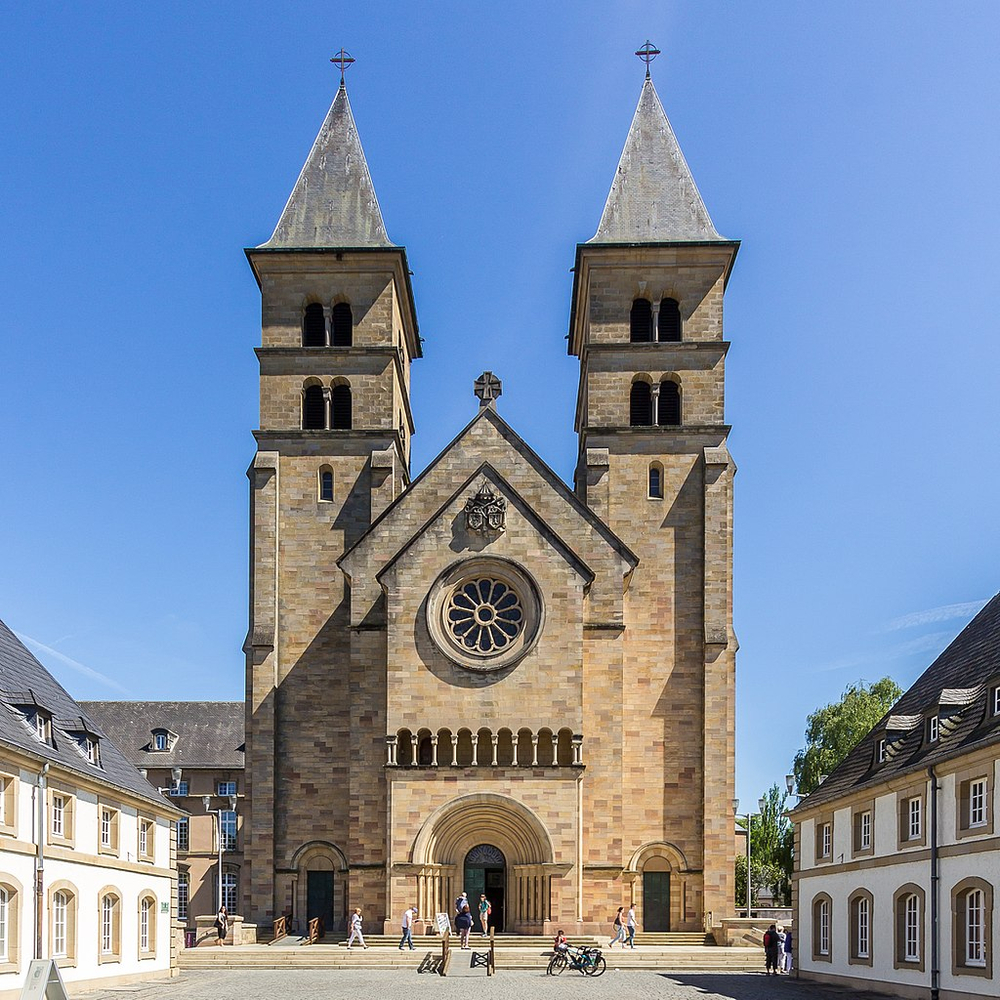
Echternach Abbey, a cornerstone of religious and cultural life in Luxembourg, faced a devastating event when a fire swept through its premises, reducing it to charred remnants. This catastrophic blaze impacted the monastery, renowned for its scriptorium and library housing invaluable manuscripts. The abbey, founded by the missionary Saint Willibrord, had become a beacon of Christian learning and monasticism.
The fire's destruction threatened the loss of the abbey's treasured heritage. Driven by a commitment to preserve and rebuild, the monks and local community embarked on an arduous reconstruction journey. Supported by various religious and secular authorities, reconstruction funds were mobilized through extensive donations. Craftsmen and artisans from neighboring regions were enlisted, ensuring the reconstruction adhered to the original architectural style.
The rebuilding project not only restored the abbey's physical structure but also revitalized its spiritual and educational roles. The scriptorium continued to produce manuscripts that contributed to the spread of knowledge throughout medieval Europe. This reconstruction cemented Echternach Abbey's enduring influence in the region, affirming its role as a spiritual, cultural, and educational center.
The abbey’s restoration post-fire symbolized resilience and dedication. The rebuilt structure, a product of collective effort, stood as a testament to the community’s determination to safeguard its historical and religious heritage. The resilience showcased underscores not only the physical rebuilding of stone and mortar but the preservation of intangible cultural wealth.
The successful reconstruction facilitated the abbey's continued contributions to religious scholarship and community life in Luxembourg, maintaining its integral status in the European monastic network.
#Resilience #Reconstruction #CulturalHeritage #CommunityEffort #MedievalHistory #Luxembourg #MonasticLife #EchternachAbbey #MoofLife
View details0965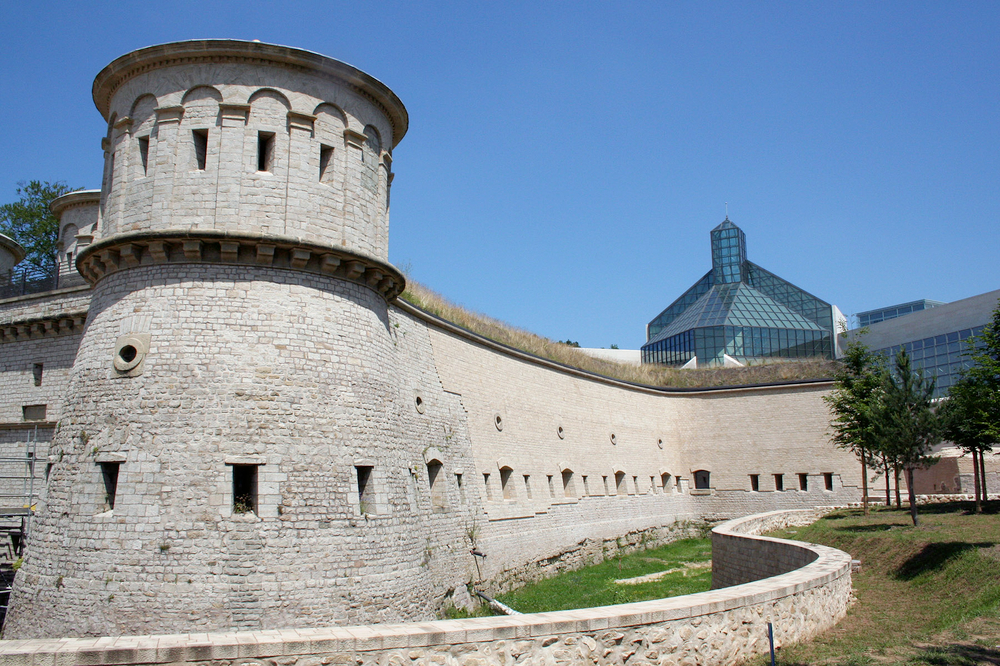
Count Siegfried acquired a rocky promontory known as the Bock. Over time, this site began to transform from a strategic lookout into the foundational cornerstone of what would become Luxembourg City. It was during this crucial phase that the first city walls were constructed, demarcating the boundaries of a nascent urban settlement.
The Bock was a commanding elevation offering significant defensive advantages, making it an ideal location for fortifications. As trade routes and political alliances grew in complexity, the need for effective defenses became evident. The construction of the city walls served both as a deterrent against potential invaders and as a tangible assertion of Siegfried’s dominion.
The early city walls were primarily built from locally sourced stone, featuring fortified gates and watchtowers. While rudimentary by modern standards, their construction involved considerable labor and resources. Their strategic importance was underscored by the numerous conflicts and skirmishes throughout the region, necessitating the protection of inhabitants, agricultural lands, and trade goods within the perimeter of the walls.
Constructing these defenses marked the transformation of Luxembourg from a strategic fortification to a recognized settlement. This foundational shift had notable implications for trade, security, and governance in the region. The delineation of city boundaries also facilitated better management and organization of the population, reflecting a move toward a more structured and permanent urban entity.
The walls’ establishment catalyzed growth in domestic activities, prompting an increase of dwellings, markets, and public spaces within their confines. This fortified settlement emerged as both a safe haven and a center for economic activities, influencing the socio-political landscape of the area.
Moreover, the presence of robust defenses enhanced Luxembourg’s standing among neighboring territories, serving as a focal point in regional power dynamics. It contributed to Luxembourg’s reputation and longevity as a strategic and safeguarded hub, laying the groundwork for its future expansion and prosperity.
The construction of the first city walls signaled a pivotal development in the geographic and historic landscape of Luxembourg, setting the stage for its evolution into a significant European city-state.
#MoofLife #HistoricalLandmark #Fortifications #UrbanDevelopment #LuxembourgCity #MedievalHistory
View details0962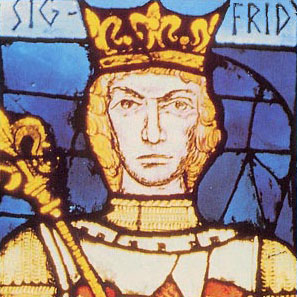
In a defining act for the region known today as Luxembourg, Count Siegfried of the Ardennes purchased the Bock rock from the Abbey of Saint Maximin. A pivotal location, the Bock rock is strategically positioned above the Alzette River, providing significant defensive advantages. Siegfried's selection of this site was a tactical decision, leveraging the geographic and topographic benefits for both defense and control.
Upon acquiring the rock, Siegfried oversaw the construction of a fortified castle. This fortress became the foundation around which a settlement began to develop, laying the groundwork for the future city of Luxembourg. The choice was not merely for military defense; it facilitated control over trade routes in the region. With the fortified castle in place, local inhabitants and traders found a secure location for commerce and daily life, fostering growth and stability.
Over time, the settlement expanded beyond the confines of the initial fortress. The influx of people contributed to the development of economic and social structures. As the settlement grew, Luxembourg began to attract craftsmen, merchants, and other settlers seeking the security and opportunities provided by the new establishment.
The castle on the Bock rock symbolized not just a physical structure but the inception of political power and administrative organization in the area. The formation of Luxembourg forged a new socio-economic entity in the region, which over centuries evolved into a significant European center.
The establishment of the fortress also played a crucial role in regional politics. It served as a stronghold in various conflicts and a seat of power for the Counts and, later, Duchy of Luxembourg. The city's growth was inexorably tied to its strategic importance, ensuring its place in European history.
Today, the remains of the original castle are a historical site, reflecting Luxembourg's origins and its journey through time. This period laid the foundations of what would evolve into a prominent European capital known for its strategic, economic, and cultural significance.
#LuxembourgHistory #CastleOnTheBock #EuropeanOrigins #HistoricFoundation #MoofLife
View details0870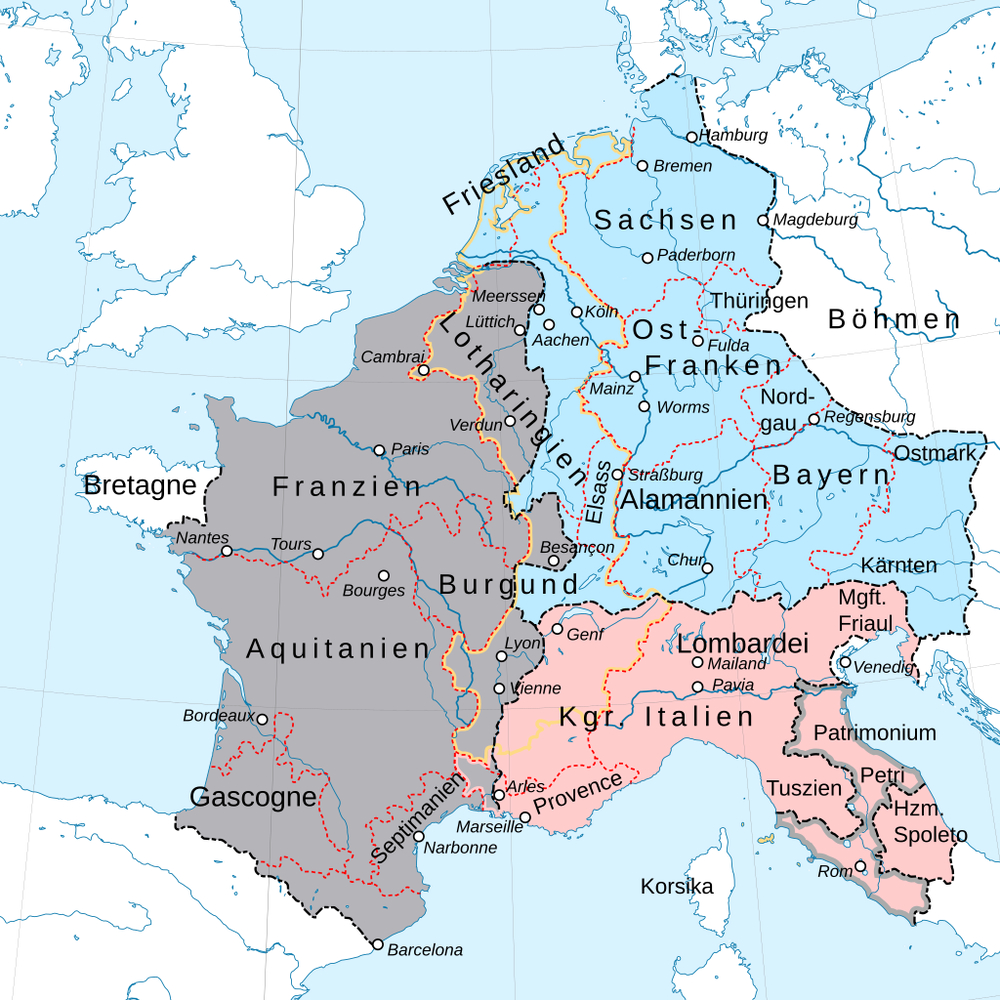
The Treaty of Meerssen was an agreement that restructured the Carolingian Empire after a period of internal strife and fragmentation. Following the death of Emperor Louis the Pious, his sons, Charles the Bald and Louis the German, sought to re-divide the empire, which had already been fractured by numerous conflicts among Louis’s heirs.
The treaty addressed the ongoing disputes by delineating new territorial boundaries. As a result, the Carolingian Empire was split between West and East Francia. This agreement notably transferred control of Luxembourg to the Middle Frankish Kingdom, which later became known as Lotharingia. The Middle Frankish Kingdom was ruled by Lothair II, a significant figure during this period of imperial division.
The strategic significance of Luxembourg came into focus in this division. Its location became pivotal as a part of Lotharingia, affecting regional politics and influencing future territorial claims and disputes among emerging European powers. The restructuring reorganized governance and redirected sociopolitical affiliations in the fragmented empire, impacting the feudal landscape.
The Treaty of Meerssen and the subsequent division demonstrated the complexities of succession and inheritance within the Carolingian dynasty. It also reflected broader regional tensions and the difficulties in maintaining a cohesive empire amid the ambitions of powerful regional leaders. This division was one among many in the gradual decline of Carolingian centralized power, leading toward the formation of distinct European territories.
Luxembourg's attachment to Lotharingia hinted at its future as a contested and valuable region in European geopolitics. The agreement underscored the importance of diplomatic negotiations and treaties in shaping the continental landscape, showcasing the ebb and flow of power within medieval Europe.
#TreatyOfMeerssen #CarolingianEmpire #LuxembourgHistory #MedievalEurope #DynasticSuccession #FeudalHistory #MoofLife
View details0399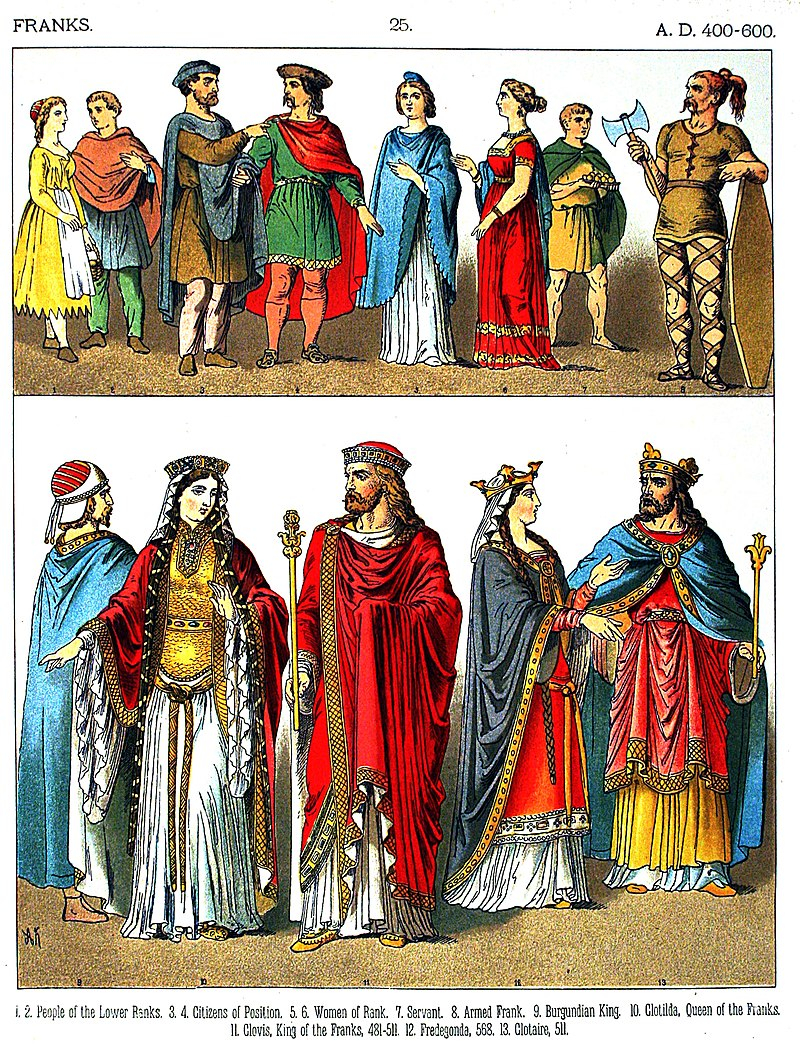
The historical shift when the Franks took control of the area now known as Luxembourg marked a pivotal transition, influencing the region's trajectory culturally, politically, and socially. The Franks, a collection of Germanic tribes, had steadily expanded their territories under the leadership of their chieftains, eventually consolidating power to form what became recognized as the Carolingian Empire.
Before the Frankish conquest, the area was part of the Roman Empire, known for its strategic positions and fortifications. The Roman control provided a network of roads and communication lines that facilitated trade and military movements. The decline of Roman authority in the region created a power vacuum that the emergent Frankish leadership sought to exploit.
The Carolingians, under leaders like Charlemagne, aimed to unify and expand their territories, incorporating diverse regions into their empire. The annexation of the Luxembourg area was part of their broader strategy to consolidate Western Europe under a single rule, promoting stability and fostering economic prosperity through centralized governance.
The immediate impact of this conquest was the integration of Roman and Frankish administrative systems. The Franks employed a feudal system, which served to organize local governance and establish clear lines of authority, effectively managing land and resources. This facilitated agricultural development and improved living conditions for the populace.
Culturally, the integration into the Carolingian Empire contributed to the Christianization of the region, aligning with broader efforts to spread Christianity across the territories under Carolingian control. Monasteries and churches became not only religious centers but also hubs of learning and literacy, playing a significant role in the preservation of knowledge through turbulent times.
This period also saw the establishment of long-lasting socio-political structures, some of which influenced Luxembourg's governance for centuries. The development of local customs and laws within the Carolingian framework created a unique blend of Roman and Germanic traditions, shaping the region's identity.
The conquest and subsequent administration under the Carolingian Empire set the foundation for Luxembourg's future as a distinct entity within Europe. It linked the area into the broader narrative of European history, contributing to its development through stability and cultural integration.
#Franks #LuxembourgHistory #CarolingianExpansion #MoofLife #CulturalIntegration
View details