Luxembourg Adopts Euro Currency
Luxembourg

FinancialTransition
EuropeanIntegration
6 min read
Updated By: History Editorial Network (HEN)
Published:
Updated:
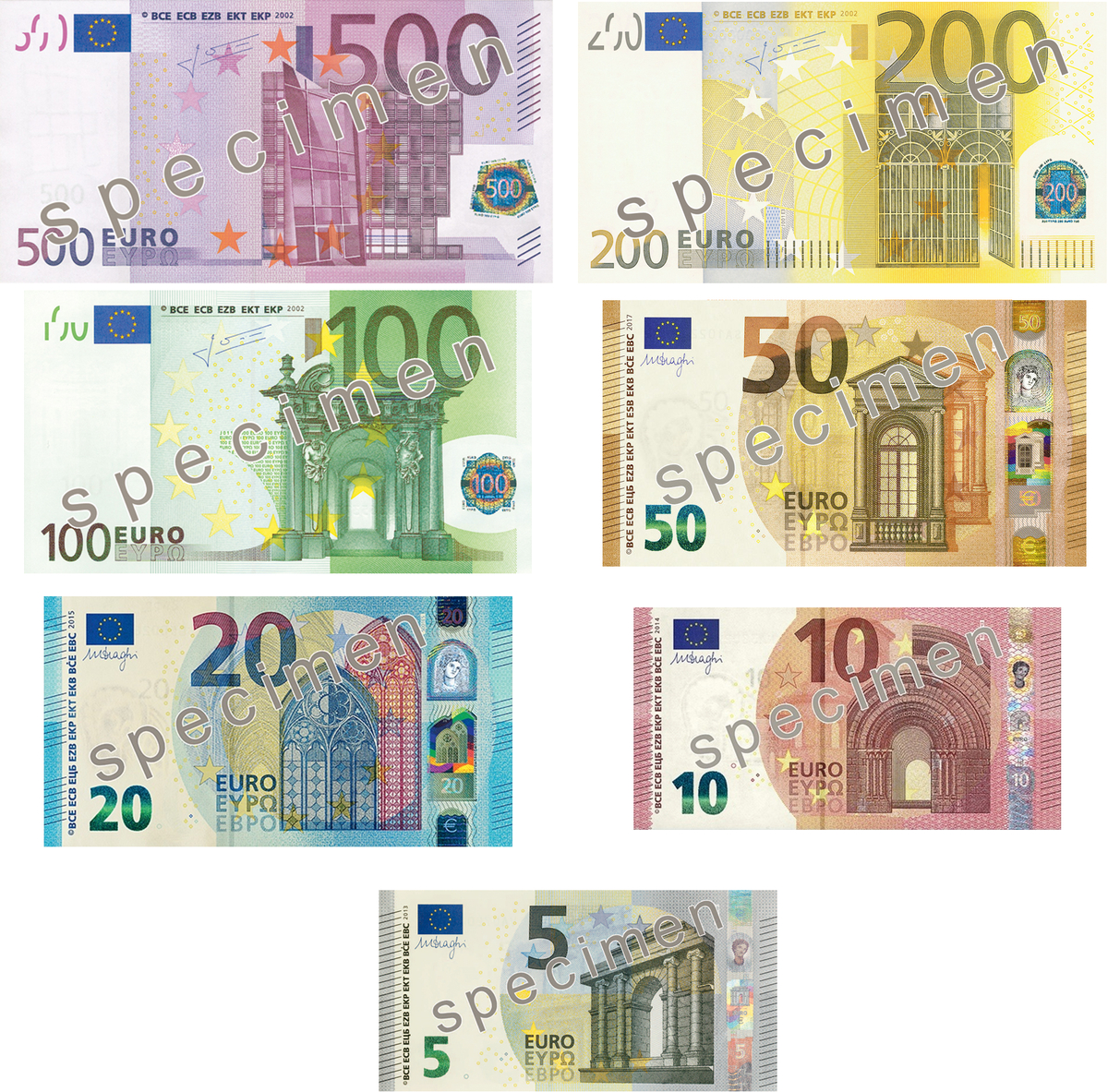
Luxembourg transitioned to the Euro as its official currency after intensive preparations and integration efforts by the European Union. This event marked the culmination of several years of meticulous planning. As a founding member of the EU and the third-smallest country in Europe, Luxembourg’s adoption of the Euro symbolizes its commitment to deeper economic integration with its European neighbors.
Luxembourg's economy, heavily reliant on banking, finance, and steel industries, faced considerable changes. Prior to the adoption, the Luxembourgish franc had been used alongside the Belgian franc within the Belgian-Luxembourg Economic Union, simplifying trade and economic relations between the two countries. The introduction of the Euro aimed to eliminate conversion costs and stabilize exchange rates, enhancing the predictability and efficiency of financial transactions.
The transition involved significant logistical efforts. The government, in collaboration with financial institutions and businesses, embarked on a public awareness campaign to educate citizens on the new currency. Banks and ATMs were restocked with Euro banknotes and coins, and retailers recalibrated their pricing systems to accommodate the new currency. In the initial weeks, both the Luxembourgish franc and the Euro were accepted to ease the transition for the populace.
Financial markets responded positively, bolstered by the promise of greater economic cohesion in the Eurozone. Luxembourg's financial sector, a crucial backbone of the national economy, anticipated benefits from the expanded market and uniform currency system. The adoption also brought an end to exchange rate uncertainties, bolstering investor confidence and fostering a climate conducive to economic growth.
The adoption of the Euro created a shared pricing system, facilitating easier trade across borders within the Eurozone. Consumers enjoyed the convenience of price transparency and the ability to compare costs directly with neighboring countries. Businesses benefited from reduced transaction costs and streamlined accounting processes.
The implications extended beyond economics; the Euro adoption also reinforced Luxembourg’s political alignment with European integration policies. It demonstrated Luxembourg’s endorsement of collective European initiatives aimed at bolstering unity and cooperation among member states.
#EuroAdoption #EuropeanIntegration #FinancialTransition #BankingReform #EconomicAlignment #LuxembourgFinance #MoofLife
Primary Reference
Luxembourg and the euro - European Commission

Explore the Life Moments of
 AI Twin