
Ghana

Culture-Warmth-Rhythm






2010
In September 2010, President John Atta Mills of Ghana paid an official visit to China to celebrate the 50th anniversary of diplomatic relations between the two nations. This landmark visit was highlighted by a formal meeting with China’s then-President Hu Jintao at the Great Hall of the People in Beijing, underscoring the long-standing friendship and growing cooperation between Ghana and China. The discussions focused on strengthening bilateral relations through enhanced trade, investment, and collaboration in sectors such as infrastructure, education, and healthcare.
During their talks on September 20, 2010, both leaders emphasized the importance of deepening economic and cultural ties. President Hu Jintao reaffirmed China’s commitment to supporting Ghana’s development, particularly in infrastructure and agriculture, aligning with Ghana’s broader growth objectives. The meeting also addressed global challenges like climate change and sustainable development, reflecting a shared vision for mutual prosperity.
This visit was a pivotal moment in Sino-Ghanaian relations, highlighting China's growing influence in Africa and Ghana's strategic engagement with one of the world's largest economies. The outcomes of this dialogue, archived on June 27, 2012, continue to symbolize the strong partnership between the two nations, focused on fostering economic growth and regional stability.
#Mooflife #MomentOfLife #HuJintao #Ghana #JohnAttaMills #ChinaAfricaRelations #BilateralTalks
View detailsIn 2010, Ghana made history by competing in the Winter Olympics for the very first time. The milestone was achieved by Kwame Nkrumah-Acheampong, famously known as "The Snow Leopard", who became the first Ghanaian and one of the few Africans to participate in the Winter Games. The event took place in Vancouver, Canada, where Nkrumah-Acheampong proudly represented Ghana in the Alpine skiing slalom event.
Qualifying with 137.5 International Ski Federation points—within the required range of 120-140 points—Nkrumah-Acheampong defied expectations and overcame numerous challenges to reach the global stage. Coming from a country without snow, his journey to the Olympics was a story of passion, perseverance, and determination.
Competing against seasoned athletes from winter sports nations, Ghana finished 47th out of 102 participating countries in the slalom event, where only 54 competitors completed the race. Though he didn’t secure a medal, Nkrumah-Acheampong’s presence alone was a groundbreaking achievement. His participation shattered stereotypes and opened doors for African athletes in winter sports, making him only the second Black African skier to compete on the international stage.
The Snow Leopard’s story inspired not only Ghanaians but also the world, showing that with determination, even athletes from tropical nations can conquer the ice and snow. His Olympic journey marked a proud moment in Ghana’s sporting history and paved the way for future athletes in unconventional sports.
#GhanaOlympics #WinterOlympics2010 #KwameNkrumahAcheampong #AfricanWinterAthlete
View details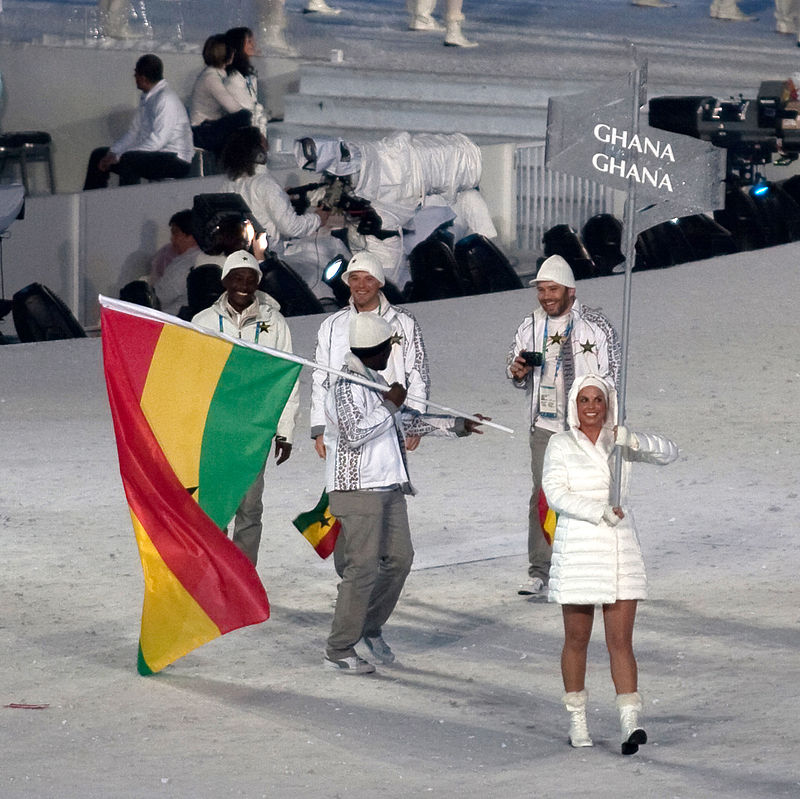
2009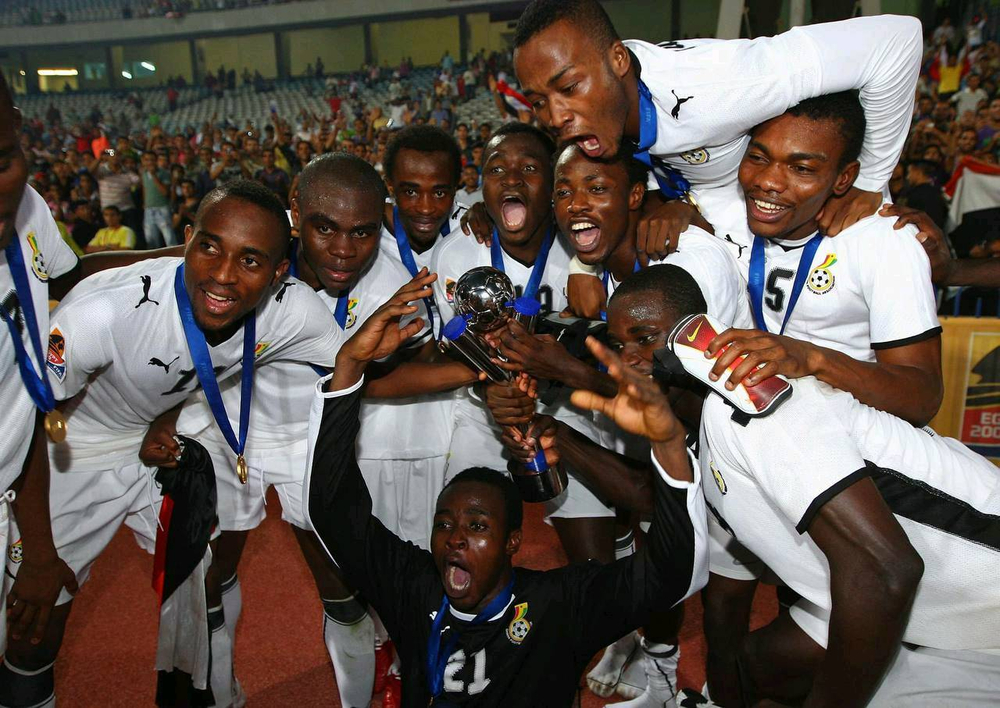
In 2009, Ghana made history by becoming the first and only African nation to win the FIFA U-20 World Cup. Held in Egypt, the tournament showcased the immense talent and resilience of the Black Satellites, Ghana’s U-20 national football team.
The final was a dramatic showdown against the highly favored Brazilian team. After a tense match that ended 0-0 in regular and extra time, Ghana triumphed 4-3 in a nail-biting penalty shootout. This victory was a defining moment for African football, proving that African youth teams could compete and succeed at the highest global level.
Stars like Andre Ayew, Dominic Adiyiah (who won both the Golden Shoe and Golden Ball awards), and Daniel Agyei played key roles in leading Ghana to glory. This historic win not only cemented Ghana's reputation as a powerhouse in youth football but also inspired a new generation of African footballers.
The 2009 victory remains one of Ghana's proudest moments in sports, symbolizing determination, unity, and the limitless potential of African talent on the global stage.
#BlackSatellites #GhanaFootball #U20WorldChampions #FIFA2009 #Mooflife #MomentsOfLife
View detailsIn a historic turn of events, Ghana's opposition leader, John Atta Mills, has emerged victorious in the presidential election held on December 28, 2008. This victory marks a significant shift in the political landscape of Ghana, as Mills, representing the National Democratic Congress (NDC), defeated the incumbent president, John Kufuor, of the New Patriotic Party (NPP). The election was closely contested, with Mills securing 50.23% of the votes against Kufuor's 49.77%, leading to a peaceful transition of power. This election is notable not only for its competitive nature but also for the high voter turnout, which reflects the democratic engagement of the Ghanaian populace. Mills' victory is seen as a mandate for change, with promises to address issues such as poverty, unemployment, and corruption.
His administration is expected to focus on economic reforms and social development initiatives. The peaceful conduct of the elections and the subsequent transfer of power have been praised by international observers, reinforcing Ghana's reputation as a stable democracy in West Africa. This election is a testament to the resilience of Ghana's democratic institutions and the will of its people to choose their leaders through the ballot box.
#Mooflife #MomentOfLife #GhanaElections #JohnAttaMills #OppositionVictory #DemocracyInAfrica #PoliticalTransition
View details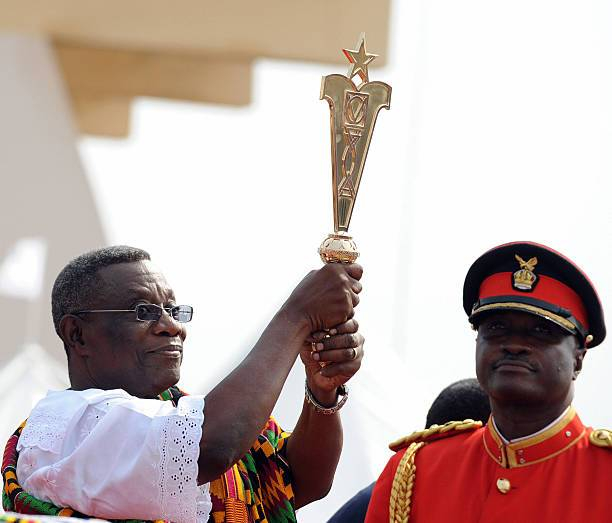
2008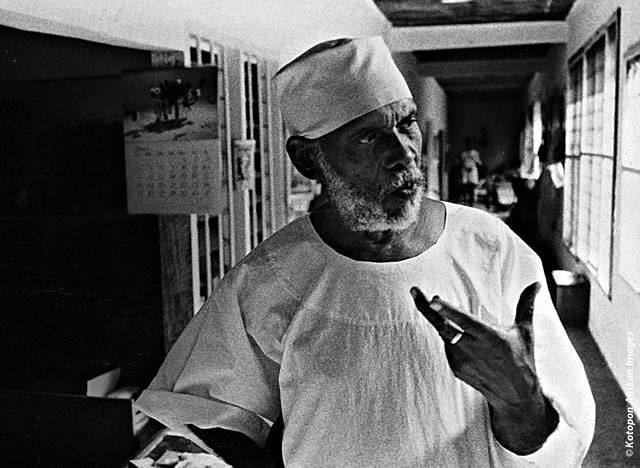
On December 22, 2008, Ghana and the global music community mourned the passing of Guy Warren, also known as Kofi Ghanaba, a legendary musician whose innovative fusion of African rhythms with jazz left an indelible mark on global music. His death marked the end of an extraordinary life dedicated to redefining African music’s place on the world stage.
Born in 1923 in Accra, Guy Warren was a trailblazing drummer and composer, widely recognized for pioneering the integration of traditional African rhythms into Western jazz. His groundbreaking 1956 album, "Africa Speaks, America Answers," revolutionized the jazz scene by blending African percussion with American jazz—a bold move that paved the way for Afro-jazz and inspired countless musicians worldwide.
Beyond his musical contributions, Warren was a passionate advocate for African identity and cultural pride. In the later years of his life, he embraced his heritage more deeply, changing his name to Kofi Ghanaba to reflect his commitment to African culture. His influence extended beyond music, shaping the global appreciation of African art forms and cultural expression.
Guy Warren's death was a profound loss, but his legacy lives on through the rhythms and sounds that continue to inspire generations of artists. He is remembered as a visionary who bridged continents with his music and reshaped how the world viewed African creativity.
#Mooflife #MomentOfLife #KofiGhanaba #AfricanJazz #InfluentialDrummer #AfricanMusicHeritage #JazzOrigins
View details2007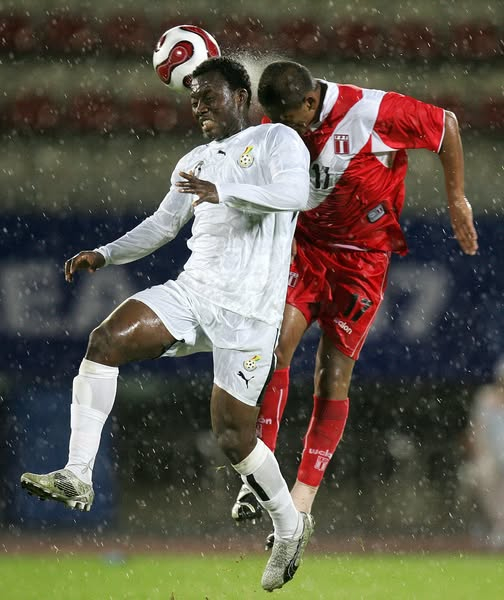
Ghana made its debut in the FIFA World Cup in 2007, marking a significant milestone in the nation's football history. The tournament took place in Germany, where Ghana was placed in Group E alongside Italy, the Czech Republic, and the United States. The Black Stars, as the national team is known, showcased their talent and determination, finishing second in the group after a memorable victory against the Czech Republic and a draw with the United States. This performance allowed Ghana to advance to the knockout stage, where they faced Brazil in the Round of 16. Although they were eliminated by the eventual champions, the team's spirited performance captured the hearts of fans and established Ghana as a formidable force in international football. Since then, Ghana has participated in three more World Cups (2010, 2014, and 2022) and has also achieved success at the youth level, winning the FIFA U-17 World Cup twice. The Black Stars continue to inspire a new generation of footballers and fans, solidifying their place in the global football community.
#Mooflife #MomentOfLife #GhanaFootball #FifaWorldCup #BlackStars #FootballHistory #SportsInGhana
View detailsThe Jubilee Oil Field, discovered in 2007 off the coast of Ghana, is a significant find in the global oil industry, containing up to 3 billion barrels (480 million m³) of sweet crude oil. This discovery has positioned Ghana as a notable player in the African oil market, with estimated total petroleum reserves ranging from 5 billion barrels (790 million m³) to 7 billion barrels (1.1 billion m³). This makes Ghana the fifth-largest holder of oil reserves in Africa and places it among the top 21st to 25th globally. Additionally, the country boasts substantial natural gas reserves, estimated at approximately 170 billion cubic meters (6 trillion cubic feet). In response to this wealth of resources, the Ghanaian government has initiated plans to nationalize its petroleum and natural gas reserves, aiming to enhance government revenue and ensure that the benefits of these resources are maximized for the nation. The Jubilee Oil Field not only represents a critical economic asset for Ghana but also highlights the country's potential for growth in the energy sector, attracting both local and international investments.
#Mooflife #MomentOfLife #JubileeOilField #GhanaOilReserves #CrudeOilDiscovery #NaturalGasReserves #EnergySectorGrowth
View details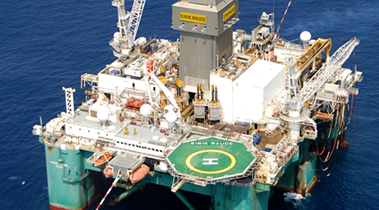
2001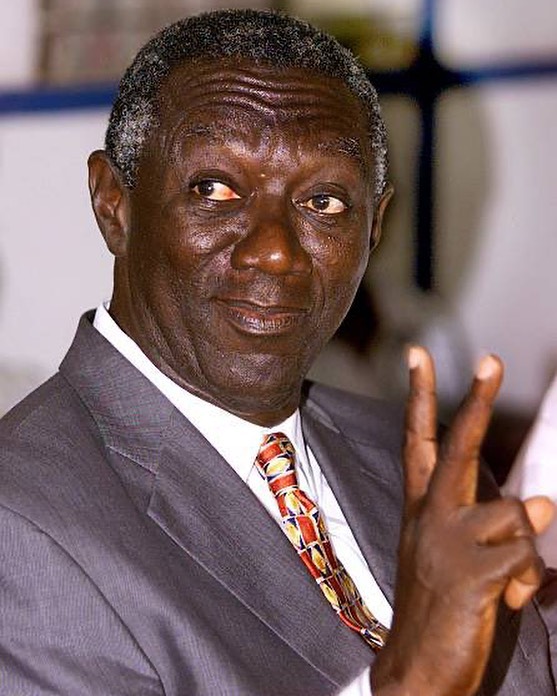
On January 7, 2001, John Kufuor of the New Patriotic Party was inaugurated as the President of Ghana following a successful general election in December 2000. His election marked a significant milestone in Ghana's democratic journey, as it was the first instance under the Fourth Republic where power was peacefully transferred from one legitimately elected head of state to another. Kufuor's presidency was characterized by economic reforms and infrastructural development, which contributed to the country's growth during his tenure. He was re-elected in 2004, serving a total of two terms in office.
Kufuor's leadership not only strengthened democratic governance in Ghana but also set a precedent for future elections, showcasing the country's commitment to democratic principles and stability. His administration is often credited with enhancing Ghana's international standing and fostering a more vibrant civil society. The peaceful transition of power during Kufuor's presidency remains a pivotal moment in Ghana's political history, reinforcing the importance of democratic processes in the West African region.
#Mooflife #MomentOfLife #JohnKufuor #Ghana #Democracy #NewPatrioticParty #PoliticalHistory
View details2000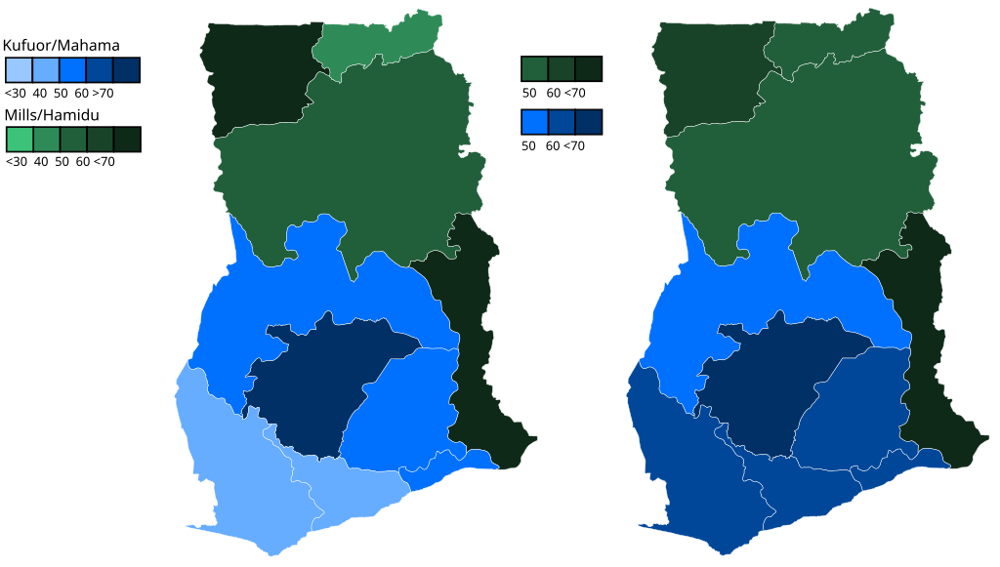
The election of John Kufuor in 2000 marked a significant turning point in Ghana's media landscape. Under Kufuor's leadership, the relationship between the government and private media improved notably, leading to a decrease in tensions that had previously characterized this dynamic. Kufuor was a staunch advocate for press freedom, taking decisive steps to enhance the media environment in Ghana. One of his landmark actions was the repeal of a restrictive libel law, which had previously stifled journalistic expression and accountability. Kufuor emphasized the importance of responsible journalism, urging media practitioners to uphold ethical standards while exercising their newfound freedoms. As a result of these reforms, Ghana's media has been recognized as 'one of the most unfettered' in Africa, allowing for a vibrant and diverse press landscape. This shift not only empowered journalists but also fostered a more informed public, contributing to the overall democratic process in the country. Kufuor's administration set a precedent for future governments, highlighting the critical role of a free press in a thriving democracy.
#Mooflife #MomentOfLife #Kufuor #GhanaMedia #PressFreedom #LibelLawRepeal #Democracy
View details1994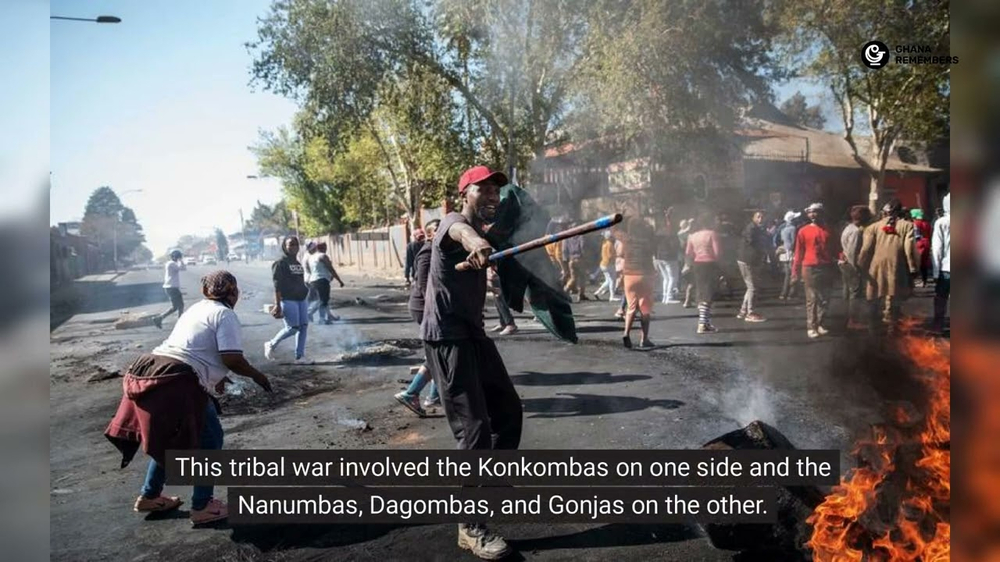
In 1994, Northern Ghana experienced a devastating tribal war primarily between the Konkomba and several other ethnic groups, including the Nanumba, Dagomba, and Gonja. This violent conflict was marked by intense ethnic tensions that had been simmering for years, ultimately erupting into widespread violence. The war resulted in the tragic loss of between 1,000 and 2,000 lives, with estimates varying due to the chaotic nature of the conflict. Additionally, approximately 150,000 individuals were displaced from their homes, leading to a humanitarian crisis in the region. The aftermath of the war highlighted the significant challenges of maintaining peace and unity among diverse ethnic groups in Northern Ghana. The conflict not only caused immediate suffering but also had long-lasting effects on community relations and regional stability. Efforts to reconcile and rebuild trust among the affected communities have been ongoing, emphasizing the need for dialogue and understanding to prevent future conflicts. The 1994 tribal war serves as a stark reminder of the complexities of ethnic relations in Ghana and the importance of fostering inclusivity and cooperation among its diverse populations. #mooflife #mof #MomentOfLife #Ghana #TribalWar #Konkomba #EthnicConflict #NorthernGhana
View details1993
In January 1993, Ghana transitioned to the Fourth Republic following a series of presidential and parliamentary elections held in late 1992. This significant political shift marked the end of a prolonged period of alternating civilian and military governments. The new republic was established under the 1992 Constitution of Ghana, which delineates the structure of governance and the distribution of powers among various branches of government. The President of Ghana serves as the commander-in-chief of the Ghana Armed Forces, while legislative authority is vested in the Parliament of Ghana. Additionally, the Cabinet of Ghana and the Ghanaian Council of State play crucial roles in the administration of the country. The judiciary operates independently, ensuring the rule of law is upheld. Elections are conducted every four years through universal suffrage, allowing citizens to participate actively in the democratic process. This transition to a stable democratic framework has been pivotal in shaping Ghana's political landscape and fostering national development. #mooflife #mof #MomentOfLife #FourthRepublicOfGhana #Ghana1992Elections #GhanaConstitution #GhanaianDemocracy #PoliticalHistoryOfGhana
View details1992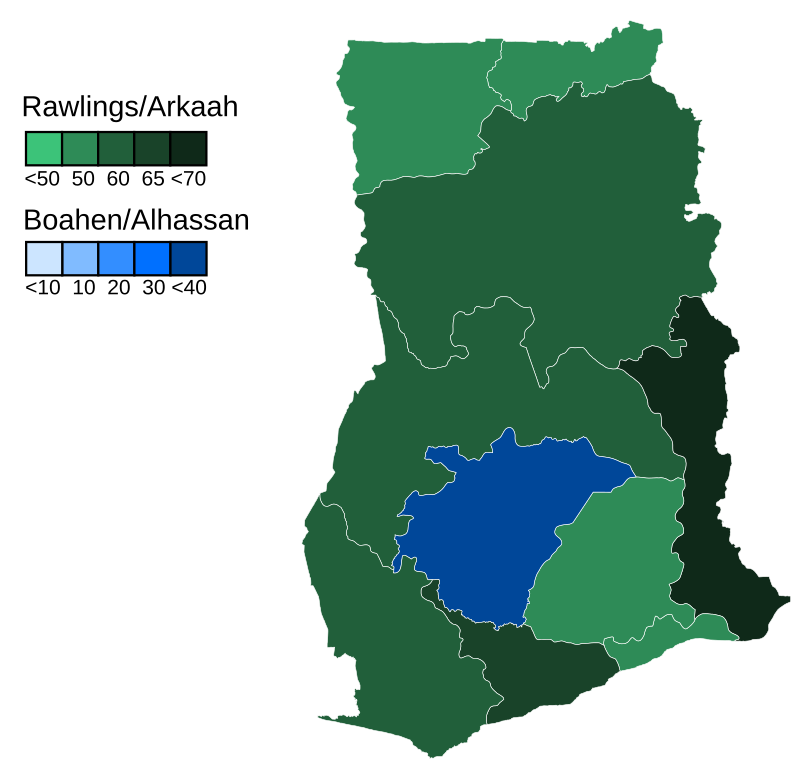
In 1992, Ghana marked a pivotal moment in its political history by returning to democratic rule after over a decade of military governance. The transition was facilitated by the adoption of a new constitution that reinstated a multi-party political system, allowing for greater political participation and representation. Jerry John Rawlings, who had been the military ruler since 1981, emerged as the presidential candidate for the National Democratic Congress (NDC) and won the presidential election held that year. This electoral victory not only solidified Rawlings' leadership but also signified a broader commitment to democratic principles in Ghana.
The return to democracy was a significant turning point, leading to enhanced political stability and laying the groundwork for economic growth in the years that followed. The successful implementation of democratic governance in Ghana has since served as a model for other nations in the region, showcasing the potential for political reform and development. The 1992 elections and the subsequent political landscape have been crucial in shaping Ghana's identity as a stable democracy in West Africa.
#Mooflife #MomentOfLife #Ghana #DemocraticRule #JerryJohnRawlings #Multi-partyElections #PoliticalStability
View detailsThe restoration of press freedoms in Ghana in 1992 marked a significant turning point in the country's media landscape. Chapter 12 of the 1992 Constitution guarantees freedom of the press and the independence of the media, while Chapter 2 explicitly prohibits censorship. This constitutional framework emerged after a period of military rule, during which private media outlets were shut down and laws were enacted to suppress criticism of the government. The return to democratic governance in 1992 allowed for the re-establishment of a vibrant media environment. The election of President John Kufuor in 2000 further eased tensions between the government and private media. Kufuor's administration was characterized by a commitment to press freedom, as he repealed restrictive libel laws and emphasized the importance of responsible journalism. As a result, Ghana's media has been recognized as one of the most unfettered in Africa, playing a crucial role in promoting democracy and accountability. The evolution of press freedoms in Ghana serves as a testament to the resilience of the media and its vital role in a democratic society. #mooflife #mof #MomentOfLife #Ghana #PressFreedom #1992Constitution #MediaIndependence #Democracy
View detailsIn 1992, Ghana made a significant leap in telecommunications by launching its first cellular mobile network. This pioneering move marked the beginning of a new era in communication for the country, enabling greater connectivity and accessibility for its citizens. The introduction of the cellular network not only facilitated voice communication but also laid the groundwork for future technological advancements. Following the establishment of the mobile network, Ghana further enhanced its telecommunications infrastructure by connecting the network to the Internet. This integration was a crucial step towards modernizing the country's communication systems. Additionally, the introduction of Asymmetric Digital Subscriber Line (ADSL) broadband services provided faster internet access, significantly improving the digital landscape in Ghana.
As a result of these advancements, Ghana has been able to foster innovation and development in various sectors, contributing to its ranking of 99th in the Global Innovation Index in 2024. The ongoing efforts in science and technology, including the establishment of institutions like the Ghana Space Science and Technology Centre (GSSTC) and the Ghana Space Agency (GhsA), further demonstrate the country's commitment to advancing its technological capabilities and enhancing its position in the global arena.
#Mooflife #MomentOfLife #Ghana #Telecommunications #CellularNetwork #AdslBroadband #GlobalInnovationIndex
View details1984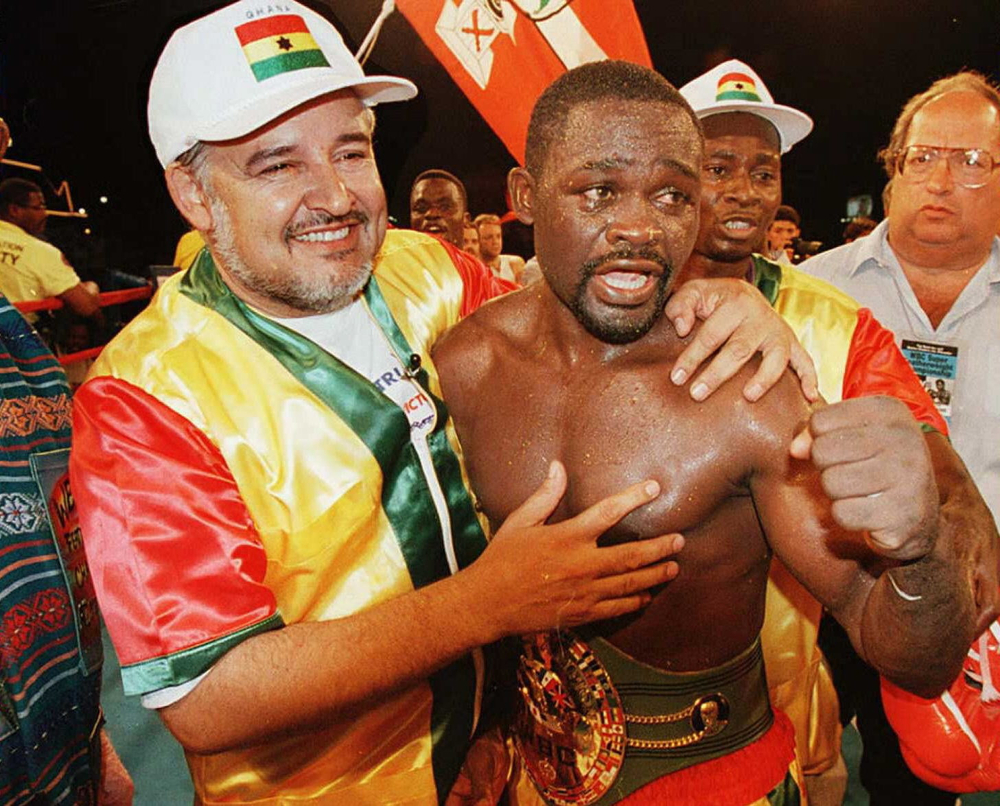
On December 8, 1984, Azumah Nelson cemented his place in boxing history by defeating Puerto Rican legend Wilfredo Gómez to win the WBC Featherweight Title. His stunning 11th-round knockout victory was a proud moment for Ghana, as Nelson followed in the footsteps of Ghana’s first world champion, David Kotei (D.K. Poison).
Nelson’s success didn’t stop there. In 1988, he moved up in weight and won the WBC Super Featherweight Title, a championship he held for nearly a decade with multiple successful defenses. His dominance in the ring earned him the nickname "The Professor" for his strategic brilliance and boxing intelligence.
Hailing from the vibrant boxing community of Bukom in Accra, Azumah Nelson became a symbol of national pride and resilience. His victories not only showcased his personal greatness but also elevated Ghana’s reputation as a global boxing powerhouse.
Azumah Nelson’s multiple world titles and legendary career have forever etched his name among the greatest athletes in Ghanaian and African sports history.
#Mooflife #MomentOfLife #AzumahNelson #GhanaBoxing #BoxingLegend #SportsAmbassador #BoxingHistory
View details1981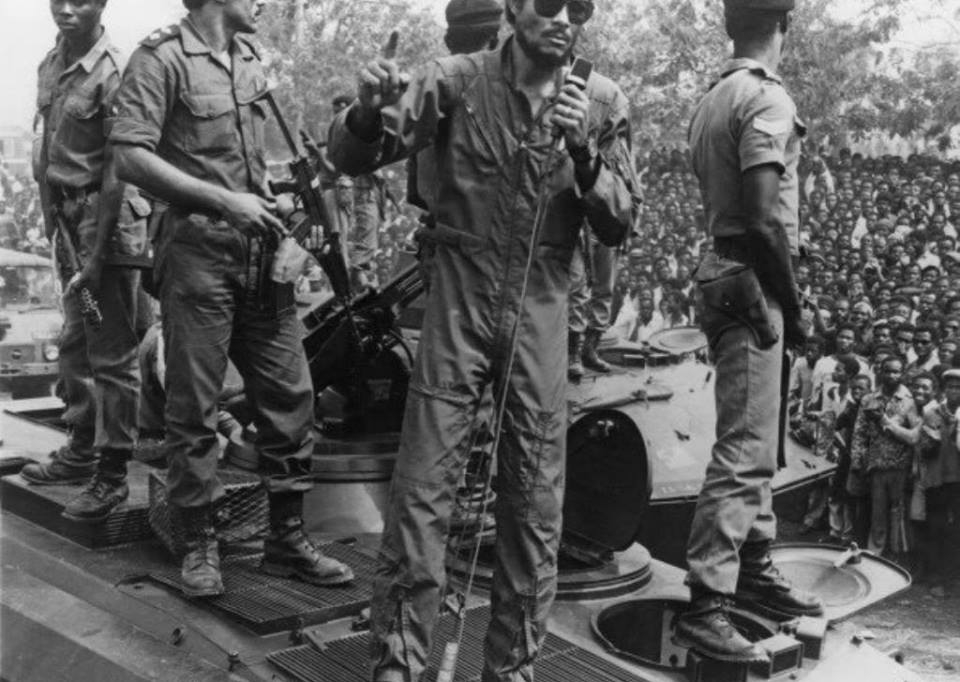
On December 31, 1981, Flight Lieutenant Jerry John Rawlings executed a successful coup d'état, overthrowing the government of President Hilla Limann in Ghana. This marked Rawlings' second coup, following his initial takeover in 1979. After seizing power, Rawlings established the Provisional National Defence Council (PNDC), under which he ruled as the head of state. His regime was characterized by a focus on economic reforms aimed at stabilizing the struggling Ghanaian economy and implementing anti-corruption measures.
However, Rawlings' rule was also marred by significant human rights abuses and political repression, as dissent was often met with harsh consequences. Despite these controversies, Rawlings remained a pivotal figure in Ghanaian politics, transitioning to a democratically elected presidency in 1992. His leadership style and policies have left a lasting impact on the political landscape of Ghana, shaping the country's journey towards democracy and governance reforms.
#Mooflife #MomentOfLife #JerryRawlings #GhanaCoup1981 #ProvisionalNationalDefenceCouncil #PoliticalHistory #EconomicReforms
View details1975
On September 20, 1975, David Kotei, famously known as D.K. Poison, made history by becoming Ghana’s first-ever world boxing champion. He achieved this monumental feat by defeating Rubén Olivares of Mexico via a split decision to win the prestigious WBC Featherweight Title in Inglewood, California. This victory was a groundbreaking moment for Ghana, placing the nation on the global boxing map.
D.K. Poison’s triumph was more than a personal achievement—it was a victory for Ghana as a whole. His win inspired national pride and paved the way for future Ghanaian boxing legends like Azumah Nelson, Ike Quartey, and Joshua Clottey. Hailing from Bukom, Accra—a community renowned for producing elite boxers—D.K. Poison embodied the resilience, strength, and determination of the Ghanaian spirit.
Beyond the ring, his victory united the nation and sparked widespread interest in boxing across Ghana. D.K. Poison’s success story laid the foundation for Ghana’s dominance in African and global boxing, forever securing his legacy as a pioneer in the sport.
#Mooflife #MomentOfLife #DKPoison #GhanaBoxing #FirstWorldChampion #PrideOfGhana #BukomBoxing
View details1969
In 1969, the Ghana Aliens Compliance Order was enacted under the leadership of then Prime Minister Kofi Abrefa Busia. This significant policy aimed to address the presence of illegal immigrants and aliens in Ghana, which constituted approximately 20% of the country's population at that time. The Border Guard Unit was tasked with enforcing this order, resulting in the deportation of over 3,000,000 individuals within a remarkably short period of three months.
This mass deportation not only reshaped the demographic landscape of Ghana but also sparked discussions about immigration policies and national identity. The order was part of a broader effort to regulate the influx of foreign nationals and ensure that the country's resources were primarily allocated to its citizens. The implications of the Ghana Aliens Compliance Order continue to resonate in contemporary discussions about immigration and national policy in Ghana.
#Mooflife #MomentOfLife #Ghana #AliensComplianceOrder #KofiAbrefaBusia #ImmigrationPolicy #Deportation
View details1966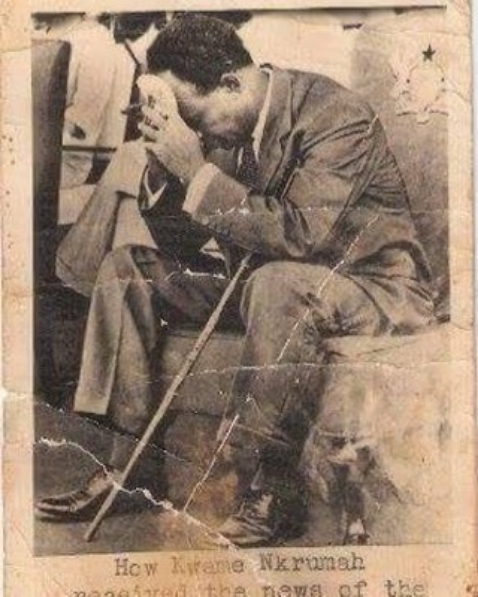
On February 24, 1966, Ghana experienced a significant political upheaval known as 'Operation Cold Chop', which resulted in the overthrow of President Kwame Nkrumah's government. The coup was orchestrated by the Ghana Armed Forces, led by Colonel Emmanuel Kwasi Kotoka and Brigadier Akwasi Afrifa, while Nkrumah was on an official visit to Hanoi, Vietnam. The coup was a response to growing discontent with Nkrumah's leadership, characterized by increasing authoritarianism and economic challenges.
Following the coup, the National Liberation Council was established, chaired by Lieutenant General Joseph A. Ankrah, marking a pivotal shift in Ghana's governance. This event initiated a prolonged period of alternating military and civilian rule in Ghana, often influenced by economic instability and political unrest. The legacy of Operation Cold Chop continues to shape Ghana's political landscape, highlighting the complexities of governance in post-colonial Africa.
#Mooflife #MomentOfLife #OperationColdChop #GhanaCoup1966 #KwameNkrumah #NationalLiberationCouncil #GhanaArmedForces
View detailsThe Akosombo Dam, also known as the Volta Dam, is a significant hydroelectric dam located on the Volta River in southeastern Ghana. The dam was officially inaugurated by President Kwame Nkrumah on January 22, 1966. Completed in 1965, the dam plays a crucial role in Ghana's energy infrastructure, generating electricity not only for the country but also for neighboring regions. The construction of the dam led to the creation of Lake Volta, which is recognized as one of the largest man-made lakes globally.
This monumental engineering project has had a lasting impact on the local economy, providing a reliable source of power that has facilitated industrial growth and improved living standards. Additionally, the dam has influenced the environment, creating both opportunities and challenges for the surrounding ecosystems. The Akosombo Dam remains a vital asset for Ghana, contributing significantly to the nation's energy needs and economic development.
#Mooflife #mof #MomentOfLife #AkosomboDam #VoltaRiver #HydroelectricPower #GhanaInfrastructure #LakeVolta
View details1964
In 1964, a constitutional amendment made Ghana a one-party state, with Nkrumah as president for life of both the nation and its party. Nkrumah was the first African head of state to promote the concept of Pan-Africanism, which he had been introduced to during his studies at Lincoln University, Pennsylvania in the United States, at the time when Marcus Garvey was known for his 'Back to Africa Movement'. He merged the teachings of Garvey, Martin Luther King Jr. and the naturalised Ghanaian scholar W. E. B. Du Bois into the formation of 1960s Ghana. Osagyefo Dr. Kwame Nkrumah, as he became known, played an instrumental part in the founding of the Non-Aligned Movement, and in establishing the Kwame Nkrumah Ideological Institute to teach his ideologies of communism and socialism. His life achievements were recognised by Ghanaians during his centenary birthday celebration, and the day was instituted as a public holiday in Ghana (Founders' Day).
View details1960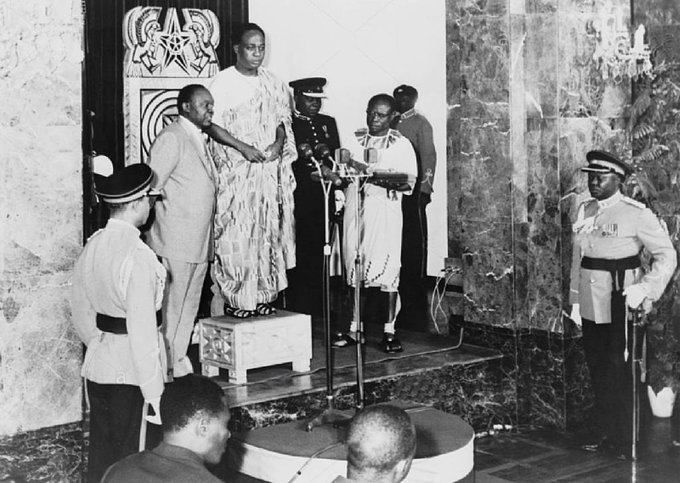
On July 1, 1960, Ghana transitioned from a constitutional monarchy to a republic, marking a significant milestone in its political history. This change followed a constitutional referendum and the presidential election in which Kwame Nkrumah, the leader of the Convention People's Party, was declared the first President of the Republic of Ghana. The referendum, held in April 1960, saw overwhelming support for the new republican constitution, which established a unitary presidential system of governance. Nkrumah's declaration of the republic was a pivotal moment, as it symbolized the culmination of Ghana's struggle for independence from colonial rule, which had been achieved on March 6, 1957.
The nation celebrates its Independence Day on March 6 and Republic Day on July 1, honoring the journey towards self-governance and national identity. However, Nkrumah's presidency was marked by political opposition and allegations of electoral malpractice, raising questions about the democratic processes in the newly formed republic. Despite these challenges, the establishment of the republic was a defining moment in Ghana's history, setting the stage for future political developments in the country and across the African continent.
#Mooflife #MomentOfLife #Ghana #RepublicDay #KwameNkrumah #IndependenceDay #AfricanHistory
View details1958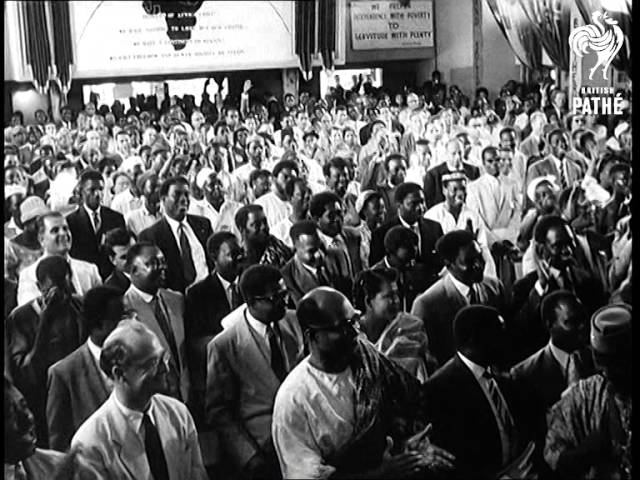
The All Africa People's Conference, held in Accra, Ghana from December 5 to December 13, 1958, marked a pivotal moment in the Pan-African movement. Convened by Kwame Nkrumah, the Prime Minister of Ghana, the conference brought together a diverse group of African leaders and activists who were united in their quest for independence from colonial rule. The event aimed to foster unity and solidarity among African nations, emphasizing the importance of collective action in the struggle against colonialism. Notable attendees included representatives from the American Committee on Africa, as well as prominent figures like Patrick Duncan and Alfred Hutchinson from South Africa.
The discussions at the conference focused on strategies for decolonization and the promotion of African unity, which were crucial for the continent's political landscape in the years to come. The All Africa People's Conference not only galvanized support for independence movements across Africa but also laid the groundwork for future collaborations among African nations, reinforcing the ideals of self-determination and mutual support. This historic gathering is remembered as a significant milestone in the fight for freedom and equality across the continent.
#Mooflife #MomentOfLife #AllAfricaPeople'sConference #KwameNkrumah #Pan-africanMovement #Decolonization #AfricanUnity
View details1957
In 1957, the Ghana Armed Forces (GAF) was established, initially comprising its headquarters, support services, three infantry battalions, and a reconnaissance squadron equipped with armored vehicles. Under the leadership of President Kwame Nkrumah, the GAF was rapidly expanded to align with his vision of a United States of Africa. This expansion included the establishment of the 4th and 5th Battalions in 1961, followed by the formation of the 6th Battalion in 1964, which originated from a parachute airborne unit created in 1963.
Today, the GAF stands as a regional power and a significant military force in West Africa. The professionalism and capabilities of GAF personnel have been recognized internationally, notably by Canadian Forces commander Roméo Dallaire in his book 'Shake Hands with the Devil.' The military operations and doctrine of the GAF are guided by the constitution, Ghana's Law on Armed Forces Military Strategy, and agreements from the Kofi Annan International Peacekeeping Training Centre. All military operations are conducted under the authority of the Ministry of Defence, ensuring that the GAF remains a key player in regional stability and peacekeeping efforts.
#Mooflife #MomentOfLife #GhanaArmedForces #MilitaryHistory #KwameNkrumah #WestAfrica #Peacekeeping
View detailsOn March 6, 1957, Ghana made history by becoming the first sub-Saharan African country to gain independence from colonial rule, marking a turning point in the fight against imperialism in Africa. The transition from the Gold Coast to Ghana symbolized the end of British colonial domination and the birth of a new era of self-determination and national identity. The independence ceremony was a moment of immense pride, celebrated by Ghanaians and attended by global dignitaries, with Prime Minister Kwame Nkrumah leading the nation toward unity and progress.
Ghana’s independence was the culmination of over a century of resistance against colonialism and the unification of four distinct British territories: the Gold Coast, Ashanti, the Northern Territories, and British Togoland. Under the visionary leadership of Kwame Nkrumah, Ghana not only achieved sovereignty but also emerged as a beacon of hope for other African nations seeking independence. Nkrumah’s government became a driving force in the Pan-African movement, advocating for unity across Africa and inspiring liberation movements throughout the continent.
The unification of Ghana’s territories was formalized through the Ghana Independence Act 1957, creating an independent dominion within the British Commonwealth. The newly adopted national flag—featuring red, gold, and green with a black star—symbolized the sacrifices made for freedom, the wealth of the nation, and its rich natural resources. Ghana’s bold step ignited a wave of independence movements across Africa, positioning the country as a trailblazer in the struggle for self-governance.
This monumental achievement laid the foundation for Ghana’s transition to a parliamentary democracy and its later establishment as a republic on July 1, 1960. Ghana’s independence continues to inspire pride among its people and is celebrated annually on March 6th, reflecting the resilience, strength, and unity that define the nation. As a leader in West Africa, Ghana's legacy as a symbol of freedom and progress remains deeply rooted in the continent’s political and economic landscape.
#Mooflife #MomentOfLife #GhanaIndependence #March61957 #KwameNkrumah #AfricanHistory #ColonialRule
View details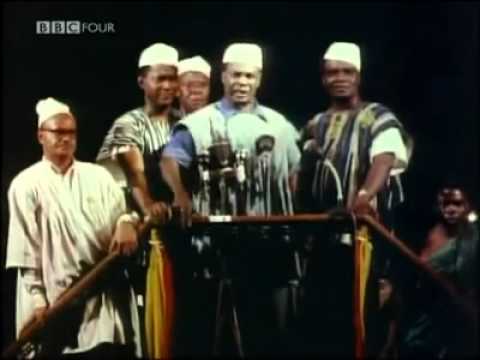
1951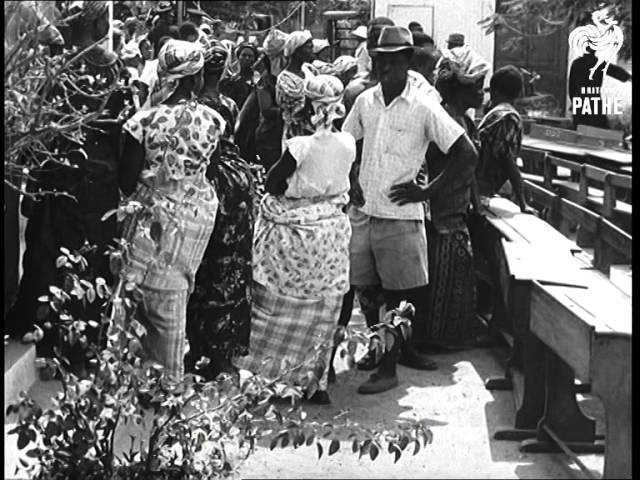
In the historic 1951 general election in the Gold Coast, Kwame Nkrumah was elected to Parliament, marking a significant turning point in the country's political landscape. His election came shortly after his release from prison, where he had been held for his political activism against colonial rule. Nkrumah's rise to power continued when he became the Prime Minister in 1952.
During his tenure, he initiated a policy of Africanization, aimed at promoting African leadership and reducing colonial influence in governance and economic affairs. This policy was pivotal in laying the groundwork for the eventual independence of the Gold Coast, which would be realized on March 6, 1957, when it became the first African nation to gain independence from colonial rule. Nkrumah's leadership and vision for a united Africa would resonate throughout the continent, inspiring future generations of leaders and activists in the struggle for independence and self-determination.
#Mooflife #MomentOfLife #KwameNkrumah #GoldCoast #Africanization #1951GeneralElection #Independence
View details1949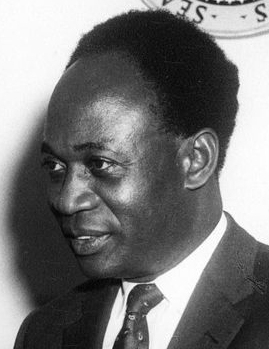
In 1949, Kwame Nkrumah, a prominent Ghanaian nationalist, established the Convention People's Party (CPP) with the rallying cry of 'self-government now'. This political movement emerged as a response to the growing demand for independence from British colonial rule. The CPP was instrumental in mobilizing the Ghanaian populace through a campaign known as 'positive action', which emphasized non-violent protests, strikes, and noncooperation with the British authorities.
Nkrumah's leadership and vision for a self-governing Ghana resonated deeply with the people, leading to widespread support for the party's initiatives. However, the British colonial government responded with repression, resulting in Nkrumah's arrest and a one-year imprisonment sentence. Despite this setback, the CPP continued to gain momentum, ultimately leading to Ghana's independence in 1957, with Nkrumah becoming the country's first prime minister and later its president. His legacy as a key figure in the fight for Ghanaian independence remains significant in the annals of African history.
#Mooflife #MomentOfLife #KwameNkrumah #ConventionPeople'sParty #GhanaIndependence #AfricanNationalism #PositiveActionCampaign
View details1948
In 1948, the Gold Coast Film Unit was established within the Information Services Department, marking a significant development in the promotion of local culture and heritage through film. This initiative aimed to document and showcase the rich traditions, landscapes, and stories of the Gold Coast, which is now known as Ghana. The establishment of the film unit was part of a broader effort to utilize film as a medium for education and information dissemination, particularly in the context of the impending independence movement. The Gold Coast Film Unit played a crucial role in producing films that highlighted the social, economic, and political changes occurring in the region during the late colonial period.
By capturing the essence of Gold Coast life, the unit contributed to a growing sense of national identity and pride among the local population. The films produced not only served as a historical record but also as a tool for fostering unity and awareness among the diverse ethnic groups within the territory. As Ghana moved towards independence in 1957, the work of the Gold Coast Film Unit became increasingly relevant, laying the groundwork for a vibrant film industry that would continue to evolve in the post-colonial era.
#Mooflife #MomentOfLife #GoldCoastFilmUnit #GhanaHistory #FilmIndustry #ColonialLegacy #CulturalHeritage
View details1947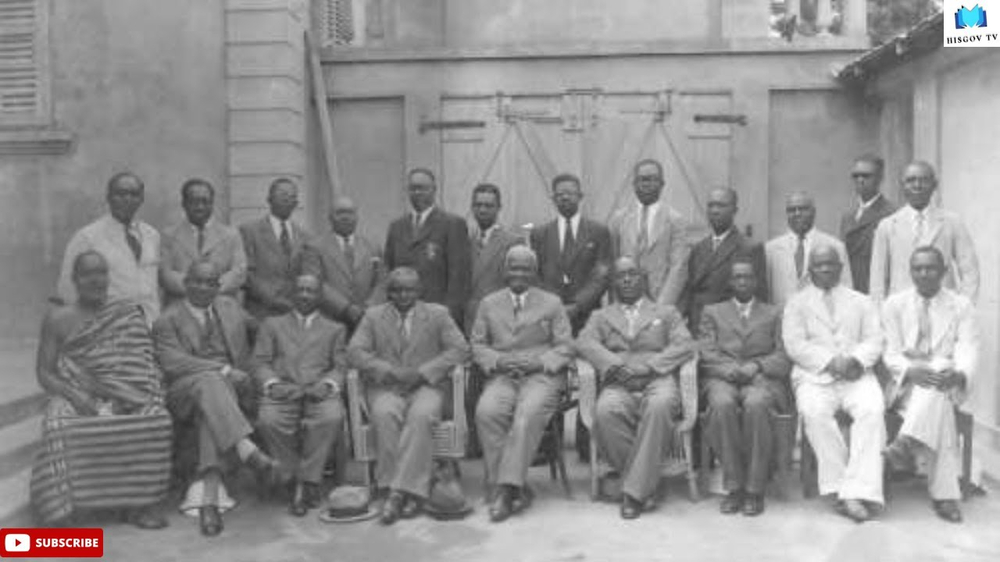
In 1947, the political landscape of the Gold Coast underwent a significant transformation with the formation of the United Gold Coast Convention (UGCC). This pivotal organization was spearheaded by a group of influential leaders known as 'The Big Six', which included prominent figures such as Kwame Nkrumah. Following the 1946 Gold Coast legislative election, the UGCC emerged as a powerful voice advocating for self-governance. The call for 'self-government within the shortest possible time' resonated deeply with the aspirations of the Ghanaian people, who were increasingly aware of their colonial status and the need for political autonomy.
The UGCC's formation marked a crucial step in the struggle for independence, setting the stage for future political developments in the region. The efforts of the UGCC and its leaders played a vital role in mobilizing public support and laying the groundwork for Ghana's eventual independence in 1957, making it the first African nation to achieve self-rule. This period was characterized by heightened political activism and a growing sense of national identity among the people of the Gold Coast, ultimately leading to significant changes in governance and the end of colonial rule.
#Mooflife #MomentOfLife #UnitedGoldCoastConvention #KwameNkrumah #GhanaIndependence #AfricanNationalism #ColonialHistory
View details1896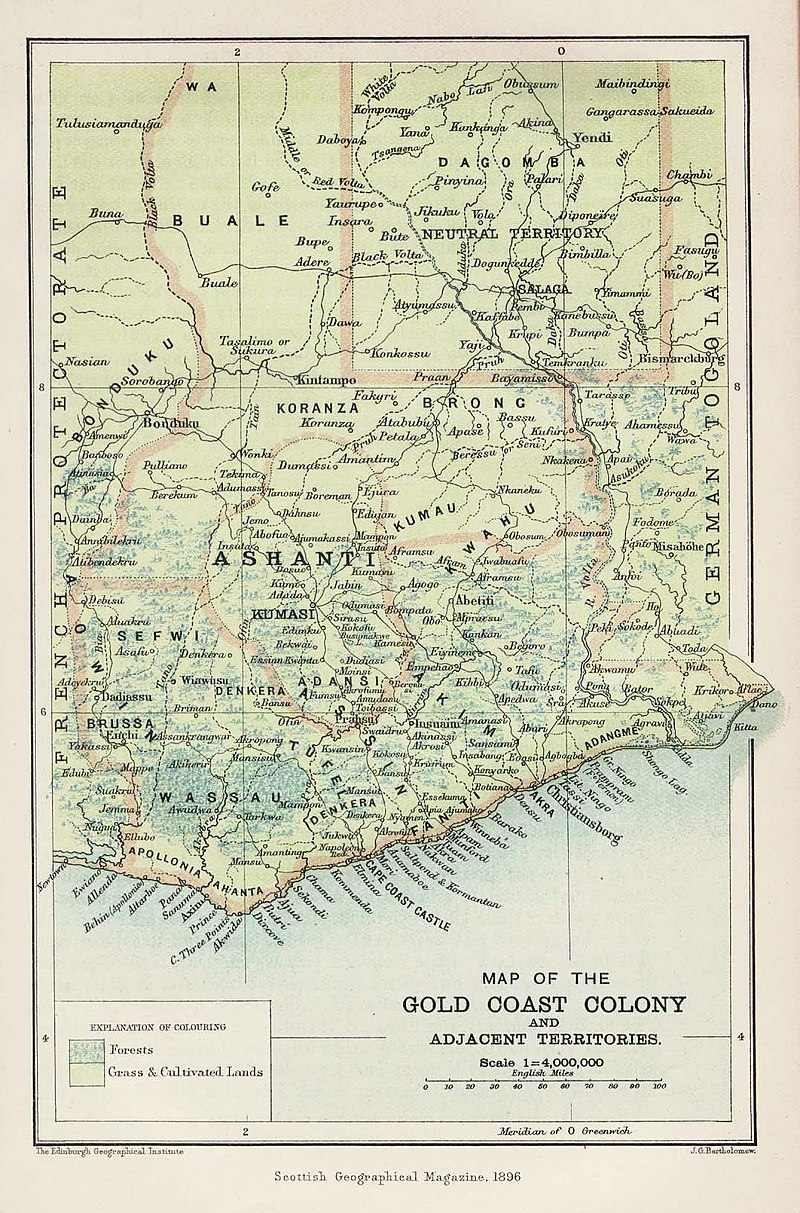
The Battle of Adibo, fought in 1896, stands as a pivotal moment in the history of Ghana, particularly in the context of the resistance against colonial forces. This significant conflict occurred between the Dagomba people and the German colonial forces, marking a fierce struggle for autonomy and self-determination. Under the leadership of their chiefs, the Dagomba fiercely resisted the German attempts to subjugate their territory, showcasing remarkable bravery and resilience. Despite their valiant efforts, the Dagomba were ultimately defeated, which led to the consolidation of German control over the region. The battle is remembered not only for its immediate consequences but also for the enduring spirit of the Dagomba people in the face of colonial aggression. The legacy of the Battle of Adibo continues to resonate in Ghanaian history, symbolizing the fight against colonialism and the quest for independence. It serves as a reminder of the sacrifices made by the Dagomba and the importance of preserving their cultural heritage in the narrative of Ghana's past.
#Mooflife #MomentOfLife #BattleOfAdibo #GhanaHistory #ColonialResistance #DagombaPeople #GermanColonialForces
View details