
Ghana

Culture-Warmth-Rhythm
Related Lives

Mexico
The Land of the Maya

Finland
Land of a Thousand Lakes

Ancient Greece
The Cradle of Civilization

Bhutan
Land of the Thunder Dragon

Japan
The Land of the Rising Sun

South Korea
The Land of Morning Calm

Sweden
The Land of the Midnight Sun

Haiti
The Resilient Spirit of Haiti

1874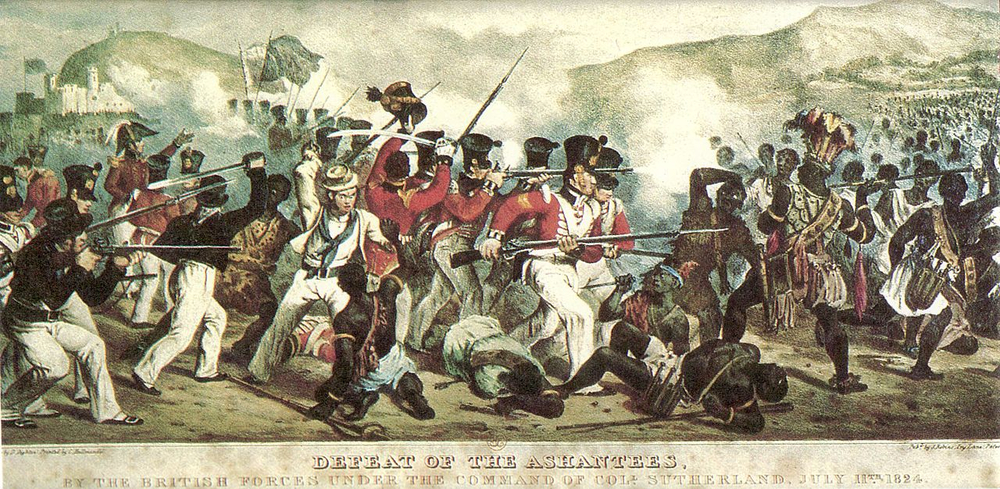
In 1874, Great Britain solidified its colonial ambitions by establishing control over parts of what is now Ghana, designating these territories as the British Gold Coast. This move marked the beginning of a series of military engagements between British colonial forces and the Akan nation-states, particularly the powerful Kingdom of Ashanti. The Anglo-Ashanti wars, a protracted conflict spanning over a century, saw the Ashanti Empire successfully repel British advances on several occasions. Notably, the Ashanti forces achieved significant victories against the British, showcasing their military prowess and resilience.
However, the tide turned with the War of the Golden Stool in 1900, a pivotal conflict that ultimately led to the decline of Ashanti independence. Despite their fierce resistance, the Ashanti were unable to withstand the British military might, resulting in the annexation of their territory and the establishment of British colonial rule. This period was marked by significant cultural and political changes, as the British sought to impose their governance and economic systems on the local populations, leading to lasting impacts on the region's history and development.
#Mooflife #MomentOfLife #BritishGoldCoast #Anglo-ashantiWars #KingdomOfAshanti #ColonialHistory #WarOfTheGoldenStool
View details1598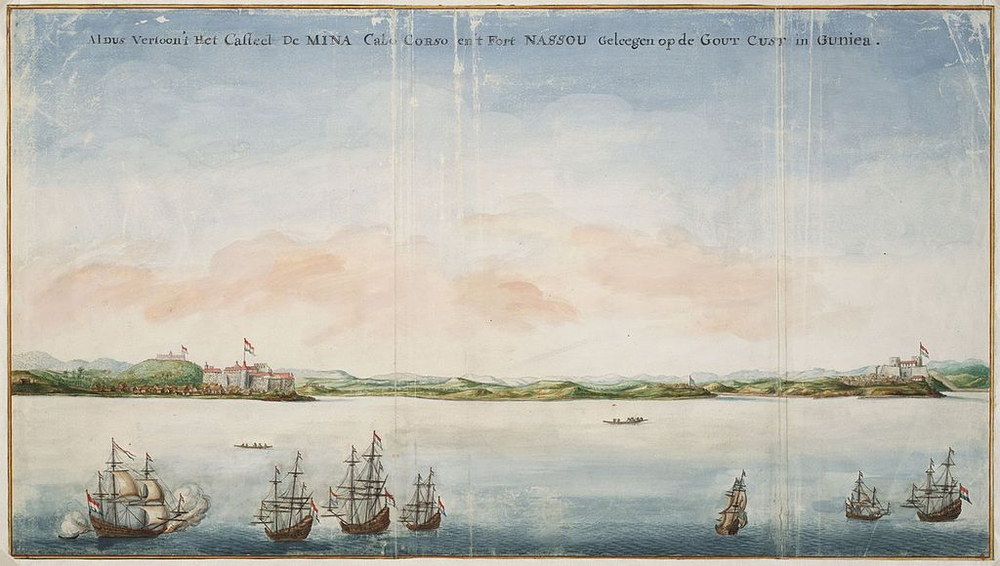
By 1598, the Dutch had firmly entered the lucrative gold trade, joining the Portuguese in their quest for wealth along the West African coast. This marked the establishment of the Dutch Gold Coast, known as 'Nederlandse Bezittingen ter Kuste van Guinea.' The Dutch recognized the strategic importance of the region and began constructing fortified trading posts to secure their interests. Notable among these were Fort Komenda and Kormantsi, which served as critical hubs for trade and defense. The competition for dominance in the gold trade intensified, leading to significant military engagements. In 1617, the Dutch successfully captured the Elmina Castle from the Portuguese, a pivotal stronghold that had been a cornerstone of Portuguese trade operations since its completion in 1482. This acquisition not only bolstered Dutch influence in the region but also marked a significant shift in the balance of power in West Africa. Further consolidating their presence, the Dutch seized Fort St. Anthony in Axim in 1642, further expanding their control over the gold trade and establishing themselves as a formidable force in the region's colonial landscape.
#Mooflife #MomentOfLife #DutchGoldCoast #GoldTrade #ElminaCastle #Portuguese #WestAfrica
View details1482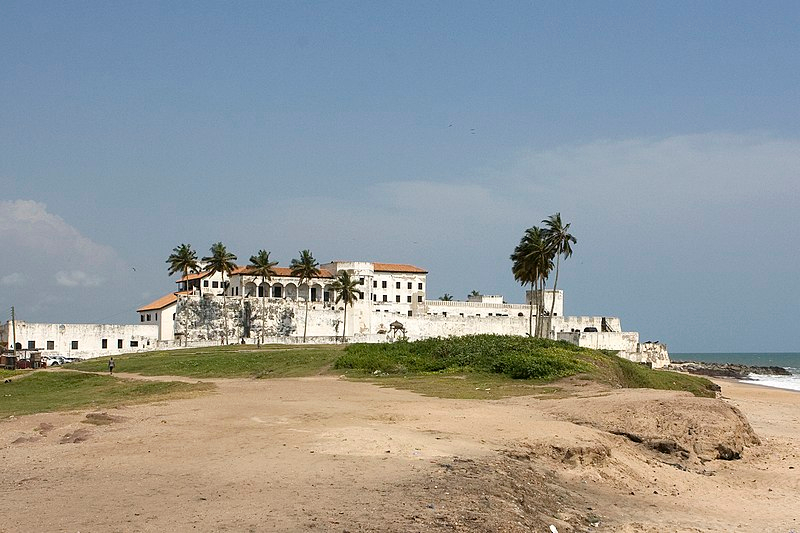
In 1482, the Portuguese established the Portuguese Gold Coast with the construction of Elmina Castle (Castelo da Mina) by Diogo de Azambuja. This monumental structure is recognized as the oldest European building in sub-Saharan Africa. The Portuguese arrived in the Gold Coast region during the 15th century, primarily attracted by the lucrative gold trade. Initially, they set up a trading lodge at a coastal settlement known as Anomansah, which they renamed São Jorge da Mina.
In 1481, King John II of Portugal commissioned Diogo de Azambuja to construct Elmina Castle, which was completed in just three years. The castle served as a fortified trading post and played a crucial role in the transatlantic trade, particularly in gold and later in enslaved people. By the late 16th century, the Dutch entered the gold trade, establishing their own presence in the region, which led to a competitive trading environment. Elmina Castle remains a significant historical site, reflecting the early European colonial ambitions in West Africa and the complex interactions between European powers and local communities.
#Mooflife #MomentOfLife #ElminaCastle #PortugueseGoldCoast #DiogoDeAzambuja #AfricanHistory #ColonialArchitecture
View details1201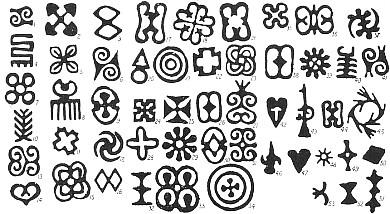
In the 13th century, Ghana witnessed the emergence of a distinctive art form known as adinkra printing. This unique technique involved hand-printing and hand-embroidering fabrics, which were primarily reserved for royalty during devotional ceremonies. Each adinkra motif carries a specific name and meaning, often rooted in proverbs, historical events, human attitudes, and elements from nature.
The symbols serve not only as decorative tattoos but also encapsulate profound messages that convey traditional wisdom and reflect various aspects of life and the environment. The meanings of these symbols can be categorized into aesthetics, ethics, human relations, and conceptual ideas. As noted by philosopher Anthony Appiah, adinkra symbols played a crucial role in pre-literate societies, facilitating the transmission of complex beliefs and practices. The rich symbolism of adinkra continues to be a vital part of Ghanaian culture, representing a blend of artistry and deep-rooted cultural narratives.
#Mooflife #MomentOfLife #AdinkraPrinting #GhanaianCulture #13thCenturyArt #TraditionalSymbols #CulturalHeritage
View details